
Beauty is a constant proponent shaping our lives. From the skincare that wakes us up, to the hair tools that get us through the day, to the lip combo that defines the night, beauty to most of us is a means of confidence, an expression of artistry, a piece of comfort, a ritual. And within these nuances comes the beauty retail sector, an $450 billion industry according to a report by McKinsey & Company. This industry is what listens, packs, and provides solutions to the needs of billions of people across the globe. And this region is no different. Managing bipolar climates, traditional customs, and emerging trends, beauty here is a steadfast constant just like the daily karak.
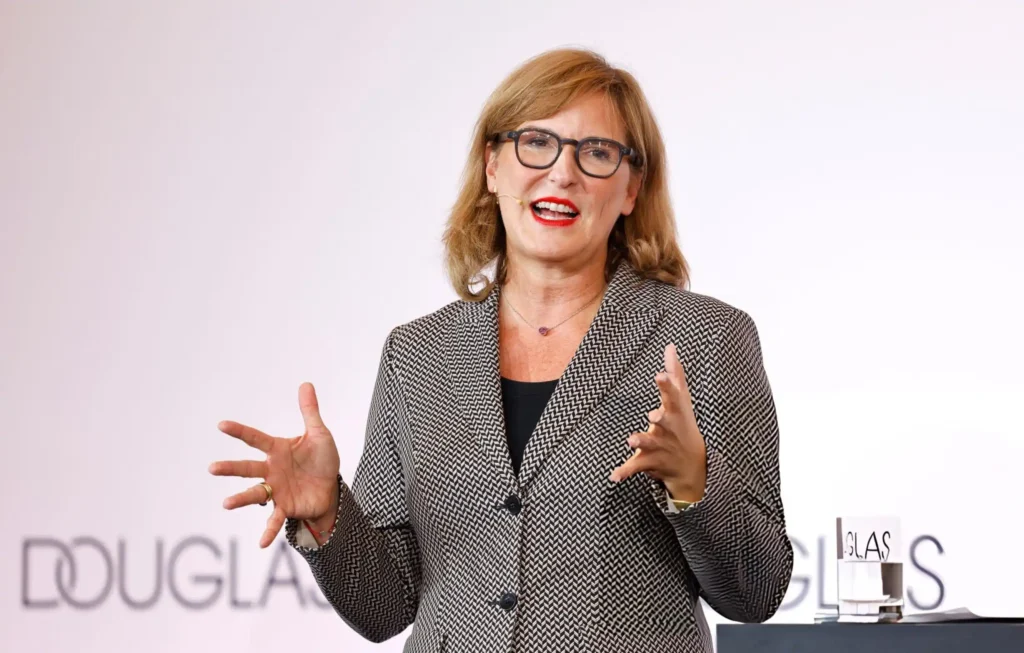
And Nicole Nitschke, Managing Director of FACES, understands this nuance and need well. With over 3 decades of experience in the global beauty retail industry, she brings her vast expertise to Chalhoub Group, not just enhancing the consumer experience but building a new one by integrating beauty tech and AI. In this Q&A, we dive into the world of beauty retail, how FACES performs within it, and how Nitschke manages it.
There are plenty of beauty retailers in the GCC with other international names joining in. What differentiates FACES from the others?
I’d say the difference mainly comes from our regional understanding. And our omnichannel expertise. FACES is a homegrown brand with over 85 stores across 10 countries, and each of them are rooted in the region’s cultural nuances and consumer expectations. We combine curated brand selection with immersive in-store storytelling and advanced digital capabilities, making the discovery, education, and purchase feel seamless across touchpoints.
As part of the Chalhoub Group, we also leverage a broader ecosystem of AI, data intelligence, and luxury retail expertise. This allows us to move beyond transactional retail into relationship-driven retail, and I believe that’s what makes us stand out.
How would you describe the current beauty industry landscape in the GCC, and how does FACES stand within it?
I’d say the beauty industry in the GCC is dynamic, resilient, and structurally expanding. According to our Personal Luxury Report, the GCC personal luxury market reached USD 12.8 billion in 2024, growing +6%, with beauty as the fastest-growing segment. Fragrance remains the largest category, followed by skincare and makeup. Beyond category performance, we’ve noticed that what defines today’s landscape is a shift toward education, personalisation, and cross-cultural influence.
By that, I mean consumers in the region have become increasingly ingredient-conscious, results-driven, and digitally inspired. However, they continue to value in-store consultation and tactile experiences. Shoppers research extensively online, engage with trends on social platforms, and then seek expert advice before purchasing, creating a hybrid journey that blends the digital with the human experience.
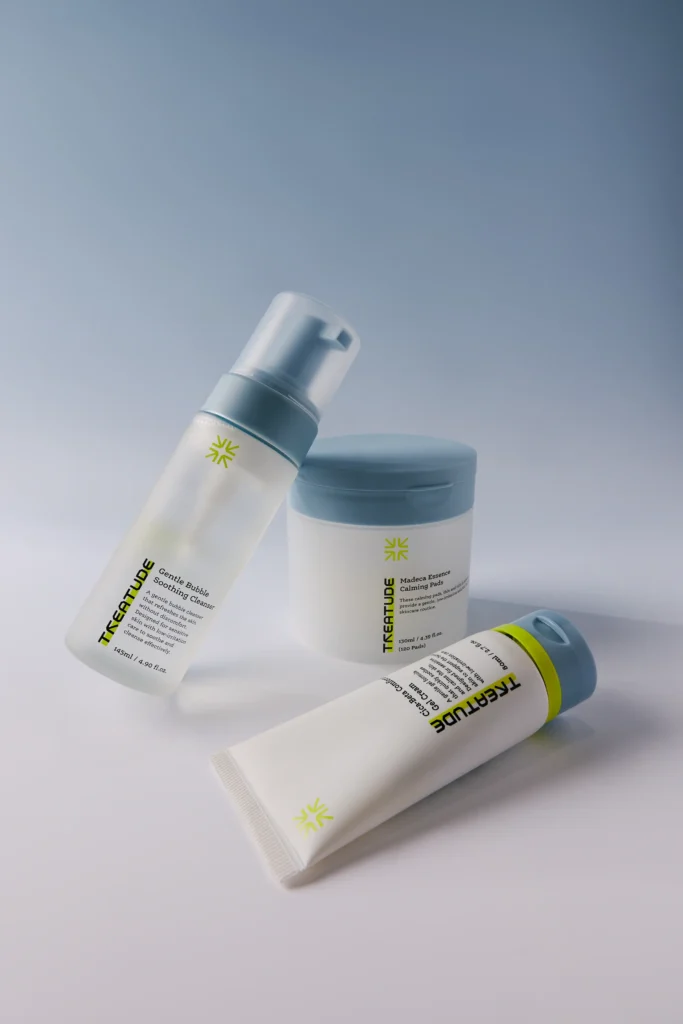
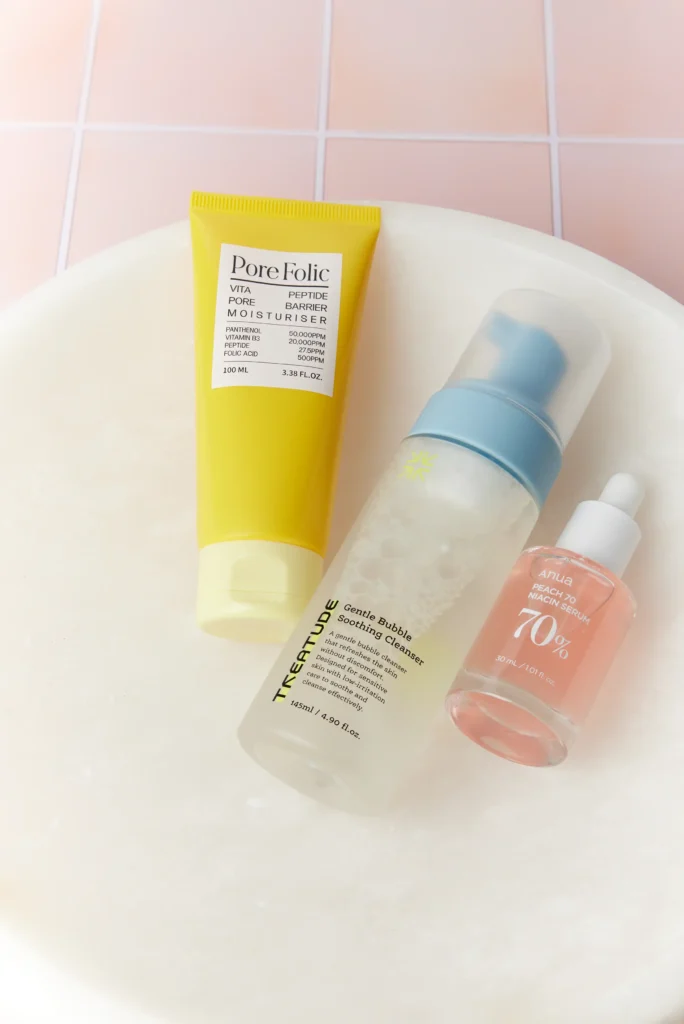
And we play into it. We’ve recently done it with Korean beauty. What began as a niche interest has become fully integrated into the mainstream GCC beauty ecosystem. Korean skincare’s focus on hydration, barrier repair, layering routines, and ingredient transparency resonates strongly with regional consumers whose needs are shaped by climate and lifestyle. Add on the cultural capital that K-Beauty holds because of the influence of Korean pop culture, and we can see why it speaks to Gen Z and Millennial audiences.
So we partnered with KOTRA MENA, leveraged the scale and operational expertise of Chalhoub Group, and worked towards facilitating market entry, curation, and localised storytelling for Korean brands. This is how FACES navigates the beauty landscape.
What sectors or categories are FACES seeing the most growth in?
Fragrance continues to be the strongest category in the GCC, mainly because of the region’s culture and gifting traditions. And what we’re seeing currently is a rise in niche and prestige fragrances. Skincare is also experiencing significant growth, particularly hydration-focused and barrier-supporting products tailored to our climate’s conditions. And with that, we’re also seeing a rise in hybrid categories, i.e. products that combine skincare benefits with makeup.
Interestingly, we have noticed that growth is not only category-driven but routine-driven. Consumers are investing in complete regimens rather than single products, reflecting a more educated and long-term approach to beauty.
FACES has recently launched Layla AI, a Generative AI-powered beauty coach, bringing in-store consultancy to the digital world. What are the goals FACES aims to achieve with this launch?
With Layla AI, we aim to scale personalised beauty advice while maintaining cultural and linguistic relevance.
Layla AI is for the region. She understands multiple Arabic dialects, provides ingredient-level explanations, and complements our in-store advisers rather than replacing them. With her, users spend significantly more time exploring and understanding products. She also functions as a real-time intelligence engine. It helps us identify emerging needs, optimise assortments, and refine campaigns based on live data.
Layla AI was launched in late 2025 and has reportedly enhanced customer engagement. Are there specific age groups engaging the most with this AI?
Yes! Engagement is particularly strong among digitally native consumers, i.e. Gen Z and younger Millennials. That’s because this audience is accustomed to researching ingredients, comparing reviews, and engaging with trends on social media before purchasing. So Layla AI supports this by providing instant, personalised, and culturally fluent recommendations. Notably, 79% of interactions are in Arabic, and so far, engagement in Saudi Arabia has been particularly strong.
While you are the Managing Director of FACES now, you have had more than 30 years of expertise in both the beauty industry and retail. Were there any key moments in your career that shaped your leadership philosophy?
Over these three decades, I have witnessed multiple transformations in the beauty and retail landscape. From global luxury expansion to the digital revolution and now AI-driven experiences. Within all this, one defining lesson has been that retail is ultimately about people. Technology evolves, formats change, but trust, empathy, and cultural understanding remain constant.
Leading through periods of disruption has reinforced my belief in adaptability and continuous learning. The beauty industry, in particular, moves at the speed of culture. So staying relevant requires listening closely to consumers.
My leadership philosophy is therefore built on three pillars: customer-centricity, curiosity, and collaboration. When teams are aligned around purpose and equipped with the right tools, innovation becomes organic rather than forced.