
Now that daily life has primarily shifted indoors, we have all gotten used to reading by nervously checking news online, continuously scrolling social media, or scanning through new notifications. While staying in the know is important, constant checking may not be productive. So why not turn frantic reading into truly informative reading? Offering up a lens into the themes of war, traditions, and interpersonal dynamics, these books contextualise the current times with a fictional world and are worth a spot in your reading list.
All Quiet on the Western Front by Erich Maria Remarque
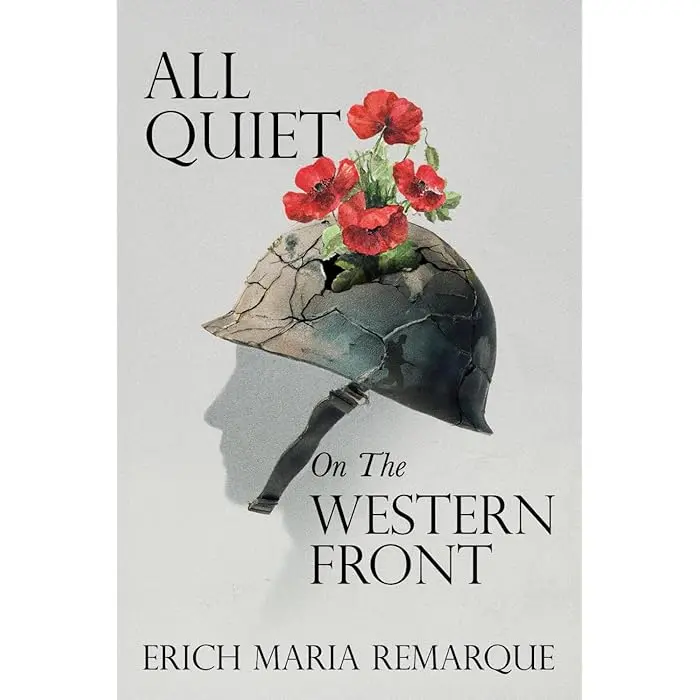
A harrowing tale on the human cost of war, All Quiet on the Western Front takes place in 1914, following the story of Paul, a German school boy who believed he was signing up for glory and patriotism. A fairly short book that could be tackled within a weekend, the story, however, stays with you long after the final chapter. Focusing on the devastation of war, the disillusionment, and desensitisation that soldiers have to go through, this novel becomes even more relevant during these current times.
Everyday Life in the Spectacular City: Making Home in Dubai by Rana AlMutawa
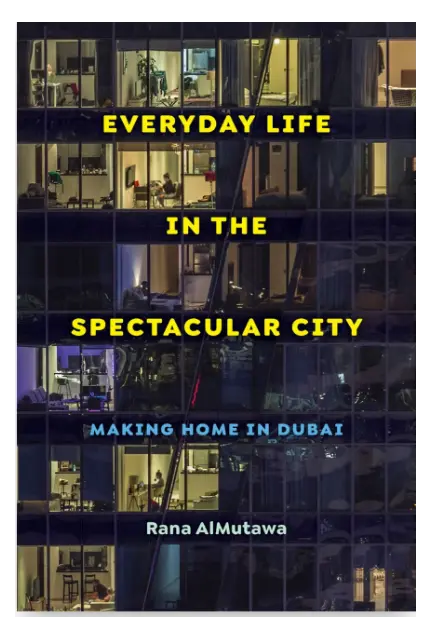
An urban ethnography by Assistant Professor of Social Research and Public Policy, Rana AlMutawa, this book is the only non-fiction book in our list. It does something that most people unfamiliar with the Middle East cannot comprehend: it demystifies Dubai. With countless interviews of ordinary people living in the Emirate, AlMutawa provides an insider’s perspective on the real lives of Dubai’s residents. Going beyond the glam and the so-called superficiality of the city, this research provides a nuanced understanding of how people in Dubai find meaning and belonging.
Mother of Strangers by Suad Amiry
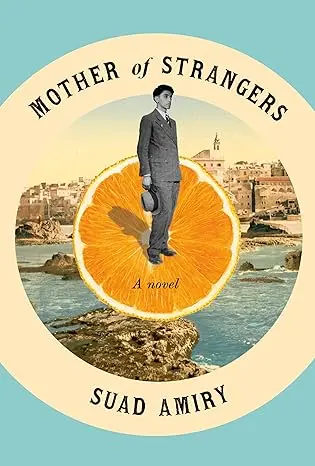
A heartfelt tale of love and loss, this novel by Palestinian author Suad Amiry is both a love story and a fictional recounting of a true story. Set in Jaffa, between 1947–1951, it follows the lives of Subhi and Shams, two teenagers navigating young love. As time moves on, we see how the indiscriminate bombing of Jaffa and the displacements of Palestinian families begin to shift the narrative, going from lighthearted and humorous to a grim close-up of Palestinian life after the Nakba.
Sleep Phase by Mohamed Kheir
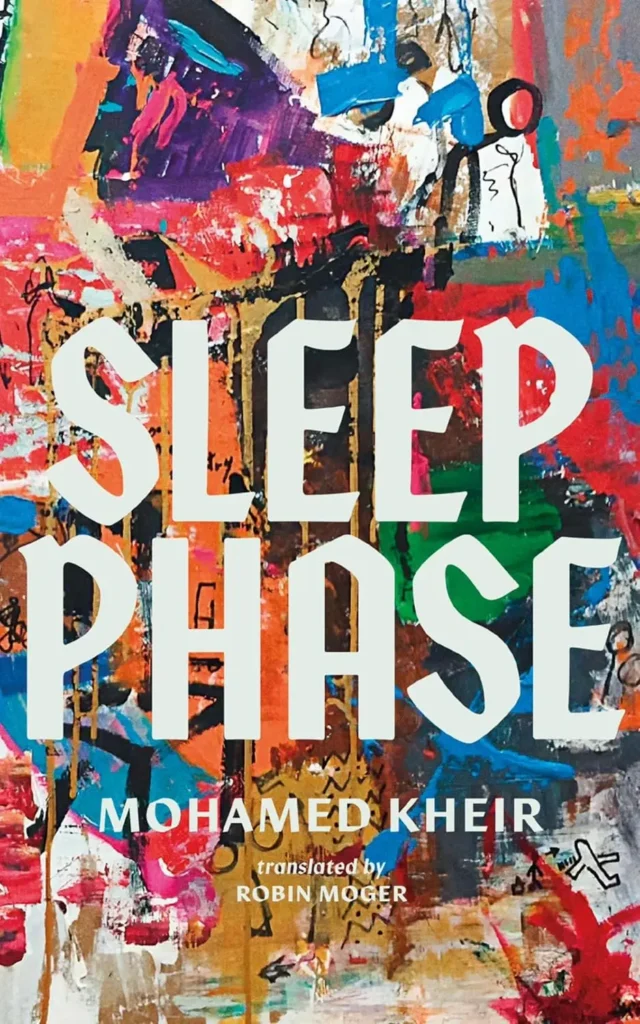
A surreal, almost Kafkaesque piece of work, this is for those who love blurry lines between reality and fiction and unreliable narrators. Following the story of Warif, a recently released political prisoner, and his trouble navigating a new version of Cairo. This story brings forth commentary on prison life, shifting societies, and the disorientation it can bring.
The Enlightenment of the Greengage Tree by Shokoofeh Azar
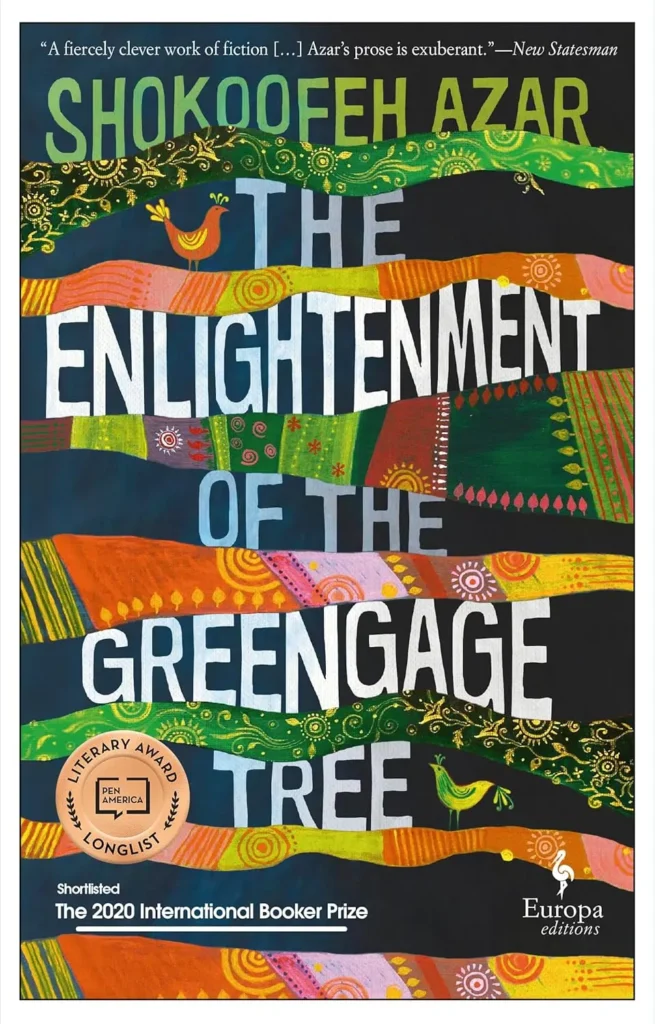
Nabbing nominations and literary awards since its release, The Enlightenment of the Greengage Tree uses the lyrical style of classical Persian storytelling to tell the story of Iran in the period immediately after the Islamic Revolution in 1979. Following the story of an Iranian family caught in the chaos, mixed with fantastical elements that reflect traditional Iranian folklore, this novel gives us a perspective into Iranian life.
This Thing Called Love by Alawiya Sobh
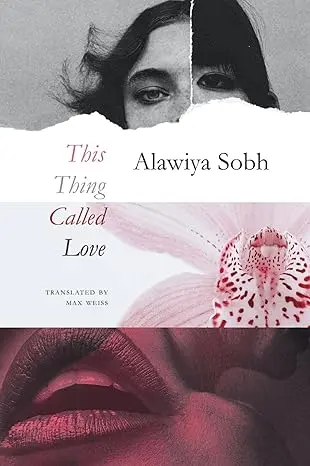
With a backdrop of the July 2006 war in Lebanon between Israel and Hezbollah, This Thing Called Love is a tale of love, loss, sex, and friendship between a group of women as they try to come to terms with their friend’s death. Writing on themes of nostalgia, youth, and mortality, author Alawiya Sobh paints a sombre picture of modern Lebanon along with her characters.
The Persians by Sanam Mahloudji
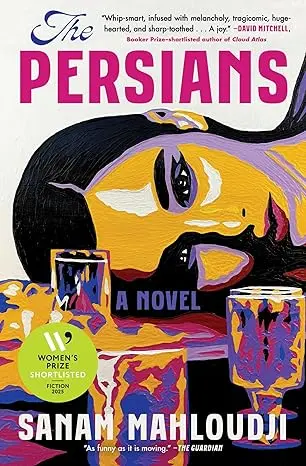
The Persians tells the tale of both the personal and the political. Following different generations of women from the Valiat family, this book is chock-full of wit, history, and complex characterisation.