From fasting to feasting, the first day of Eid al-Fitr follows the same beats across the world. It begins with prayers and settles into the breakfast table, where generations congregate to eat in the sunshine after a month of dining in the dark. For some, breakfast begins with a mix of savoury and sweet, while other communities prefer to go the hearty route with meats.
Despite the differences, what ties each table together is the shared practice of sharing sweets. In Türkiye and Saudi Arabia, Eid al-Fitr is affectionately called ‘Sweet Eid’ or ‘Sugar Festival’, and for most Muslims around the world, Eid memories begin with the scent of sugar, cinnamon, or rose syrup filling the air a day or two before Eid begins. No matter where in the world, the cultural practice remains the same while the plates differ. It’s a sobering reminder of just how similar yet different we all are. And in celebration of these nuances, here are all the different breakfast tables you can expect to find this week.
UAE
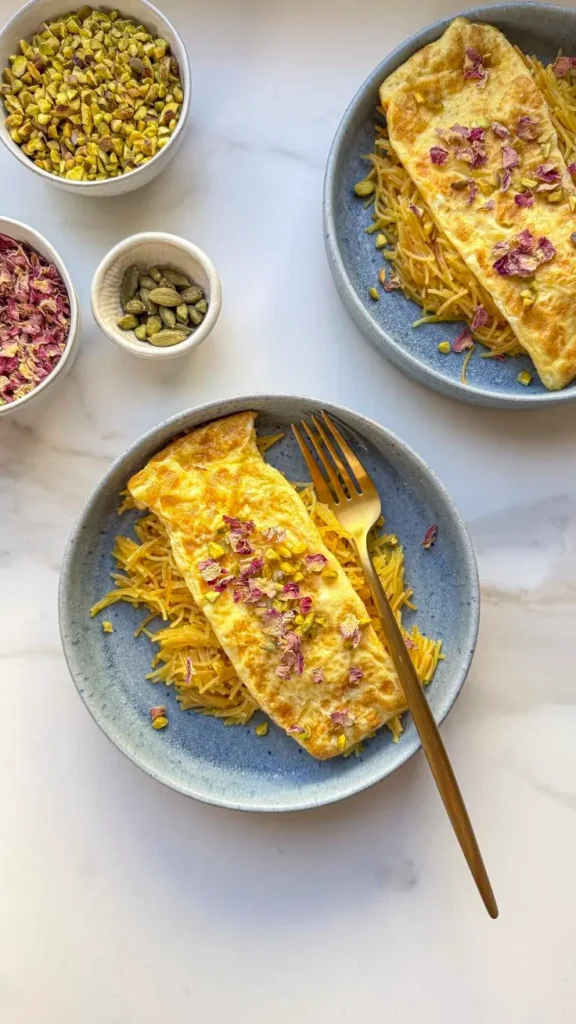
Emirati Eid breakfast tables host the typical traditional dishes, only this time served in abundance to cater to guests. Balaleet, a sweet and savoury dish made from sweetened vermicelli noodles and topped with an egg omelette, is a common plate here. Khabeesa, a dish made from toasted flour mixed with ghee and stirred into caramelised sugar, is one of the many sweet treats one could expect on Eid morning. And of course, you can also find other traditional dishes such as Chebab and Beidh Wa Tomat alongside dates and coffee.
Saudi Arabia
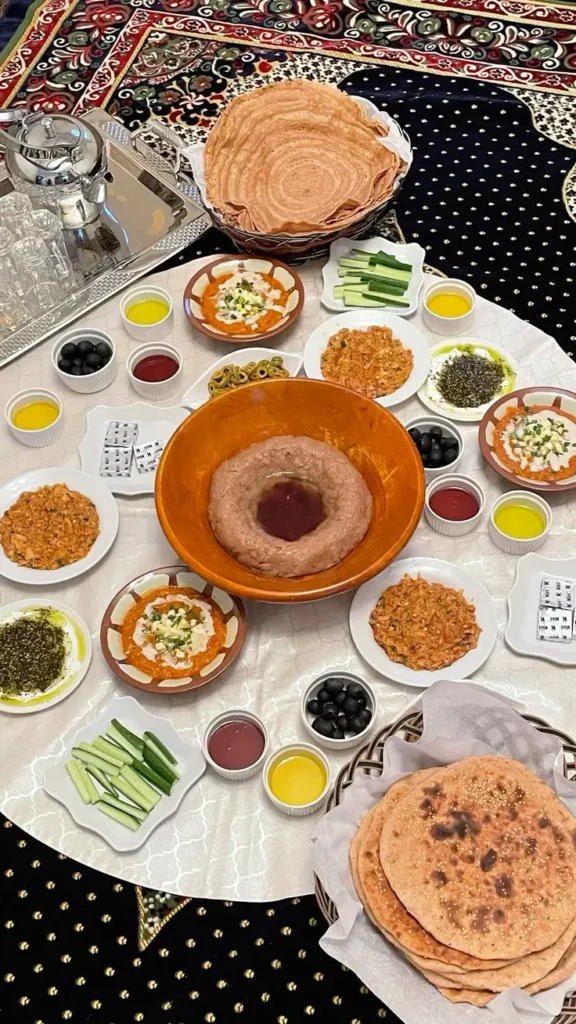
Eid breakfast in the Kingdom is a lavish affair, and usually differs from province to province. At the capital, the Eid spread includes Jareesh, AKA Harees and Al-Qursan, which is flatbread spiced with onion, cumin, coriander, black seed, and cinnamon. In the Makkah al-Mukarramah Province, sweets rule the table alongside a variety of breads, cheeses, and tea. Across the provinces, you can find the popular Dabayza, a dessert made of apricots, sweetened with sugar and nuts.
Morocco
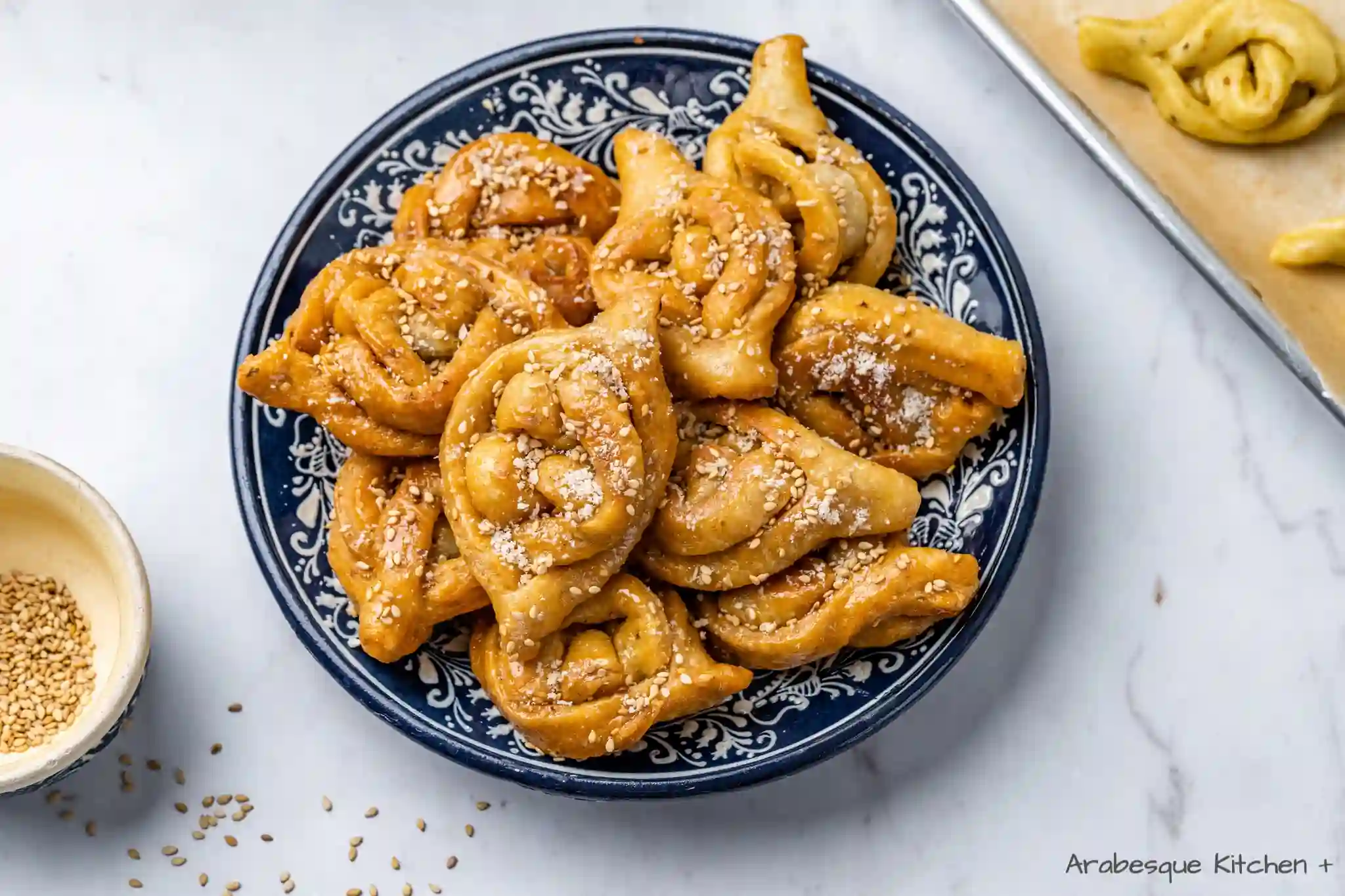
In Morocco, you can expect two things to happen simultaneously: public life will be quiet, and homes will be filled with the scent of pastries. Since families are often celebrating at home, city squares and cafes are sparse, at least on the first day of Eid. At home, a variety of flour-based dishes greet the table. These are Msemen, square, flaky pancakes; Baghrir, a semolina-based pancake; Sellou, a mixture of toasted flour, nuts, and honey; Chebakia, fried pastries coated in honey; and Laasida, a dish made of couscous, butter, and honey. Alongside this spread is fresh mint tea or coffee to balance the sweetness.
Türkiye
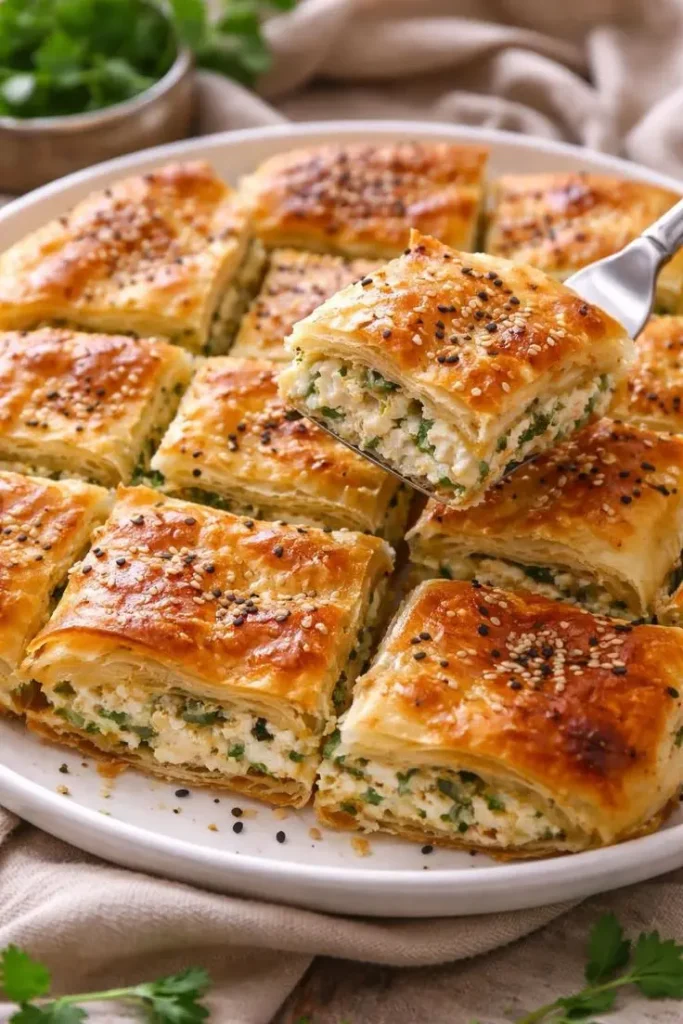
Similar to most communities on this list, Turkish breakfasts are also lavish spreads featuring traditional dishes, and homemade breads and jams. Flaky pastry dishes are made days in advance. The most popular among them are börek, where the pastry is stuffed with meat or cheese, and baklava, which is layered with chopped nuts and sweetened with honey or syrup. A Turkish iteration of shakshuka would also be served alongside homemade yoghurt.
The Levant
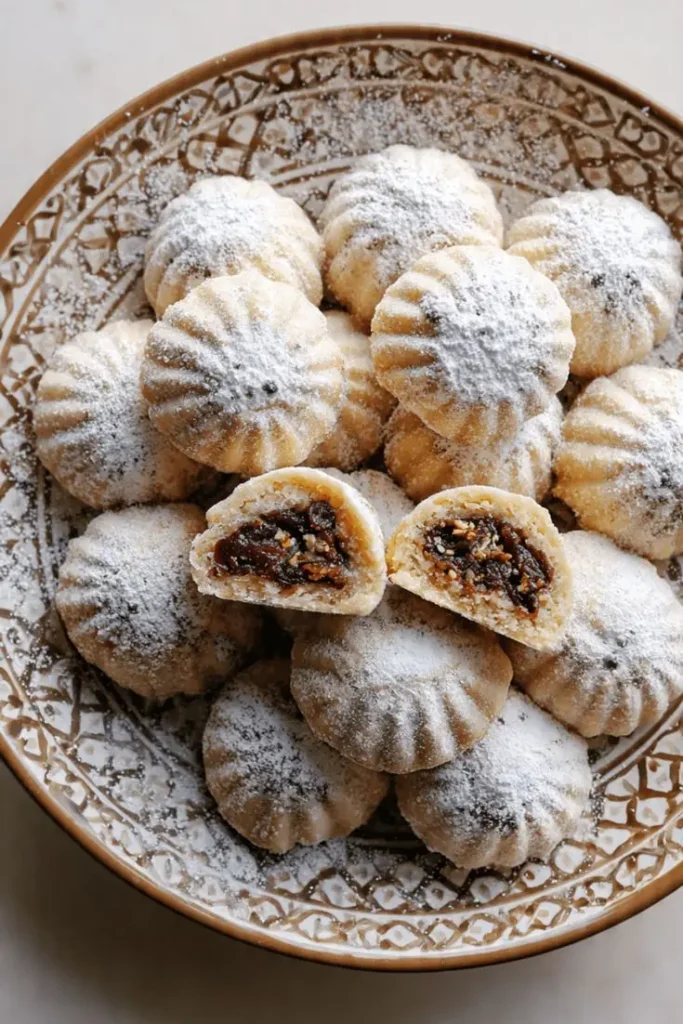
Levantine communities in Jordan, Palestine, and Lebanon all have similar breakfast tables. Fresh breads, fatayer, and dishes drizzled with olive oil are placed on the table. Ma’amoul cookies are the staple, even after breakfast, while in Palestine and Jordan, a simple meat dish called Sajiyeh is a must-have, almost becoming synonymous with Eid. Made in a saj pan, this dish is primarily bite-sized pieces of stir-fried beef and vegetables served with saj bread. It’s smoky and flavourful and might not be a typical breakfast dish, but those living in the Levant would heavily disagree.
Egypt
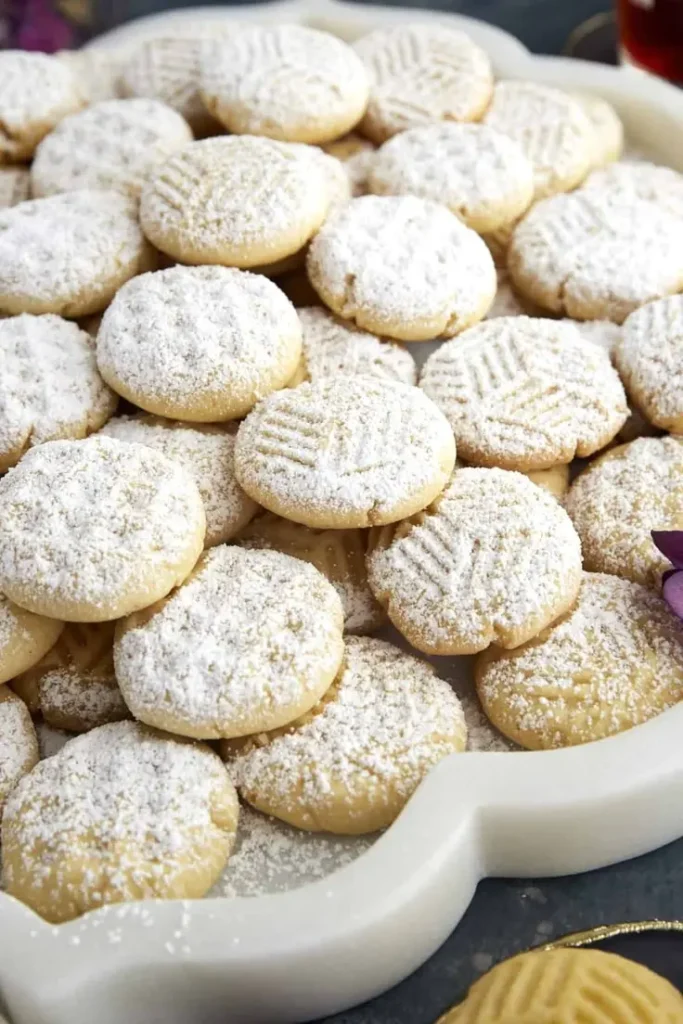
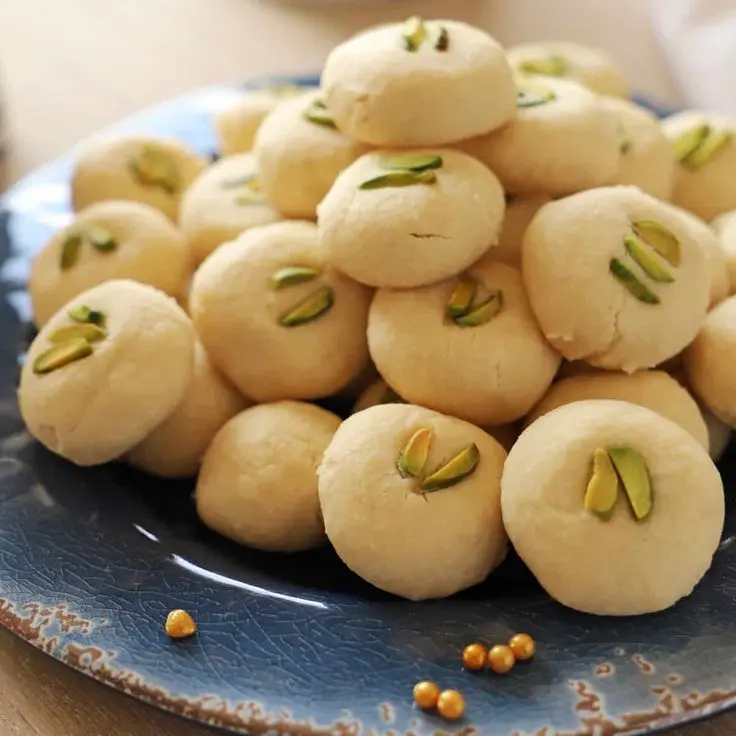
Breakfast in Egypt is a similarly loud, family affair. Fatteh is the common dish on most tables, as is Ful Medames, and traditional cookies, Kahk and Ghorayeba. Kahk is a sweet shortbread cookie, while Ghorayeba is made to melt in the mouth. And just like most communities, you can find Egyptian women baking cookies days in advance to gift to children, friends, and adorn the breakfast table.
India
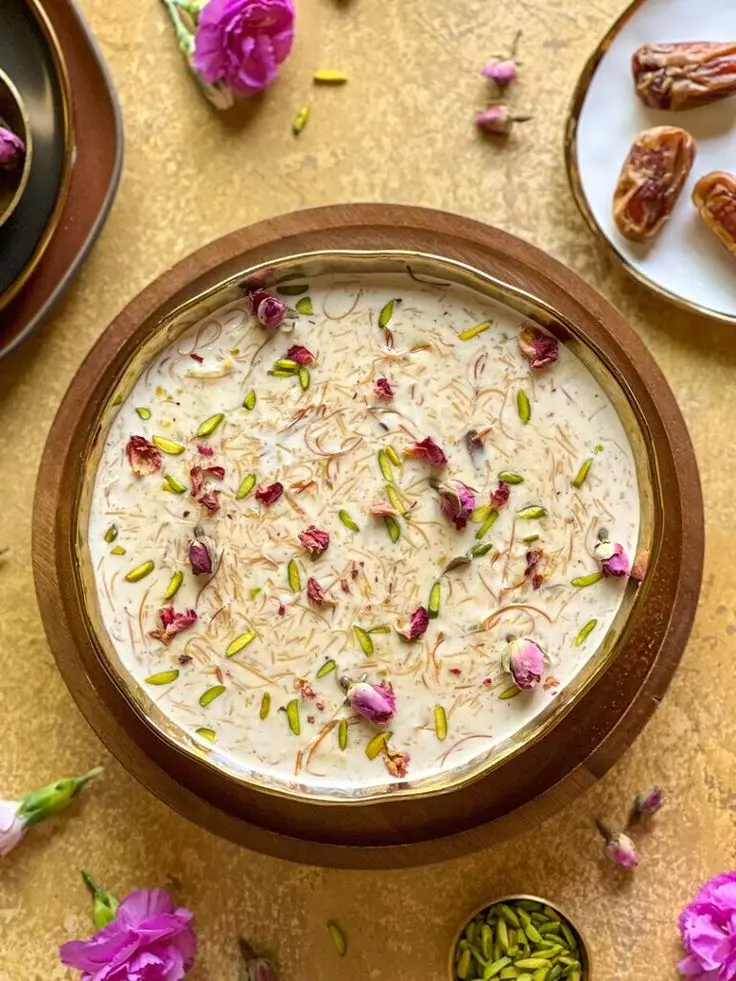
With how diverse and hearty Indian cuisine can get, one would expect another elaborate feast during breakfast. However, most households keep it simple, sticking to a vermicelli pudding called Sheer Khurma. A traditional Persian dish, this sweet pudding is flavoured with dried fruits and nuts, with each combination varying from one community to another. This simplicity is done because the hearty meals come during lunch and dinner, where biyanis, kebabs, and fragrant curries make the rounds.
Somalia
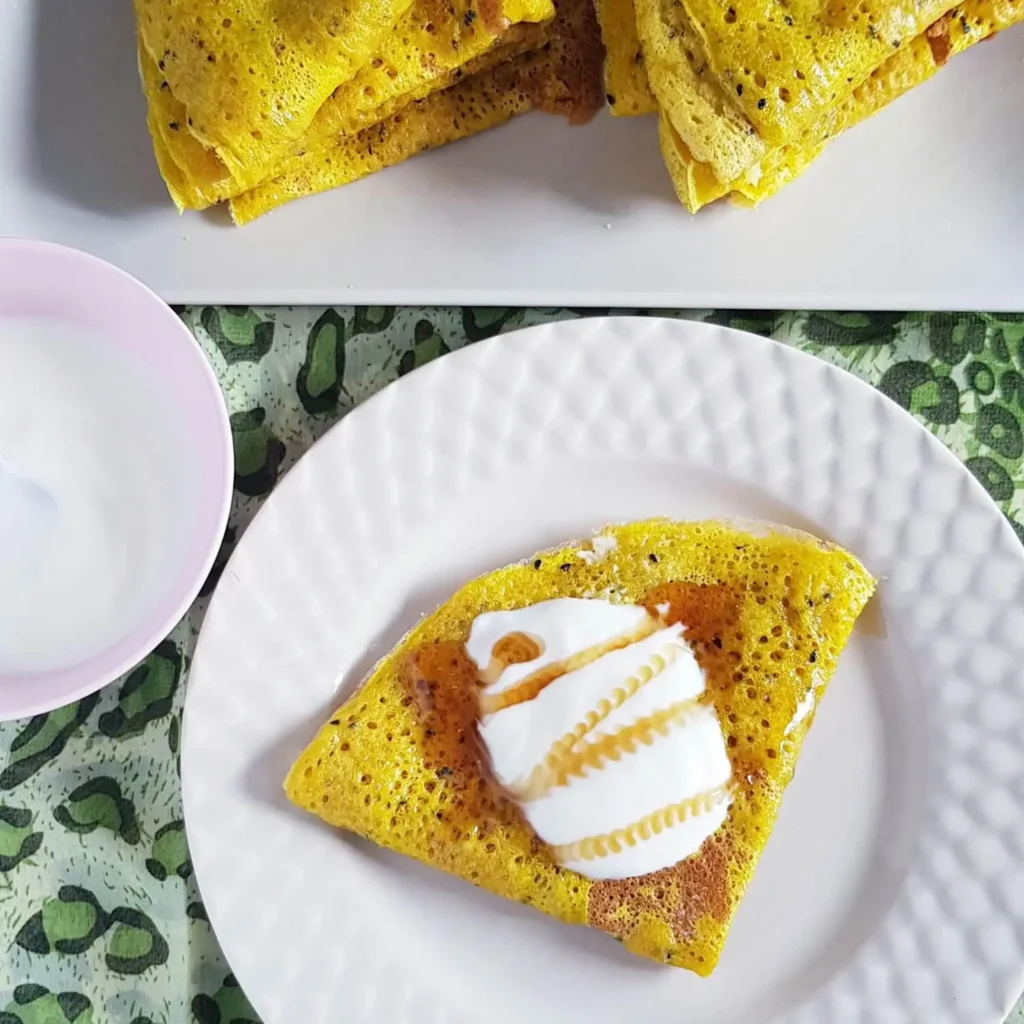
In Somalia, it is an Eid tradition to begin the day with Cambaabur—a spiced flatbread that’s sprinkled with sugar and then eaten with yoghurt. It’s similar to Anjero, a staple in Somali cuisine, but Cambaabur is a softer, more aromatic version and is served alongside warm tea.