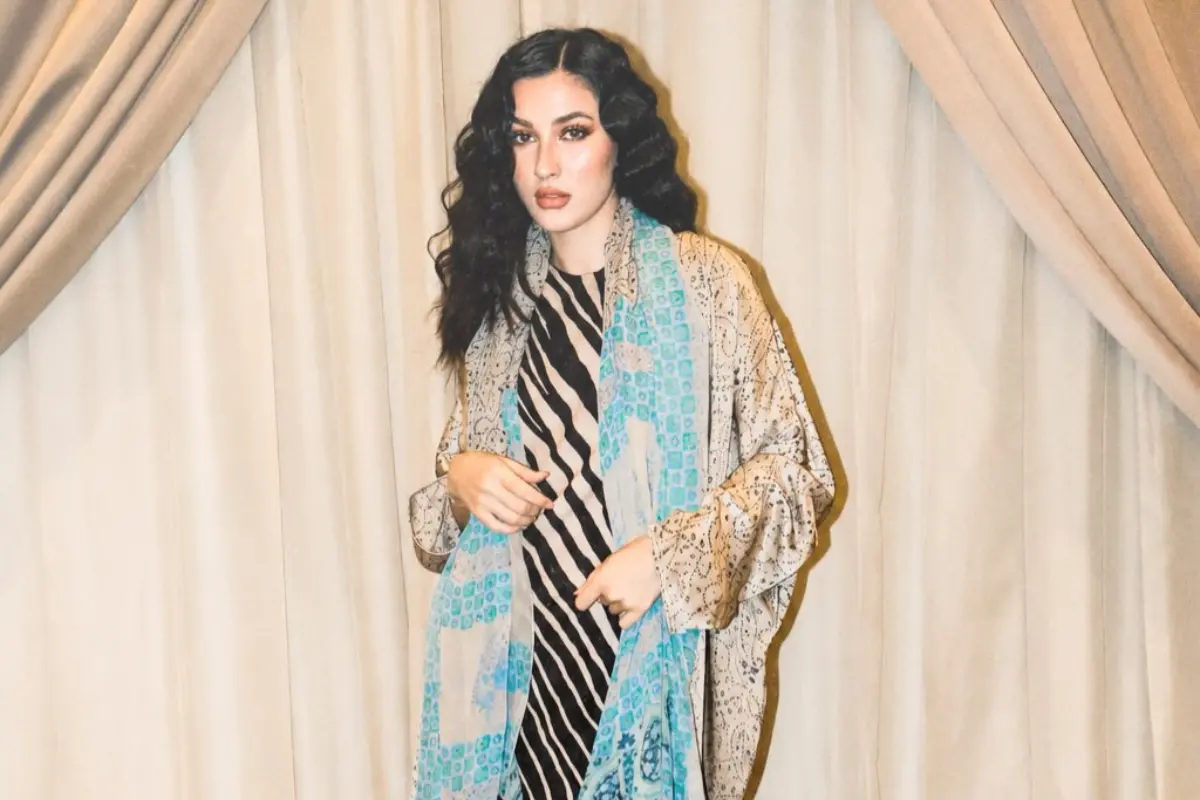
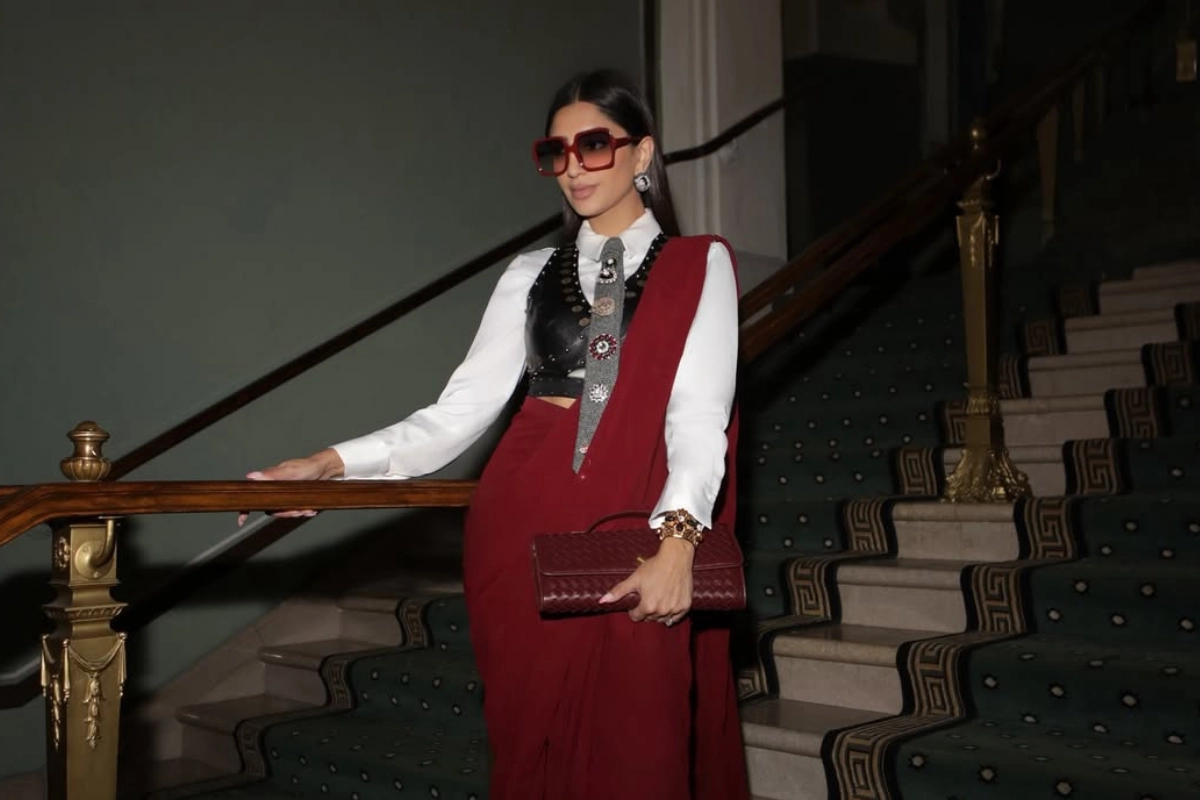
With all the recent noise around brands “discovering” ethnic wear after casually stripping it of context, real cross-cultural styling feels even more fun to watch. Because when it is done properly, it has nothing to do with costume, tokenism or passing something off as brand new when it has long been part of different communities. Fashion rooted in ethnic fusion comes from people who actually know these clothes, grew up around them, inherited them, reworked them, and wear them with the kind of instinct you cannot fake.
And that is where things get good. A wardrobe opens up, the rules loosen, and pieces with real history get pulled into everyday life in a way that feels fashion-forward, personal and completely current.
For some of us, this is hardly a new concept. Anyone raised on Bollywood already knows the formula works. We’re all too familiar with the likes of Kareena Kapoor donning a kurti with spaghetti straps or a dupatta thrown over flared boot-cut trousers. Indo-Western dressing and the likes have existed for years, because honestly, why should Eurocentric fashion be the only reference point for modern dressing when other cultures offer just as much, if not more, in terms of silhouette, surface, technique and beauty?
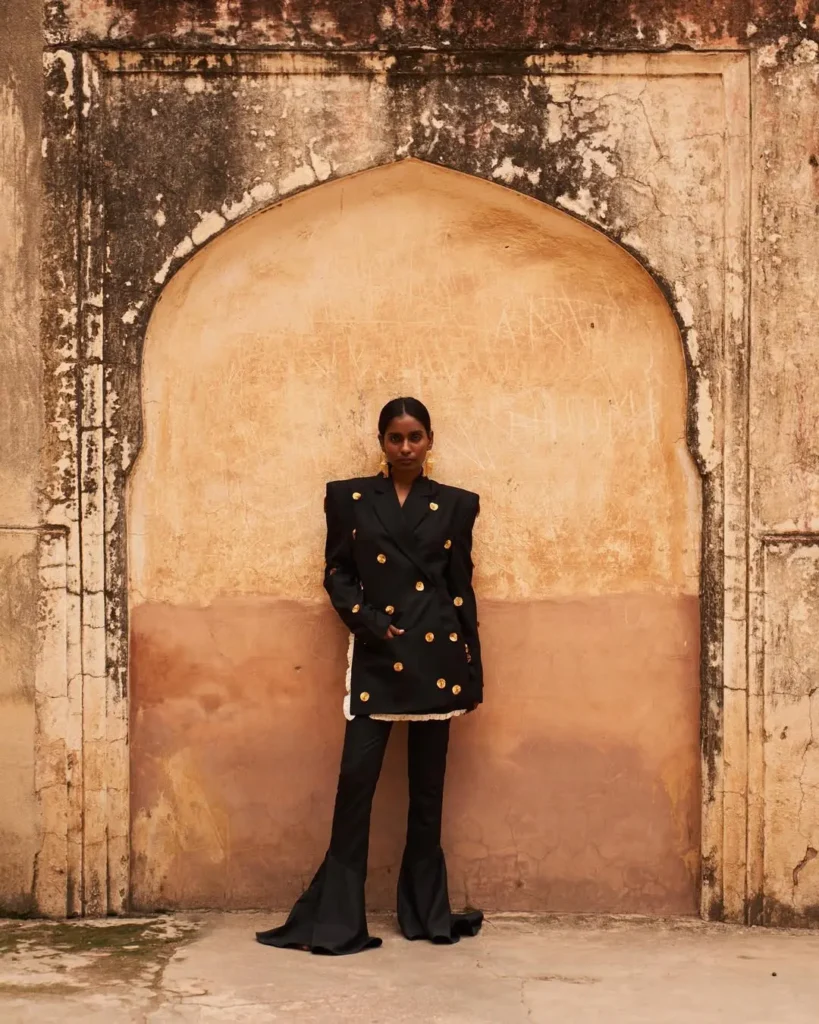
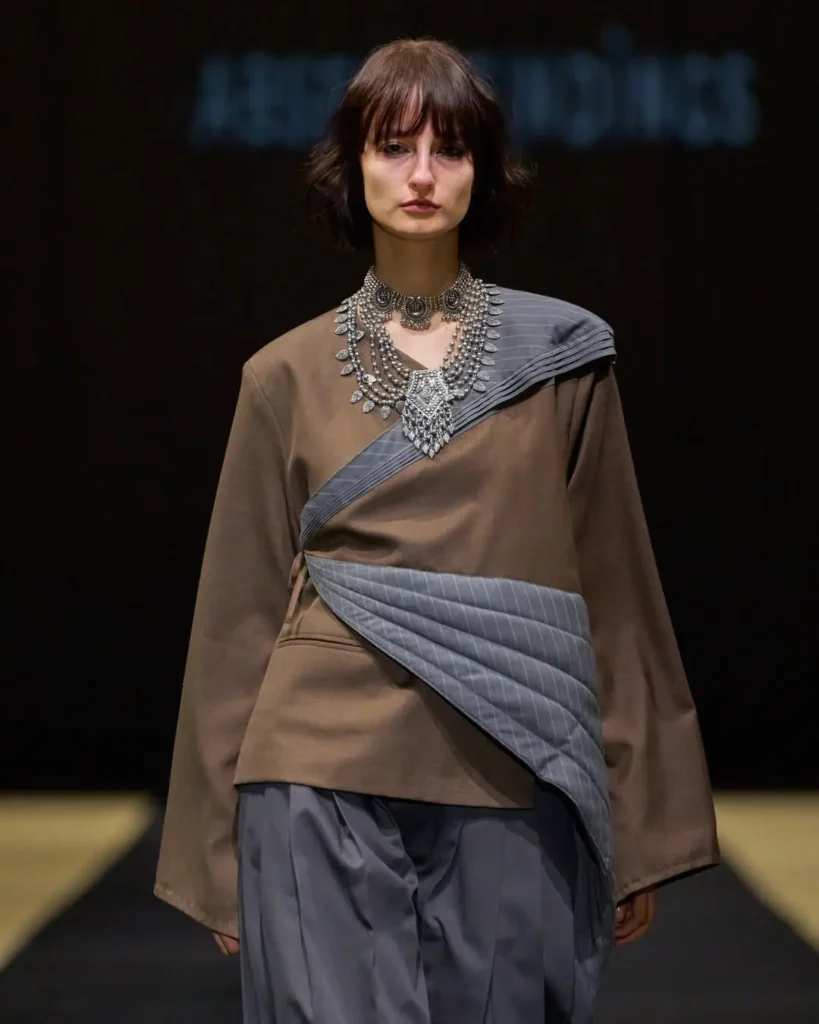
Cross-cultural styling keeps those traditions moving and that is exactly why it feels so exciting right now. The people dressing best are pulling from everywhere that matters to them, heritage, family, memory, migration, mood. Independent designers like Absent Findings and SZABO SIHAG are doing the same, whether they are reworking familiar codes or giving their third-culture perspective a new fashion language.
These are the cross-cultural styling trends we have been loving lately.
Sarees with Blazers
The traditional saree is just a long piece of fabric pleated and draped. So innovations through this fabric are endless. You could fashion them into pants, or dhoti, as they’re traditionally called, or style them with boots, leather, and velvets, depending on the mood. Recently, there has been an itch to pair sarees with blazers, pulling off looks both formal and party-ready.
Frankenstein Blends
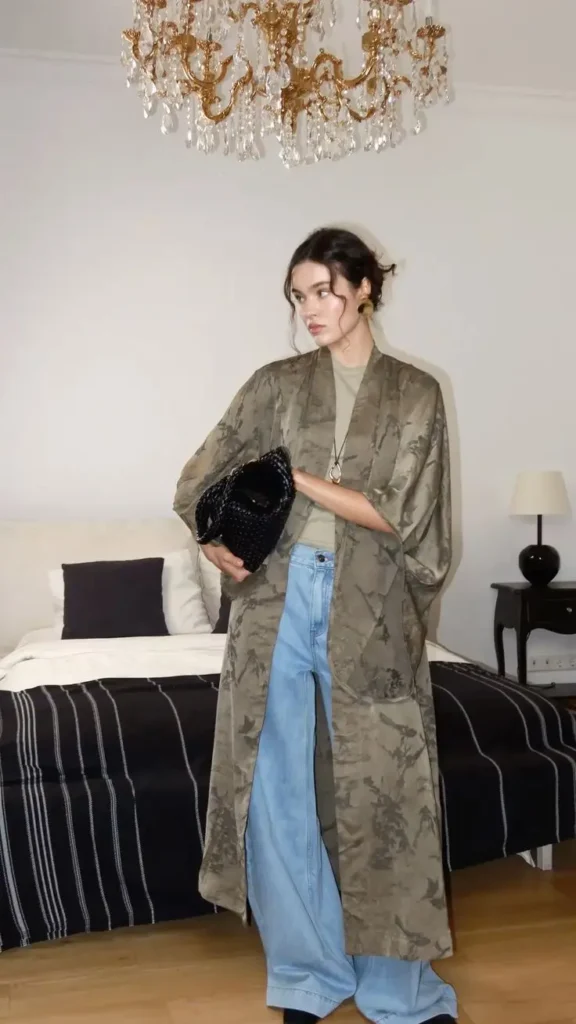
One way cultural clothing has persevered is through a Frankenstein blend of sorts. As Western wear became the dominant form of dressing, people retained their ethnic dress by styling them cross-culturally. We see this with the abaya-jean combo, where the dress is left open as a cover-up.
Cultural Jewellery Paired With Western Outfits
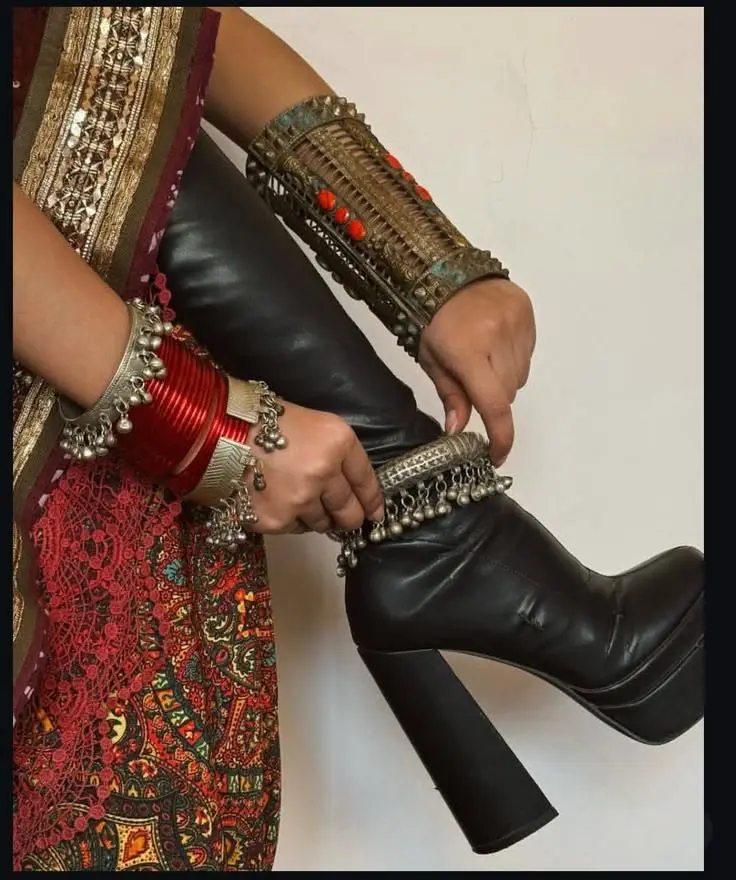
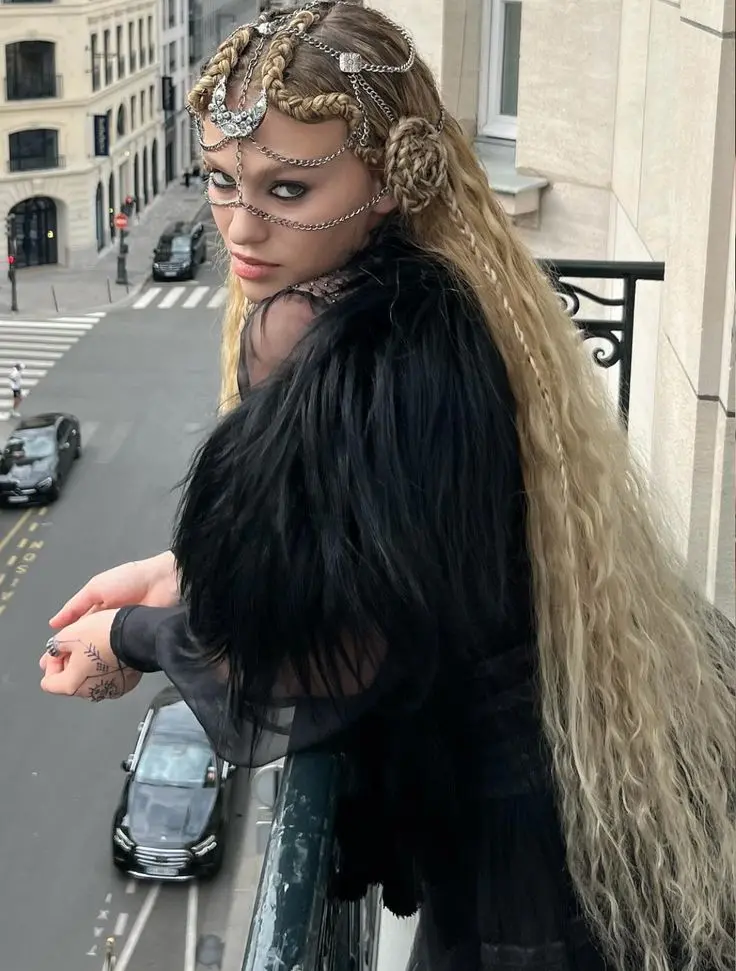
A combination mainly seen on South Asian fashion, part of Indo-Western wear, is rocking cultural jewellery such as jhumkas (earrings), choodiyaan (bangles), and payal (anklets) alongside standard Western clothing. A simple T-shirt and jeans can radically change with this jewellery lift.
Accessories in a Modern Lens
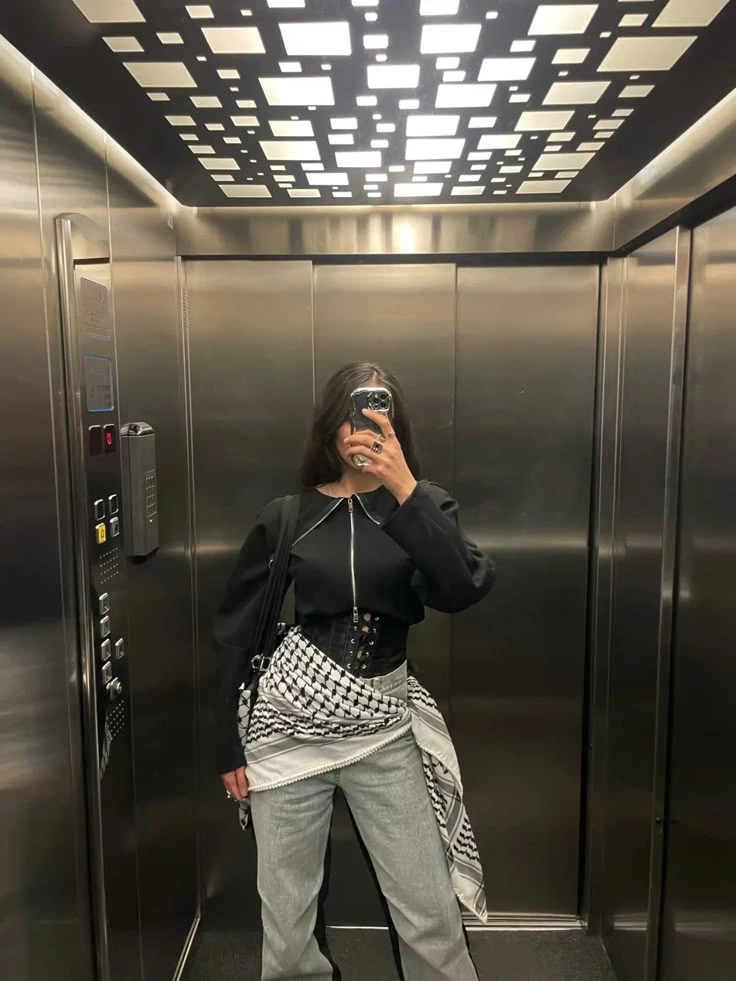
When it comes to Arab-Western cross-cultural fashion, a trend we’ve been loving is seeing how traditional accessories have been reimagined. With the popularity of the keffiyeh, the garment alone has gone beyond its initial purpose. Standing for broader cultural meaning, the fabric is commonly styled as a belt or is draped along the torso, a complete shift from being a headdress as it was originally intended.
Ethnic Prints for Non-ethnic Wear
More and more independent designers are channelling their heritage into clothes that feature ethnic prints, artisan work, and honouring traditional craftsmanship practices. For homegrown brand 28NATELIER, that looks like taking a shemagh pattern and putting it on a dress. For Dubai-based brand Finchitua, that looks like blending African tribal patterns with modern streetwear. As the world continues to get smaller, it was only time for niche designers to work with new forms of bespoke clothing.
Cross-Cultural Silhouettes
Traditional silhouettes can be hard to replicate in a cross-cultural fashion, but once again, independent designers are taking on the challenge. For SZABO SIHAG, a brand between London and India, fusion wear is at the core of the brand’s identity. Fabrics such as khadi, cultural symbols such as the lotus, and traditional silhouettes such as the drape of a dupatta are all reimagined in a contemporary lens, made to work with denim, asymmetry, and cheeky cutouts.
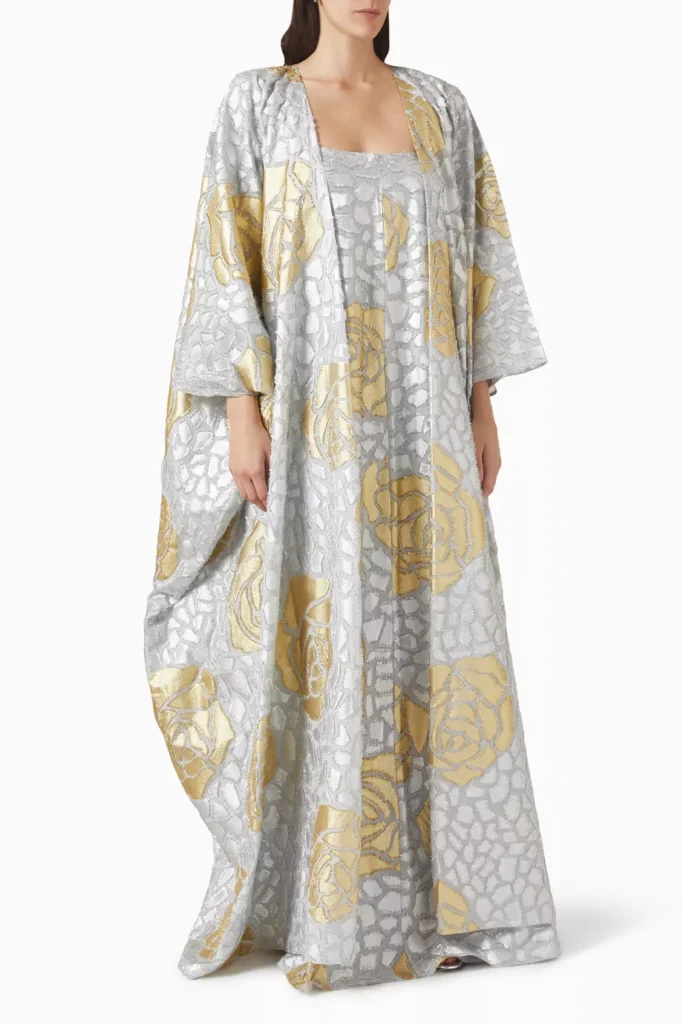
Similarly, the abaya in Arabian fashion has also undergone a cross-cultural exchange. Blending with the Japanese kimono, the two silhouettes form the kimono abaya, where the Japanese sleeves attach themselves to a loose-fitting abaya.