If you haven’t been keeping up, the latest show to take the internet by storm is a “reality” show called Fruit Love Island. Made completely with AI, it’s a web series that mimics the format of Love Island, only with fruits as people. It’s the latest we’ve noticed of food becoming a prop across industries and the internet. At first, branding through food was an understandable connection. Food is a multisensory experience, connected to memory, culture, shared practice, emotions, and mood. So when brands tap into it, or when the internet creates new memes out of it, it’s a relatable experience. But from a reference, food has become a gimmick, and it is worrying as hunger continues to remain a global crisis through war, supply chain tensions, economic instability, and environmental damage.
According to the WFP Global Outlook report, food insecurity is at alarming levels. Because of the current factors at play here, especially climate change, the report mentions a 20% increase in the number of people facing acute food insecurity since 2020. And surprisingly enough, since 2020, we have seen both the internet and brands across fashion and beauty tap into food, turning it into a fantasy from a basic survival need. First, it was verbiage. Phrases related to eating, such as “ate and left no crumbs”, “cooked”, “served”, and “gagged” all entered the Internet lingo, becoming common talk. Then it was trends—glazed doughnut skin, latte makeup, blueberry milk names and the variations of “cores” were the norm. “Tomato girl summer”, “Strawberry girl”, and “Guava girl summer” were some of the many trends that used food as an aesthetic. With these trends, food was rarely in the picture, but it was its concept that was attempting to be emulated. With food scare but the desire to consume, one could try to consume themselves.
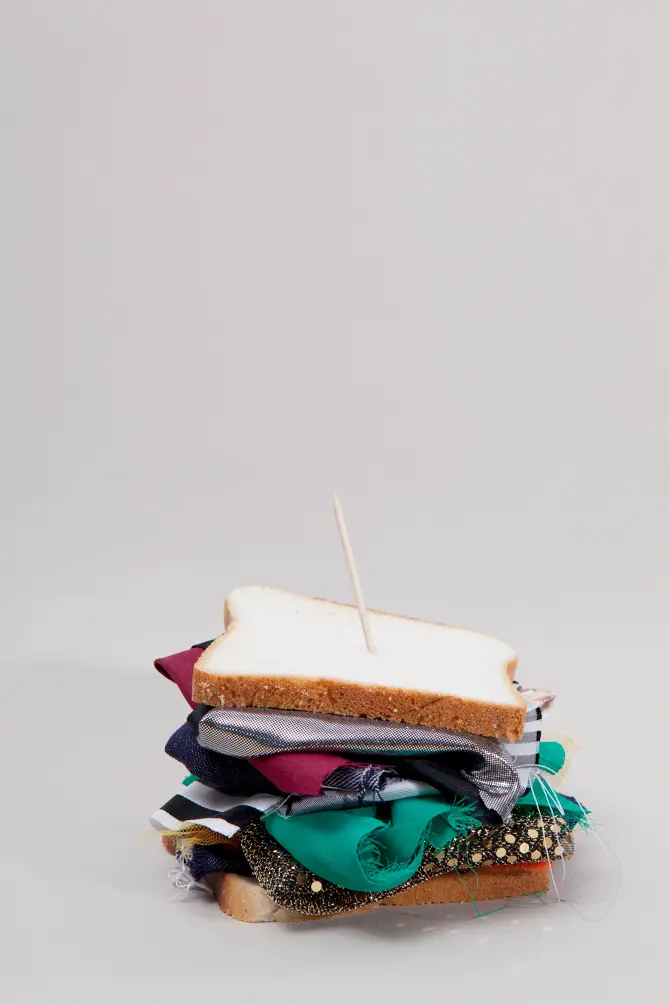
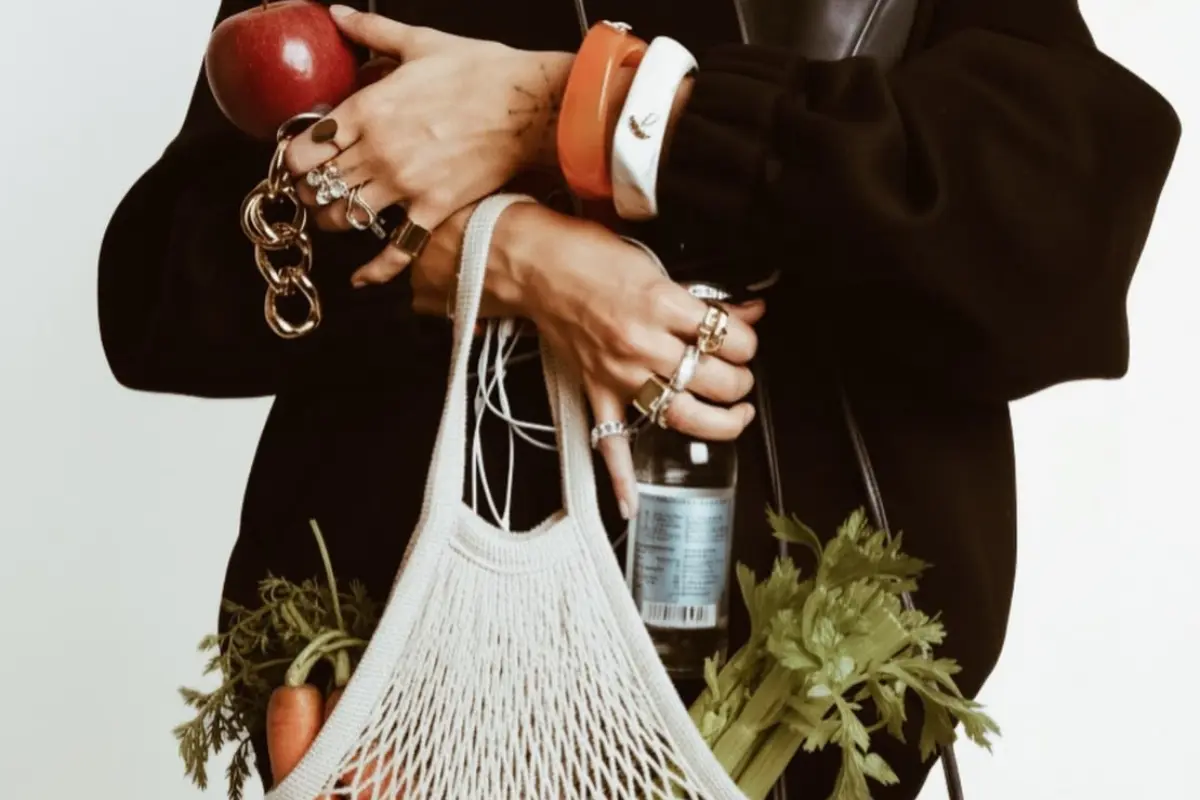
Deeper links began to form as food scarcity made it a status symbol. Now we see editorials with food as set dressing, extremely slim models centred around plates of pancakes, yet not eating as if the excess isn’t an issue. One of the it-bags on people’s minds is a bag of apples. Not apple as a cutesy motif but a hyperrealistic bag of apples. Bag charms have also undergone a transformation, going from Labubus to actual grocery items. For some campaigns, food like toast or fruit is brandished, used as a canvas to get a name out. What is meant for survival, a fundamental human right, has been flattened to something we see on screen, eaten by eyes only.
This aestheticisation, romanticisation, and consumption all stem from our lack. The less we have it, the more we want it. And by using food as a prop, it triggers our primal needs, either riling us up or getting us to associate the food with what a brand is actually trying to sell. It has dug deep within our consciousness and will continue to do so for as long as food scarcity continues. Which is why we need to snap out of it and do better. Because while a global hunger crisis continues, there is evidence that there is plenty of food to feed everyone, showing us that the problem isn’t by chance, but is man-made. So if we can all stop treating food as a prop to toss bait, market, and brand, we will be one step closer to ensuring that food reaches everyone and works with their intended purpose.