As a borderline Gen-Zer myself, I’ll say this first, millennials absolutely had their own thing. They had the phrases, the beauty signatures, the poses, the expressions, the little social codes that defined an era. The difference is that much of it lived in real life first, passed around in friend groups, magazines, music videos and pop culture moments, rather than being performed, dissected and recycled online at lightning speed. Gen Z, on the other hand, is doing all of it in full view of the internet and doing it fast. That is part of why the generation has built this reputation for constantly producing new slang, new beauty cues and new ways of communicating. Everything is more visible, more documented and far more immediate.
Gen Z is also one of the most scrutinised and judged generations, which is why you have to read between the lines here. What is interesting is that none of the phrases and gestures exist in isolation. Gen Z language is tied to aesthetics, beauty is tied to mood, and even a facial expression can become its own cultural signal. It is all about what that phrase says about identity, what that beauty choice says about taste, and what that expression says about how irony, detachment and self-awareness now operate online.
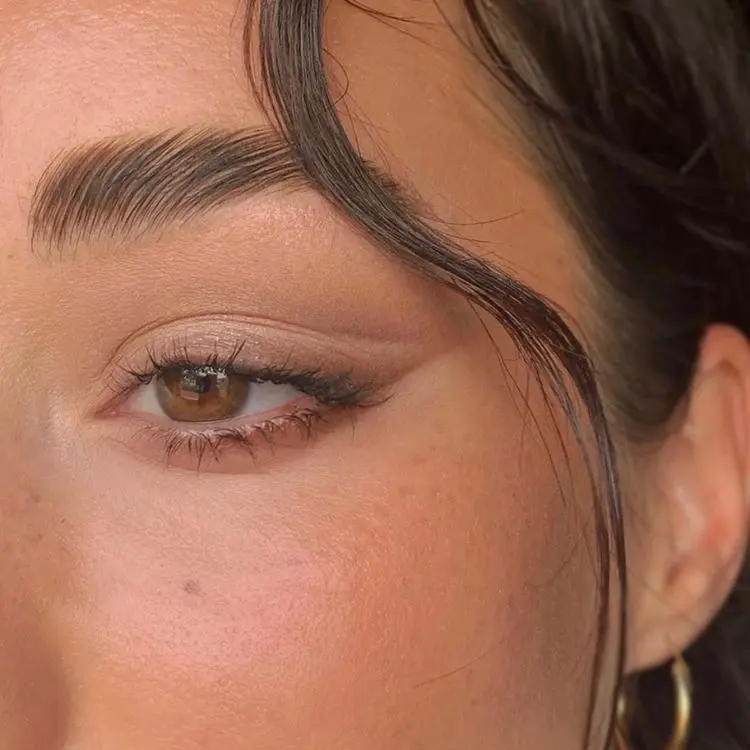
Take beauty, for example. A space where Gen Z is drawing a clear line between its own taste and the beauty codes that came before it. The era of the sharp, almost severe cat eye is loosening its grip, making space for something softer around the edges. Searches for Gen Z eyeliner have been topping Google Trends, with brown eyeliner rising alongside it and being searched more than ever. Coincidence? I don’t think so. Brown liner still gives the eye shape, depth and definition, but without the sharpness of black. The effect is lighter, less try-hard, which sits perfectly with a generation chasing beauty that looks effortless, even when it has been carefully thought through.
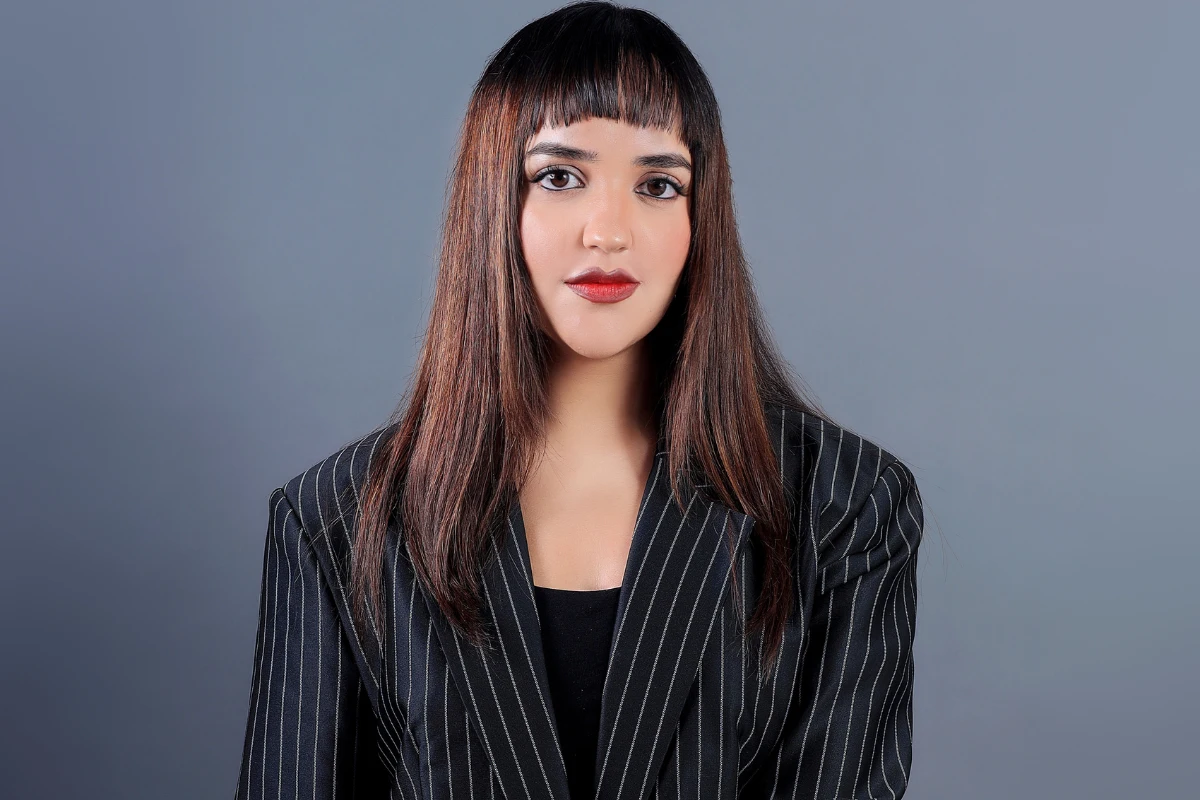
You can see that same shift in the way Gen Z communicates visually too. Search interest in the Gen Z pout broke out over the past month, while what is a Gen Z stare has become one of the most searched questions around the generation, which says a lot in itself. These expressions have moved beyond being passing online mannerisms and into something closer to a shared visual language. The same goes for gestures. Hand scream was the top trending Gen Z gesture in the past month, while finger heart has hit an all-time high in 2026. Together, they point to a generation that communicates mood, humour, irony and affection in ways that are highly visual, instantly legible online and often carried by the smallest movement.
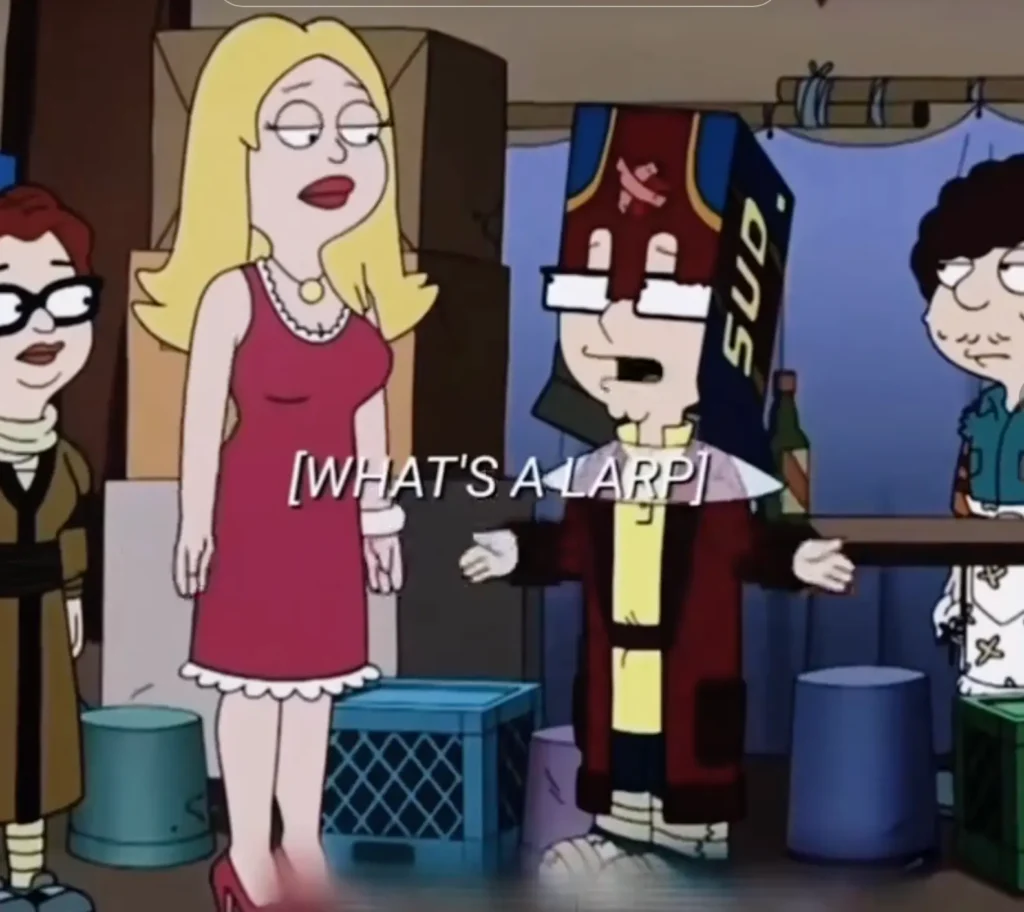
Then there is the slang, which says a lot about where Gen Z’s head is at right now. A big part of the language breaking through in 2026 centres on hyper-individualism and calling out anything that feels off, forced or inauthentic. That is exactly why larping has picked up so much momentum. Interest in larp meaning is now at a 10-year high, and earlier this year larping overtook both faking and pretending in search interest. The appeal of it is obvious. It feels more specific, more online and more cutting, giving people a sharper way to describe someone performing a version of themselves that simply does not feel real.
At the same time, a whole cluster of looks-based terms has been gaining ground too, pointing to just how obsessed internet culture has become with appearance, comparison and social ranking. Frame mogging broke out this year, as did choppleganger, while people searching for frame mogging were also looking up jestermaxxing and looksmaxxing. Even chopped unc has seen a huge spike, up 4,250% over the past year. Strange as these phrases sound at first, they all feed into the same online habit of turning someone’s face, body or overall presence into instant commentary.
And then, sitting among all of that, is you the birthday, (yeah, go on, roll your eyes, no judgements here). The phrase is now at an all-time high and was searched 10x more than ‘main character syndrome’ and ‘main character energy’ over the past month. Where older internet language loved the drama of centring someone as the “main character,” you the birthday feels more playful, more casual and more in tune with the kind of niche, coded praise Gen Z likes to trade online. It is still hype, still approval, still a way of saying someone is the moment, but in a very internet-native way, turning an everyday word into a coded expression of hype.
So no, Gen Z is not the first generation to have its own codes, references and defining tastes. It is just the first to have all of it tracked, amplified and recycled at internet speed. That is what makes this generation feel so culturally loud. The internet is watching in real time as Gen Z builds its own language for taste, identity, irony and approval. A phrase becomes a personality marker, a beauty preference becomes a cultural mood, and a facial expression becomes a whole discourse. In Gen Z’s world, nothing stays small for long, and that is exactly what makes the generation so fascinating to watch.