Growing up, I remember my mother’s beauty box, and I remember how almost every woman seemed to own some version of the same textured plastic case for storing their makeup. It was practical, sturdy, and never designed with display in mind. Beauty storage, at that point, felt purely functional, something kept on a dresser or tucked into a cupboard, bathroom cabinet or under the sink rather than styled, photographed or carried like an accessory.
That, to me, is what makes the current state of the beauty bag so interesting. Because while many of us remember it in its most practical form, beauty storage did not actually begin there.
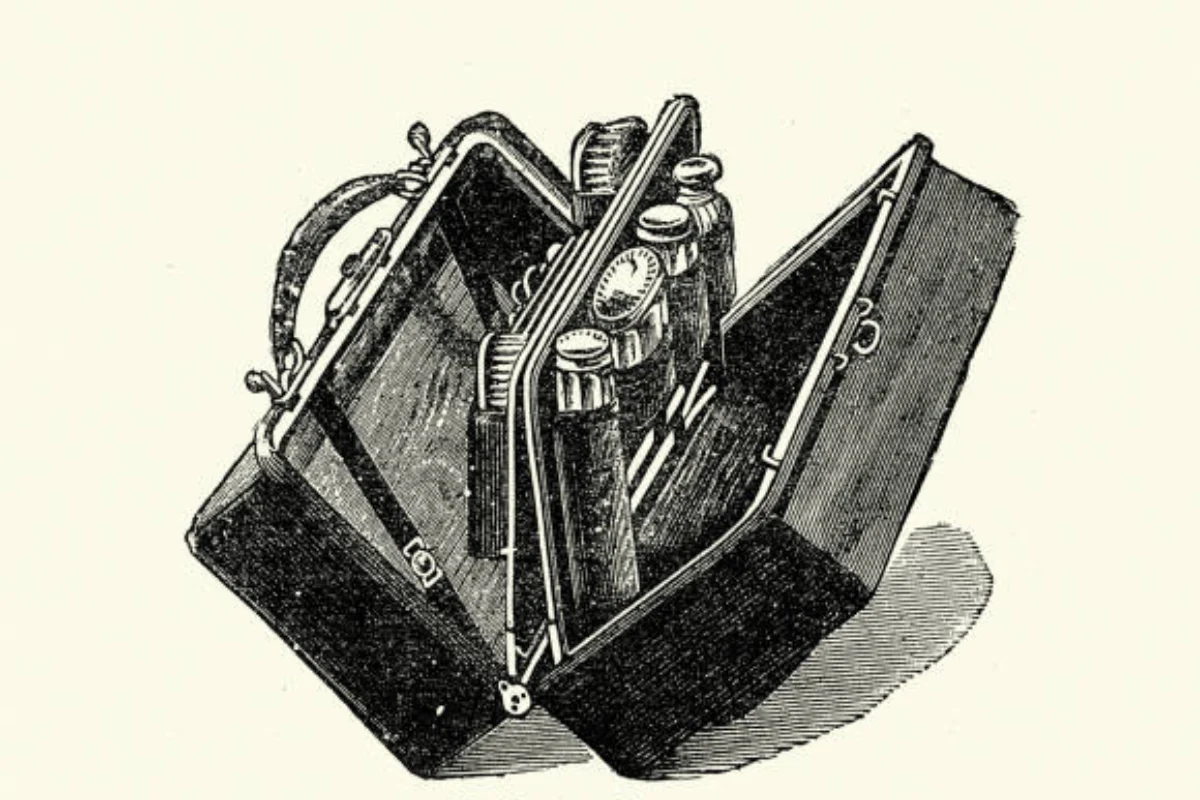
Long before the plastic box and soft zip pouch (and now handbags) came to define it, the beauty bag had a far more dressed-up history. Its earliest ancestors were dressing cases and travel kits made with compartments, structure and intent. In Europe, these were luxury objects before they were everyday ones, tied to travel, ritual and personal presentation, and crafted with the kind of care we now associate more readily with trunks and fine leather goods than with beauty storage.
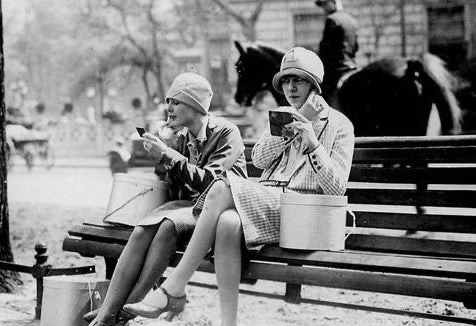
What changed everything was portability. Once beauty became something women could openly carry, reapply and display in public, the vanity case took on a new social role. By the 1920s, it had become slimmer, more decorative and far more glamorous. Women were smoking in public, touching up lipstick after dinner, powdering their noses outside the privacy of the dressing table, and the case itself evolved to meet that moment. It was no longer just a receptacle. It was a companion to modern womanhood, holding powder, rouge, lipstick, cigarettes, money and mirrors, all inside a compact object that was elegant enough to be seen.
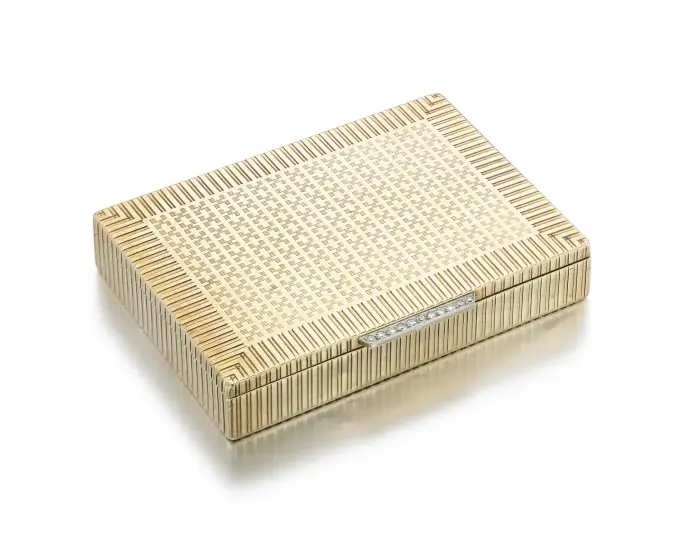
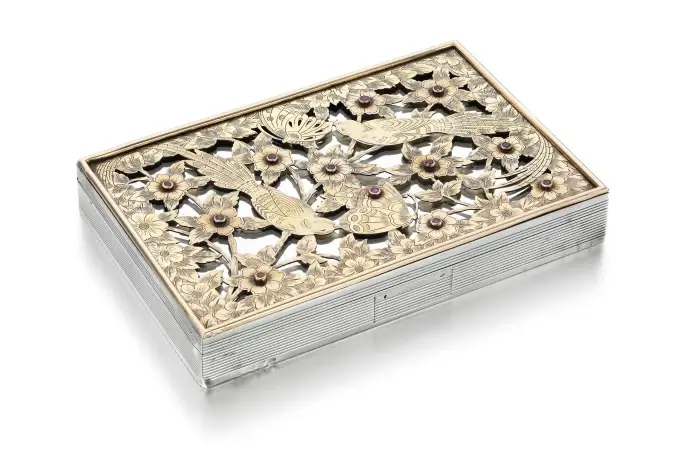
And this is where the story gets good. Contrary to what we remember it as, the vanity case was never simply practical. It very quickly became ornamental, even symbolic. Art Deco pushed it further into fantasy, with bold geometry, jewel-like finishes and precious materials. Some were made by major jewellery houses. Some were so intricate they blurred the line between beauty item and evening accessory.
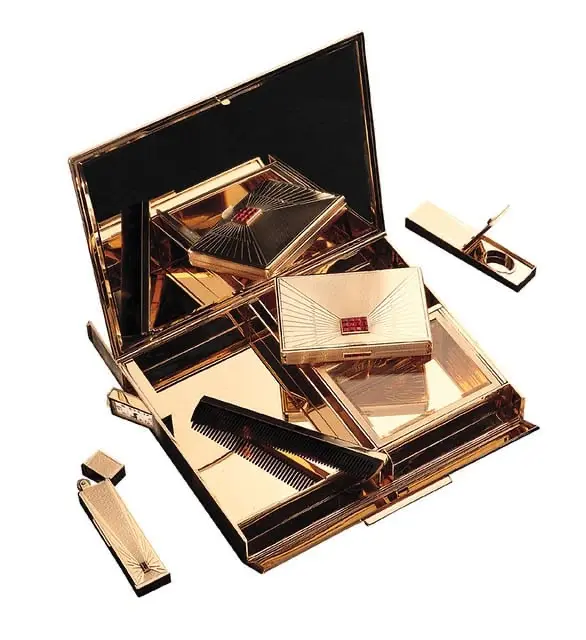
By 1934, Van Cleef & Arpels had introduced the minaudière, a tiny ornamental case that could hold cosmetics and evening essentials in one compact object. It pushed the category further away from pure utility and closer to adornment.
Then, of course, came the fall. Plastic happened, mass production happened, and convenience won. Refillable compartments gave way to throwaway tubes, compacts and packaging, while the structured vanity case slowly lost its place. Somewhere between fast beauty and fast fashion, the makeup bag became softer, cheaper and far less special. It still did the job, but it stopped feeling like an object anyone would admire in its own right.
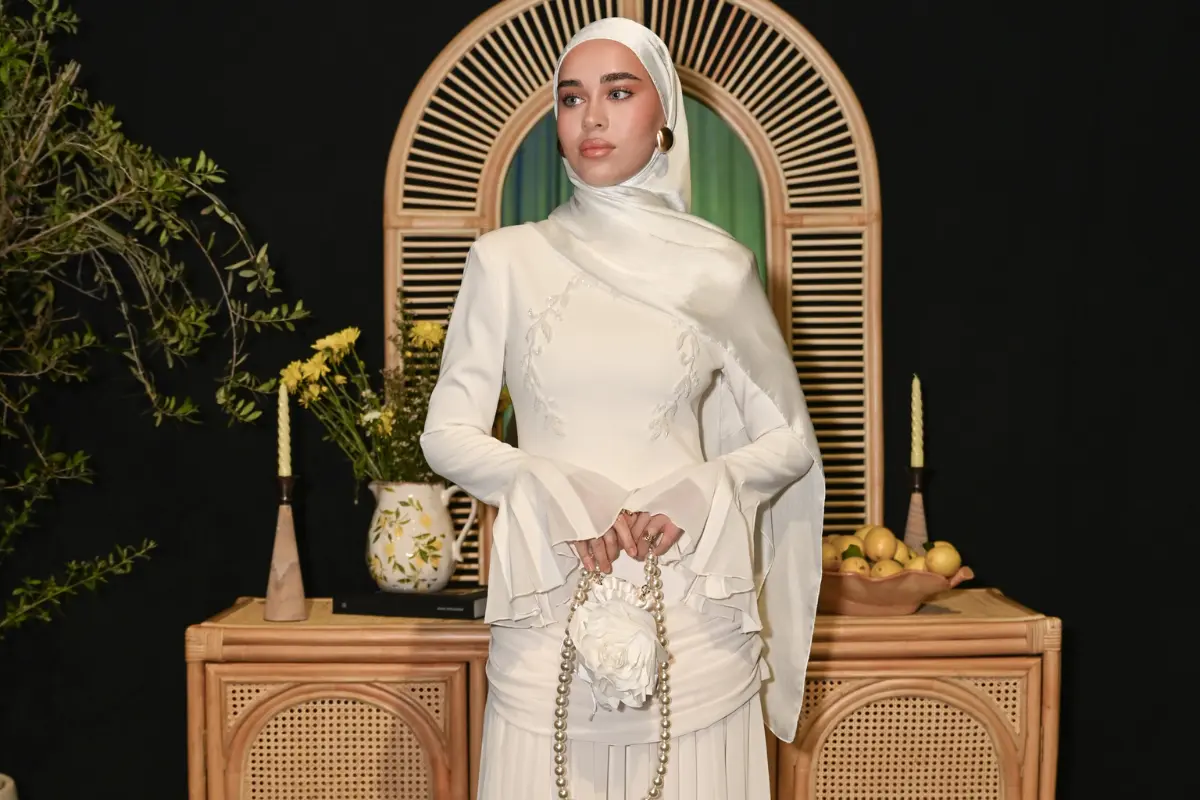
Maybe that is why this current return feels so satisfying. What we are seeing now is a renewed appetite for craftsmanship and beauty objects that feel more considered, reflecting a wider taste for all things curated. The modern vanity-inspired bag sits at an interesting crossroads—part handbag, part beauty case, part nostalgia piece. It speaks to a generation that still wants functionality, but also wants aesthetic reward. The shape matters again. The top handle matters. The compartments matter. The fact that it can sit on a vanity, in a suitcase, or under your arm on the way to dinner matters too.
That crossover makes perfect sense for how beauty is consumed now. Beauty today is visible, documented and increasingly folded into lifestyle storytelling. A makeup bag is no longer something that lives off-camera. It appears in GRWMs, flat lays, airport selfies, bathroom shelf shots and “what’s in my bag” videos. It travels. It gets gifted. It gets colour-dropped. It gets mini versions.
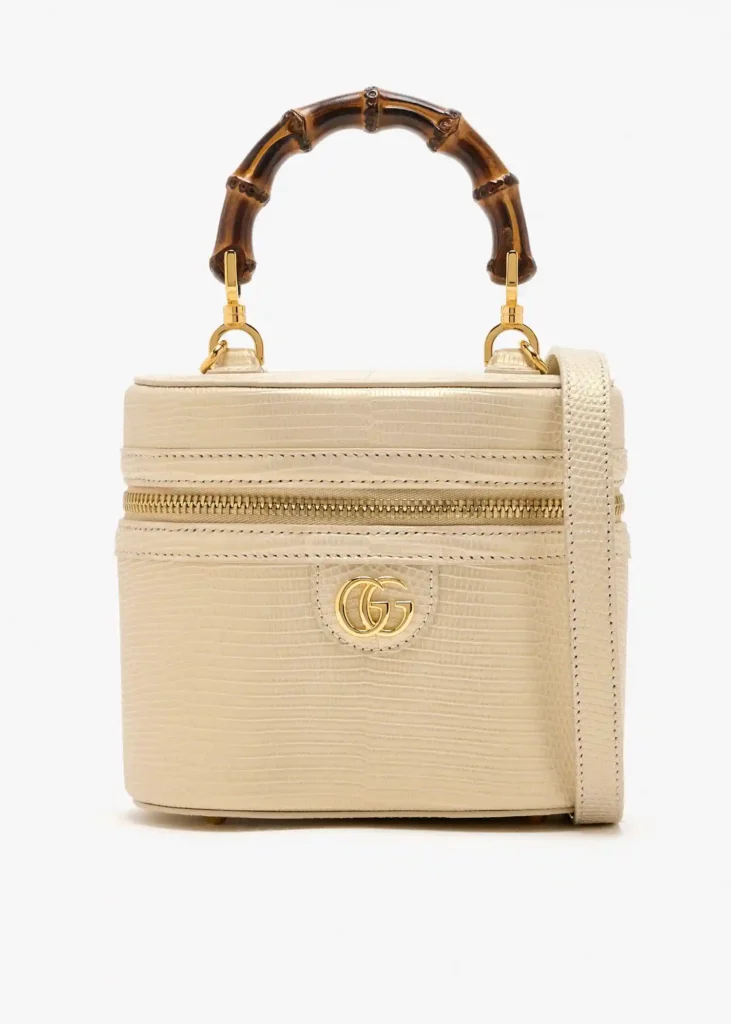
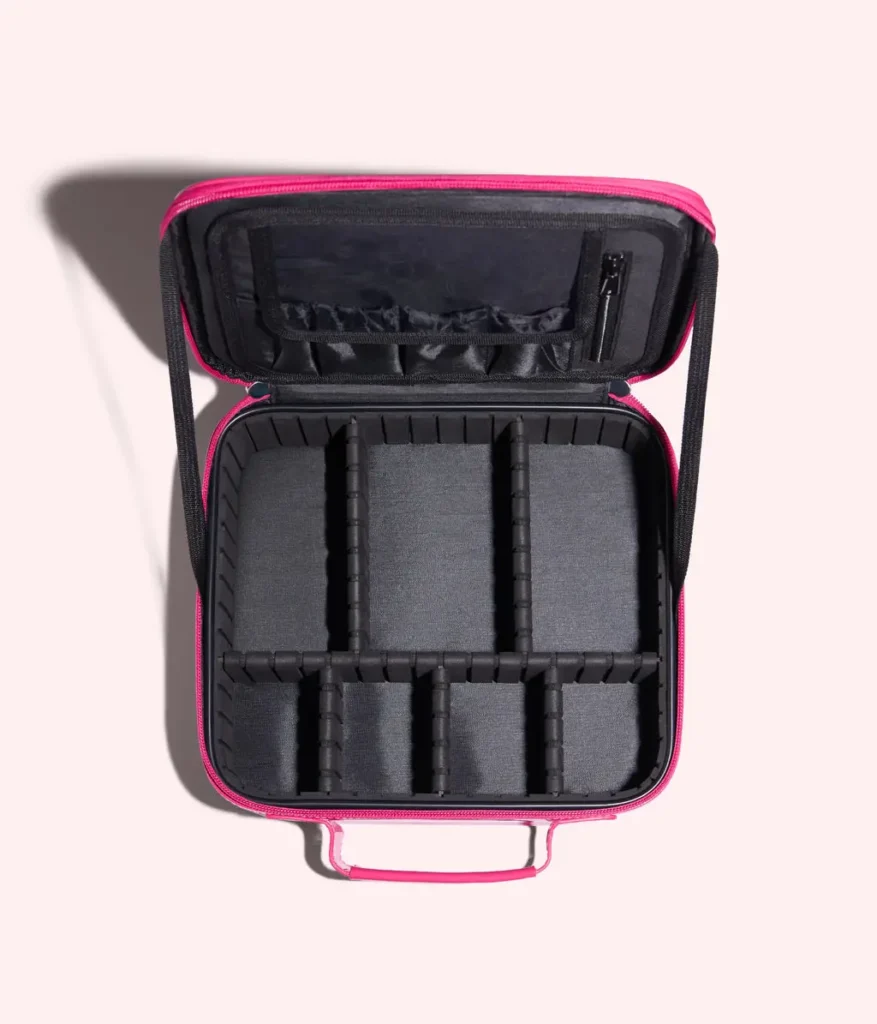
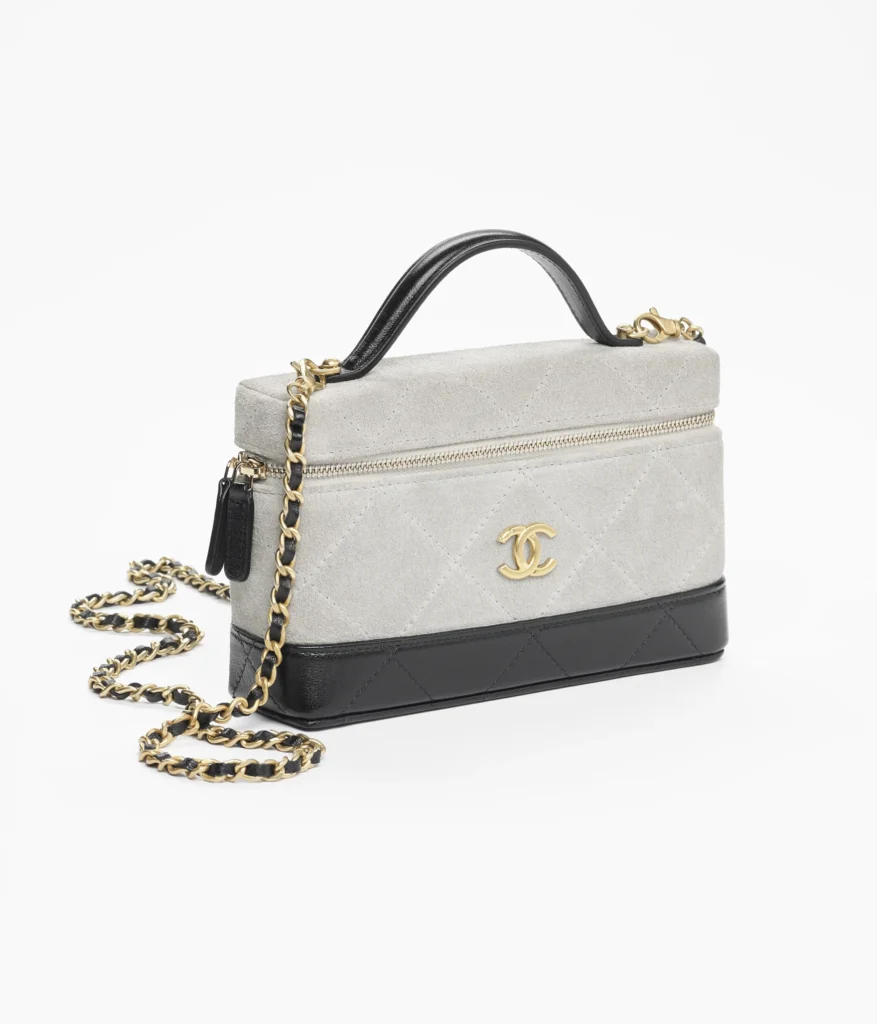
What makes it even more interesting is how many different corners of the market are now in on it. From Sephora to Huda Beauty to luxury fashion houses, everyone seems to be doing their own version of the vanity bag. And that says everything. It is no longer a forgettable extra thrown into the routine. It has become more covetable and, in some cases, valuable enough to slip straight into handbag territory.