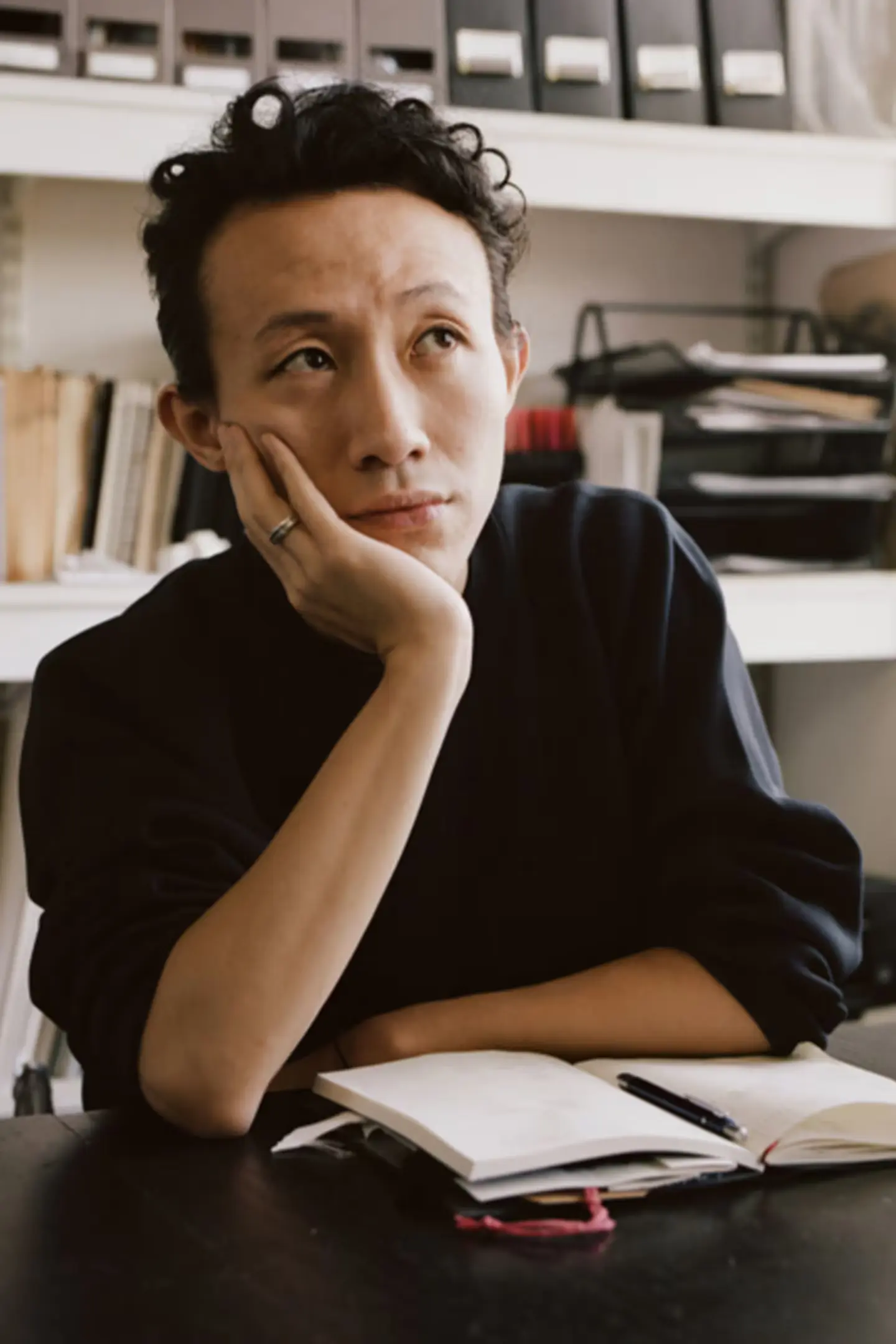
Before Robert Wun became one of the most talked-about names on the 2026 Met Gala carpet, he was already building a universe of his own. Born in Hong Kong and based in London, Robert Wun launched his eponymous label in 2014 after studying at London College of Fashion, carving out a visual language that never treated clothes as simple garments. His work has always belonged somewhere between fashion, cinema, theatre and emotional excavation, with each collection feeling like a scene from a larger story.
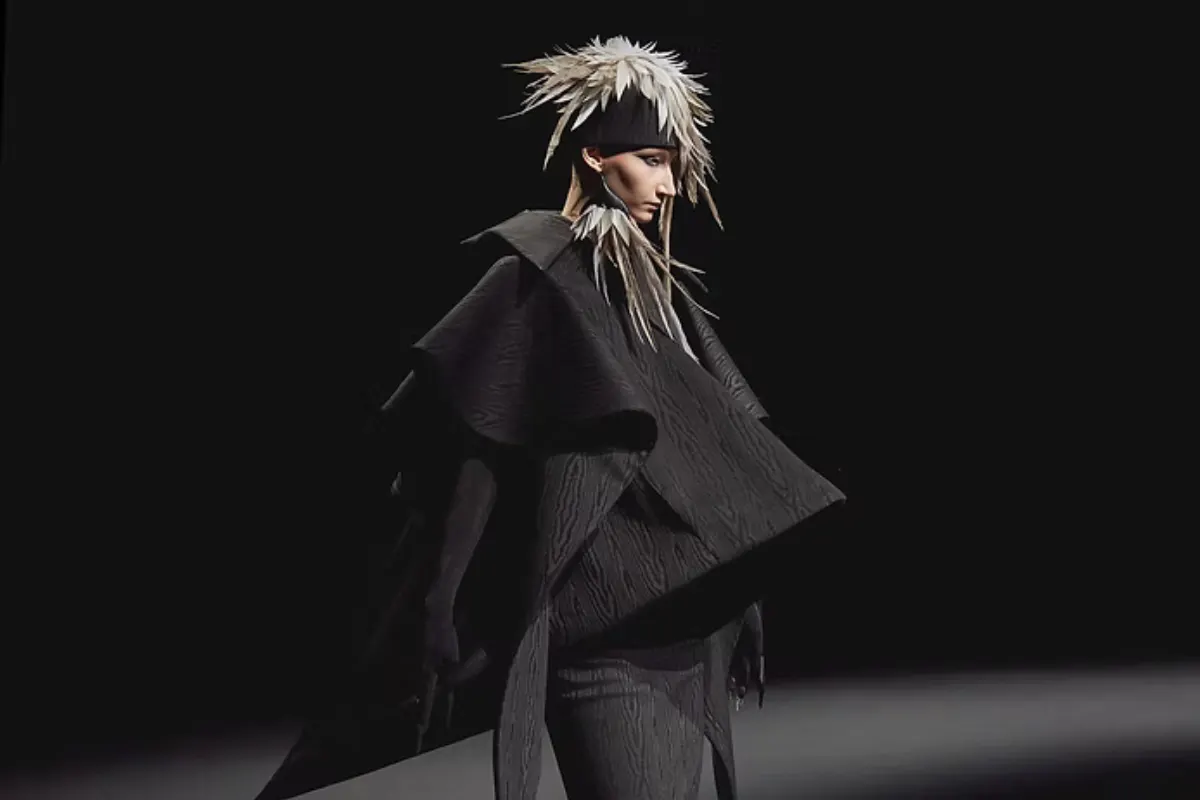
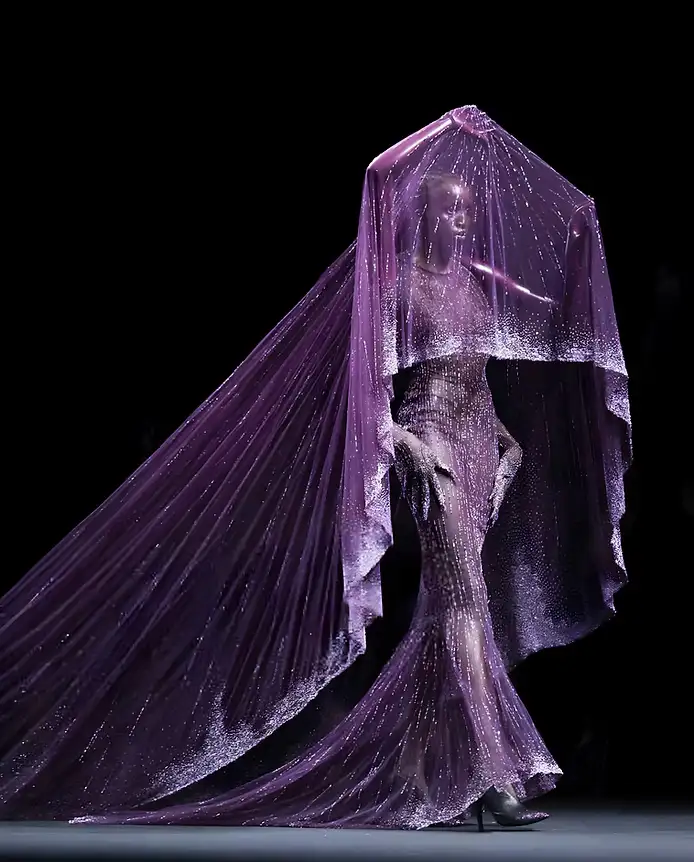
He didn’t enter fashion through the side door of quiet luxury or the revolving door of trends. His designs often look as though something has happened to them, as if they have survived fire, rain, time, heartbreak, violence, memory or transformation. There are umbrellas turned into couture shields, tailoring cut with surgical precision, gowns stained like crime scenes, veils that feel almost ghostly, and silhouettes that move between armour and apparition. His world is dark, romantic, strange and deeply controlled.
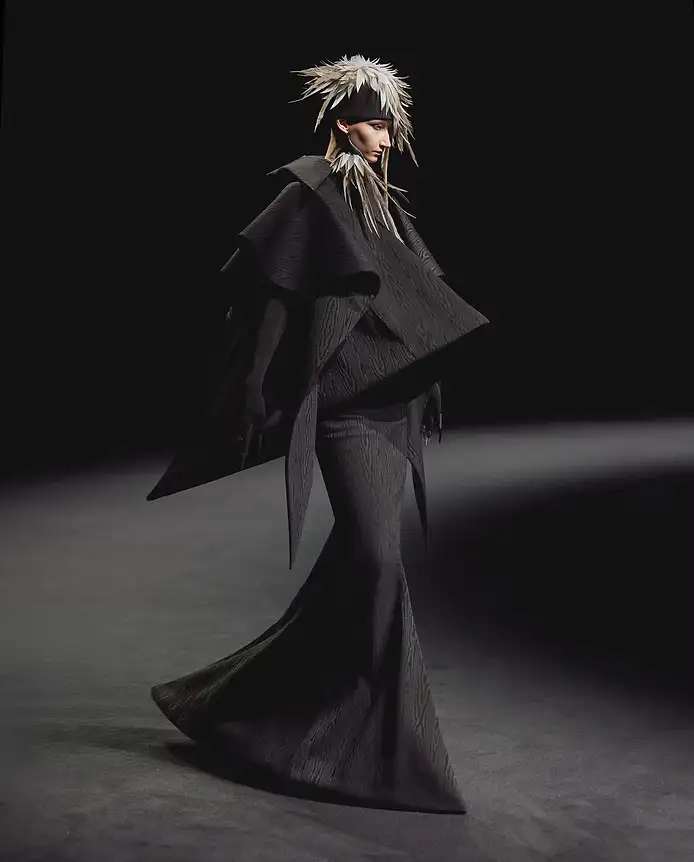
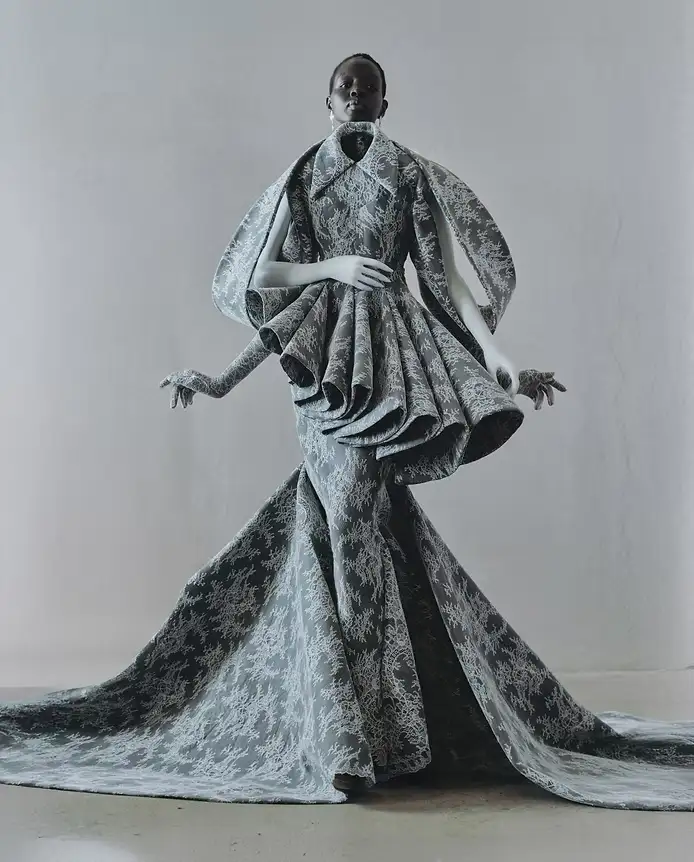
Over the years, some of his most memorable creations have proved why he is so naturally suited to the Met Gala. His rain-soaked and storm-inspired pieces turned weather into fashion drama. His burned and wine-stained couture gowns made damage feel intentional, even beautiful. His horror-tinged collections have explored fear, grief and survival without ever slipping into costume. Even when the reference is theatrical, the construction is serious. That tension is the point. Robert Wun knows how to create fashion that makes an image linger.
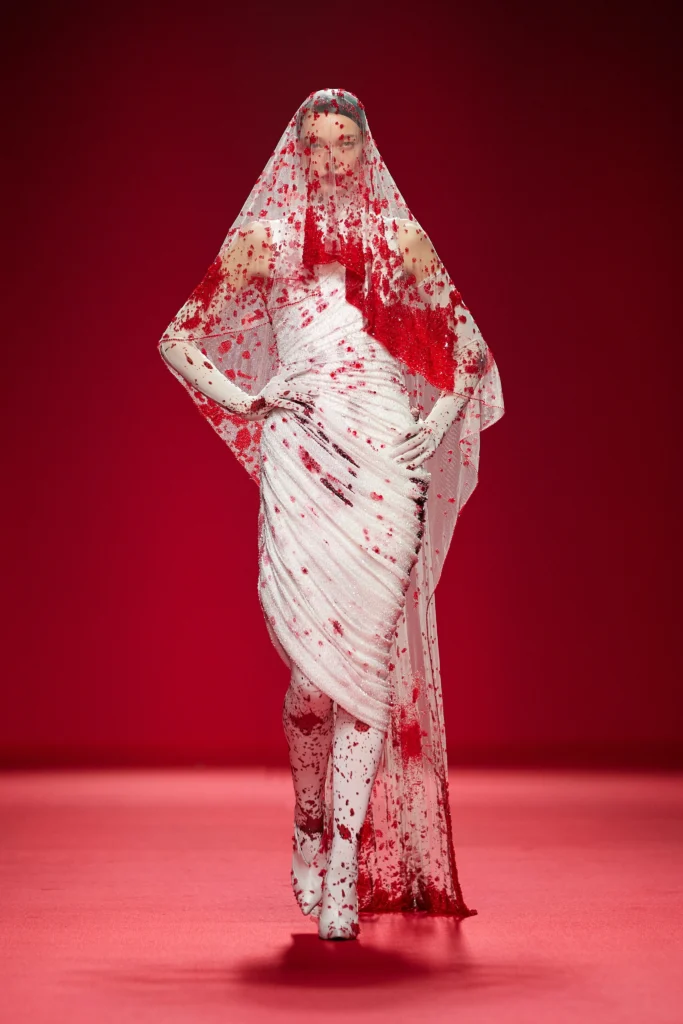
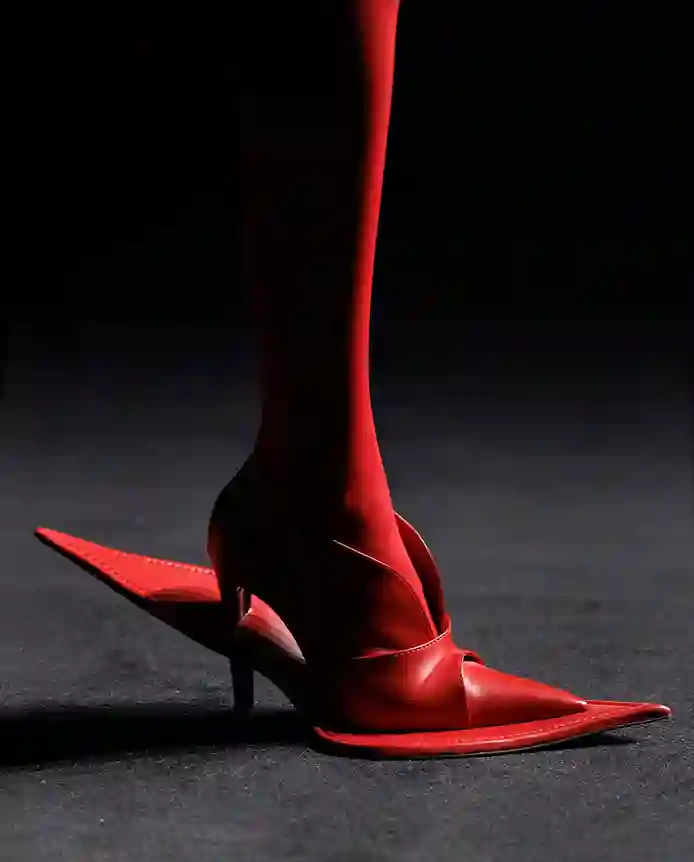
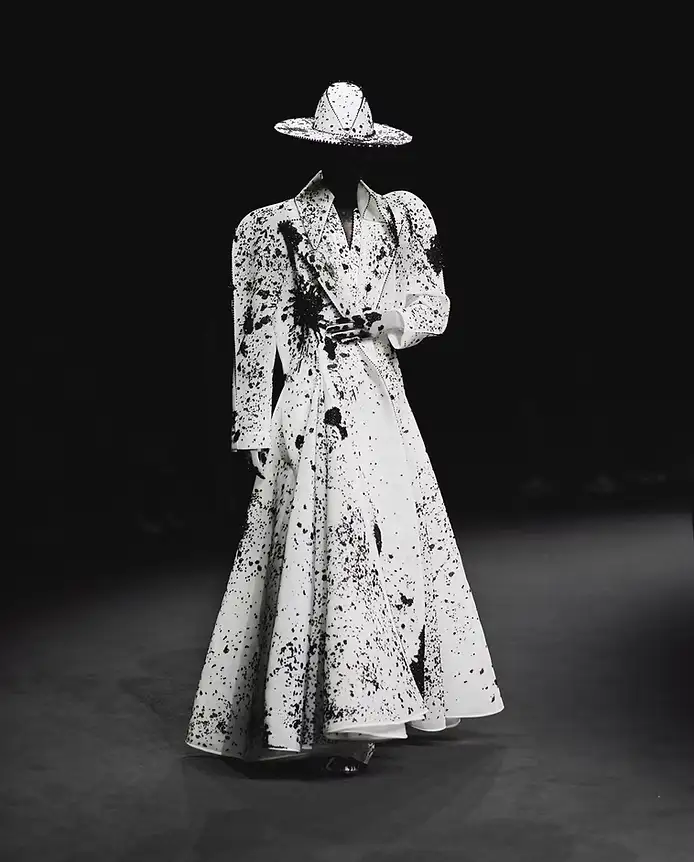
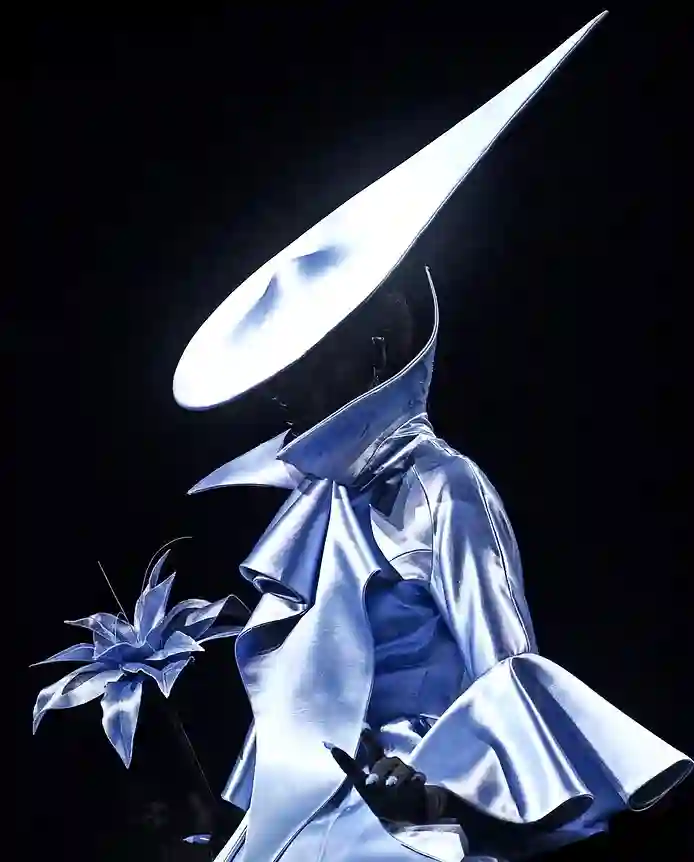
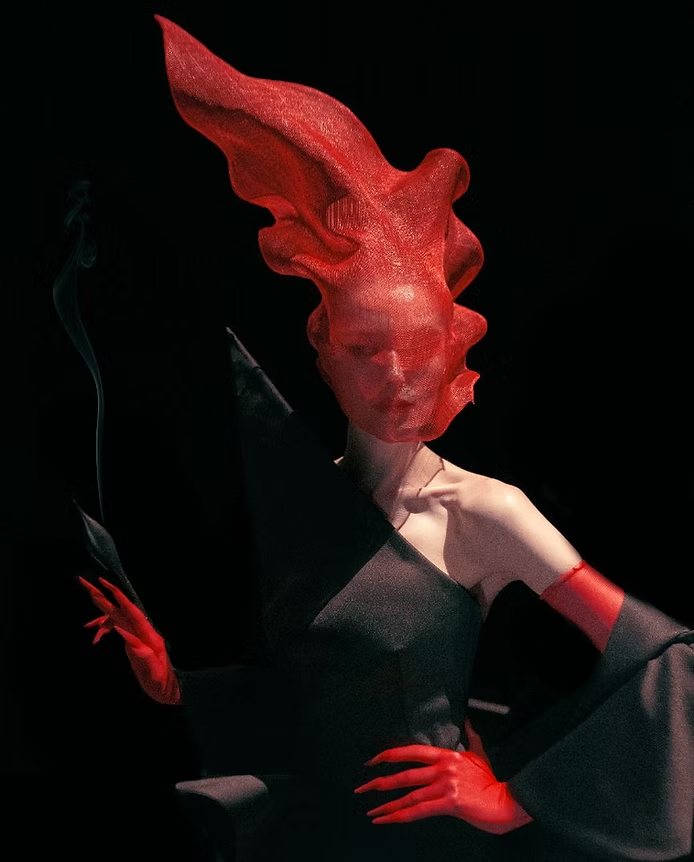
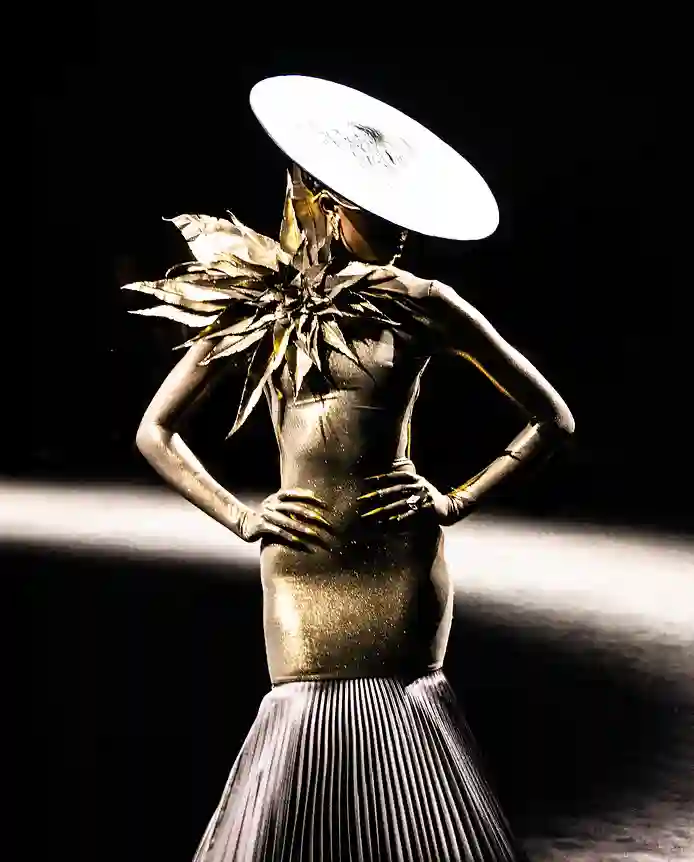
And then came the 2026 Met Gala. While much of the night translated recognisable artworks into red carpet statements, Robert Wun’s work stood apart because it did not need to point back to a painting to feel artistic. True to his own design language, he treated fashion itself as the artwork, with construction, movement, silhouette and emotion doing the speaking.
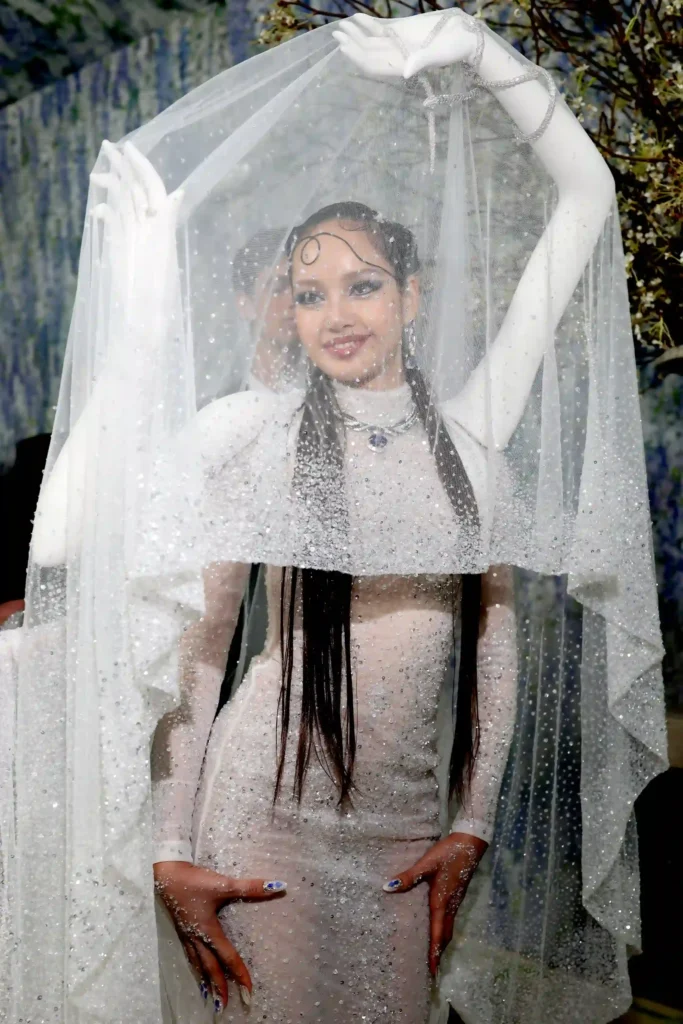
Across the carpet, his work appeared on some of the night’s strongest dressers. Lisa arrived in a custom Robert Wun creation that felt angelic, sculptural and slightly unreal, with a veil held in place by arms inspired by traditional Thai dance. It was delicate at first glance, but the longer you looked, the stranger and more powerful it became. A bridal apparition, a cultural reference, a body doubled into sculpture.
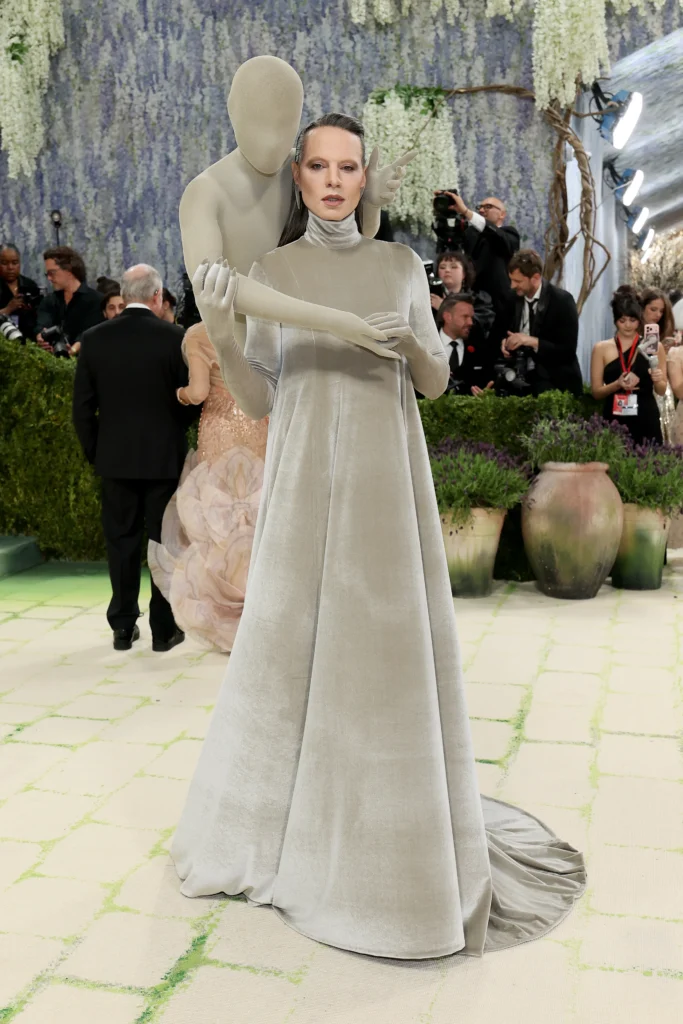
Jordan Roth brought Wun’s theatrical instincts to one of the night’s most moving fashion statements. His slate-grey velvet look featured a sculptural figure attached to his back, creating the impression of a body carrying another body, or perhaps a past self refusing to disappear.
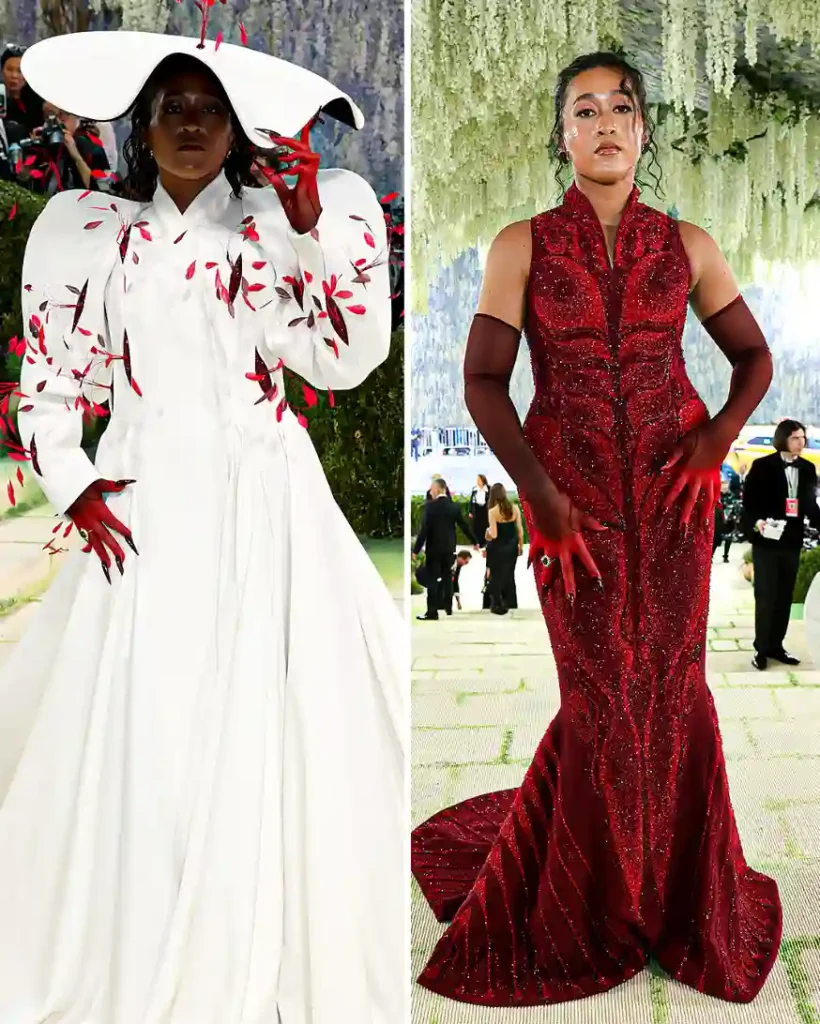
Naomi Osaka delivered one of Wun’s most memorable reveals of the evening, stepping out in an ivory outer layer before exposing a crystallised red body beneath. It played with anatomy, protection and exposure, turning the idea of the dressed body into something almost X-ray-like. The designer’s fascination with what lies beneath the surface was on full display here.
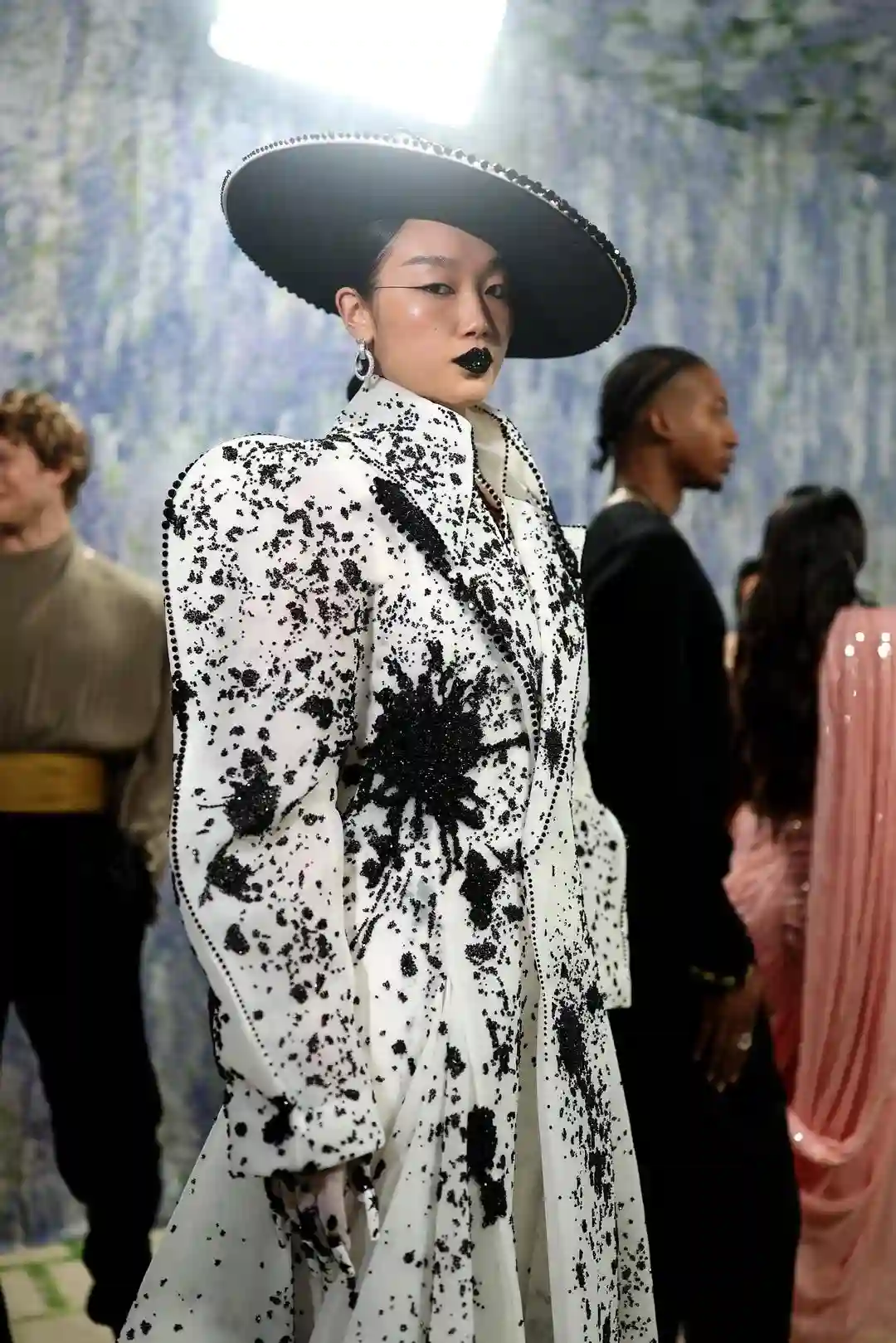
Elsewhere, his language continued to unfold. Audrey Nuna wore a white coat and wide-brimmed hat marked with dark crystal stains, giving the look an eerie forensic glamour. Nichapat Suphap leaned into art history with a kinetic gown that referenced Michelangelo’s The Creation of Adam, complete with moving hands across the body. Ananya Birla made her Met debut in a look that mixed sharp tailoring, volume, metallic headgear and claw-like jewellery, while Gustav Magnar Witzoe wore a black-and-white anatomical piece that turned menswear into a study of muscle and form.
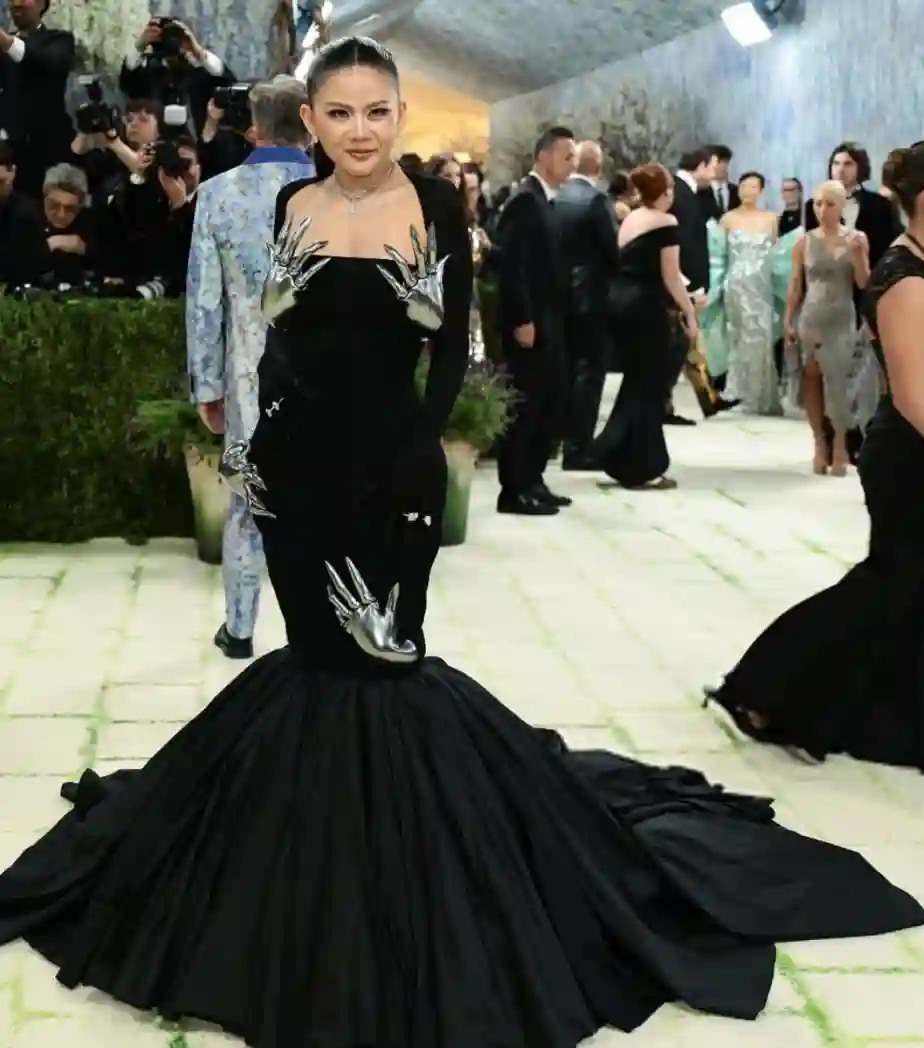
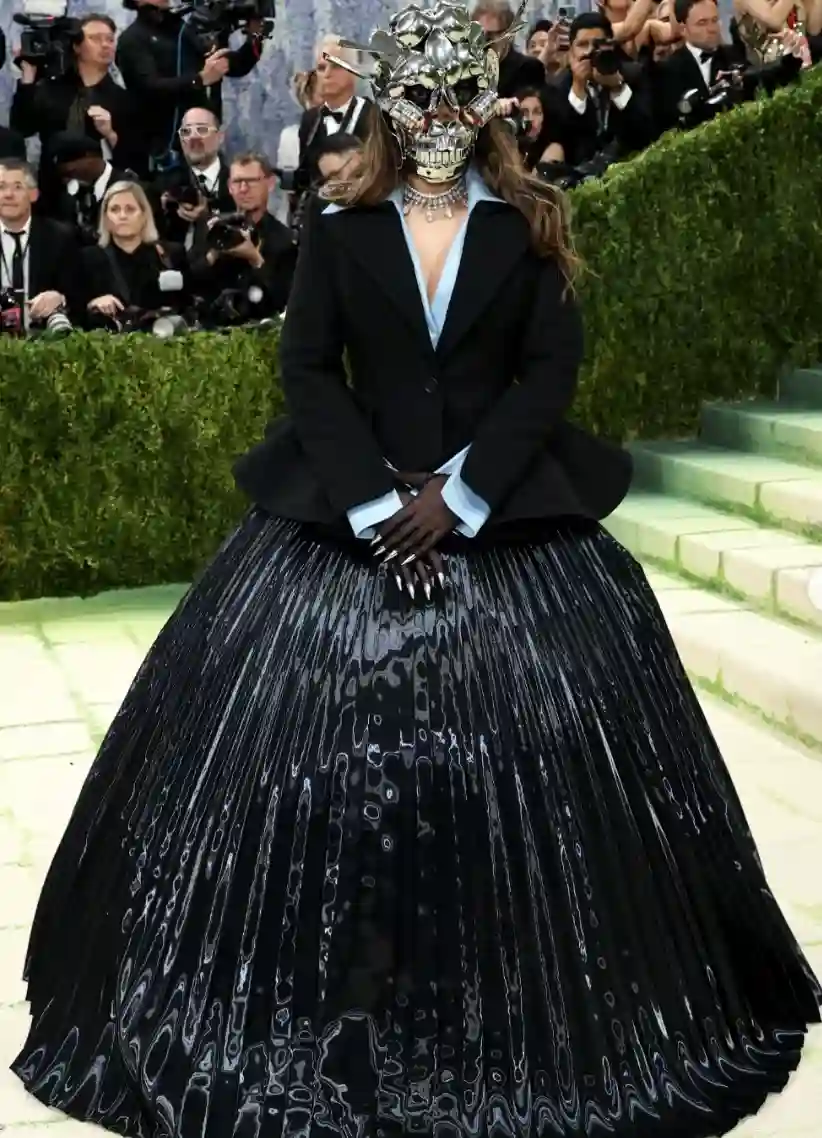
What made his Met Gala presence so powerful was not simply the number of people he dressed. It was the clarity of the vision. In a night where many guests interpreted art as something to reference, Wun interpreted it as something to become. His looks did not feel like celebrities wearing concepts pasted onto fabric. They felt like characters inside a living exhibition.
That is why the real winner of the 2026 Met Gala was not one star, one gown or one viral close-up. It was Robert Wun, the designer who understood that the carpet is at its best when fashion gives us something to think about after the flashbulbs fade.