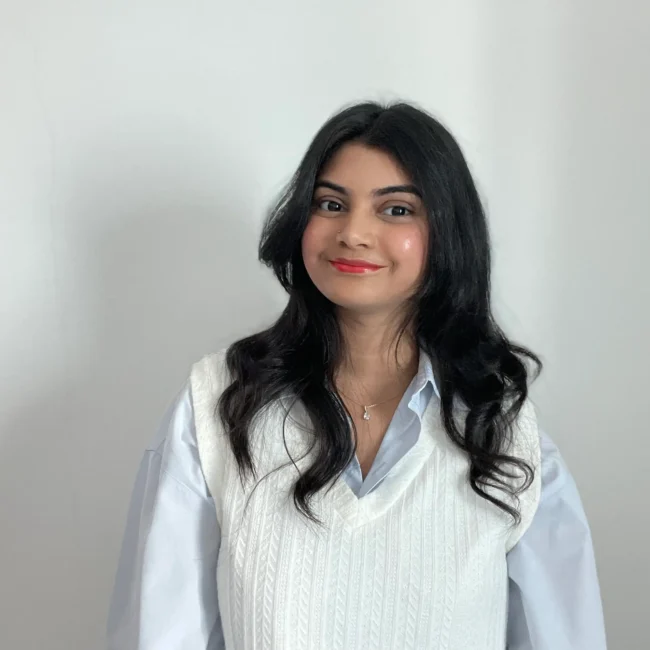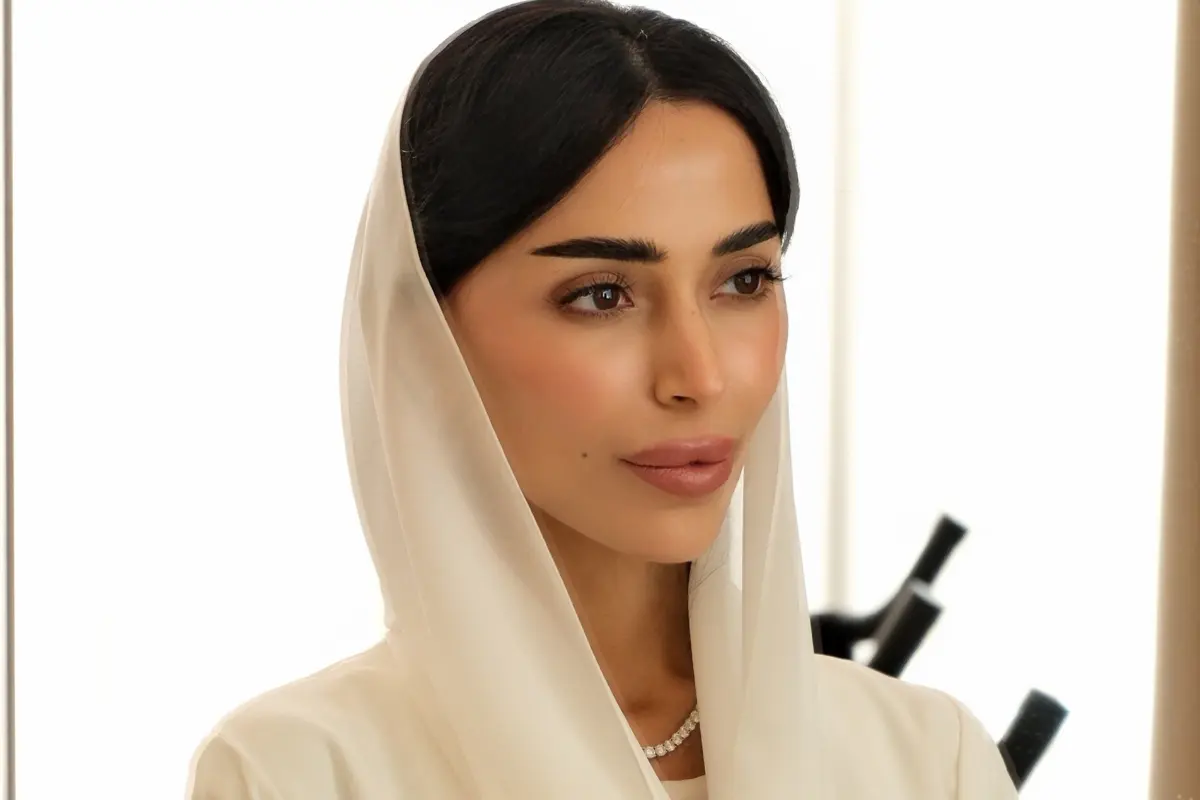
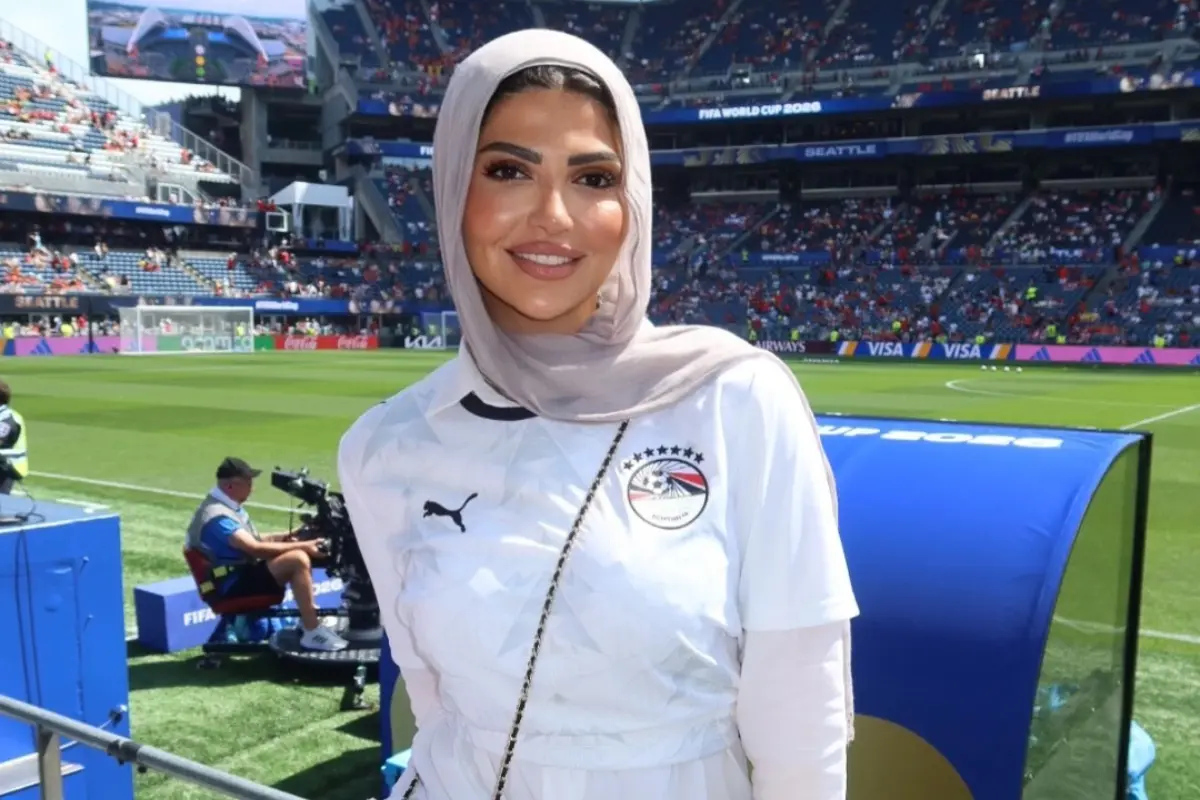
Robert Wun at the Australian Open. Chrome Hearts at the NBAs. Chanel Maxi Flaps worn by The France National Football Team and custom Gucci gowns at the Formula One Grand Prix of Monaco. At the same time, there is the who’s who at the paddock, celebrities are choosing courtside seating instead of private VIP boxes, and the standard influencer can be found at the football stands. After the trend of people using AI to make themselves attend baseball games, it seems even more prominent that sporting events have become the latest canvas for fashion and pop culture, besides fashion weeks, film festivals, and award shows.
While it is more noticeable now, the intricate relationship between sports, fashion, and culture has always existed. In the UK’s Regency era, horse riding was where people went to be seen, courted, and foster deals. Whereas sports like tennis and F1 come with royal history and exclusive rooms. Team sports like basketball and football showcased national pride and community, making the desire to be seen at these events a presentation of alignment. Previously, the ones holding cultural capital at these events were mainly WAGs, AKA the Wifes and Girlfriends of the players. While some WAGs like Alexandra Leclerc, Jordyn Woods, and of course, Victoria Beckham push fashion forward, there has been a radical change between sports and fashion, and how we choose to consume and interact with it.
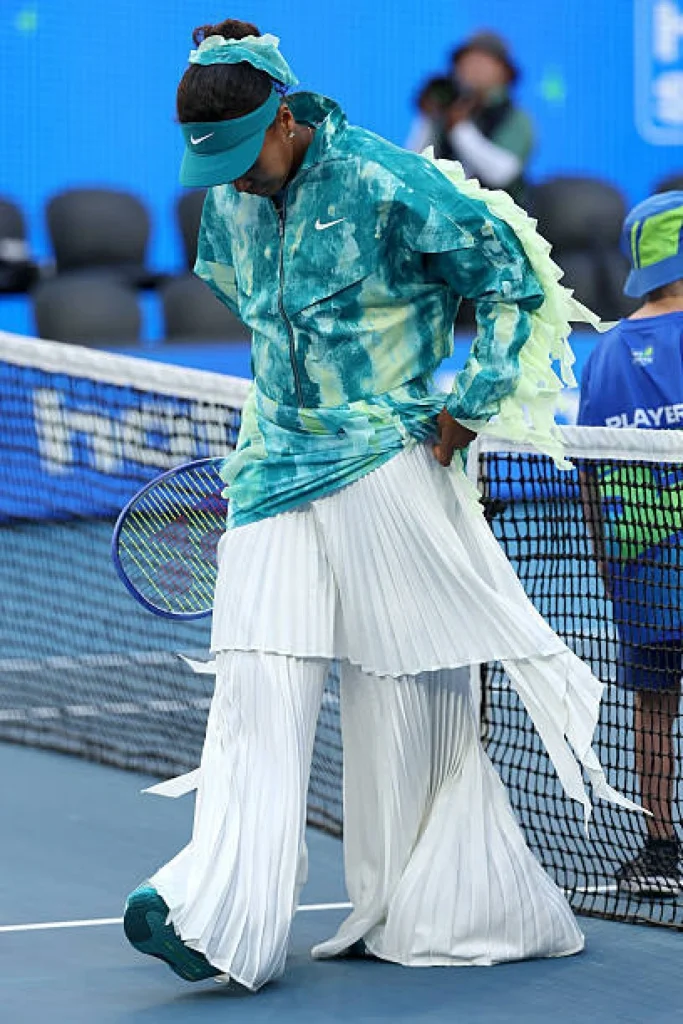
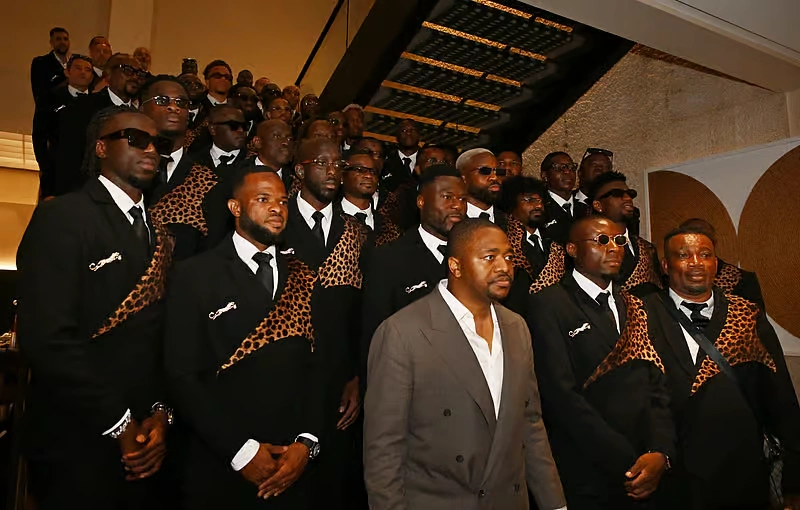
The internet has broken the exclusivity barrier that broadcast stations would once foster, giving us an inside look and creating a new culture out of that. And e-celebrities like YouTubers, streamers, and influencers are the ones at the forefront, creating these moments of culture that keep the sport fresh in people’s minds. Whereas the players themselves bring on another avenue of cultural capital. Sports jerseys sparked the beginning of ‘blokecore’, while team colours have added to colour trends. Blue, fresh off the press from The Devil Wears Prada 2, is back again on people’s minds because of the Knicks winning the NBA after 53 years and again for Curaçao making their debut in the FIFA World Cup 2026. Besides that, players themselves have begun taking an active approach to creating cultural moments. 26 years ago, that was David Beckham appearing in a buzzcut and making headlines. Now it’s Naomi Osaka using her tennis court for avant-garde designs, Lewis Hamilton using the F1 paddock as his catwalk, and national teams turning the uniform into a conversation starter on cultural clothing.
Luxury brands have noticed and followed the shift as well. More and more collaborations with sportswear brands are being announced, while maisons such as Loewe and Jacquemus are the official designers for Spain’s and France’s football jerseys. Dior has recently put out a wellness line, while LVMH has entered into a 10-year sponsorship deal with Formula 1.
While the game continues to be a series of action, what happens beyond has become a supplementary world of its own. With the internet taking what broadcast networks often cut, now every moment is an opportunity for something more. What is worn to the games signals what’s being said without even saying anything, while showing up becomes the latest social currency against AI-generated versions that made a blip in social media trends last month.