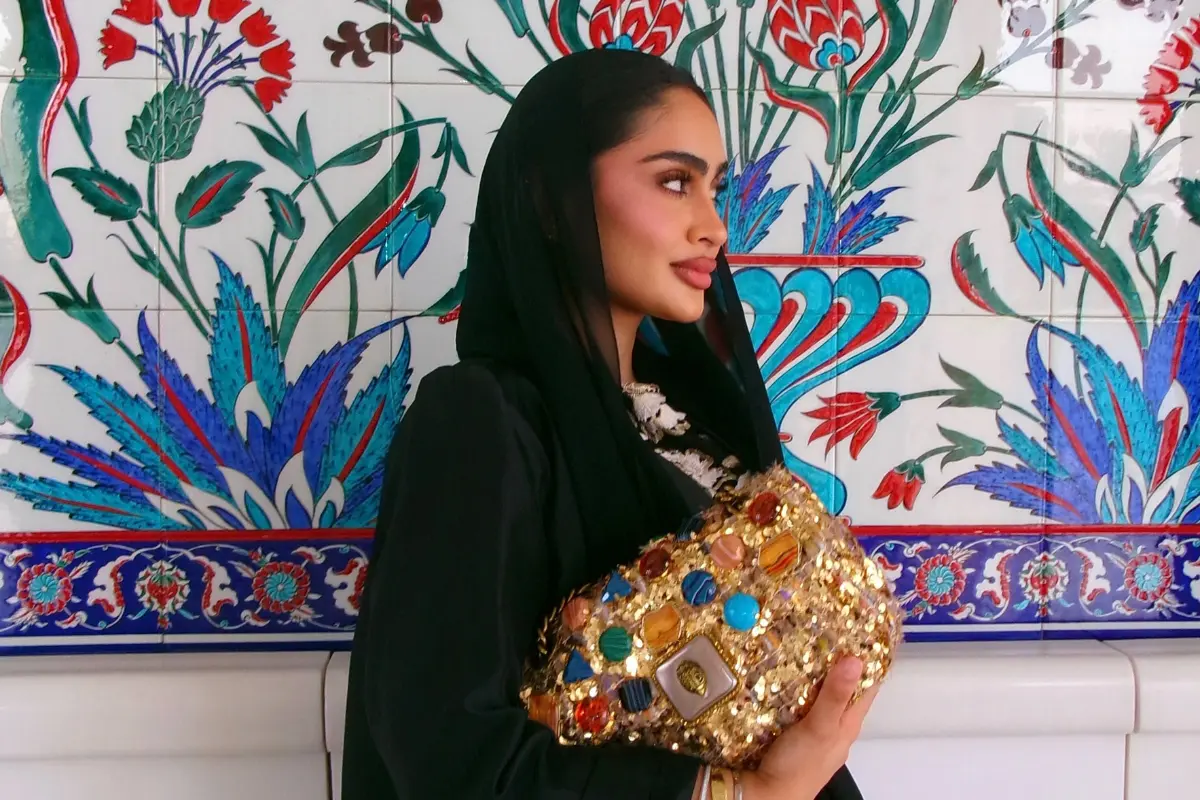
For a long time, being fashionable online mostly revolved around appearing attractive, or desirable. Every few months, a new style would emerge, claiming to turn us into the internet’s newest craze. Clean girl. Mob wife. Tomato girl. Office siren. The names changed, but the goal remained the same: to be visually appealing and make it to someone’s Pinterest board.
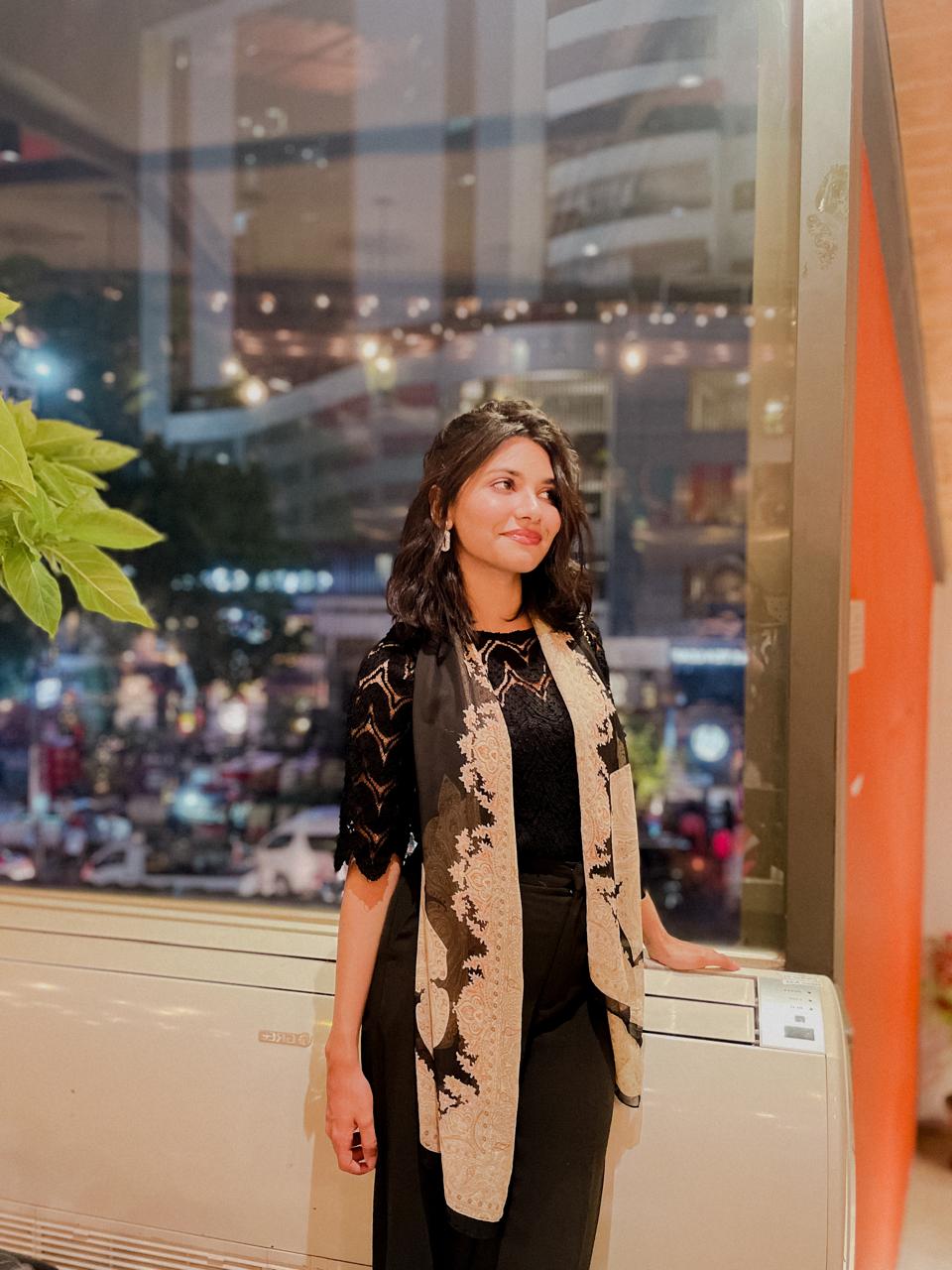
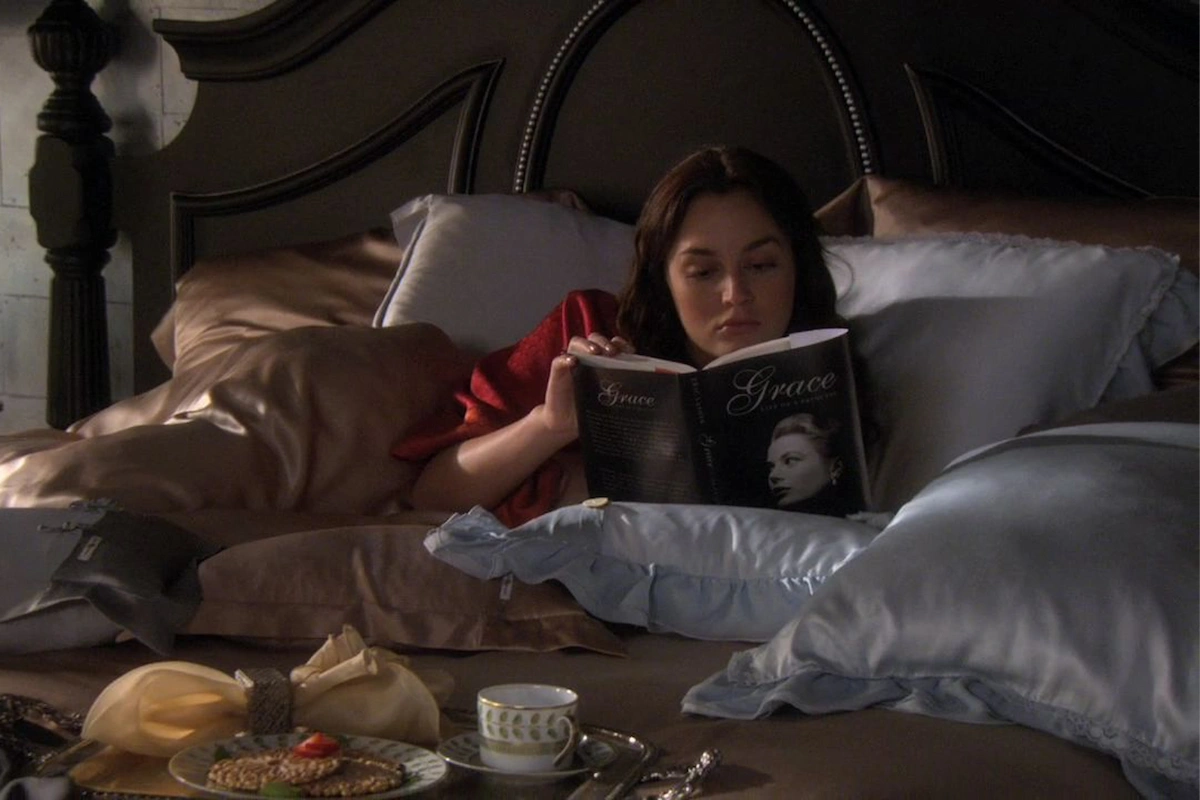
Things have been changing. The women filling my feed are still impeccably dressed, but now they’re carrying novels instead of micro bags. They’re taking selfies in libraries, annotating paperbacks in cafés, styling oversized blazers with wire-rimmed glasses, and posting bookshelves as often as outfit photos. At some point, it became trendy not only to appear stylish but also to seem as though one has something meaningful to share.
As an English Literature student, I’ve found this shift fascinating. For many years, reading felt like a personal and somewhat hidden activity. However, now books have become a visible element in the world of fashion, part of its visual expression. Sometimes I can’t tell whether people are dressing because they read, or reading because it’s become part of getting dressed.
Dressing Like You Have References
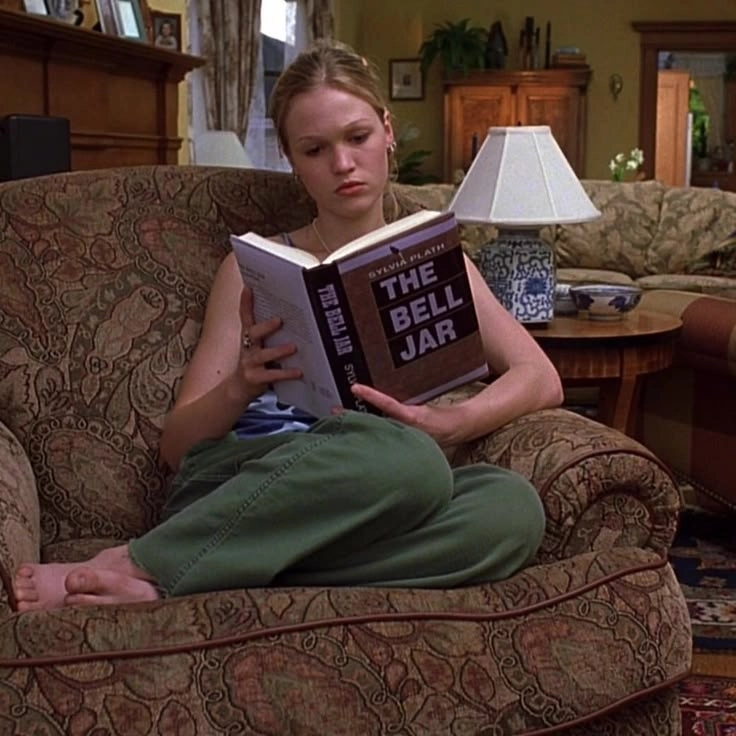
Fashion has always borrowed from academia. Tailored blazers. Penny loafers. Pleated skirts. Leather satchels. Buttoned-up shirts. These pieces have existed for decades, but today they carry a different kind of symbolism. They no longer simply indicate good fashion; they also represent intellect.
The same goes for what’s tucked beneath someone’s arm. A well-worn edition of The Vegetarian. Notes scribbled into the margins of Cleopatra and Frankenstein. A fountain pen peeking out of a tote bag. Books have quietly become accessories, not because literature is superficial, but because culture itself has become visible.
The most admired women on the internet today do not just focus on looking fashionable. They look like they’d recommend a film you’ve never heard of, introduce you to an author before others catch on, or vanish for the day because they’re deeply engrossed in a book.
Whether that’s true almost feels beside the point.
The Fashionification of Intellect
In the past, luxury was commonly recognized by its logos. Now it often announces itself through taste. Not necessarily an expensive taste, but rather a cultural taste.
We are witnessing this trend in many places. Reading corners designed as carefully as living rooms. Bookshelves colour-coordinated like wardrobes. In cafés, the novel often holds almost as much importance as the coffee. Fashion campaigns are increasingly drawing from the visual elements associated with publishing, libraries, universities, and traditional media.
The aesthetic isn’t trying to communicate wealth. It’s trying to communicate something deeper, an inner world. That’s why, perhaps, it feels so compelling.

But Can Curiosity Be Curated?
Of course, there’s an irony here. Social media rewards images, not effort. A beautifully photographed copy of Pride and Prejudice will often travel further than a thoughtful conversation about why it has endured for over two centuries. It’s easier to post a stack of books than to spend weeks slowly making your way through one. Books have been becoming props. Symbols. Identity markers.

Certain titles, such as those from classic literature, philosophy, and literary fiction, carry cultural weight before they’re even opened. Owning them can signal curiosity without requiring the more subtle, less visible work of actually reading them.
As someone who spends most of her days surrounded by literature, I find that distinction interesting rather than frustrating. Reading has never been something you can prove through a photograph. The real experience happens long after the story has been posted.