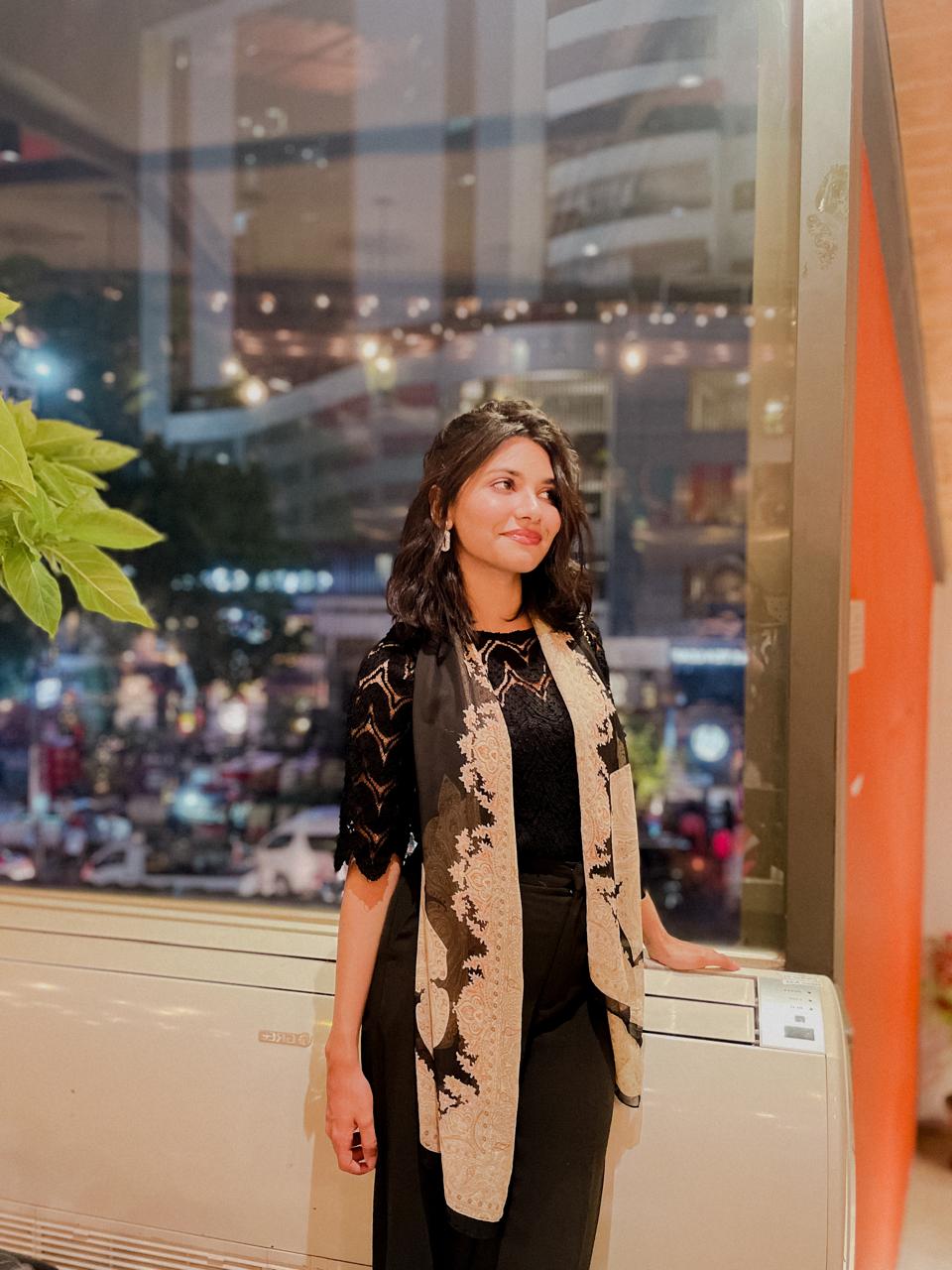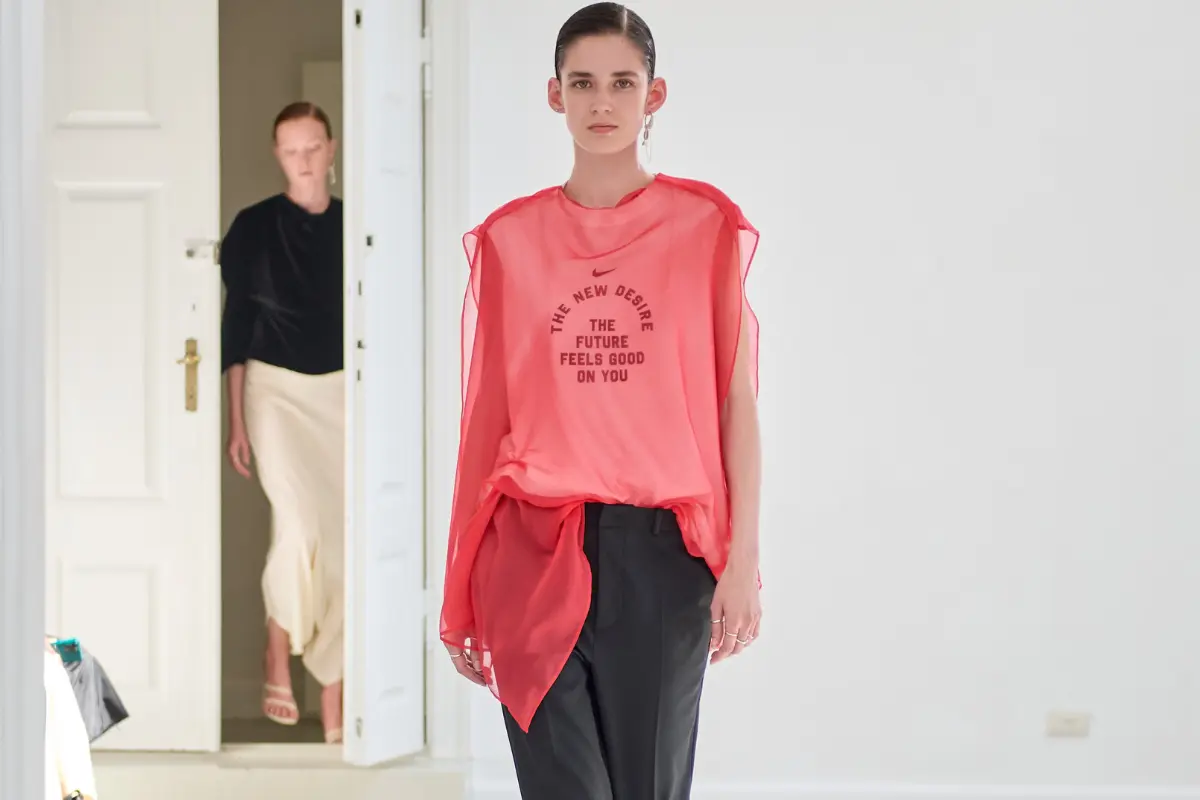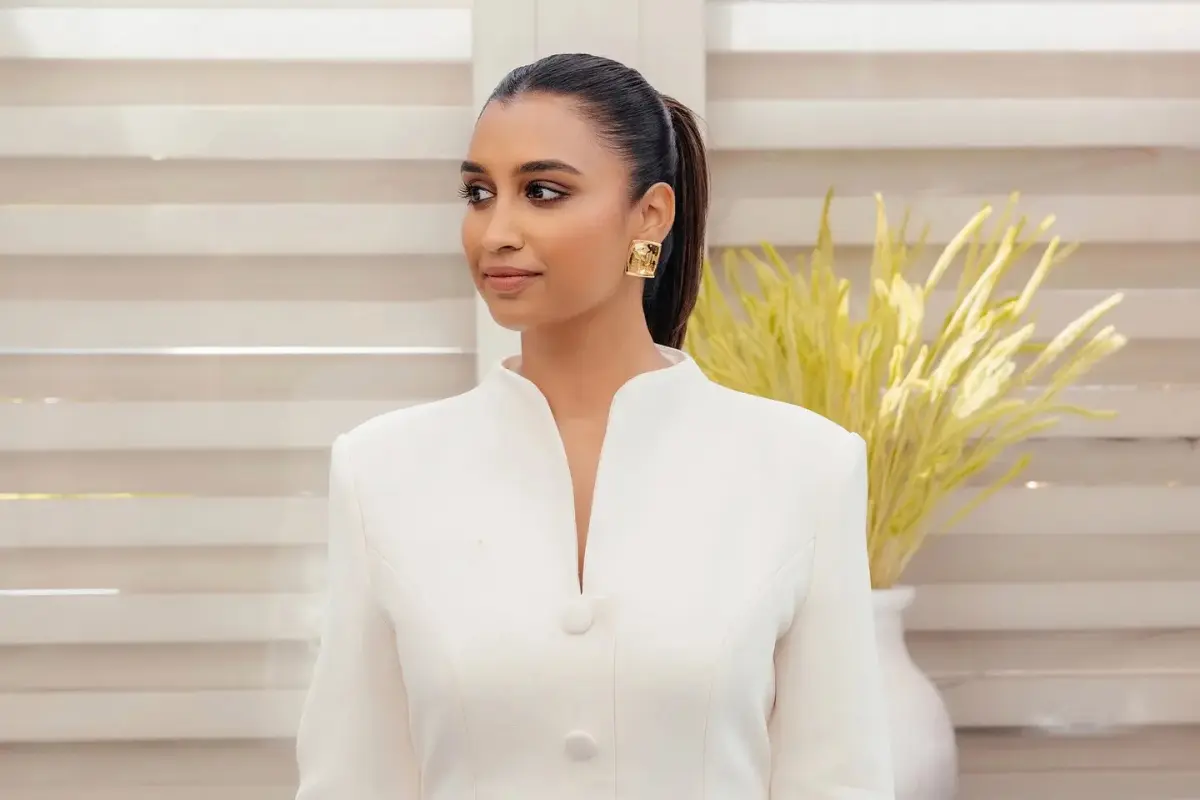
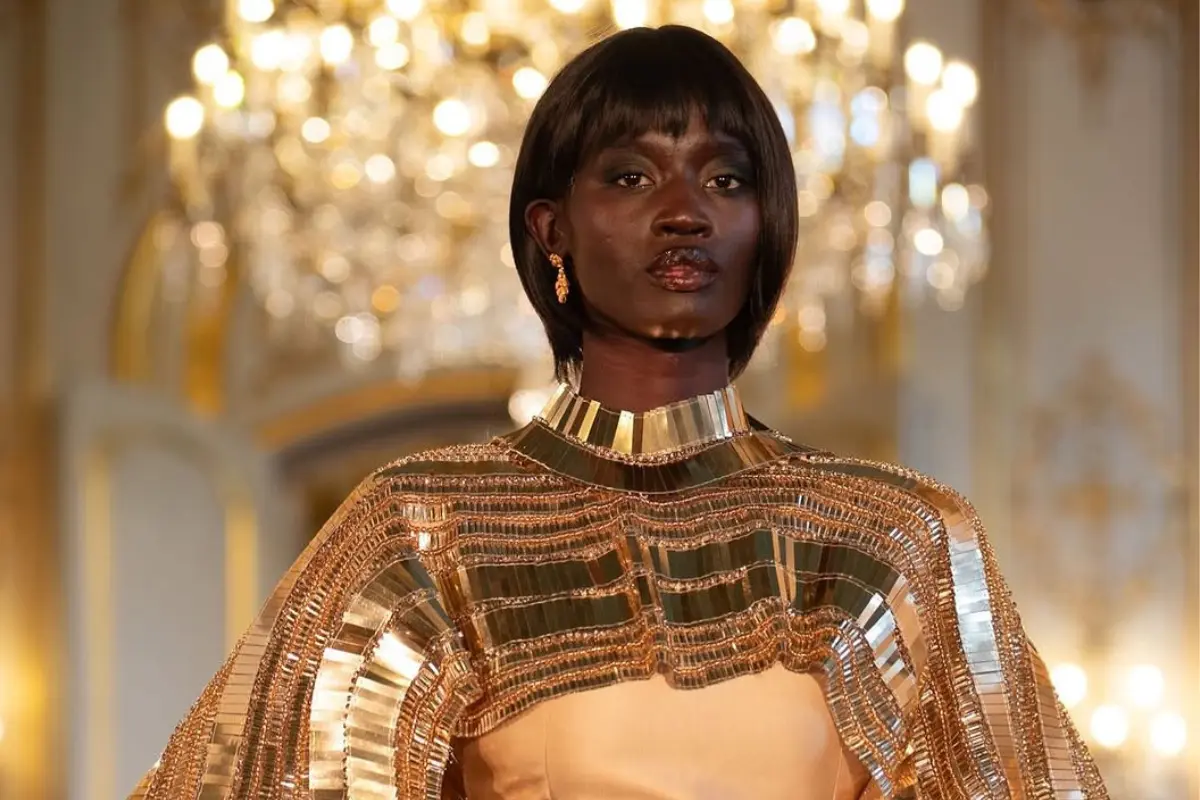
Somewhere along the way, “modest fashion” became synonymous with “conservative dressing.” It’s a description that appears everywhere, from trend reports and runway reviews to shopping edits and social media captions.
Long sleeves? Conservative. A high neckline? Conservative. A maxi skirt? Conservative. But the more I hear the word used to describe covered clothing, the more I question whether it’s actually saying what we think it is.
Because clothing doesn’t have a political opinion. Nor does it automatically reveal someone’s religion, values or beliefs. Yet we’ve become remarkably comfortable assigning meaning to fabric based purely on how much skin it covers.
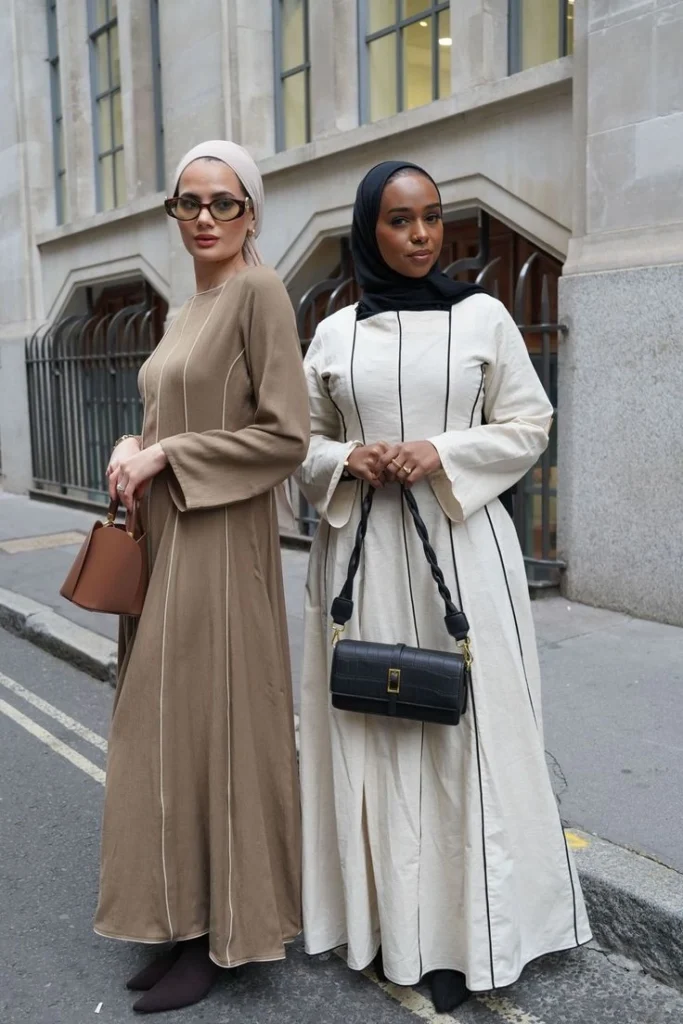
When Did Fabric Become an Ideology?
The word “conservative” carries baggage, in many contexts, it is also a word that is often used negatively, almost like an insult. It can describe a narrow point of view on politics, religious beliefs, cultural values or personal attitudes. When we use it to describe clothing, those meanings inevitably follow. A woman wearing long sleeves or a floor-length dress is subtly positioned as more traditional, more modest or somehow less expressive than someone wearing a mini skirt.
But fashion has never worked that simply. The same silhouette can appear on a woman dressing for faith, another embracing quiet luxury, someone inspired by 1990s minimalism or someone who simply prefers the look of tailored, elongated proportions. The clothes are identical, but the intentions are completely different.
Modest Doesn’t Mean Restrained
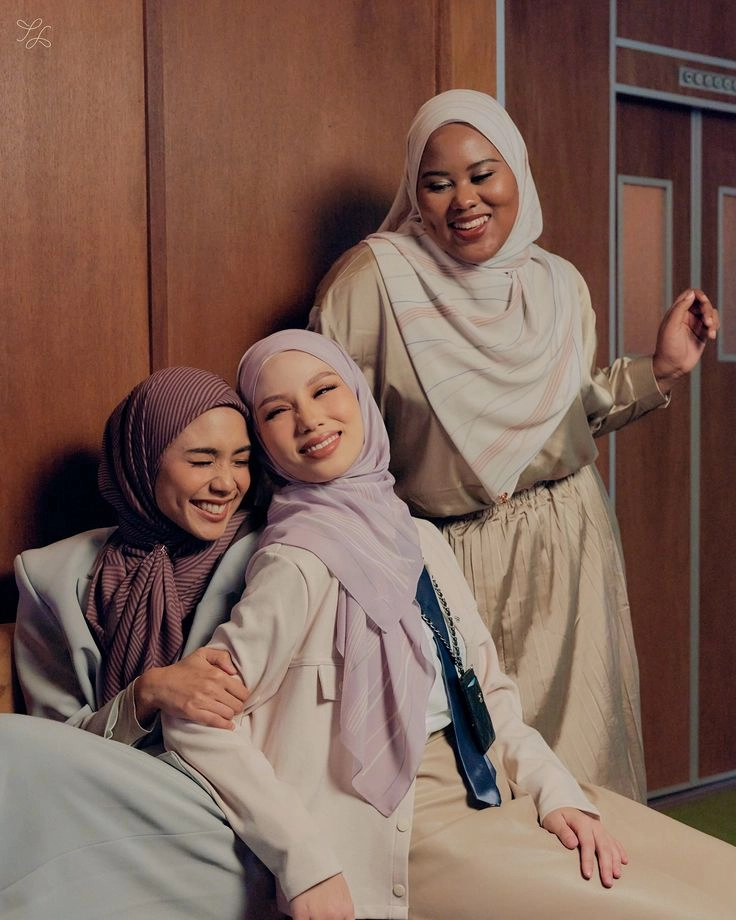
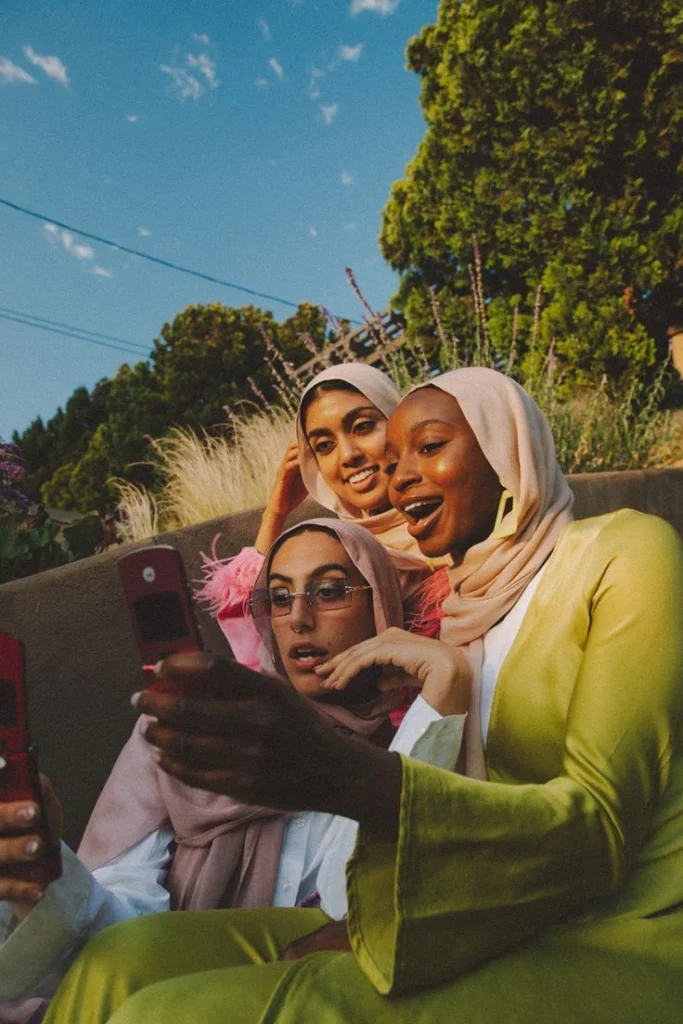
Some of today’s most influential fashion creators have built distinctive identities around covered dressing, not because they’re hiding, but because they’ve found a visual language that feels authentic to them. One of fashion’s biggest misconceptions is that covering up limits creativity. In reality, modest fashion has become one of the industry’s most exciting spaces for experimentation. Designers are playing with proportion, layering, texture and tailoring in increasingly innovative ways, proving that style isn’t measured by how much skin is on show.
We Don’t Question Revealing Dressing
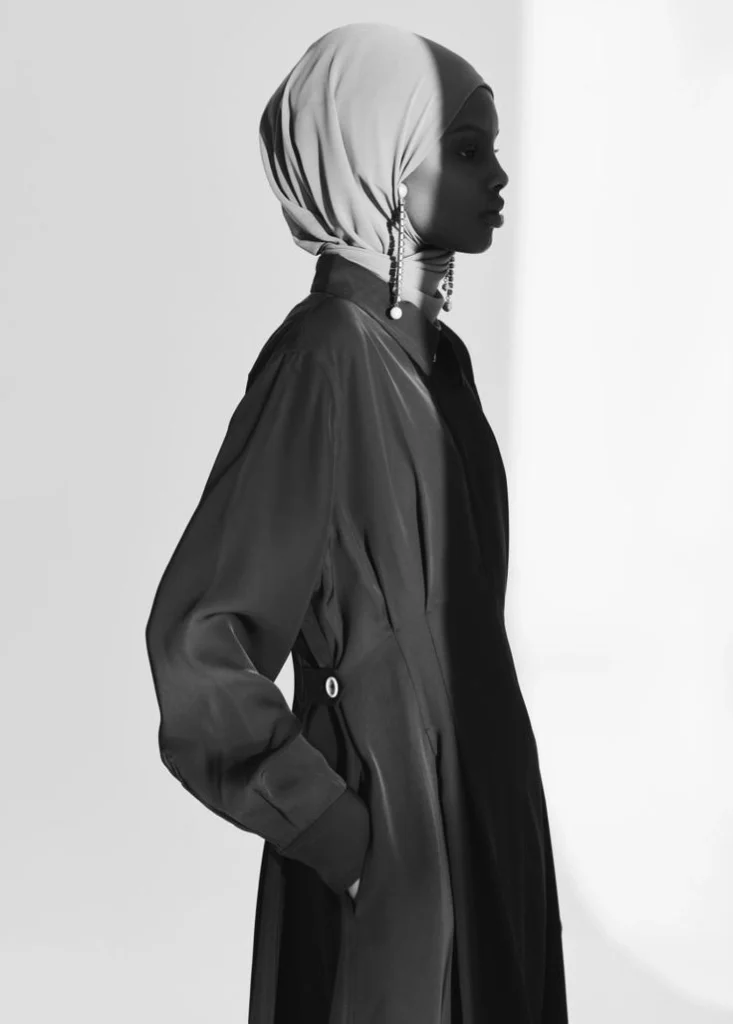
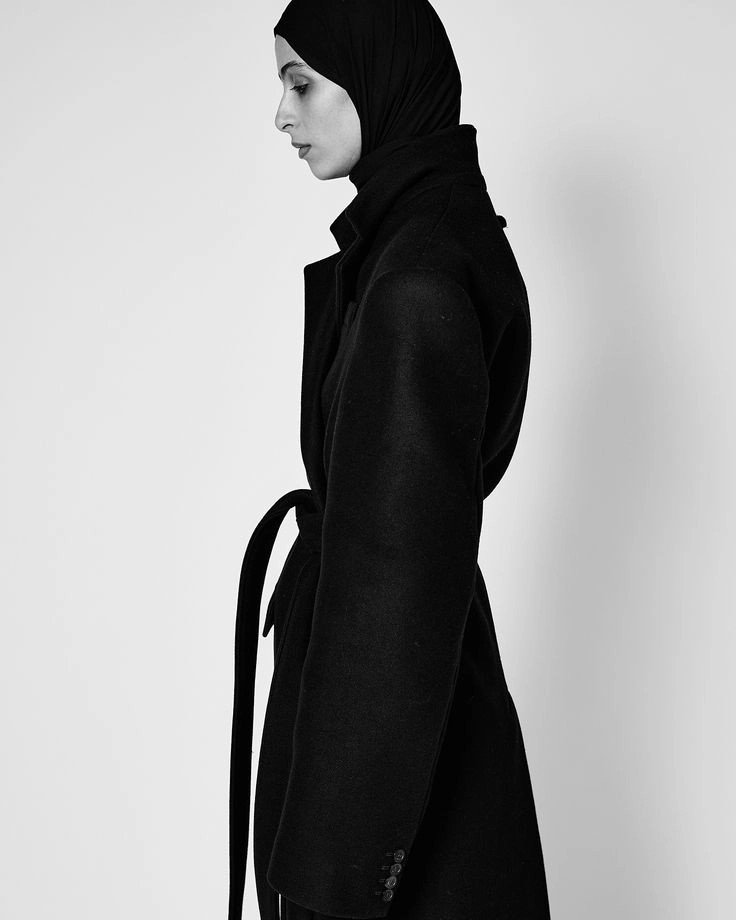
Interestingly, we rarely do the opposite. When someone wears a backless dress, a mini skirt or a plunging neckline, we don’t immediately describe their outfit as liberal or progressive. We recognise it as a style choice. Covered dressing deserves the same neutrality. It should be possible to appreciate a silhouette without attaching assumptions about the person wearing it.
Fashion Is Becoming More Inclusive
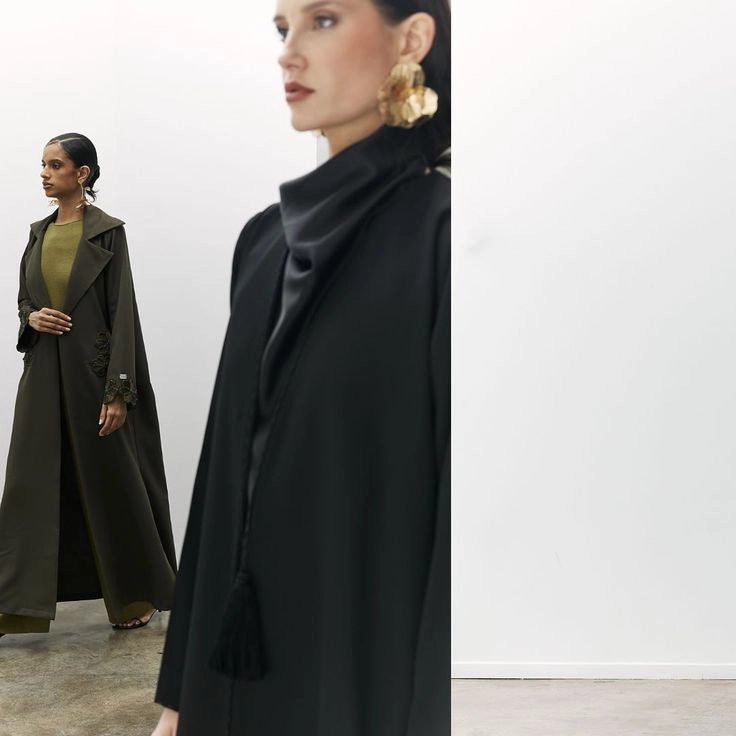
Perhaps that’s why modest fashion has become increasingly conventional. Luxury brands now regularly feature longer hemlines, relaxed fit and elevated layering, not as niche collections, but simply as elegant clothes. Fashion has begun to recognise that modesty isn’t a trend or a restriction. It’s one of countless ways people choose to express themselves. And, that expression can vary from person to person.
Maybe It’s Time We Changed the Language
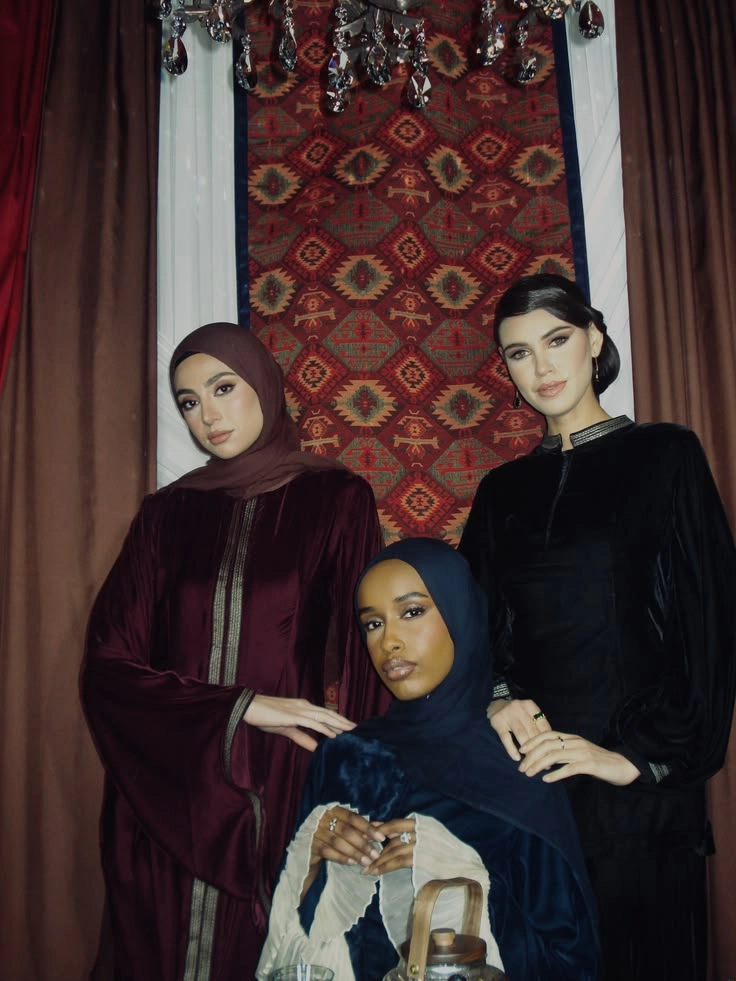
Words shape perception. Calling every covered outfit “conservative” flattens the many reasons people dress the way they do. It overlooks personal taste, cultural heritage, climate, comfort, creativity and individuality in favour of a label that often says more about our assumptions than the clothes themselves. The future of fashion isn’t about dressing more or less, but about leaving room for more interpretations. As fashion continues to celebrate individuality in all its forms, perhaps our vocabulary should evolve alongside it.