
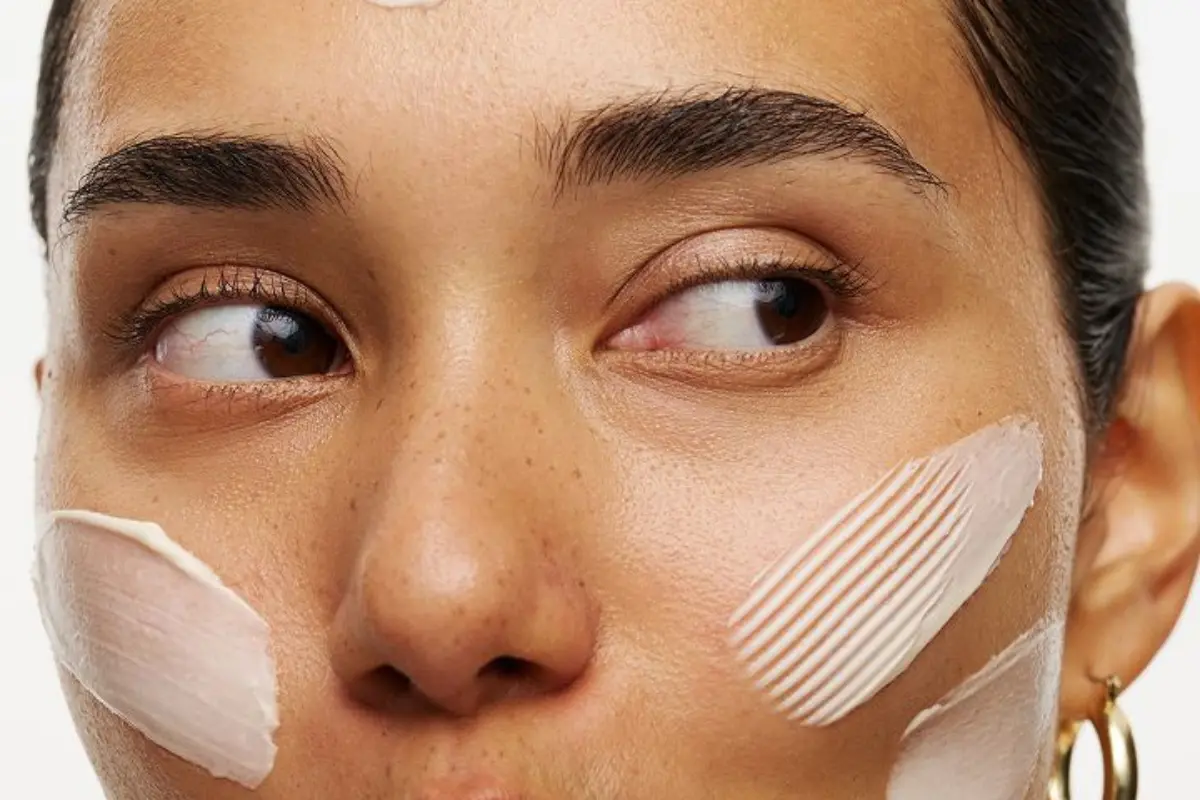
For those keeping up with beauty, what normally gets noticed is all the innovation. New beauty tech, new formulations, stronger ingredients. But ever since the idea of “going clean” went viral—from clothing to spaces—beauty also found itself in that niche. This meant minimalistic ingredient lists and organic formulations. Among the noise, beef tallow stood out on top.
Yes, rendered animal fat became the internet’s next obsession, with a whole subset generated on TikTok AKA TallowTok. But slathering the skin with fat isn’t too far-fetched. After all, facial oils come with the same idea. And beef tallow comes with an even deeper history.
Beef Tallow Throughout History
For millennia, beef tallow has been a staple in skincare. While mostly used in cooking, tallow was used across societies as balms. In Ancient Egypt, they were formulated into soaps; in Native American tribes, they were mixed with herbs to create wound-healing medicines; in Roman society, they were made into the skincare balms that we see today.
But as the beauty industry grew, and along with it, chemically accurate formulations that could be standardised, beef tallow felt out of place. That is, until 2024, when Nara Smith uploaded a TikTok of her husband, Lucky Blue Smith, making a homemade moisturiser with beef tallow. Like most of Smith’s videos, it went viral, pushing the ingredient back to the forefront of people’s minds.
Benefits of Beef Tallow
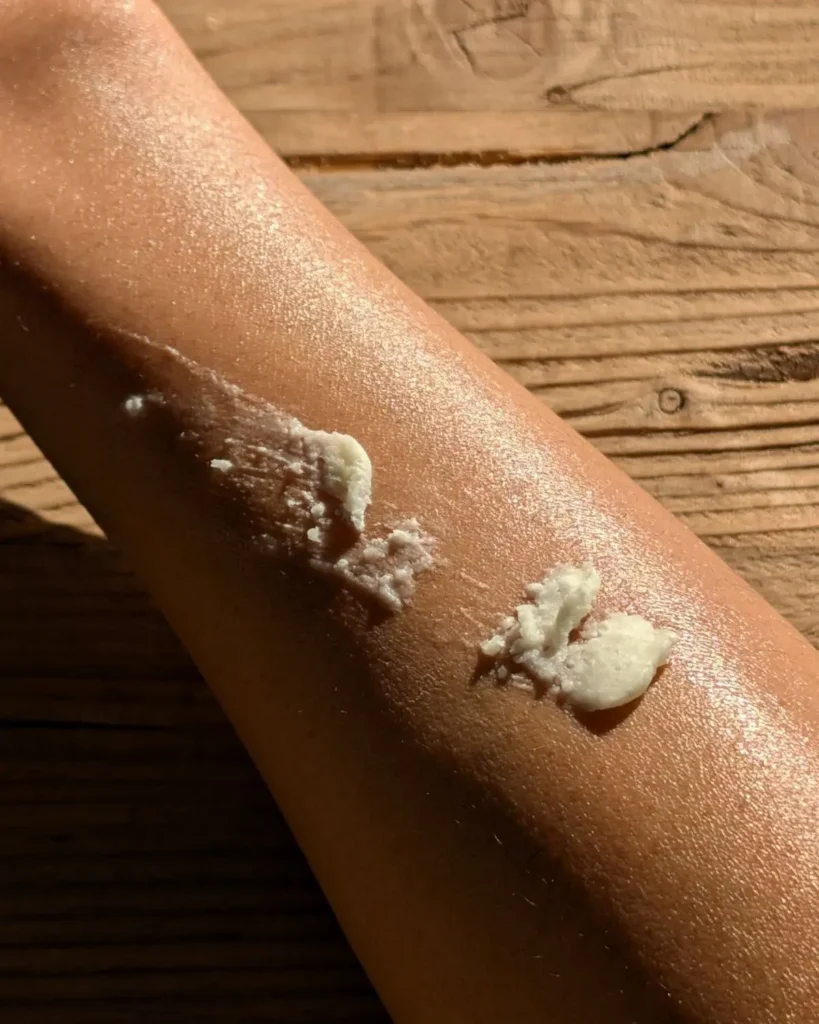
Combined with 2024’s obsession with “going clean”, beef tallow became a no-brainer staple on the vanity for many. For some, it was a statement that rejected the quick pace of modern living. For others, beef tallow serves as a sustainable and holistic way of living, since it is a byproduct of the meat industry. And for the clean girls, beef tallow was a return to purer forms of skincare, considered as natural skincare that works just as well as a 3-step routine.
And there is some truth to these claims. The biggest benefit of beef tallow is that it keeps the skin moisturised and hydrated due to its composition of fatty acids. Beef tallow also contains fat-soluble vitamins, such as vitamins A, D, E, K, and B12.
The Risks You Should Know
However, despite being time’s most used skincare ingredient, using beef tallow comes with a set of risks. For starters, while tallow contains fat-soluble vitamins, there isn’t enough research to claim that the skin is actually absorbing them.
Moreover, for those with sensitive skin, beef tallow can induce breakouts. Since it is thick, rendered fat, it’s comedogenic and can clog pores, lock in heat, and cause irritation. As an oil, it can also increase sensitivity to sunburn, so SPF has to be your best friend when using tallow.
But the biggest risk when it comes to beef tallow is that the products sold aren’t regulated. Unlike modern skincare, which can be industry-regulated and standardised, tallow’s composition relies heavily on the animal’s diet and its rendering process, which means each individual’s skin will react differently to it. As of now, there aren’t enough studies that inspect how different skin types respond to tallow, so while the balms might work for some, it may cause the opposite effect in others.
If curiosity is still getting the better of your skin, we recommend using tallow after consulting with a dermatologist. With an expert’s guidance, tallow could become a worthwhile addition, but we wouldn’t recommend replacing your entire skincare routine with the animal fat just yet.