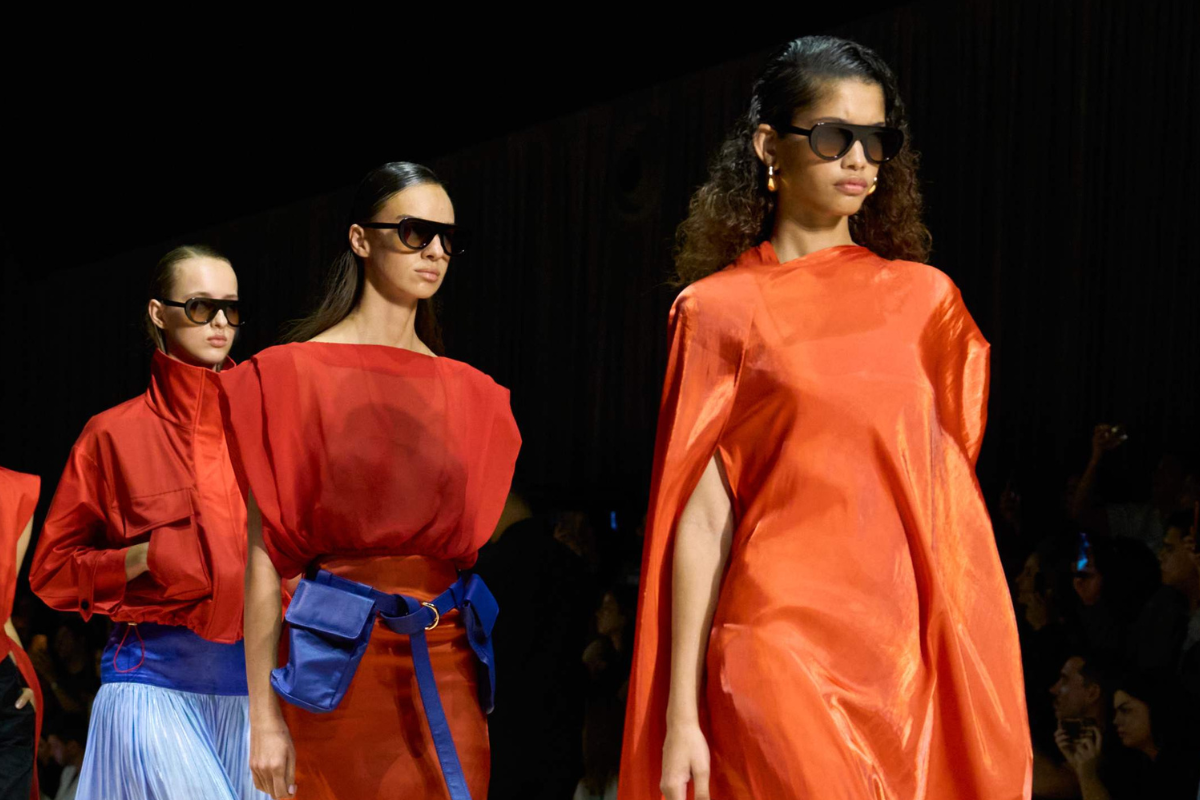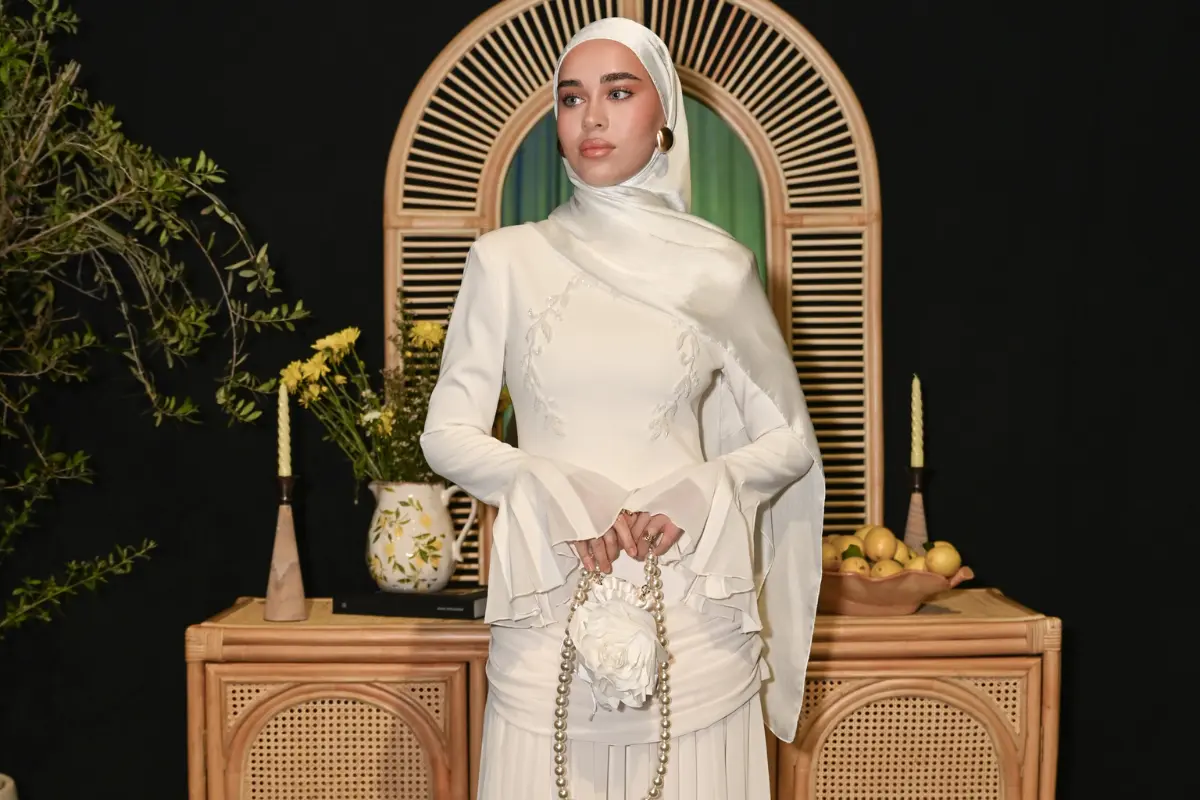

Paris 2024 was the first Olympic Games to reach gender parity on the field. During those same Games, camera operators had to be reminded not to film women differently from men, fewer lingering close-ups, less fixation on bodies, more attention to the athlete actually competing.
That contradiction says plenty about where women in sport stand.
They have fought their way onto courts, tracks, pitches, podiums and broadcasts. The gaze has been slower to move.
Thirty-five years of sports-media research explains the pattern. In the 1990s, female athletes were often framed through their looks, bodies and femininity, with their sporting ability given less attention or treated as secondary. As coverage evolved, the emphasis moved towards beauty, relationships, motherhood and personal life. By 2024, that framing had become less overt, but women’s sport was still given less airtime, less urgency and less cultural weight than men’s. The language changed faster than the hierarchy.
Progress, then, but hardly freedom from being looked at before being listened to.
Which is what makes Novig’s viral Just Sports campaign feel like such a step backwards. Sydney Sweeney, an equity partner in the sports prediction company, poses with footballs, basketballs, hockey equipment, tennis racquets and jerseys. On paper, it has every marker of a sports campaign. In practice, the equipment is arranged around her body to provoke, tease and draw attention to the nudity.
In one scene, she holds two footballs across her chest. Elsewhere, she appears topless playing tennis, hockey and golf. At one point she sits nude on a basketball hoop. It did exactly what viral advertising is supposed to do, everyone looked.
But look at what it asks us to look at.
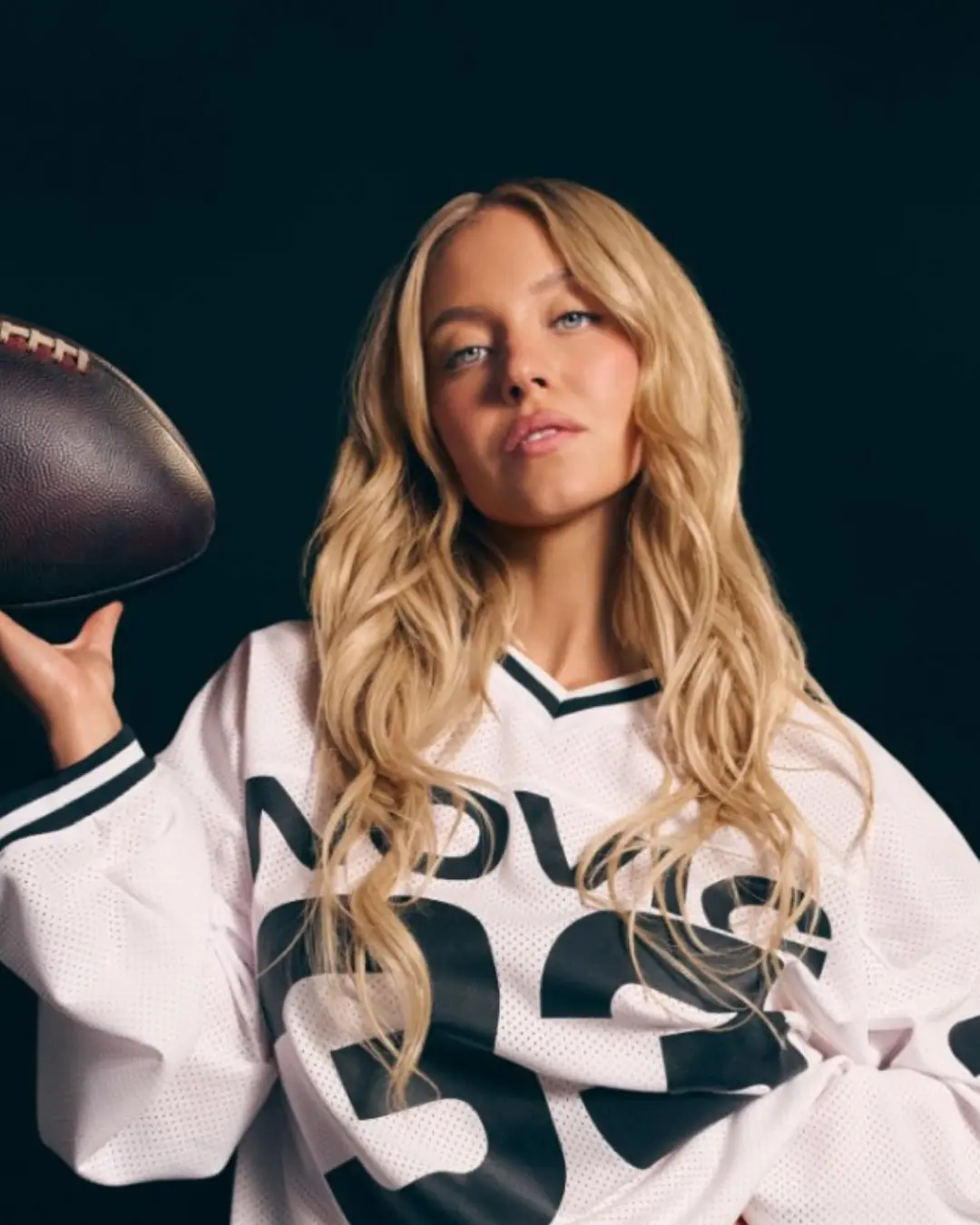
After decades spent trying to separate female sporting worth from physical desirability, the body is once again the punchline, the billboard and the reason to stop scrolling.
In June this year, the European Broadcasting Union published an entire guide on filming women athletes without reducing their power and skill through compromising camera angles. The fact that such guidance is still necessary in 2026 should give advertisers pause.
The campaign will disappear from the timeline. The visual language will not. It belongs to the same culture that has repeatedly made women prove they are athletes, leaders and influential figures in sports while asking them to remain ornaments—visible, desirable, commercially useful.
This is what makes representation consequential. A woman can win, lead, analyse, coach, invest and command an audience, yet advertising can still reduce her quickest route to attention to being looked at.
Sport has changed enormously. Women have fought for every inch of that change.
The imagery surrounding them should not keep asking them to fight the same battle again.