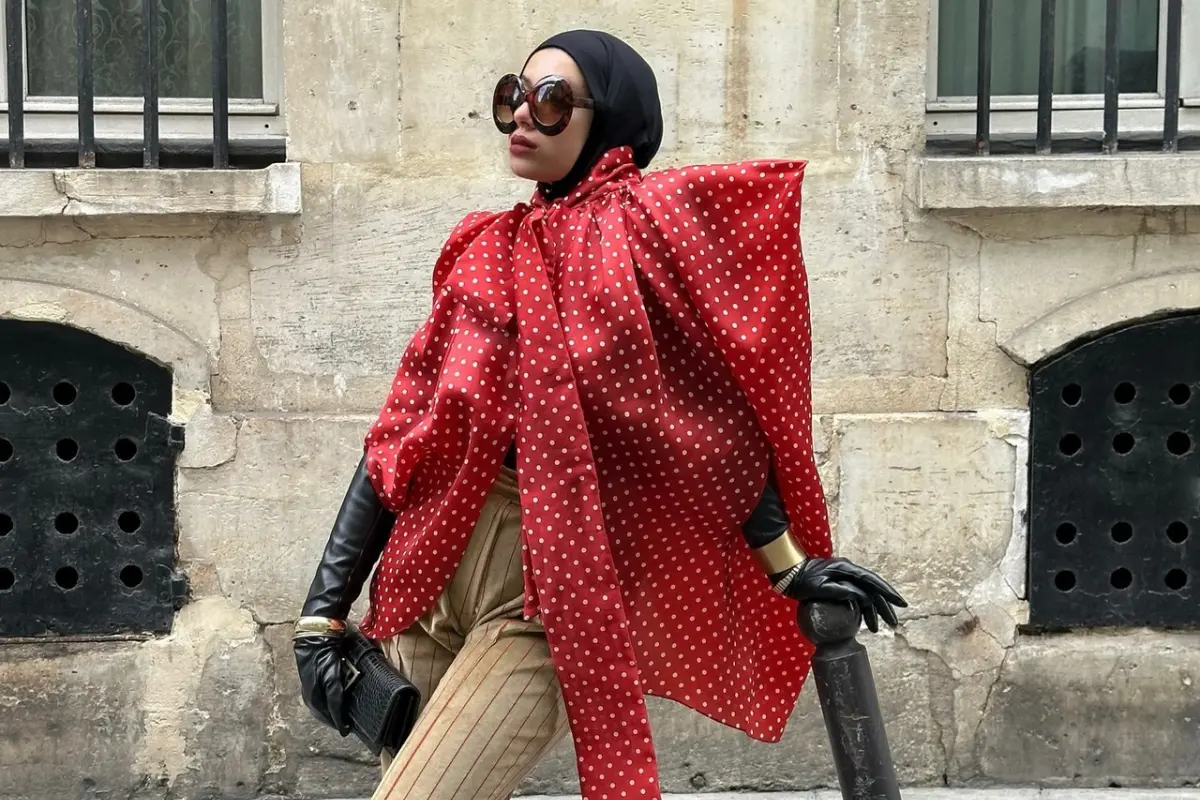

I recently found myself reading the comments under a modest street-style creator‘s post. “How is this modest?” “This isn’t what modesty looks like.”
And I’ve noticed this reaction increasingly often. The viral ‘hijbob’, a bob-inspired scarf style created by Michigan-based creator Zay, prompted questions about whether it qualified as a proper hijab. Zay herself clarified that it was simply a creative way to wear a scarf.
Hooded abayas, leopard-print hijabs, oversized football jerseys and baggy denim have found their way into modest wardrobes, but the expectations surrounding modest dressing haven’t quite kept up. Apparently, we’re still attached to the idea that modest women should look soft, delicate and traditionally feminine.
And I suspect there’s a socio-political history behind this.
For centuries, women’s clothing has been closely tied to ideas of virtue, obedience and respectability. In many societies, covering was an expectation imposed upon women, with little room for individual expression. As women’s liberation gained momentum, revealing clothing became a cultural symbol of freedom, leaving modest dressing associated with the restrictions women were fighting against.
The modern modest fashion movement helped challenge that perception. Women began reclaiming coverage as a personal choice, and fashion finally started recognising their individual tastes and preferences.
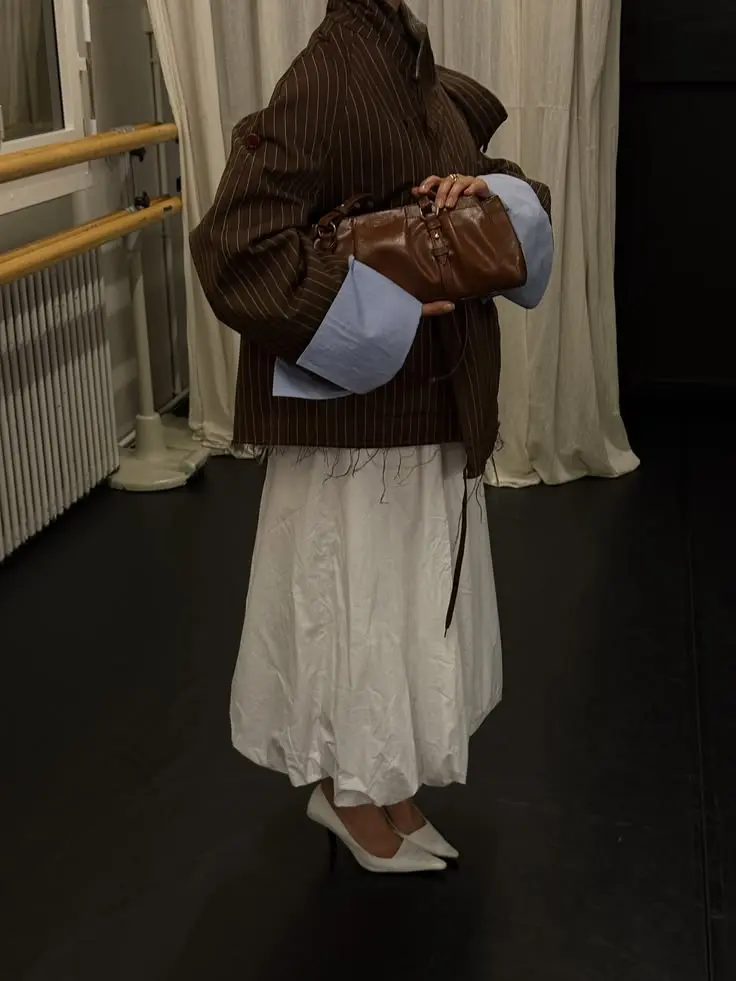
But somewhere along the way, the industry developed a rather specific visual identity. Flowing dresses, delicate fabrics, muted palettes and an almost exaggerated femininity became the familiar image of the fashionable modest woman. It was certainly a departure from the outdated stereotypes, but it also left little room for women whose personal style looked entirely different.
Which brings me back to those comments.
Oversized tailoring, sportswear and masculine silhouettes have been part of mainstream fashion for decades. Why, then, do these same clothes become a question of modesty when worn by a woman who chooses to cover?
We’ve spent years arguing that modest women deserve the freedom to express themselves through fashion. Surely that should include the freedom to dress without having to look traditionally feminine.