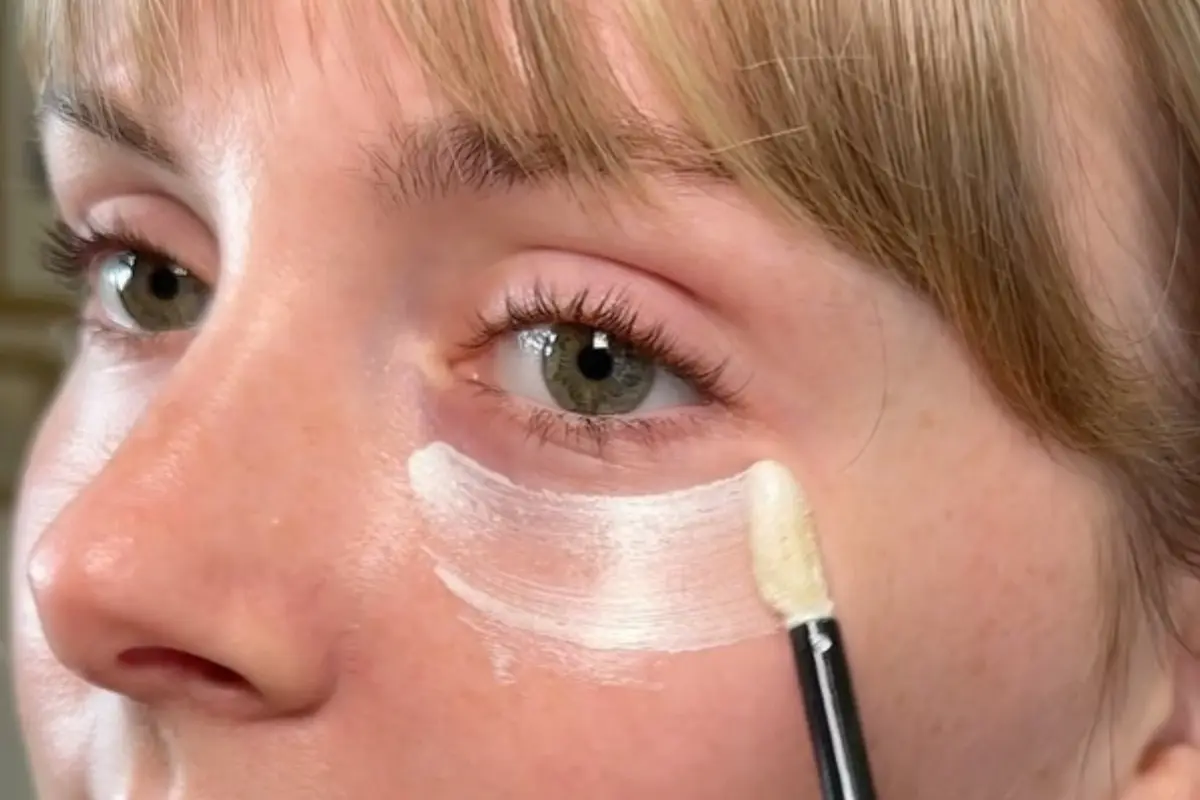

Skin issues in the winter are never a pretty case. From numbness due to the cold to the discomfort and, ultimately, the weird flakiness from skin drying out, it forces us to completely overhaul and re-evaluate our skincare routines.
“During the winter months, our skin is exposed to colder temperatures, lower humidity, and the drying effects of central heating, all of which can have a significant impact on skin health,” explains Dr Hasia Al-Khubra, aesthetic dermatologist at Maison Mani Clinic. She notes that dry skin in the winter comes from plenty of lifestyle factors, but the climate is the biggest agitator. “(It) is an increase in what’s known as transepidermal water loss, which is essentially the amount of moisture that escapes through the skin. When the air is dry, the skin can lose moisture more easily, leaving it feeling tight, dehydrated and sometimes itchy or flaky,” says Dr Al-Khubra.
So that means regulating temperature levels wherever possible and avoiding prolonged hot showers. But what about the products that touch our skin, especially the exfoliators that become a ritual for smoother skin? With the festive season approaching, these products almost become a lifeline for smoothing skin texture and brightening up the skin. Chatting to Dr Al-Khubra, we learn more about what these products actually do to our skin and how we can make them work for us during the winter months.

So, Should We Be Exfoliating in the Cold?
According to Dr Al-Khubra, the answer is yes, but with discernment. “Exfoliation works by removing dead skin cells from the outermost layer of the skin. Our skin naturally sheds these cells as part of its renewal process, but sometimes they can build up on the surface, leaving the complexion looking dull, rough or uneven.
“I wouldn’t necessarily recommend stopping exfoliation during winter, because it can still be beneficial for maintaining smooth skin and preventing clogged pores. However, I would advise being more careful about how often you’re doing it,” says Dr Al-Khubra. She notes that reducing its usage to once or twice a week is all that you need, but more importantly, to exfoliate gently. She explains, “The key is to exfoliate gently rather than trying to remove every trace of dry or flaky skin. Sometimes flaking is actually a sign that your skin barrier needs more moisture, not more exfoliation.”
Which Exfoliators Should We Reach For?
Now that we’ve got the green light, which products should we apply every week? Considering that our skin changes with the weather, the kind of ingredients it can take might also differ. For winter, these are the products worth considering:
The Ordinary | Lactic Acid 10% + HA
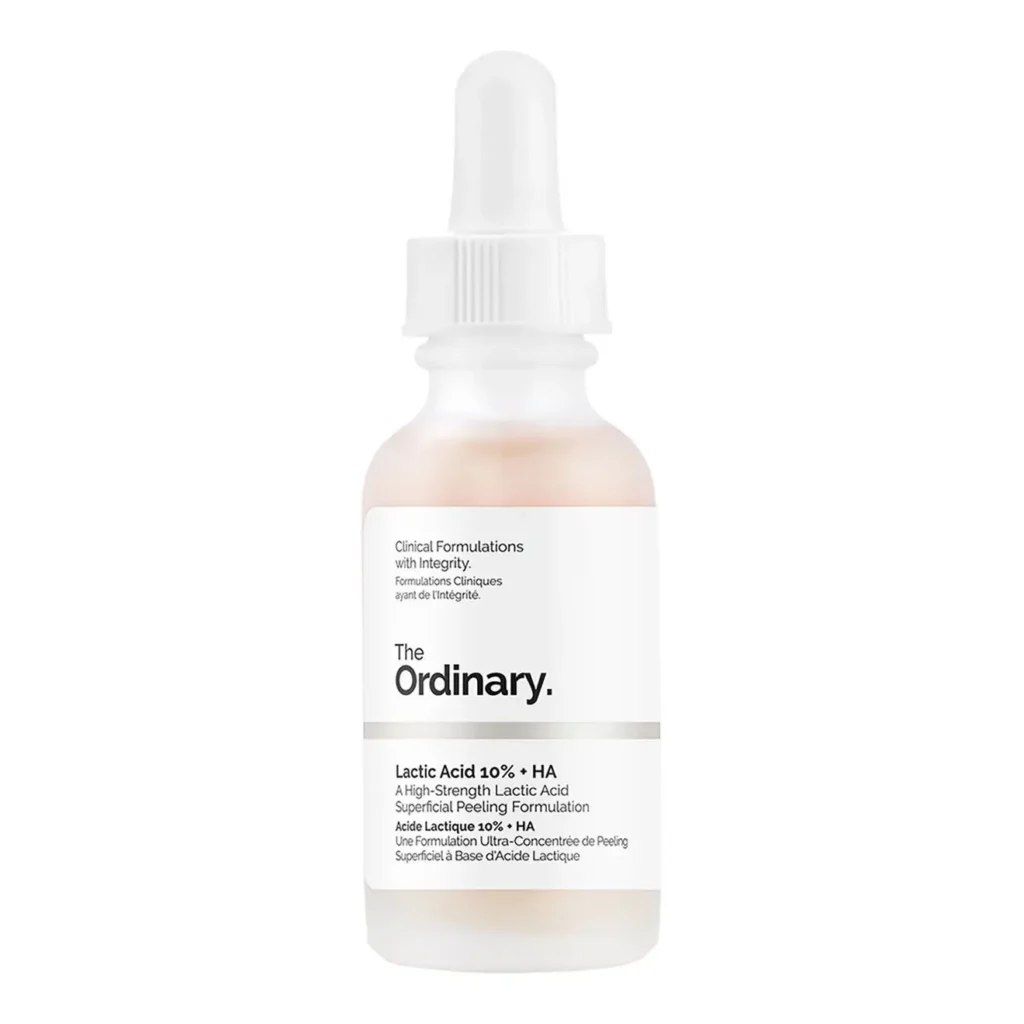
“For people with dry or sensitive skin, lactic acid can be a good option because it exfoliates relatively gently and also has moisture-attracting properties,” says Dr Al-Khubra. And since skin sensitivity is exacerbated, this exfoliant by The Ordinary does its job without adding pressure to the skin barrier thanks to Tasmanian Pepperberry extract, which reduces any irritation.
La Mer | The Resurfacing Treatment
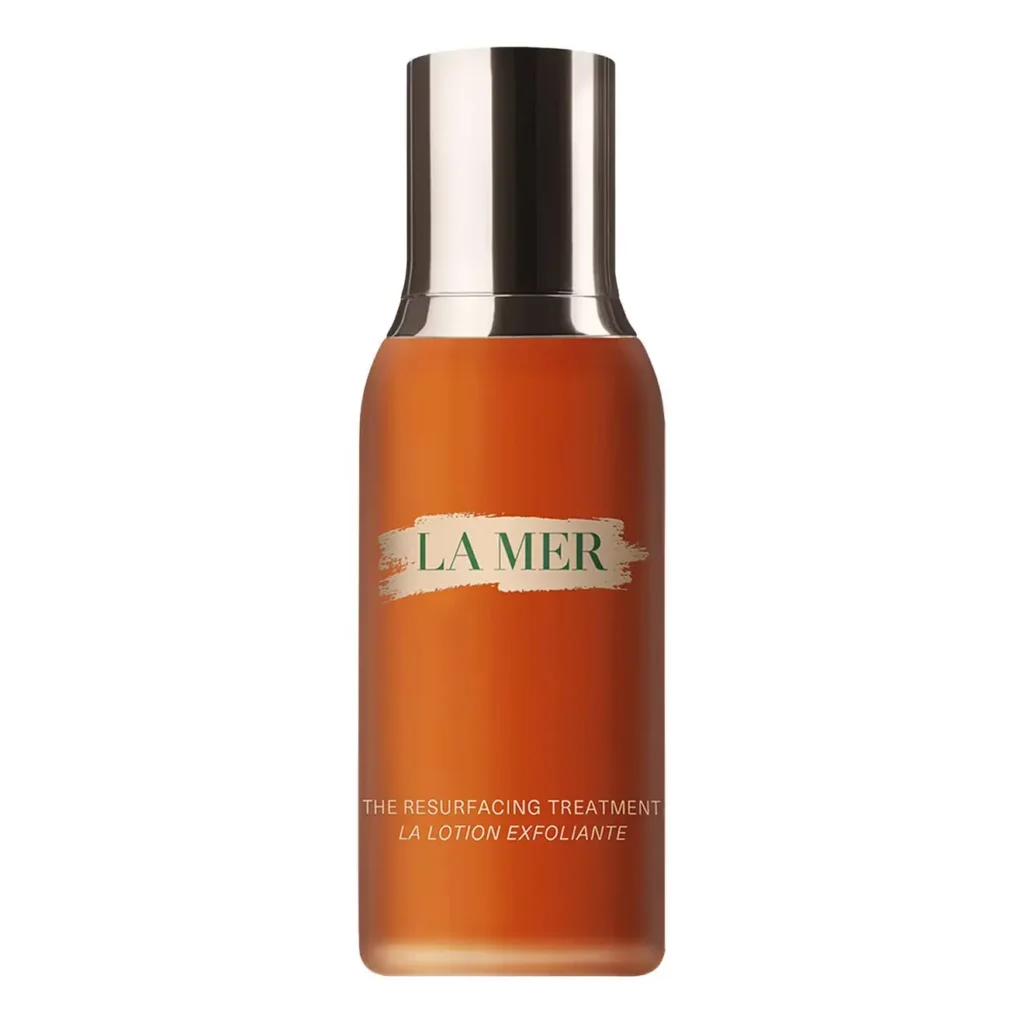
According to Dr Al-Khubra, another gentle ingredient to consider is Polyhydroxy acids, or PHAs. This exfoliant by La Mer includes that, along with AHA and BHA, to clarify and smooth the skin. The liquid texture means you don’t have to load up on a thick cream or clay mask, while other ingredients like Glycerin or algae extract help to hydrate and nourish the skin.
Dermalogica | Daily Microfoliant Exfoliator
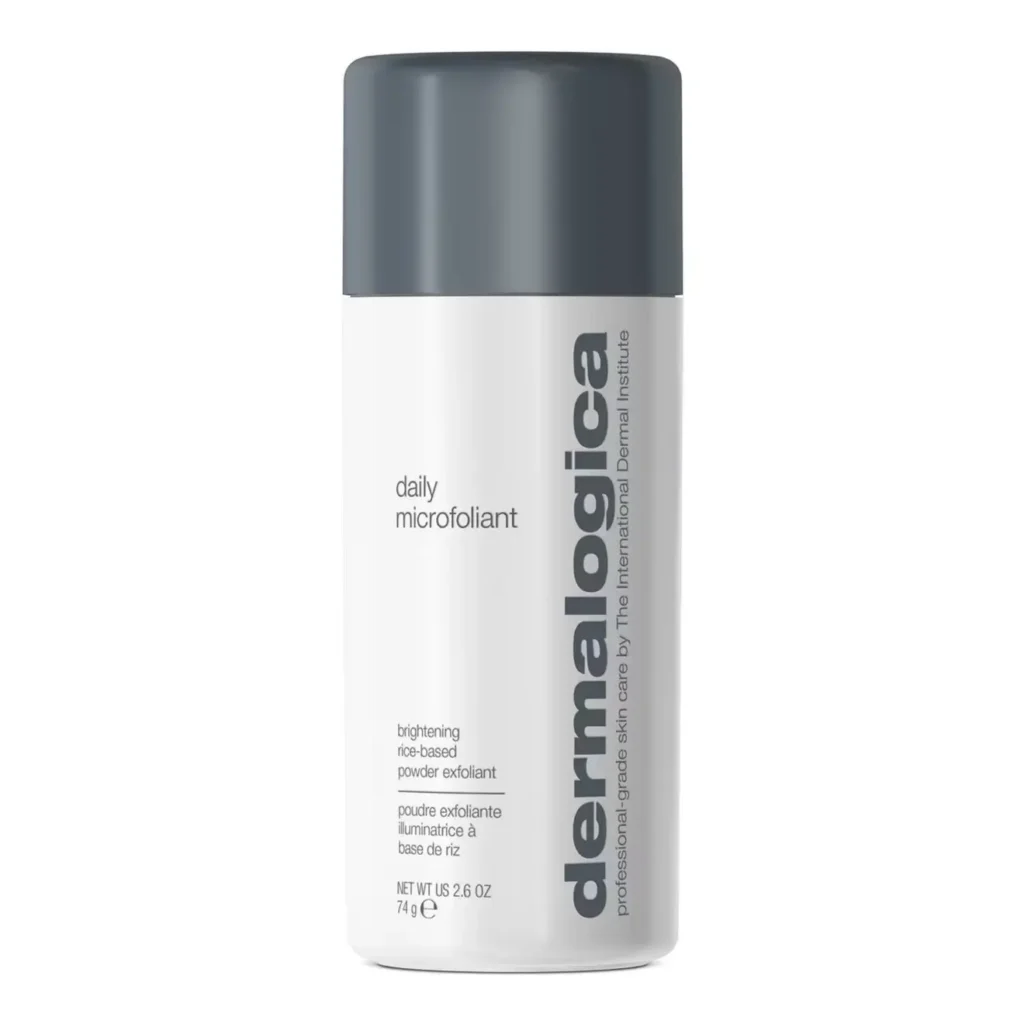
Gentle enough for daily use is already a good sign, but ingredients like colloidal oatmeal and allantoin are what make sure that the skin is calm, soothed and hydrated. This formulation also contains papain, rice enzymes, and salicylic acid, the latter of which Dr Al-Khubra recommends to those with oily or acne-prone skin. “Salicylic acid is often a good choice because it’s oil-soluble, meaning it can penetrate into the pores and help reduce congestion and breakouts,” notes Dr Al-Khubra.
And When in Doubt, Go for a Hydrating Exfoliator
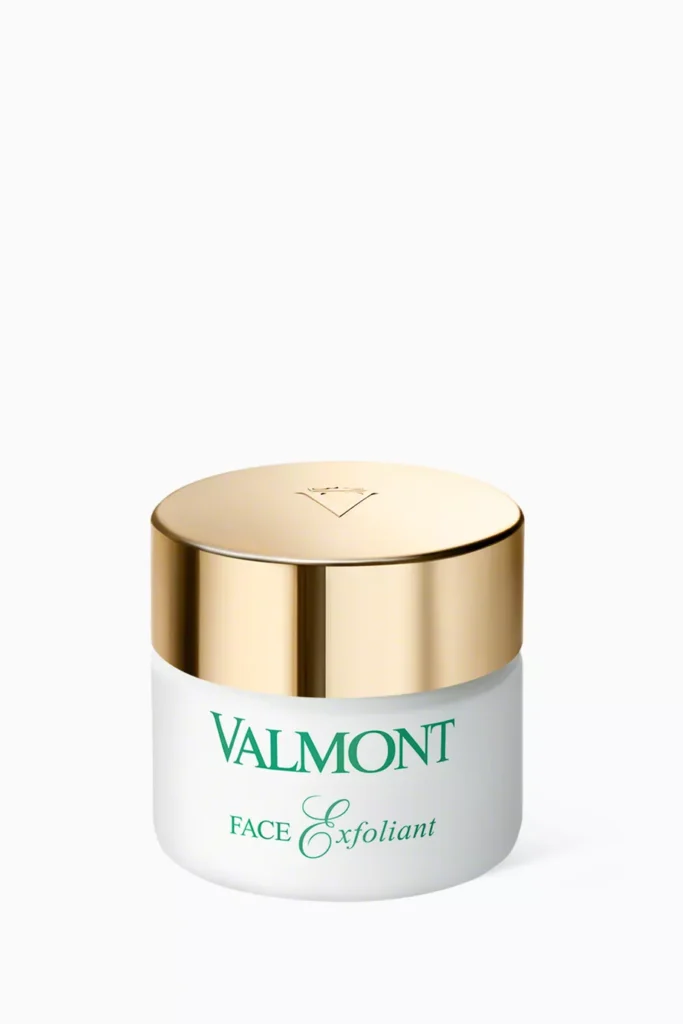
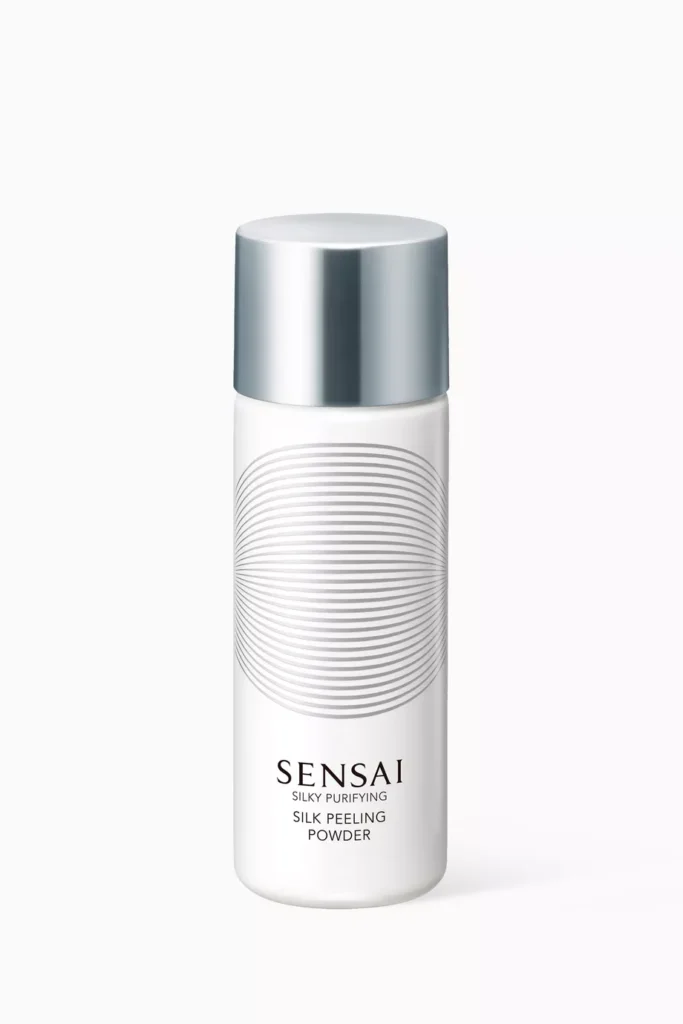
If you’re unsure about which ingredient to stick to, or feel as if none of them does the job, then the best way to combat the dry, flaky skin is to look at a gentle, yet hydrating exfoliant.
The Face Exfoliant by VALMONT is a super creamy and gentle exfoliator which helps to make the skin feel extremely soft and supple. This is thanks to cellulose microparticles, which are the key ingredient in its formulation. Whereas the Silky Purifying Silk Peeling Powder by SENSAI feature Koishimaru Silk EX and Ginseng Extract. Turning into a lavish foam, the product gently cleanses without stripping the skin.
Things to Keep in Mind
According to Dr Al-Khubra, there is more we can do apart from just switching out our skincare routines. “I’d recommend switching to a richer moisturiser if your skin needs it,” she says. “Look for ingredients such as ceramides, glycerin, hyaluronic acid and squalane, which can help support the skin barrier and reduce moisture loss.
I’d also avoid washing your face with very hot water or using harsh cleansers that leave the skin feeling tight afterwards.
Another important point is not to overdo active ingredients. Retinol, exfoliating acids, and certain acne treatments can all be beneficial, but using too many at once can increase irritation when the skin is already struggling with dryness.
And perhaps most importantly, don’t forget SPF. Just because it’s cold or cloudy doesn’t mean UV exposure disappears.
I’d also recommend considering a humidifier if you’re spending a lot of time indoors with the heating on, as this can help reduce the drying effects of low humidity.”