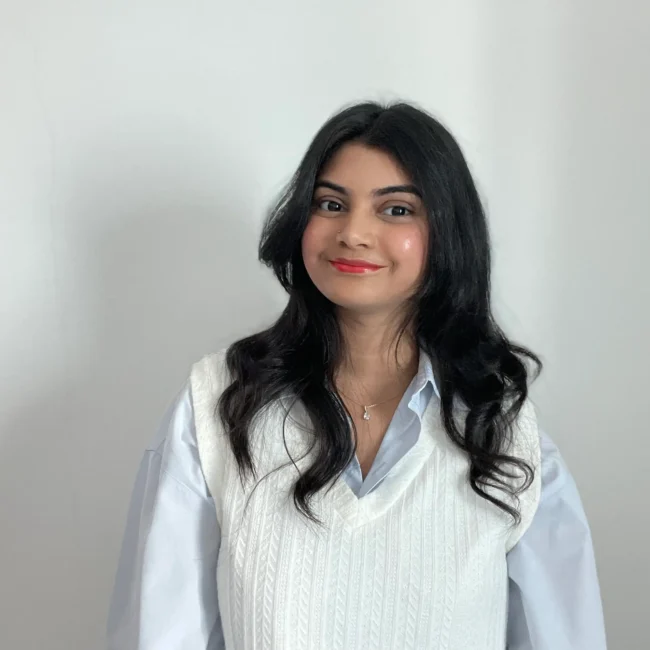

After peering at the ‘Alo, Pilates, Matcha’ trend with a critical eye, my mind couldn’t leave the wellness industry and the chokehold it has on Dubai. The trend/meme was born from the rise of wellness culture, but what put that culture in the spotlight in the first place? Was it born from growing access or answering a very real need of ‘Dubai Burnout’? Speaking to Sophiya Faizal, Co-founder of Paus Club, the answer is a bit of both.

The shift into wellness is a surprising one since Dubai has been commonly associated with its vibrant brunch and nightlife culture. But under the surface, wellness communities and wellness-themed events have always existed, the most notable one being the Dubai Fitness Challenge that takes place every November. Whereas staycations and getaway culture, another prominent facet of Dubai life, point out that the city was always used to exhaustion, but would leave for the weekend to recover. Therefore, the two have simultaneously existed. The inception of wellness clubs, including Paus Club, aimed to address both and inadvertently began the boom in the UAE’s wellness culture.
For Sophiya Faizal, the main push into starting Paus Club was creating access that was caused by burnout. “I was going through my own phase of exhaustion at the time, juggling work, family, and the constant pace of Dubai. I noticed there wasn’t really a place to slow down without leaving the city altogether. So, we wanted to build something that sits in between. A third space that connects work, wellness, and community. Somewhere you can train, eat well, meet people, or just be still, without it feeling forced or transactional. That is how Paus came to life,” says Faizal.

She also believes that the two—access and burnout—are interconnected, and the rising appeal of wellness culture is a reflection of the ambitious nature of the city’s population. “There’s definitely growing awareness and access. You see more studios, more retreats, and more conversations around mental health. But underneath that, there’s a deeper need that has been building for a while. Dubai attracts people who move fast, work hard, and want more out of life. That drive builds success, but it also creates pressure. What’s changing now is that people no longer see burnout as a badge of honour. They are looking for ways to maintain their pace without losing themselves in it.”
There is something to be said about the kind of people who choose to live in Dubai. According to Global Media Insight, expats make up roughly 92.02% of the population. The reason behind this number is promised economic growth, safety, and a higher quality of life. However, leaving behind families and all that’s familiar can foster boredom and loneliness, adding to the exhaustion. Considering the hot weather, the overwhelming nature of doing everything without a support system, and being in a city that runs on ambition, performance, and posturing, it’s not hard to see how burnout can develop en masse. Or why ‘Dubai burnout’ is explicitly unique compared to the rest of the world.
“One of the statistics that stayed with us was how high burnout levels are across the region,” says Faizal, who shared with us a study from McKinsey & Company. According to the report, conducted in 2024, 55% of people in the Middle East report symptoms of burnout compared to 32% globally. “People here are ambitious and driven, but often running on empty. Many are far from family, balancing long hours with social expectations, and constantly switching between professional and personal identities. Exhaustion here feels more emotional than physical for many.”

With so much of our lives spent in traffic, long hours at work, and lives reliant on visas, there is a subconscious pressure that drives the people of Dubai while simultaneously exhausting them.
Sophiya Faizal agrees, saying, “Burnout here feels different because of the context. You have a transient population, long working hours, high expectations, and an economy built on performance. Add to that being far from family, limited downtime, and a culture that celebrates productivity, and you have a perfect recipe for exhaustion.”
Mental, physical, and emotional, burnout takes a chip at every facet. And it is why the city is gravitating towards wellness clubs as a whole—feeding access through burnout, it is an attempt to cut down on the noise, stop performing the hustle, and reconnect with themselves.