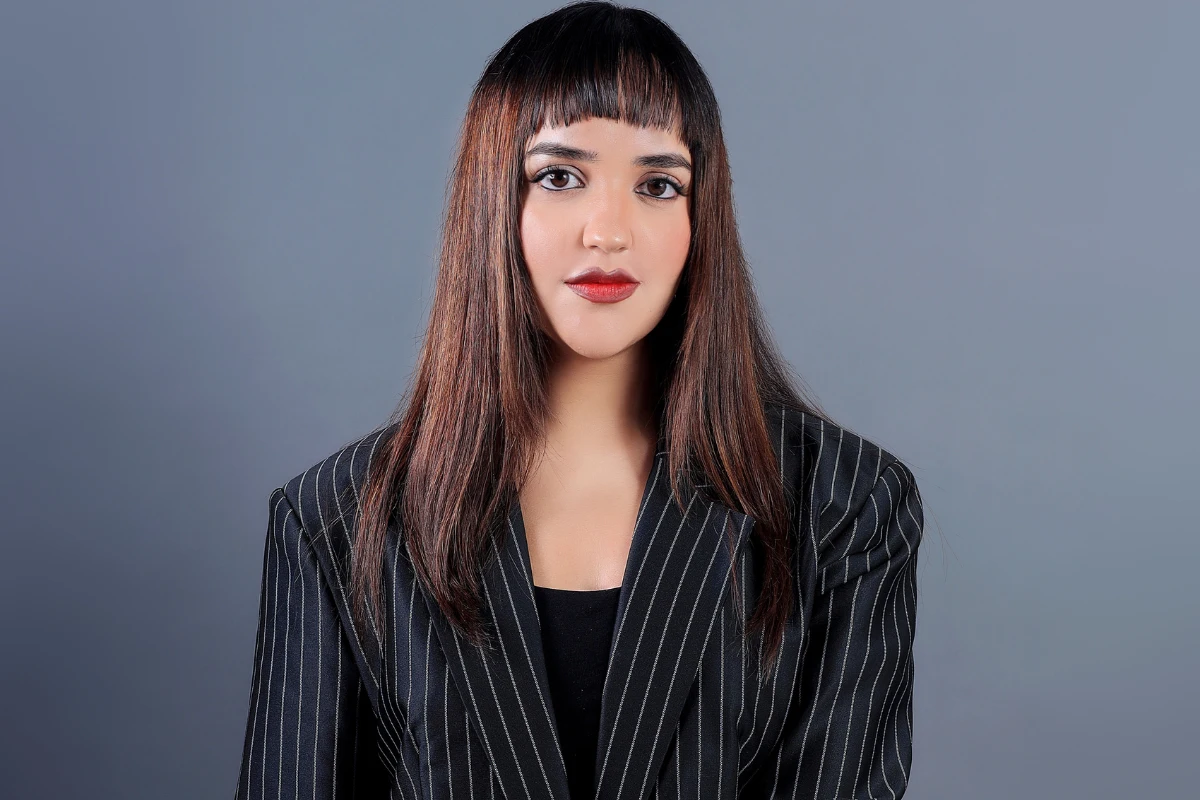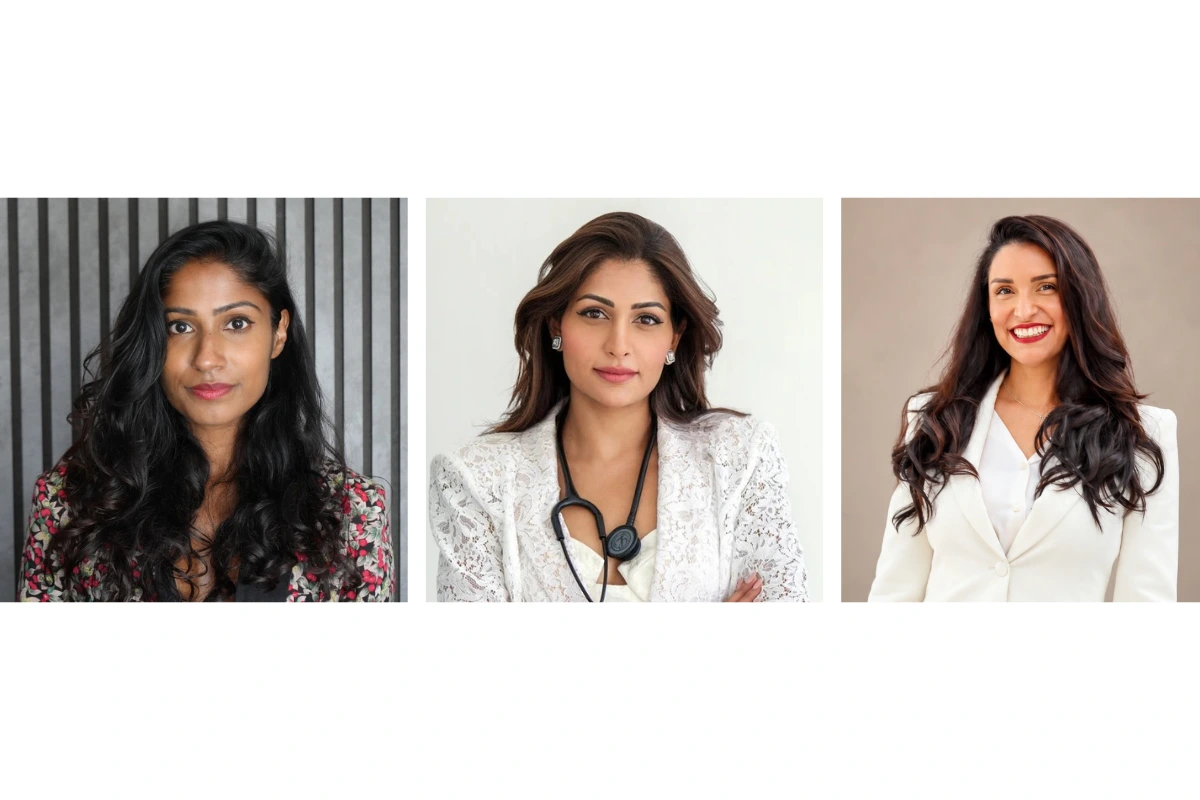

I’ve noticed a new content trend lately where young women in their 20s are sharing tips on how to act, dress, show up, even how to do their makeup, all so they’re met with respect and basic professionalism as young entrepreneurs.
And on one hand, I get it. Social media has opened doors that simply didn’t exist before. You can build a business from your phone. You can pitch, sell, market, hire, launch, without waiting for anyone’s permission. The digital world has made it easier for young people to move faster, and in many cases, do it better.
But with those new opportunities comes a new (and very necessary) conversation about how young entrepreneurs, especially young women, are treated in professional settings. Are we still stuck in the same old mindset, just repackaged for a modern world?
Instinctively, it’s easy to dismiss this kind of content as surface-level or image-obsessed, but if you really think about it, a lot of these reels aren’t about vanity. They’re about perception management. They’re young women swapping notes on how to be taken seriously before they’ve even been given a fair chance to speak.
It’s about navigating rooms where credibility is still tied to age, and young leaders deal with the subtle digs like “You’re so young,” “Who’s backing you?” “Is this really yours?” “Are you sure?” Or being spoken to like a kid in rooms you’re literally leading. We’re still not great at giving young women basic professionalism when they’re ambitious, capable, and in charge.
And while it’s easy to assume this pressure comes from men, that’s not always the case. Sometimes it comes from other women, particularly those who are older or more established.
We’ve become fluent in the language of ageism when it comes to women later in life. We know how to name it when experience is dismissed, when women in their forties and fifties are overlooked, when they’re labelled “out of touch” or edged aside. But there’s another version of the same problem we rarely question—what it means to be young, ambitious, and visibly serious before the world has decided you’re allowed to be.
I share this sentiment, and the wider conversation around ageism, with fellow journalist Vama Kothari, who has spoken candidly about experiencing reverse ageism herself. She captures the whiplash so many of us feel, wanting to believe we are moving forward, only for life, a workplace, a meeting room, or even a comment section, to remind you how conditional that “progress” can be.
“I genuinely like to believe the world is moving forward. From patriarchy towards feminism. From closed minds towards acceptance. From rigid systems towards fairness. My mum would always tell me, “Vama, we don’t live in an ideal world” But in my head — especially as a journalist — I thought we were at least trying. I thought we were learning.
That optimism took a real hit when I experienced reverse ageism and subtle prejudice at my own workplace. I still remember people from my team standing around during casual office conversations and saying things like, “I wonder what she did to get here,” or worse, “who she did.” And then there was the classic line, “You really think I’m going to trust my brand to a child?” all because a middle-aged person couldn’t wrap their head around taking direction from a 22-year-old woman who was simply trying to improve a legacy brand and was rightfully hired by merit.
It made me realise something uncomfortable. No matter how progressive our industry likes to present itself, optimistic and liberal women often live inside very curated bubbles. Outside of them, unfortunately, women are still being judged through the same old lenses — either too much to handle, or too young and naive to be taken seriously.”
It’s exhausting how quickly a young woman’s competence still gets turned into a debate about her tone, her face, her clothes, her age, anything except the quality of her work.