Those familiar with the Gucci knockoffs scene from House of Gucci understand that the counterfeit market isn’t new, nor a new topic to dwell upon. But what has changed is their validity. Before 2020, knowingly carrying a counterfeit was information to be hidden. And admitting to it was practically impossible. While that stigma still carries on today in a small way (we’re thinking of the Dubai Bling plotlines here), the nonchalant acceptance of counterfeits has suddenly become normalised.
The numbers don’t lie. According to a report by OECD–EUIPO, counterfeit goods accounted for an estimated USD 467 billion in global trade in 2021. Within this number, clothing, footwear, and leather goods made up 62% of goods. These are numbers that estimate a shift in consumer behaviour, a shift in consumption patterns.

So how did we get here? With the boom of short-form content in the 2020s, style, decoration, and presentation all slowly made a shift from being practical to being aesthetically pleasing. Here, counterfeit bags could just be bags, and the viewer would be none the wiser. What disrupted the market in the past was that people could tell they were fake. Whether that was lettering, the clink of the hardware, or the colour of the lining, those who had the real deal knew the little details to spot the difference. But with a screen as the middleman, a bag didn’t have to be the real deal so long as it looked the part.
In the 2020s, the internet also became more democratised than it had ever been and Chinese markets were gaining relevance in the mainstream. SHEIN, Ali Express, and then TEMU, these e-tails furthered the desire to buy more with endless products and low prices, frequently “borrowing” designs from runways and independent designers. Similar counterfeit sites also began to gain notoriety. These sellers began to promote on TikTok, claiming that many luxury brands manufacture their goods in these factories. Since then, some brands have spoken up, setting the record straight on their process.
But consumer trust was impacted. If a brand is supposedly manufacturing in China then why not cut the supply line short and buy from the factory itself? After all, these claims claim the same quality. This impact is what gave rise to counterfeit normalcy and dupe culture, where a design teetered as close as it could to the original product, if not outright copying the original product.
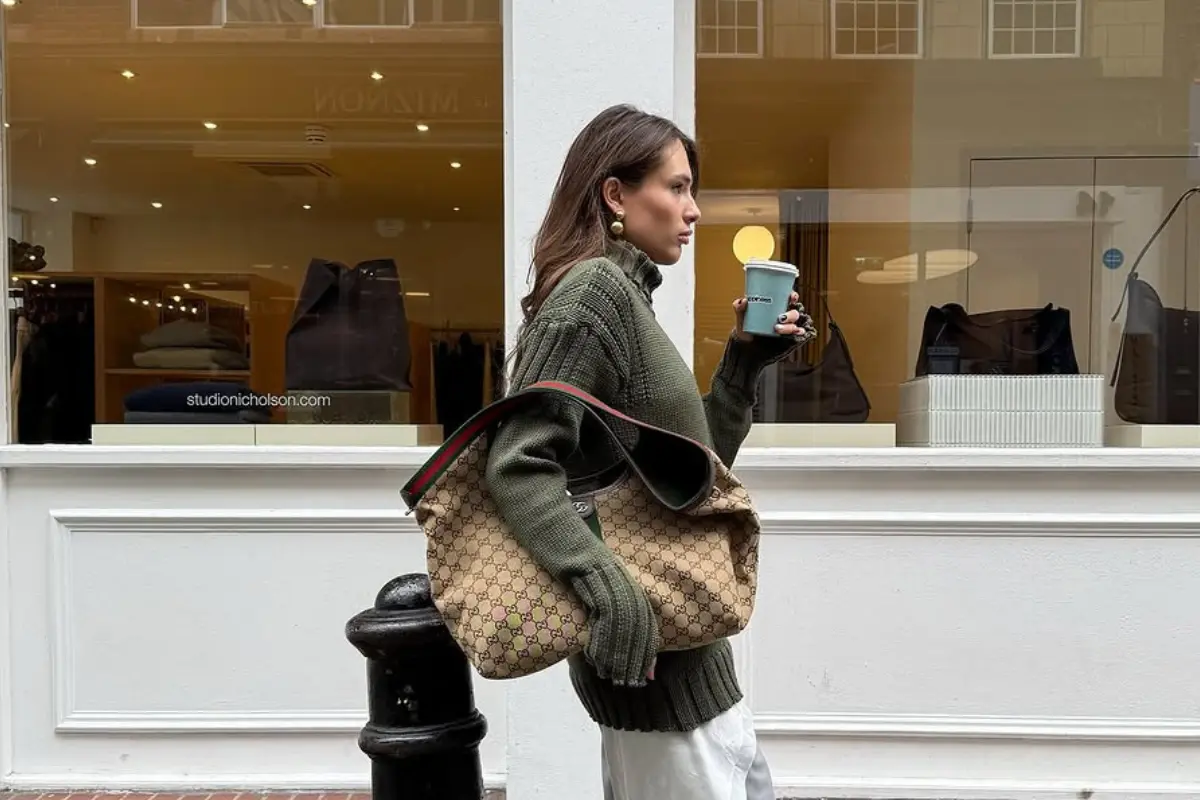
So brands began to change strategy. With these bags—usually the logo-monogrammed ones—being flexed all over the internet, fatigue for the brand began to set in. More and more houses began to turn their attention to what they were known for in the first place. They slowly began to highlight their non-logo products, using other markers for those in the know. Bottega Veneta’s intrecciato weave, Maison Margiela’s four stitches, Loewe’s anagram, Jacquemus’ hidden J-loop stitch, these brands relinquish their logos so that their designs can speak for themselves. Because unlike the counterfeits, these pieces are being created in real time so they have the ingenuity and flexibility to pivot whenever they want. A counterfeit is just plagiarism cosplaying to emulate the feeling of luxury. But for brands that have built their maisons with purpose and a clear vision, they know that they don’t need a monogram to stand.