
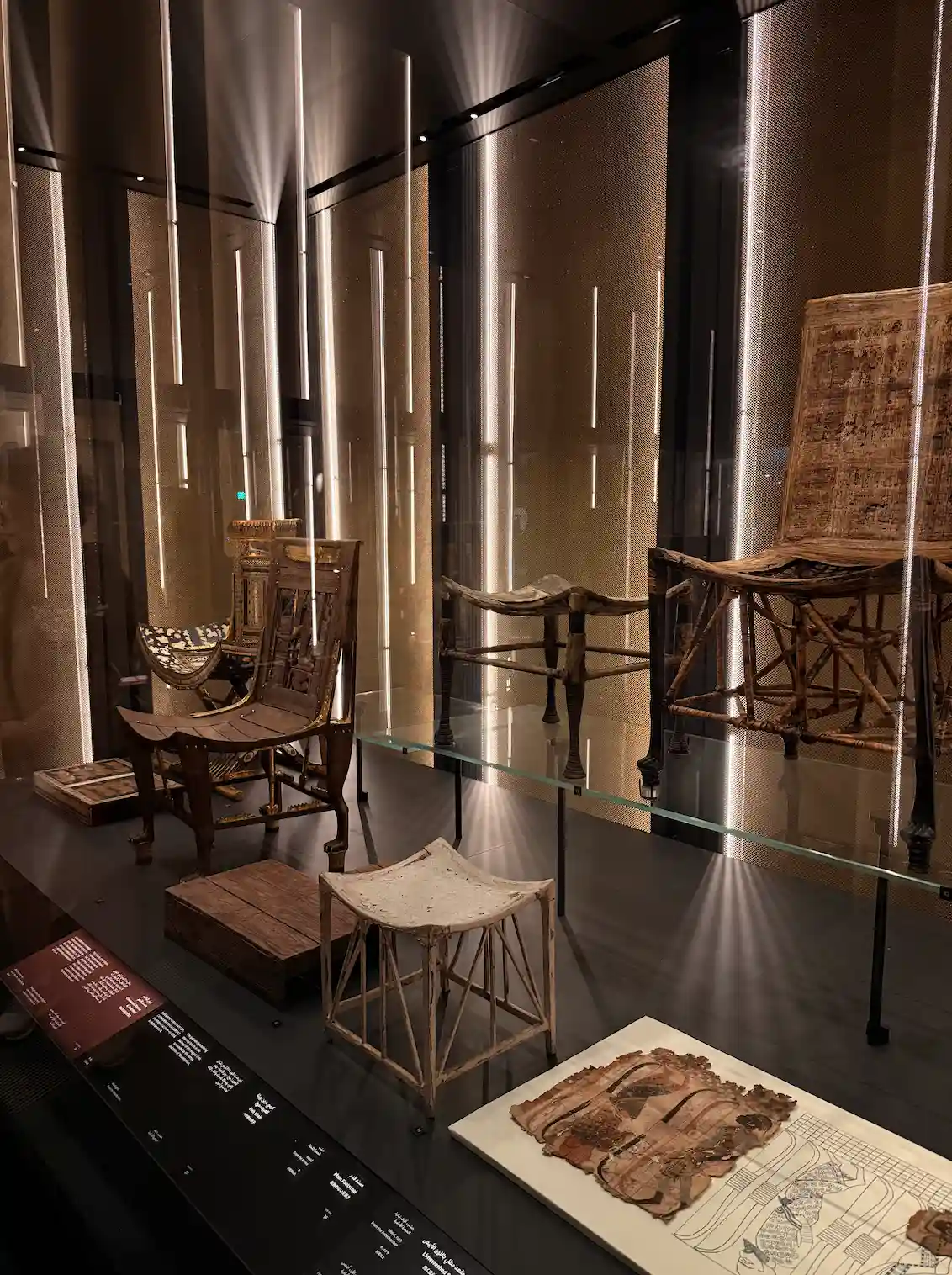
I recently visited the Grand Egyptian Museum, and somewhere between the vitrines of jewellery, ceremonial objects, carved furniture and fragments of daily life, a sad realisation took over my mind. These were civilisations that understood how to live with beauty, instinctively. Not perform it for the camera, not flatten it into a passing fad, but build it into the architecture of ordinary existence. Design was part of the worldview. It was there in the curve of a vessel, the proportion of a chair, the finish of a cosmetic jar, the symbolism worked into surfaces that still speak, thousands of years later.
And it made me wonder, what exactly 2026 will leave behind.
Will our era ever stand as a meaningful reference point in the story of how people lived, dressed, adorned their homes and expressed taste? Or will it read as a period defined largely by replication, by a strange collective surrender to sameness? Because for all our talk of personal style, so much of contemporary living feels caught in a loop of visual déjà vu. The same Pinterest prompts. The same algorithm-approved interiors. The same pale boucle chairs, the same neutral throws, the same coffee table books arranged just so, the same Ikea staples appearing from one apartment to the next like props passed around a single global set.
We have become highly fluent in the language of reference, and far less confident in the art of original taste.
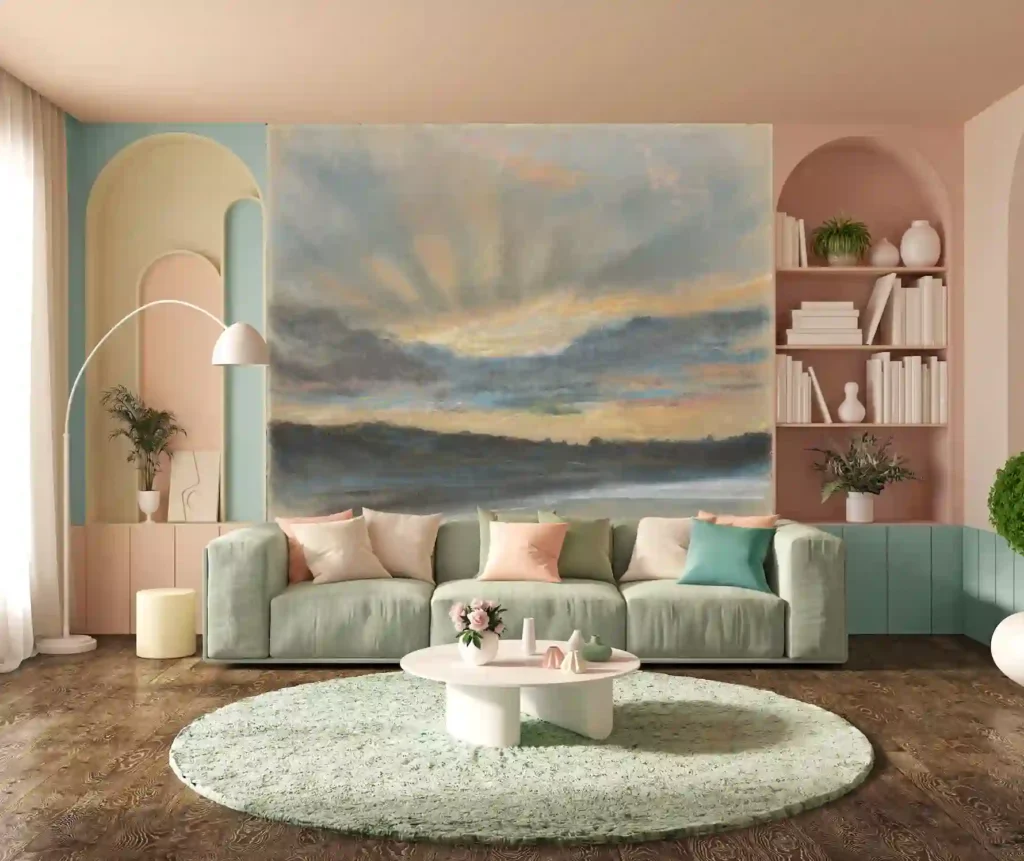
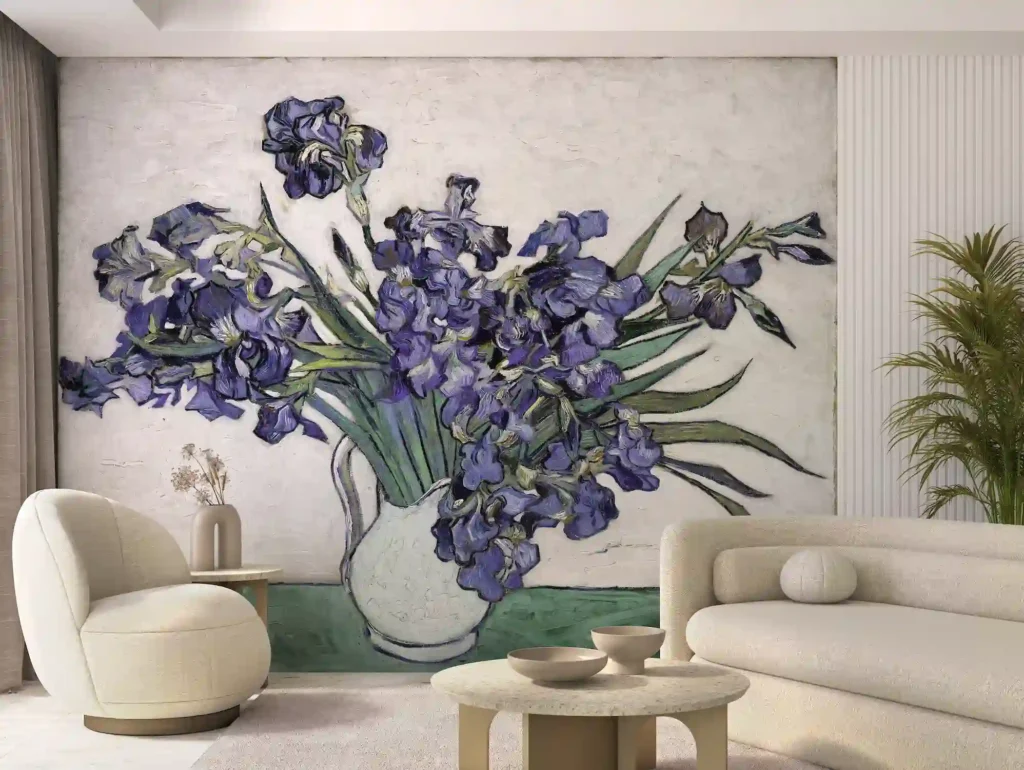
That is why a collaboration I came across this morning felt unexpectedly heartening. The Met New York has partnered with Sedar Global, the long-established Middle Eastern design house, on an interiors line that takes works from the museum’s collection and reimagines them for the home.
Available across the MENA region, the limited-edition summer collection brings a selection of licensed artworks into wallpaper, blinds, curtains, cushions and other home accents, with each piece designed to be customised to different dimensions and finishes. It is not being presented as a one-size-fits-all décor drop, but as a more tailored proposition, one that allows homeowners to work art into their spaces in a way that feels personal rather than formulaic.
The collection draws from a wide range of visual references, which is part of what gives it more substance than the average museum tie-up. There are works tied to Van Gogh and Monet, but also Turner, Kandinsky and Delacroix, alongside imagery inspired by ancient Egypt, nature, sunsets and travel.
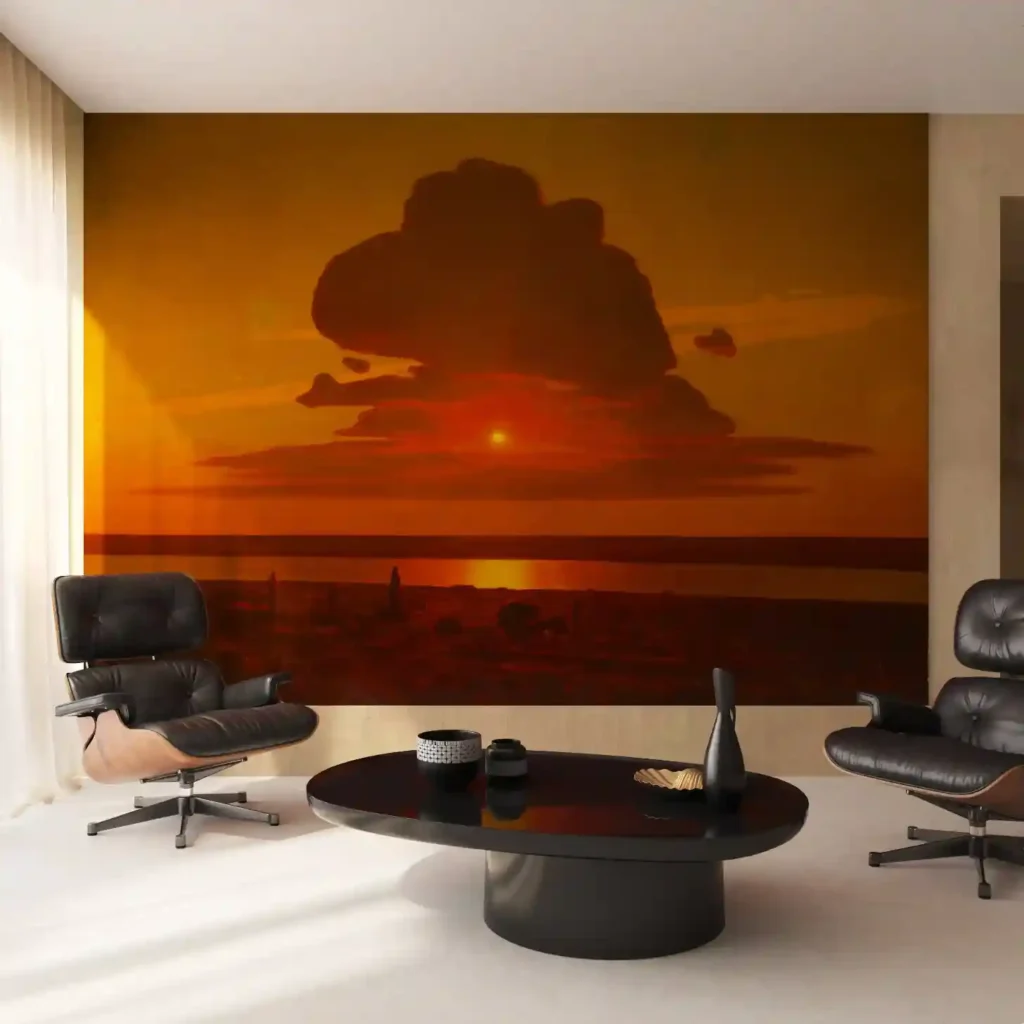
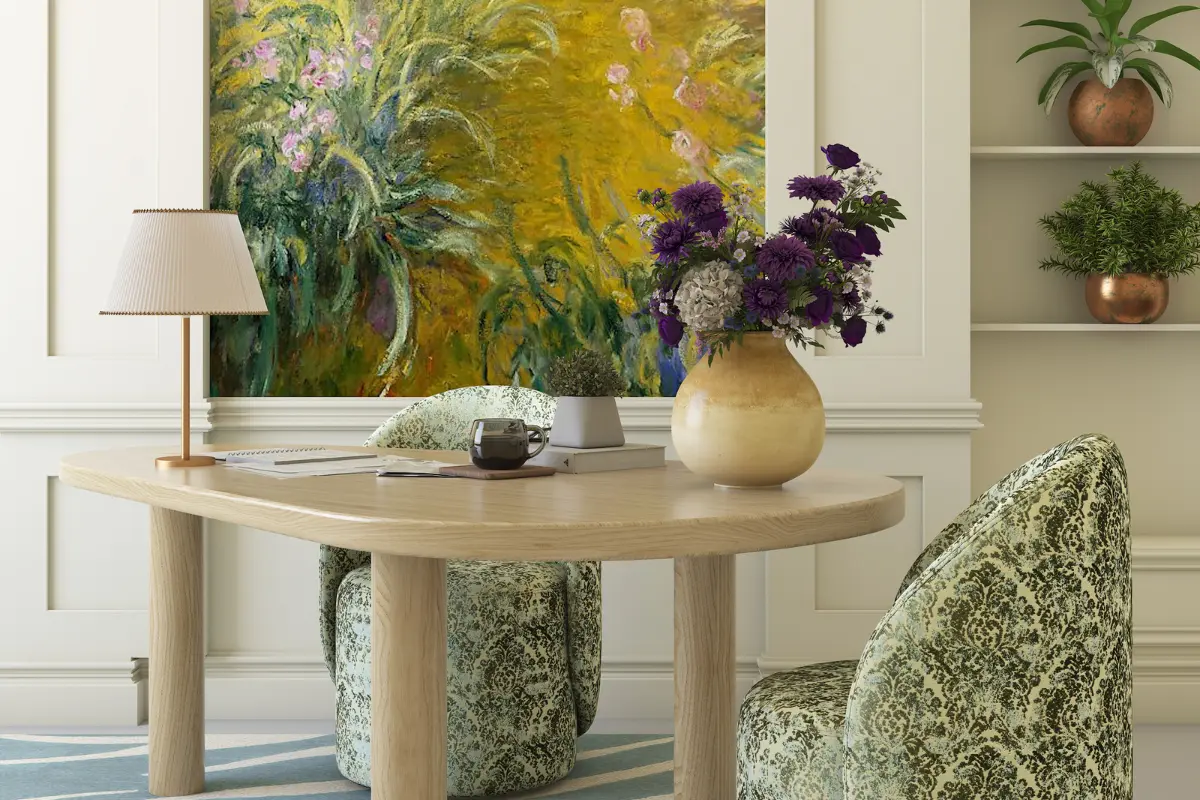
Among the highlights are designs inspired by Van Gogh’s The Flowering Orchard, which captures the vivid optimism of spring in Provence, and Monet’s Palm Trees at Bordighera, painted from the Italian coast with its sunlit view stretching towards the Alps. The Path Through the Irises also appears as part of the offering, drawing on one of Monet’s most recognisable floral preoccupations.
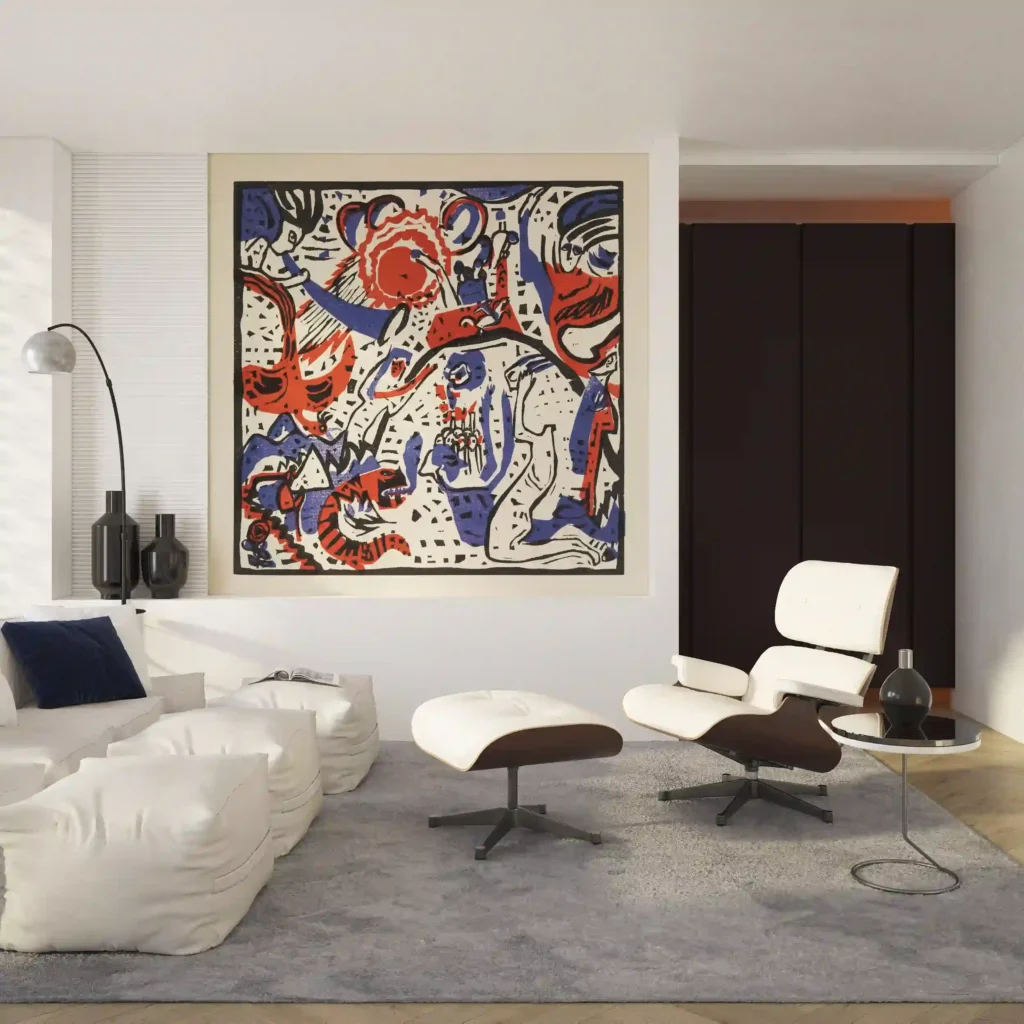
For homes that lean more modern, Kandinsky’s abstract works bring a sharper, more graphic edge, while pieces inspired by Turner introduce the watery romance of Venice through blinds and pillows.
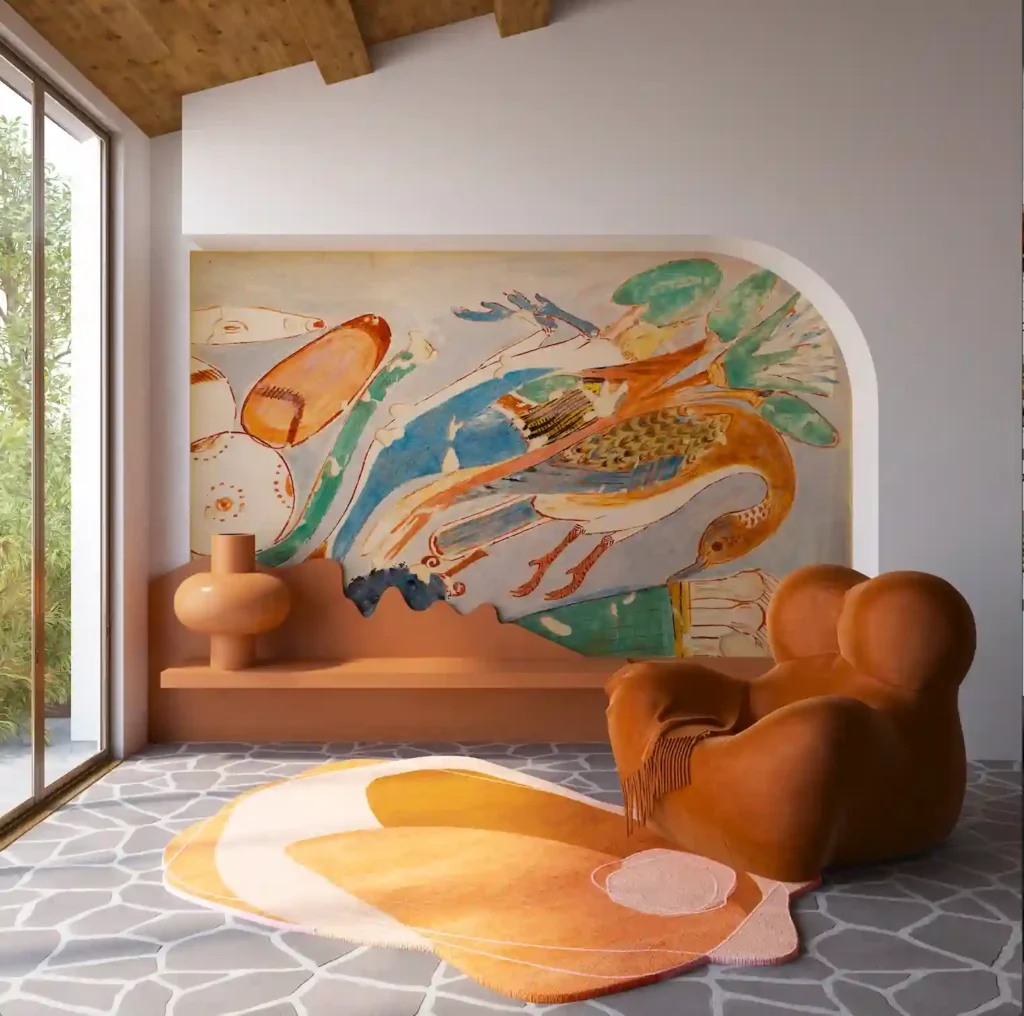
There are also interpretations of works by Charles K. Wilkinson that reproduce scenes from ancient Egypt, which feels especially resonant for a regional audience, and perhaps especially timely at a moment when so many are looking back to heritage and visual history for design cues that carry more weight than trend alone.
Sedar Global has built its name across the window and wall décor space for more than a century, with a footprint that spans the UAE, Saudi Arabia, Kuwait, Egypt, Iraq and beyond. The company understands a market where interiors are rarely incidental, where curtains, walls, textiles and finishing details are treated as central to the atmosphere of a home rather than secondary to it.
It also builds on an existing relationship. The first Met x Sedar collaboration launched in October 2024, marking the first time artworks from the museum appeared across interior pieces in the region. This new summer chapter continues that idea, but with a seasonal lens and a broader emphasis on artistic references within everyday living spaces.
You can browse the collection both in store and online through Sedar Global, selecting from a curated library of designs and applying them across different furnishing categories.