

If you haven’t been keeping up with the latest in-clinic treatments, then peptide therapy might fly above your head. In general, peptides have entered the skin care conversation in a big way as the beauty industry flaunts its new favourite ingredient. And the hype doesn’t come out of thin air; peptides are extremely useful in helping with skin resilience, texture, and lines.
But that’s skincare. How do peptides work as an in-clinic treatment? And how can they differ from their skincare counterparts? We chat with Dr Anant Vinjamoori, a Harvard-trained longevity physician and Chief Medical Officer at Valeo Health, to understand this treatment inside and out so we can make an informed decision before committing to it.

So, What is Peptide Therapy Exactly?
Most people assume that peptides are proteins, similar to collagen and elastin. But peptides go one level deeper. They are amino acids, the building blocks of protein, but not proteins exactly. “Peptides act as signalling molecules in the body,” says Dr Vinjamoori. “They bind to specific receptors on cells and instruct them to do something like repair tissue, release a hormone, reduce inflammation, or produce collagen.”
“Your body makes thousands of them naturally. Peptide therapy involves administering specific peptides to restore or amplify signals that decline with age, stress, or hormonal shifts. The distinction from conventional medicine is precision. Rather than broad pharmaceuticals that affect multiple systems, peptides target one pathway at a time.”
And that’s precisely why they’re so popular. When the natural peptides decline with age, peptide therapy can stimulate the areas that need that extra love. However, that is only part of the conversation. “This (peptide therapy) is not a shortcut or a miracle fix,” says Dr Vinjamoori. “Effectiveness depends entirely on the individual, proper diagnostics, clinical supervision, and how the therapy is integrated into a broader health strategy. Without those, you’re guessing.”
Considering its sudden popularity, there has been some rightful questioning about the validity of peptide therapy. Dr Vinjamoori says it’s a half-and-half. “The hype is real,” he says. “Social media is full of people self-prescribing research-grade peptides based on influencer protocols, stacking compounds without diagnostics, and treating peptide therapy like a supplement stack rather than a medical intervention.”
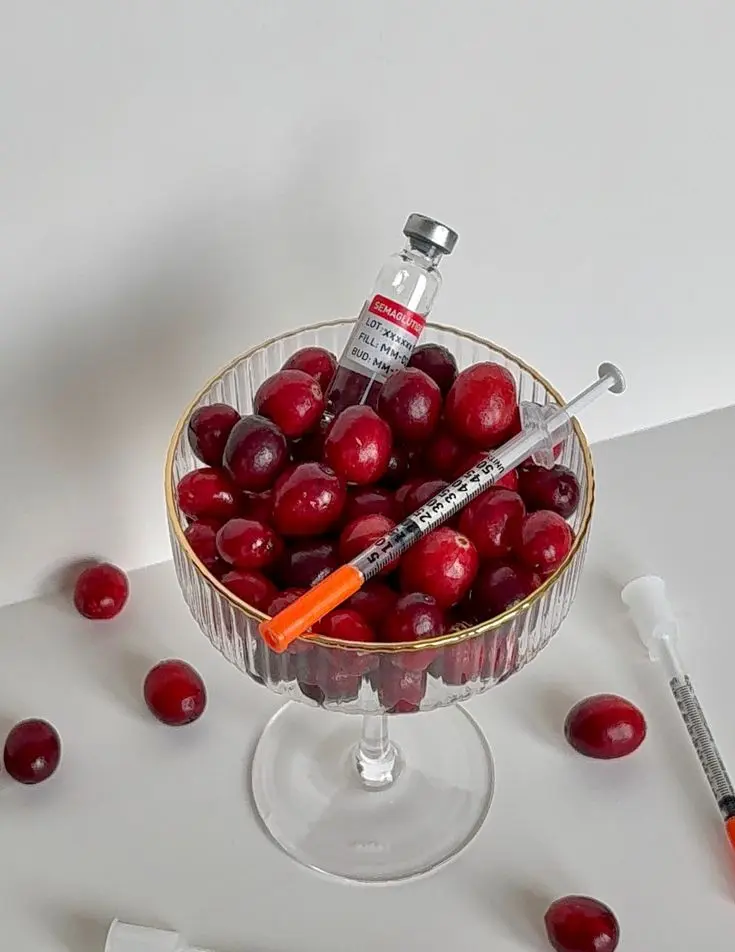
But according to the doctor, social media cannot beat the real science behind the treatment. “The science is not a fad. Peptides are fundamental to how the body communicates at a cellular level. GLP-1 agonists like semaglutide have already proven what peptide-based therapies can achieve with proper clinical validation. Growth hormone secretagogues, tissue repair peptides, immune modulators—these have strong mechanistic foundations and growing clinical evidence. The therapies backed by real data will become more refined, more regulated, and more integrated into standard preventive care. The ones running on hype will be filtered out. That’s how medicine works.”
How Can Peptide Therapy Benefit Us?
Since peptides are essential to our bodily functions, the benefits are enormous and go way beyond clear skin. Depending on the form of peptide therapy, it can help with the body’s metabolism, muscle growth and recovery, hormonal balance, cognitive function, cardiovascular health, joint health, and improve our immune system.
According to Dr Vinjamoori, these benefits are the reason why peptide therapy has gained traction in the GCC in the first place. While peptide therapy mainly targets skin health, other forms can manage deeper issues such as Type 2 diabetes and obesity. “The GCC presents a distinct biological environment. Chronic heat exposure contributes to oxidative stress, dehydration, and accelerated skin damage. High-performance lifestyles, demanding work schedules, and urban density affect sleep quality, recovery, and metabolic regulation. The region also has a well-documented prevalence of insulin resistance, obesity, and vitamin D deficiency despite abundant sunlight, largely due to indoor lifestyles and dietary patterns.
This is partly why peptide therapies gained traction here early. The metabolic need was already present. The GCC peptide therapeutics market is growing at 8–10% annually, and wellness tourism is expanding over 20% year-on-year, with the UAE alone contributing $4–6 billion to the longevity market,” says Dr Vinjamoori.
The Ideal Patient for Peptide Therapy
As mentioned before, peptide therapy can cover a range of treatments that target different body goals. For some, that can be addressing fine lines and wrinkles. For others, that could be injury recovery and tissue repair. And then, there are the deeper issues that haven’t been addressed yet.
“The best candidates are individuals noticing real shifts in themselves. Declining recovery capacity, disrupted sleep, changes in body composition despite consistent training, reduced energy, or early metabolic markers that haven’t yet progressed to diagnosable disease. That’s the window where peptide therapy delivers the most value, when you’re intervening on dysfunction rather than waiting for pathology,” says Dr Vinjamoori.

So, How Does the Procedure Work?
Like most treatments, peptide therapy begins with a thorough medical consultation. With this, medical experts will assess your goals and put a plan in place. The plan begins with following guidelines on hydration, diet, and exercise. These work in tandem with the treatment to help with optimal absorption and effectiveness. The actual procedure involves peptides being administered via injections or topical applications; it all depends on individual goals and the form of treatment. According to most reports regarding peptide therapy, side effects of the treatment are rare and mild, usually involving soreness from the injected site.
Tips Before Entering Your Peptide Therapy Treatment
When asking about advice before beginning a peptide therapy treatment, Dr Vinjamoori had plenty to offer. “Be specific about the problem you’re solving. “I want to feel better” is not a clinical indication,” he says. “Start with the fundamentals. Sleep, nutrition, exercise, and stress management. These will always deliver more return than any peptide, and if they’re not in place, results will be limited regardless of what you inject.
Prioritise evidence. Not all peptides are equal. Know the difference, and make sure your physician explains it.
Be careful about sourcing. The single biggest risk in peptide therapy is product quality. Research-grade peptides sold online have documented contamination with bacterial endotoxins and undisclosed compounds. Pharmaceutical-grade products from licensed compounding pharmacies are non-negotiable.
Set realistic expectations. Benefits are typically gradual, measurable, and modest. If someone is promising dramatic, immediate results, they’re selling you something.
Think in systems. Peptides are one tool within a broader health strategy that includes diagnostics, lifestyle optimisation, and clinical oversight. The most effective use of peptide therapy is not as a standalone solution but as a targeted intervention within a well-structured, personalised plan.”
And as always, seek professional guidance to further answer any questions before fully embracing a peptide therapy treatment. This is not a treatment where one size fits all, so your chances of getting what you need also lie in your own discretion.