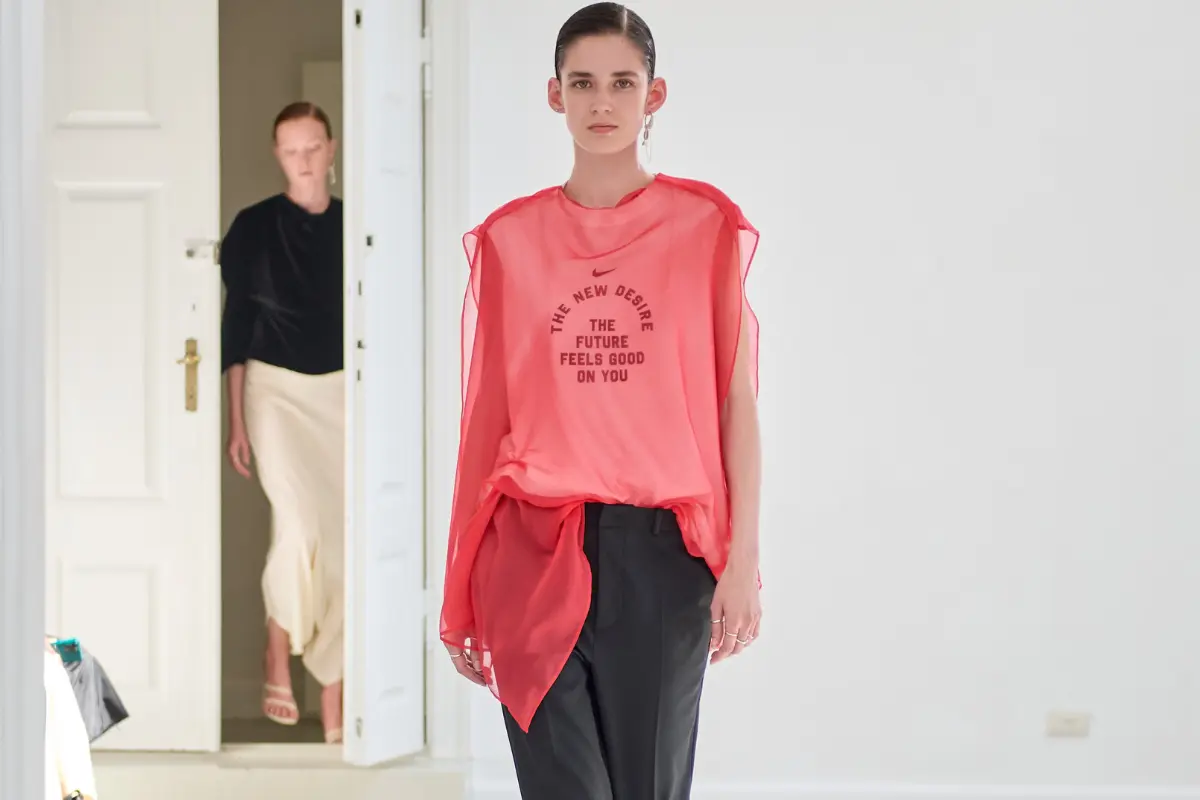
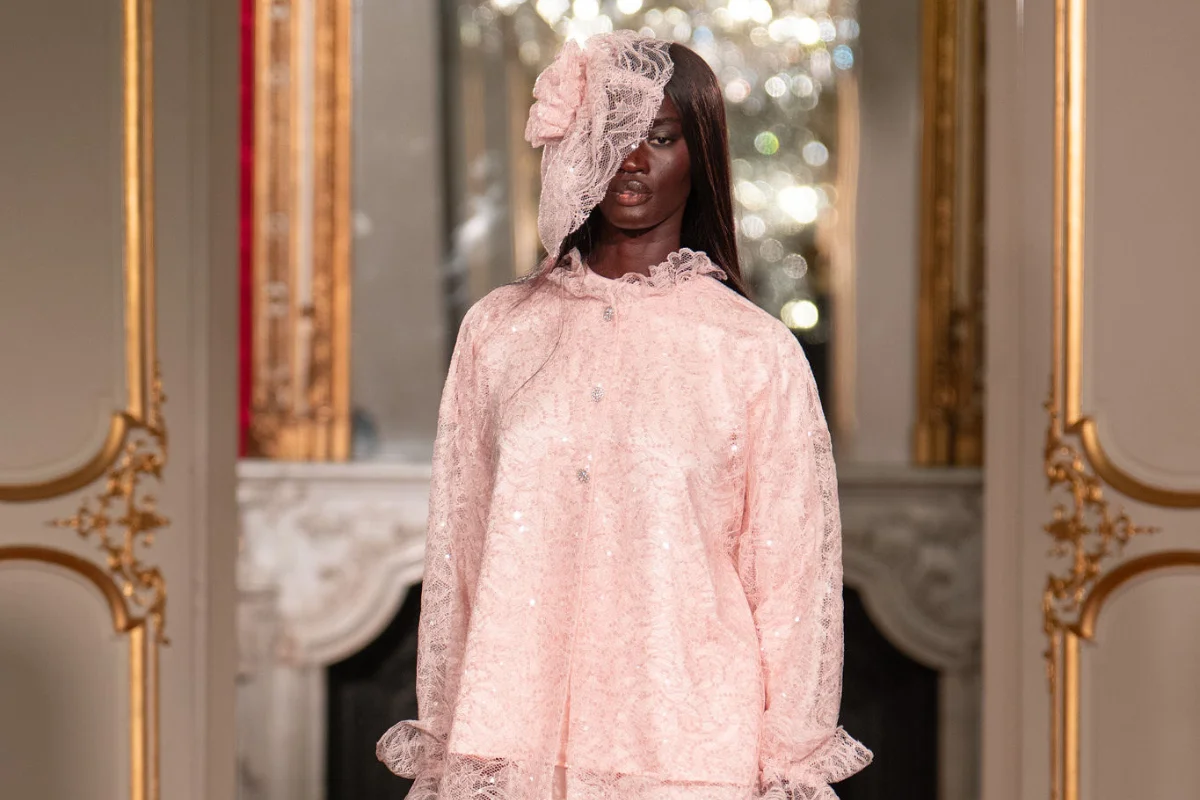
Some fashion moments create visibility. Others signal a shift. Lamodesa’s presence at Paris Modest Fashion Week felt like the latter.
Set against the backdrop of Paris, where fashion is both art and industry, Lamodesa made a statement about how Modest fashion is not an emerging category anymore. It is already moving, selling and shaping wardrobes across markets. What it needs now is the right structure around it, from stronger digital systems to better access, visibility and support across the fashion industry.
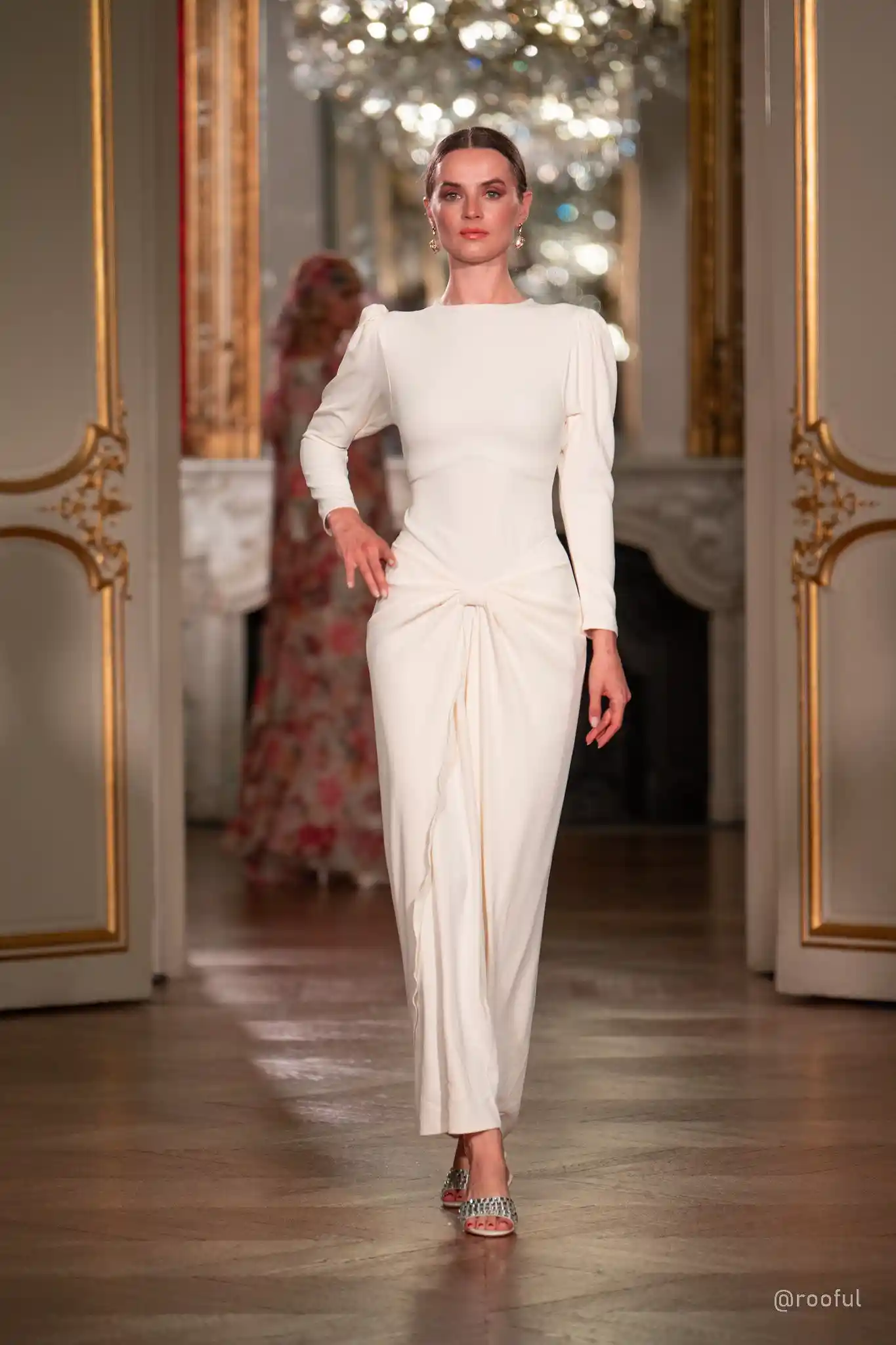
But Lamodesa’s ambition goes beyond traditional definitions of modest fashion. It is not building only for one faith, culture, or geography. It is building for a global consumer who may choose modesty for religious reasons, cultural identity, personal comfort, aesthetic preference, lifestyle, elegance, or simply because she wants clothing that feels refined, considered, and her own.
In that sense, Lamodesa is helping modest fashion move from a category often defined by boundaries into a global language of intentional dressing.
Highlights from Paris Modest Fashion Week
Paris Modest Fashion Week gave Lamodesa cultural presence. In the heart of the world’s fashion capital, the platform moved beyond the screen and into an industry-facing space alongside designers, creators, buyers, stylists, and fashion observers shaping the next phase of modest style.
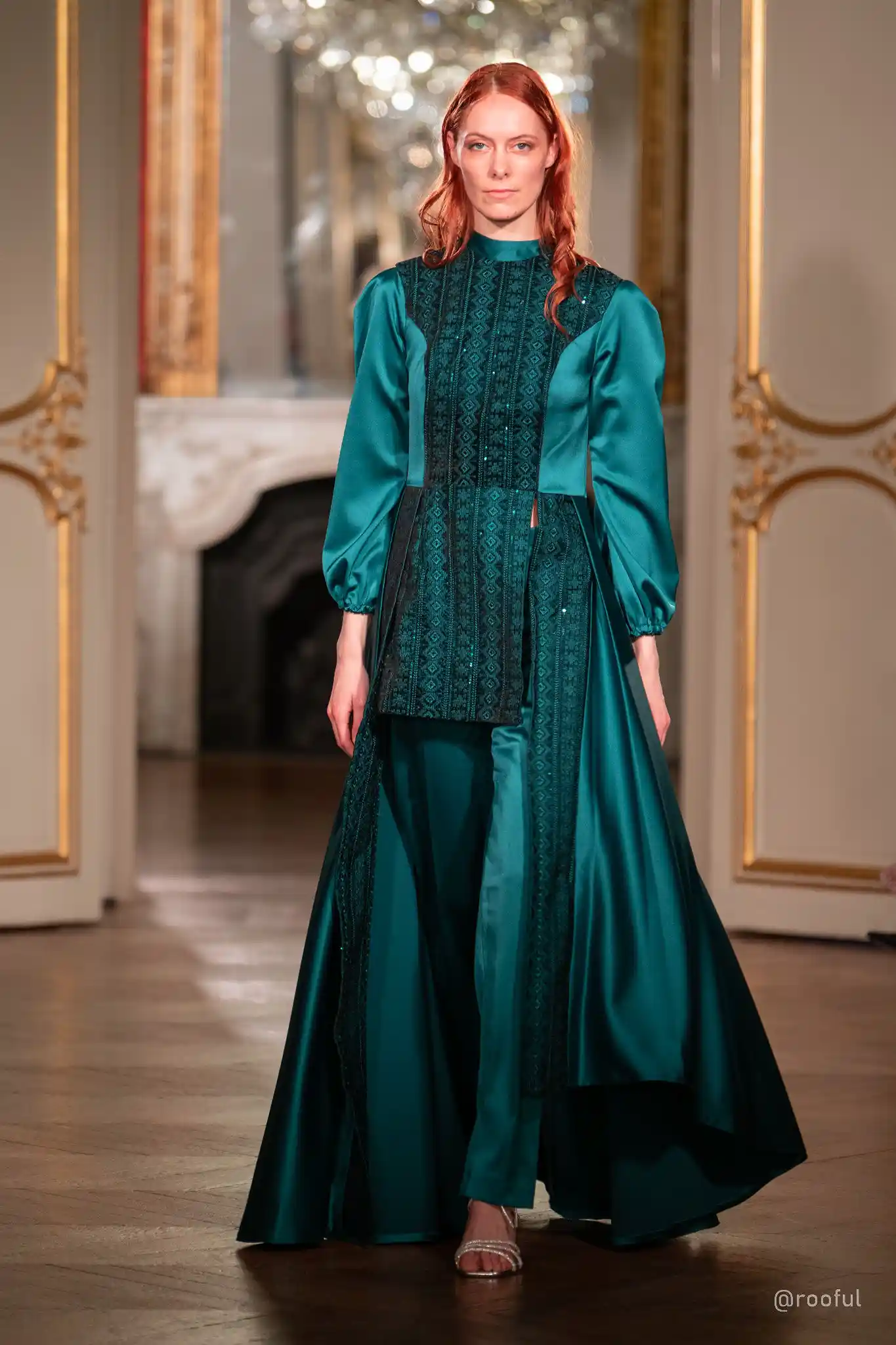
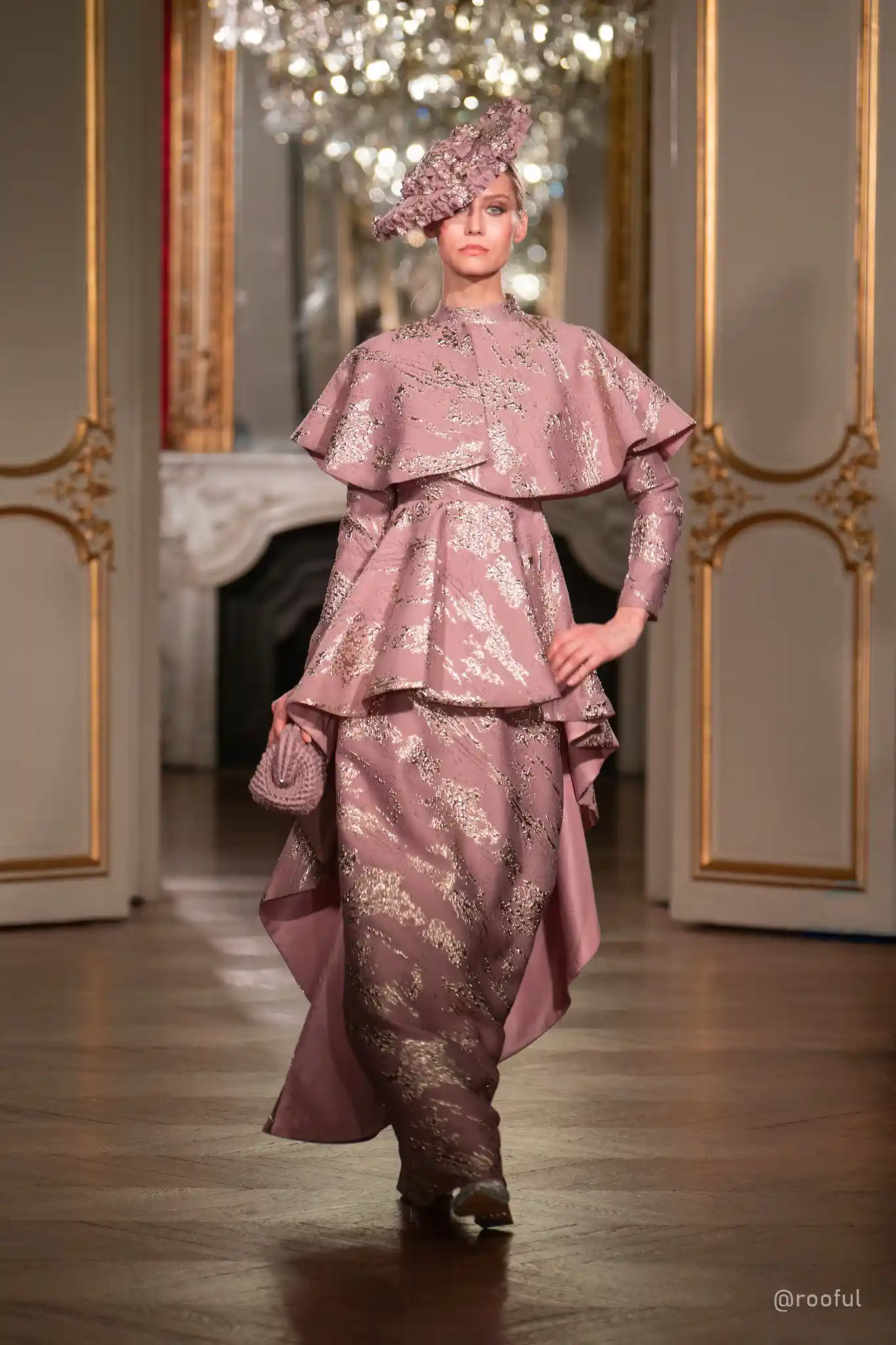
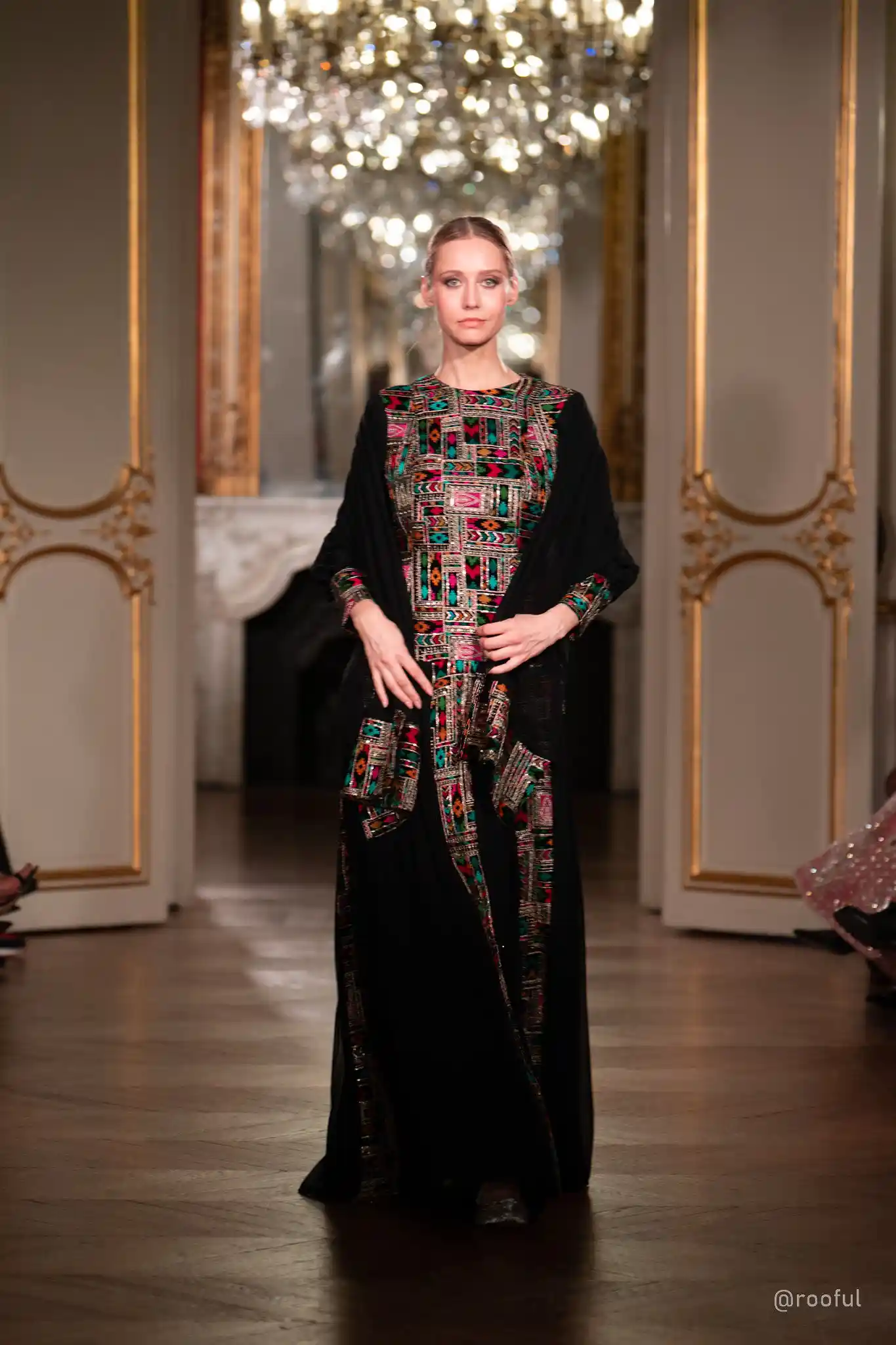
During the event, Lamodesa partnered with four distinctive brands, Hama Yassen, Terze Dukanni, Al-Tatari, and Shoog Boutique. Together, they displayed the diversity of global modest fashion that Lamodesa is bringing to market—from the elegant abayas of Hama Yassen and old-money elegance of Terze Dukanni, to the contemporary dresses of Al-Tatari, and the Provence-inspired femininity of Shoog Boutique.
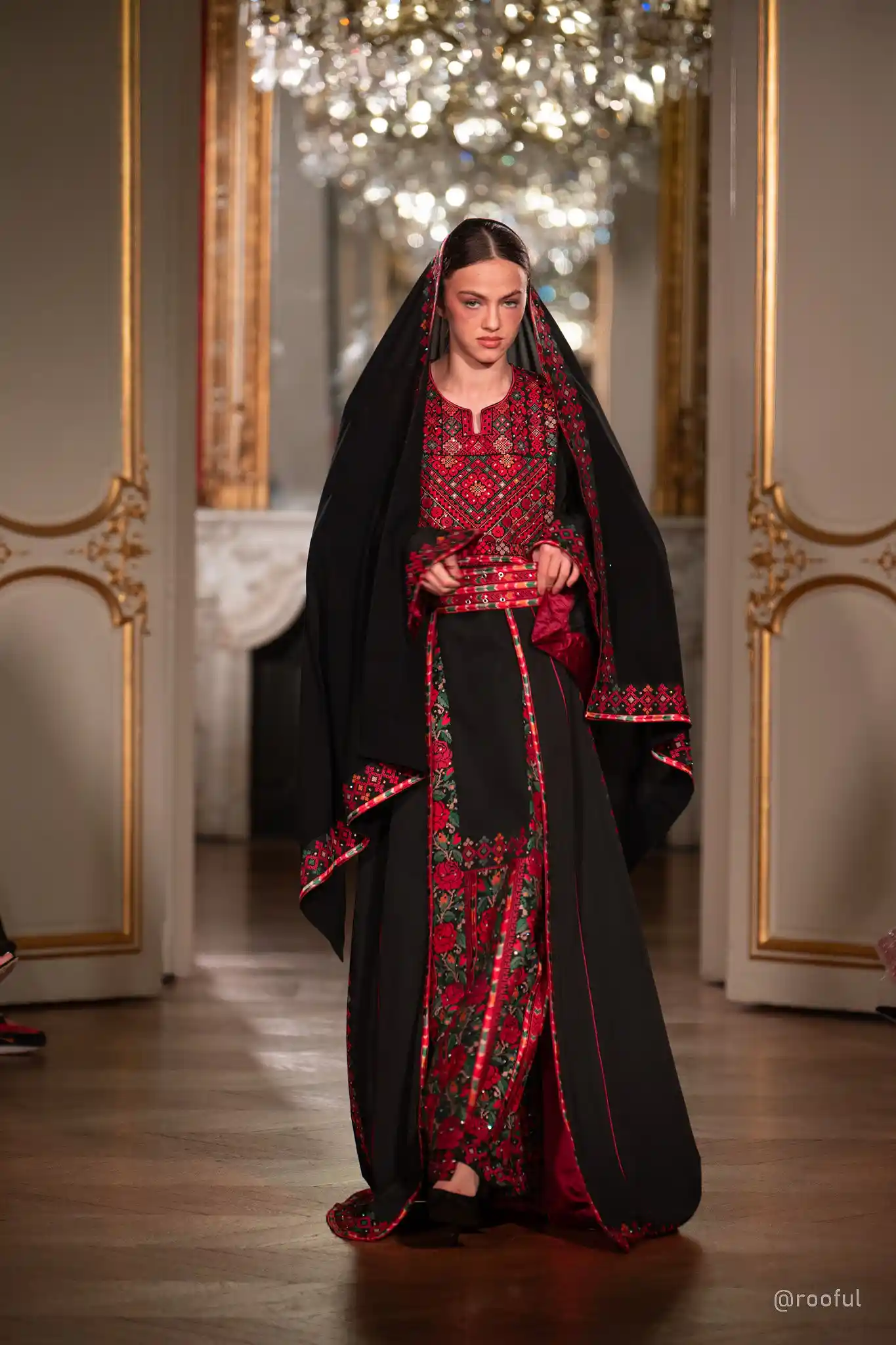
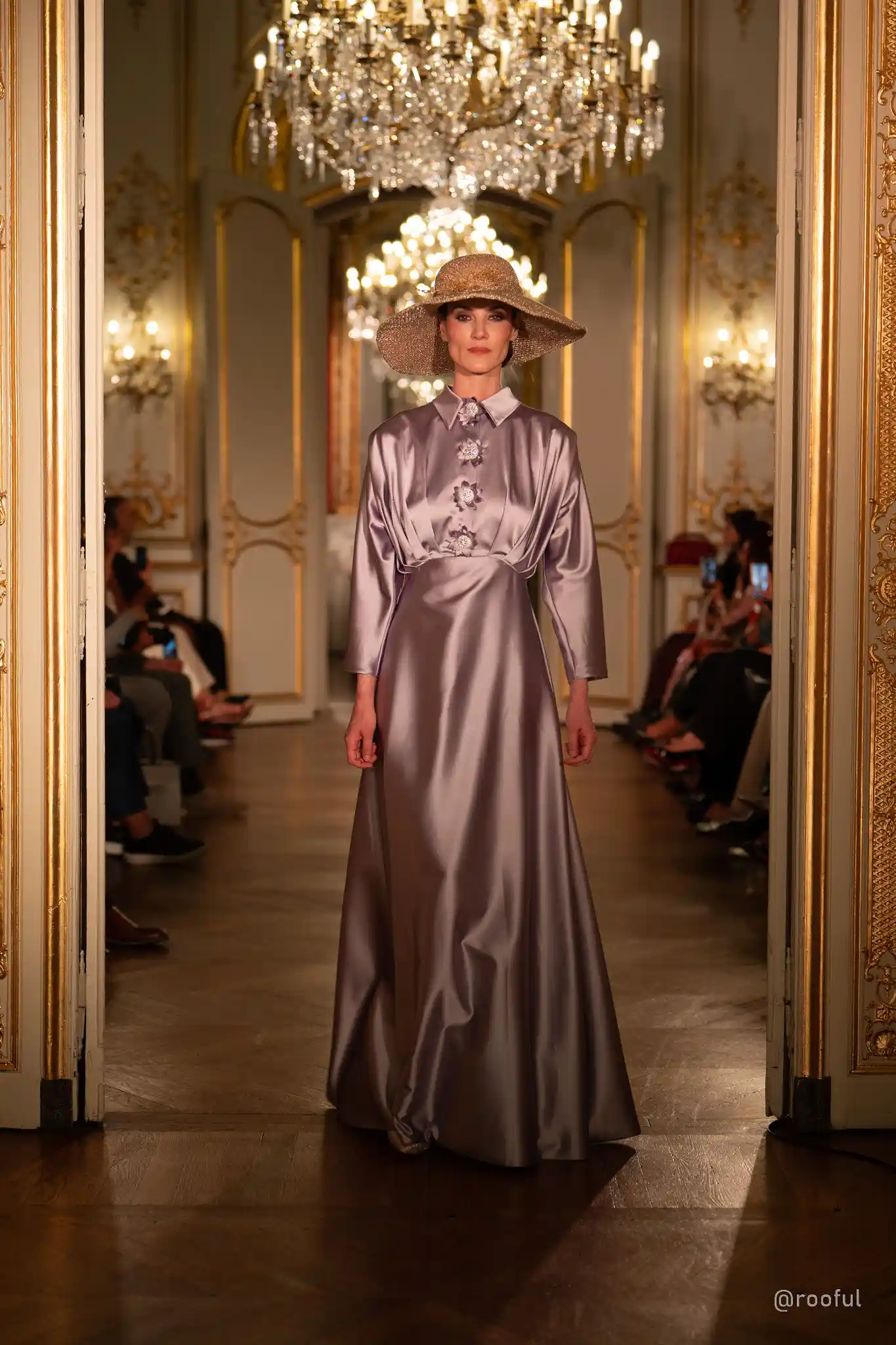
Lamodesa also partnered with Aya Abdelhakam, an Abu Dhabi-based influencer, whose presence added a strong cultural and digital voice to the platform’s Paris moment.
The highlight came on Day 2, when Lamodesa closed the fashion show with a curated collection featuring four designers and complementary items brought together into one cohesive fashion statement. It was a powerful demonstration of what Lamodesa is building, not just a marketplace, but an ecosystem where brands, designers, influencers, and consumers connect around a shared vision of modern modest fashion.
For years, modest fashion has been described as niche, even while its consumers have been global, loyal, discerning, and underserved. The customer existed. The designers existed. The demand existed. What was missing was a sophisticated bridge between them.
Lamodesa is building that bridge.
Opening Modest Fashion to Global Brands
Lamodesa is also creating a new opportunity for brands that have historically not known how to enter the modest fashion space.
Many American, European, Japanese, and international brands already create pieces that appeal to modest consumers, including longline coats, relaxed tailoring, maxi dresses, high-neck blouses, wide-leg trousers, elegant outerwear, and refined separates. Yet these brands have often remained outside the modest fashion conversation because they lacked the language, context, platform, or customer access.
Lamodesa changes that.
By creating a curated environment dedicated to modest and intentional dressing, the platform allows global brands to participate in the category without needing to reinvent themselves. A Japanese label known for minimal silhouettes, a European brand known for tailoring, or an American brand known for elevated essentials can all find relevance inside Lamodesa’s ecosystem.
The ambition is broader still, to bring brands from Jakarta, Nigeria, Turkey, Greece, the United States, and beyond onto a single platform where shoppers can discover, engage, experience, and transact.
Lamodesa becomes the translator between global fashion supply and modest fashion demand.
An Accessible Digital Backbone
The modest fashion shopper is one of the most intentional consumers in fashion. She is not only looking for beauty. She is looking for opacity, proportion, movement, comfort, fit, occasion, cultural relevance, and styling flexibility.
That complexity has often made the shopping journey fragmented, one boutique for abayas, another for dresses, another for hijabs, another for occasionwear. The process has traditionally required time, trust, and endless searching.
Lamodesa is centralising that experience.
It brings together modest fashion brands from different markets inside a curated digital environment built around how modest consumers actually shop—across abayas, dresses, hijabs, activewear, swimwear, occasionwear, everyday staples, and elevated pieces that move across cultures and lifestyles.
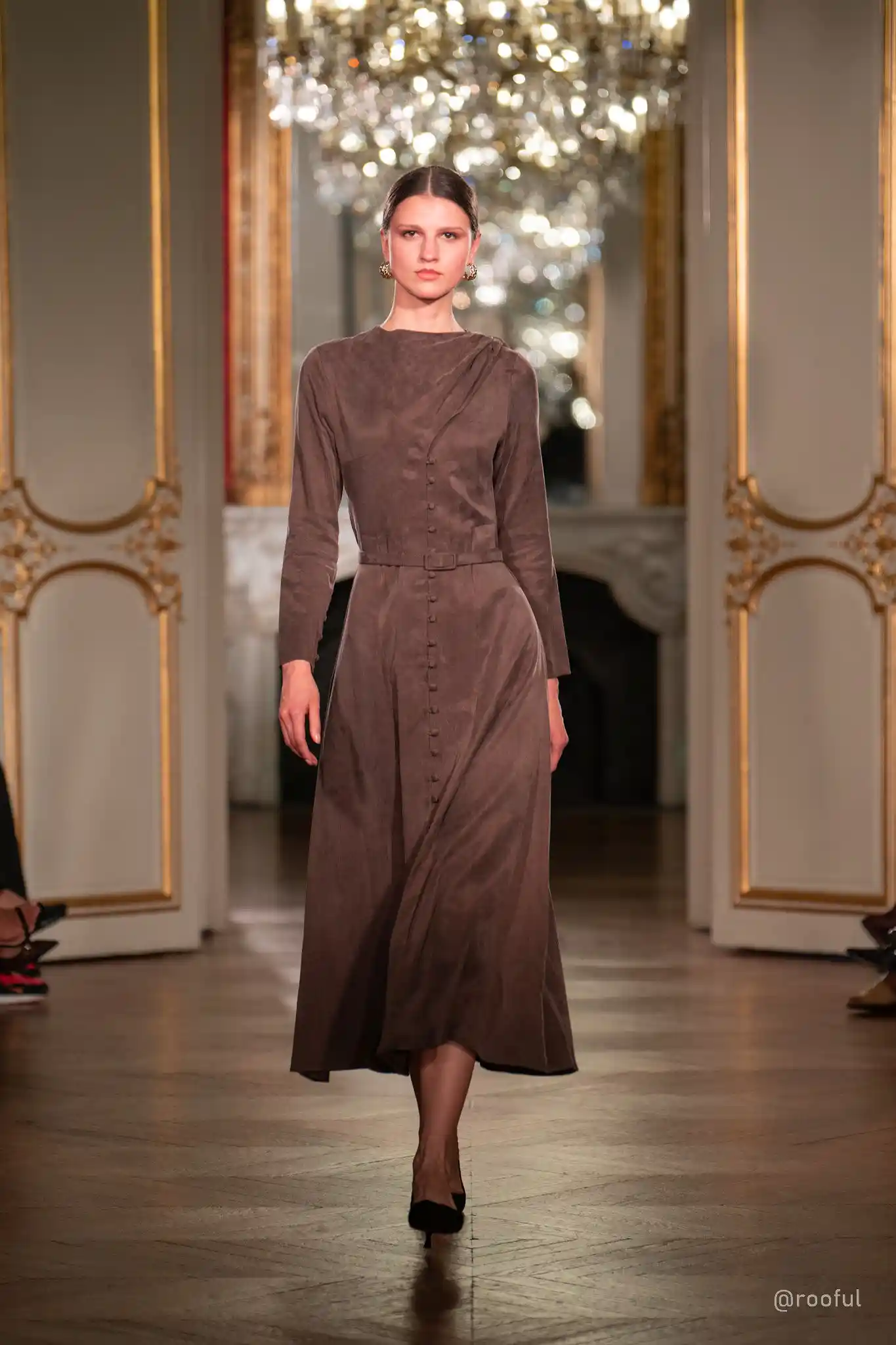
Its Paris partnerships showed this approach in action. Rather than presenting modest fashion as one fixed aesthetic, Lamodesa created a space where multiple design identities could sit together under one platform vision. It does not flatten the category. It gives the category structure.
In doing so, Lamodesa is creating more than convenience. It is creating infrastructure.
A Marketplace With Taste
The strongest fashion platforms are not just stores. They have taste. Lamodesa’s strength lies in treating modest fashion as a design language rather than a narrow category. The platform understands that modesty can be minimal, romantic, architectural, street-inspired, traditional, luxurious, youthful, or elegant.
From Middle Eastern abayas and Turkish tailoring to South Asian craftsmanship, European silhouettes, Japanese minimalism, American lifestyle brands, and contemporary resortwear, Lamodesa reflects a consumer whose wardrobe is increasingly global.
Its Day 2 closing show in Paris captured this idea beautifully. By bringing together four designers with complementary items, Lamodesa demonstrated the power of curation.
Bringing the Boutique Online
Trust is central to modest fashion commerce.
For modest dressers, the details matter. Is the fabric sheer? Is the sleeve long enough? Does the dress need layering? How does it move? Is the cut practical for work, travel, prayer, or an event?
Lamodesa’s approach is compelling because it does not treat technology as a replacement for human interaction. It uses technology to bring the boutique experience online.
Features such as direct store interaction, live shopping, and social commerce create a more personal connection between shopper and brand. For emerging modest fashion labels, many of whom already have strong communities but limited infrastructure, Lamodesa offers a new kind of storefront — one that combines visibility with operational support.
The partnership with Aya Abdelhakam reflected the same reality, modern fashion discovery happens through trusted voices and authentic communities. For modest fashion especially, influence is not only about reach; it is about credibility, styling inspiration, and connection.
Lamodesa is building for that reality.
Enabling Mainstream Adoption
Every major fashion movement reaches a point where it moves from community to culture. Modest fashion is approaching that moment.
Lamodesa’s role is to make the transition feel natural, elegant, and commercially viable.
By creating a platform where modest fashion can sit alongside global design, contemporary trends, and luxury-adjacent styling, Lamodesa helps the category become more accessible to consumers who may never have previously searched for “modest fashion,” but are increasingly drawn to its silhouettes and values.
One woman may arrive looking for an elegant long dress. Another may want resortwear with more coverage. Another may want polished workwear. Another may want an abaya. Lamodesa brings them into the same world.
That is how mainstream adoption happens—not by diluting the category, but by expanding the invitation.
The Infrastructure Era of Modest Fashion
The first phase of modest fashion’s global rise was about recognition. The second was about representation. The next phase is about infrastructure.
That is where Lamodesa is placing its bet.
The industry already has designers, consumers, cultural relevance, runway moments, regional strength, and global demand. What it needs now are platforms that connect those pieces in a seamless, scalable way.
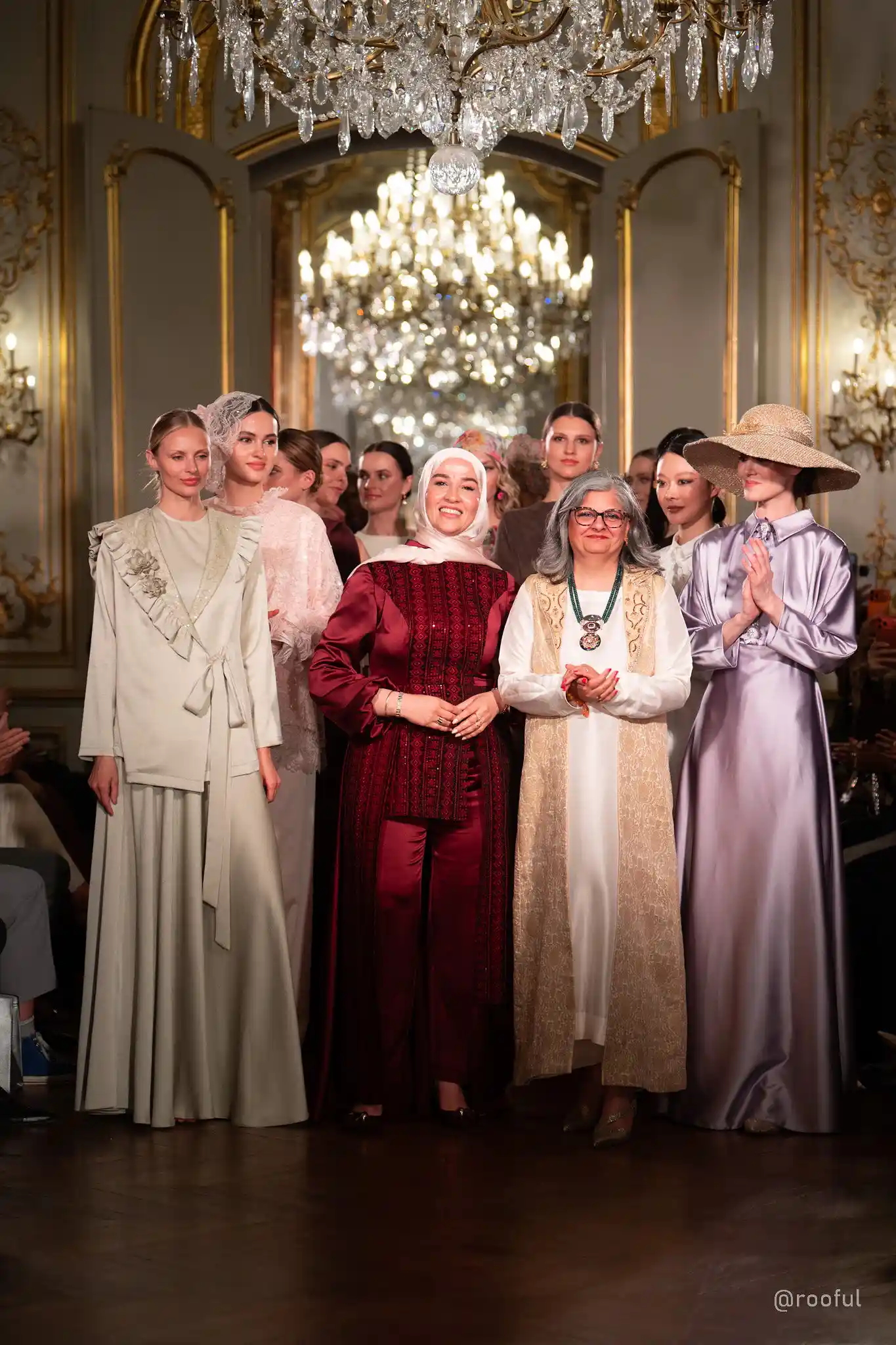
Lamodesa’s Paris presence gave the brand visibility, but its real ambition is bigger than one event. Its partnerships with Hama Yassen, Terze Dukanni, Al-Tatari, and Shoog Boutique, and Aya Abdelhakam showed the breadth of its ecosystem. Its Day 2 closing show demonstrated its curatorial authority. And its platform model points toward something larger, a single global destination where brands from Jakarta, Nigeria, Turkey, Greece, the United States, and beyond can be discovered, experienced, engaged with, and transacted by shoppers seeking modest fashion in all its forms.
After Paris, Lamodesa is no longer just part of the modest fashion conversation. It is helping build the infrastructure behind it, and opening the category to the world.