
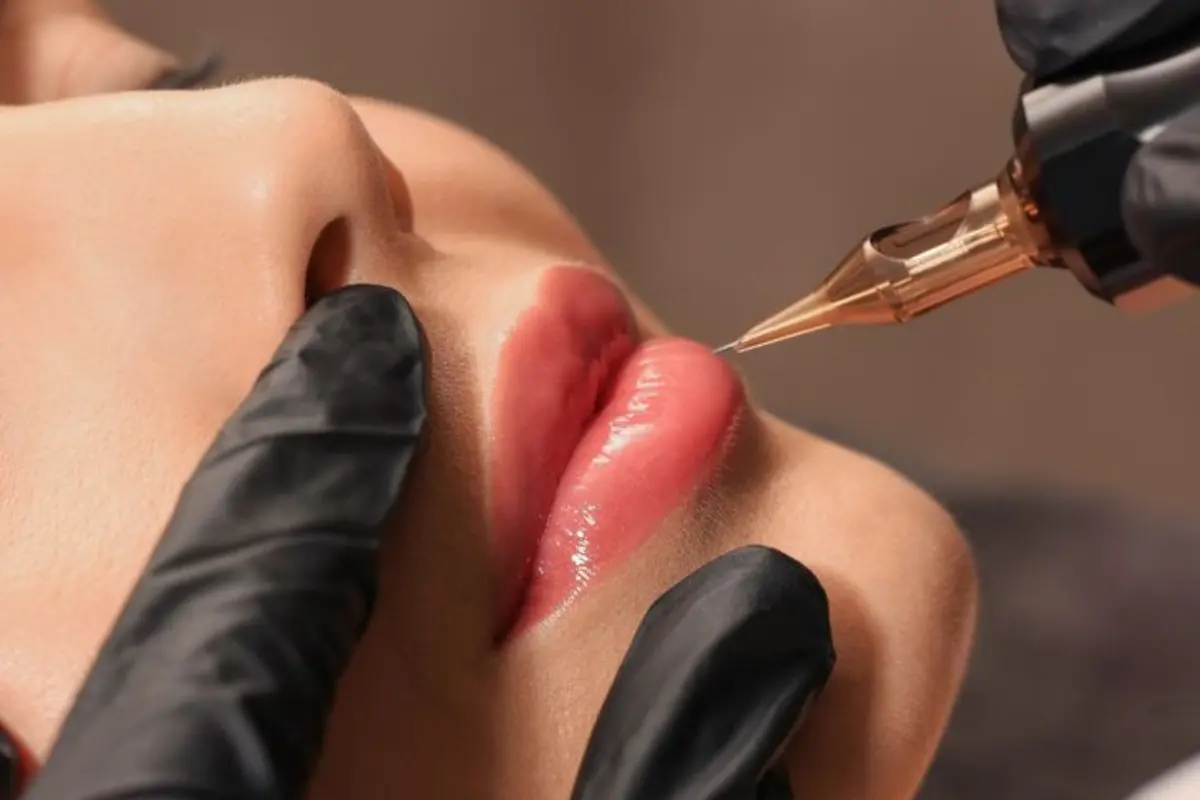
These days, the phrase “high maintenance things I do to stay low maintenance” has become a common mantra for women. Intensive rituals designed to keep the appearance of beauty last longer so that the “low maintenance” self can still be put together and polished. It looks like gel nails, lash lifts, eyebrow tattooing, laser treatments, lip blushing and the like. While the concept of planning rituals to make beauty maintenance easier is not a bad idea in itself, according to Dr Tatjana Pavicic, some of these treatments can turn from high-maintenance beauty to high-maintenance health issues. An aesthetic dermatologist, global KOL, and educator in aesthetic medicine, Dr Pavicic is no stranger to these treatments and the hidden cost that comes with them when things go south.

How Gel Nails Can Make a Soft Life Go Hard
The rise of these treatments has brought the rise of their side effects. According to Dr Pavicic, she mentions that “Dermatologists are seeing onychomycosis, fungal nail infection, in younger women than ever before, and the common thread is almost always long-term, continuous gel wear. The space between a gel product and the nail plate is warm, dark, and sealed. It is exactly the environment that fungi thrive in, particularly if there is any lifting at the edges where moisture can creep in.”
But that’s not all, Dr Pavicic notes that most gel products contain a compound called HEMA, an ingredient that helps the polish stick to the nails. But overexposure and uncured polish can trigger a severe allergy that affects other parts of our lives. “(HEMA) are found in dental composite materials and certain medical adhesives. A sensitised patient may be unable to receive routine dental fillings without a significant allergic reaction,” notes Dr Pavicic.
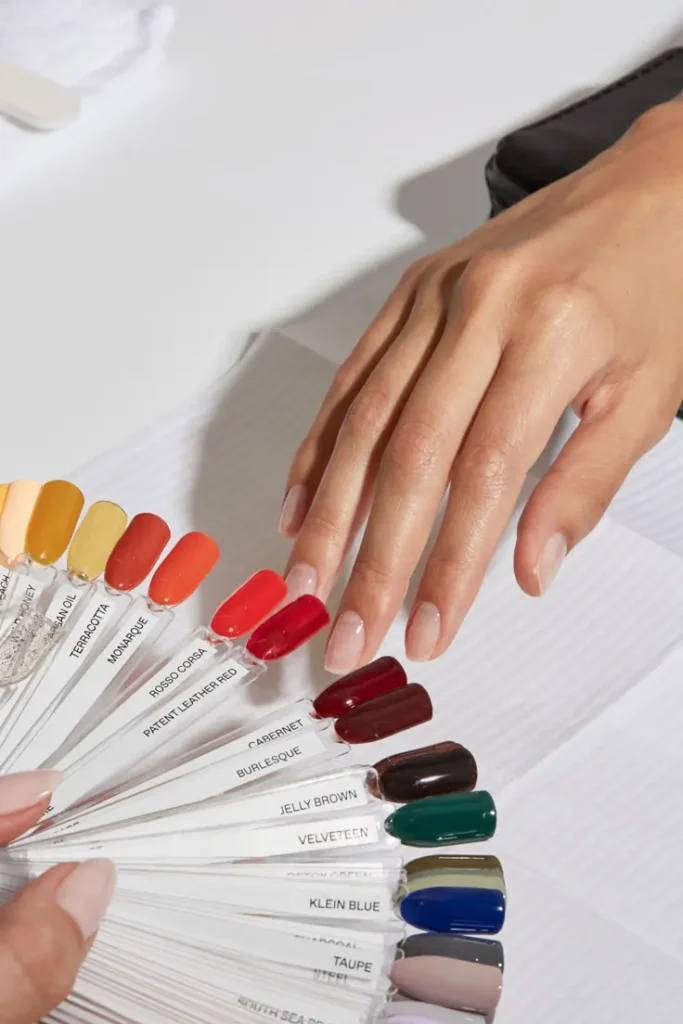
Other issues also lie in making these treatments our “beauty maintenance”. By doing so, we have normalised continuous treatment and increased the risk of compromising the nail bed through repeated use and improper practices. “The nail plate is a living structure. It breathes, it hydrates, and it is quietly accumulating damage every time it is filed, soaked, and re-coated without adequate rest,” says Dr Pavicic. She notes that she has witnessed several cases of thinning nails and fungal infections due to continuous gel manicures that don’t give the nails any breathing room to recover. “The problem with gel and BIAB manicures is not any single appointment. It is the repetition over months and years without meaningful recovery time in between. I have seen beautiful, healthy nails deteriorate significantly under continuous BIAB wear when the underlying plate never gets a chance to recover,” she says.
Beyond recovery time, rushed practices can also lead to damaged nails. According to Dr Pavicic, over-filing, acetone exposure, and improper removal might look like shortcuts at first, but the consequences can last for ages. “When a technician uses an electric file aggressively, or buffs the nail plate heavily to help the product adhere, they are physically removing layers that cannot be put back. Do that repeatedly and you end up with nails so thin they are almost translucent. This also creates tiny openings in the nail structure that invite bacteria and fungi in,” she notes. “Acetone exposure strips moisture from the nail plate and dries out the cuticle significantly. And the cuticle is the biological seal that protects the gap between your nail fold and nail plate, so when it is consistently disrupted, you lose that protective barrier and leave the nail bed vulnerable to infection.” And as for improper removal, Dr Pavicic mentions that this is the biggest culprit for weakened nails. “Soaking too long, scraping too aggressively, or peeling the gel off at home can rip away the superficial layers of the nail itself,” she says. “I once had a patient come to me with what looked like a nail infection on three fingers. She had been peeling her gel at home for months. The “damage” was actually exposed nail beds from traumatic avulsion of the surface layers. It took four months of healing.”
So, Should We Ditch the Nails
Dr Pavicic mentions that there is no need; gel manicures are fine, as long as we have the right information to take care of our nails before and after getting them. “The correct way to remove gel is the soak-off method, done slowly and without force. It does not get scraped, filed, or forced,” says Dr Pavicic. “Watch how your technician handles this step. If they are pressing hard, digging at the edges, or reaching for a drill before the soak is finished, you are allowed to slow them down.”
“And the moment the product is off, moisturise immediately. Apply a good cuticle oil or urea-based balm while the nail plate is still warm from the soak. That is the window when it is most receptive to hydration, and most people completely skip it.”
As for HEMA-based products, Dr Pavicic advises to advocate for HEMA-free products alongside gentler removal and deep hydration.
“I recommend what I call a three-weeks-on, two-weeks-bare approach for anyone who wants to continue with gel products. During your bare weeks, apply a keratin-enriched nail strengthener every other day, use a urea-based cuticle cream morning and night, and take 2.5mg of biotin daily alongside an essential amino acids supplement. Collagen improvements in nail strength and growth are typically visible after eight to twelve weeks of consistent use.
If you are not ready to go fully bare, gel-effect polishes are genuinely gentler options. Gel-effect polishes mimic the glossy finish while coming off like regular polish. They are not as long-lasting, but your nail plate will thank you.”
What About Lip Blushing?
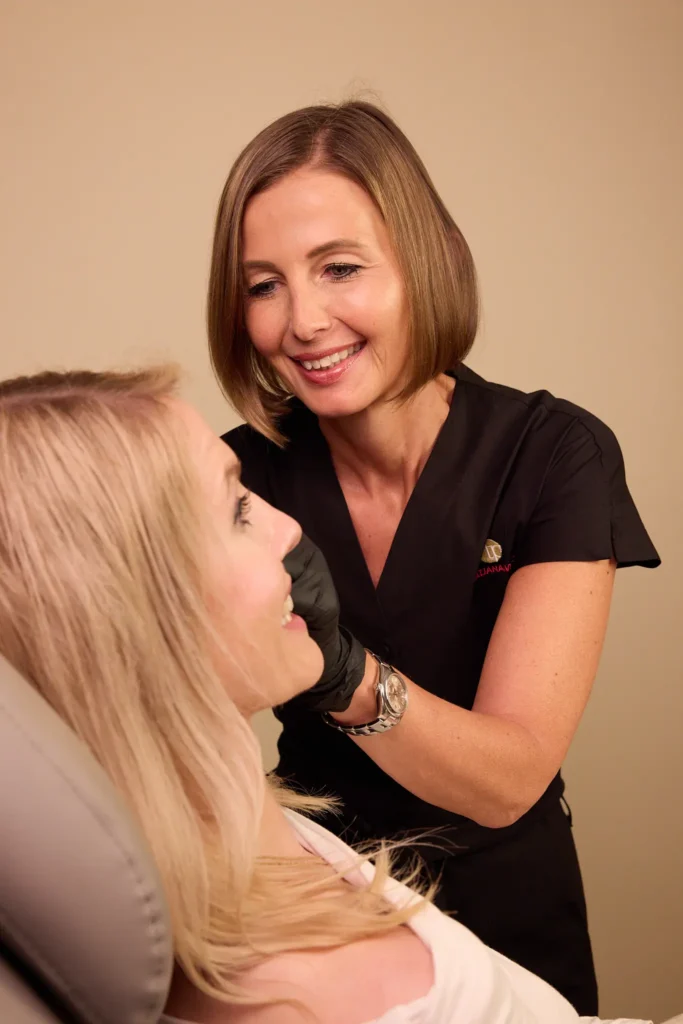
Lip blushing is a tattooing treatment that gives a natural tint to the lips. It is the exact same procedure as any other tattoo, and according to Dr Pavicic, can look good but deliver an underlying risk. “When the procedure is done well, by a properly trained technician, in a sterile environment, on the right candidate, and with a high-quality colour, the results can be lovely. But the skin barrier is absolutely compromised during the process, and the healing phase carries real risks.”
“Infection is the most immediate concern. The lips sit at the junction of the skin and the oral cavity, which means any break in the mucosal barrier exposes the wound to oral bacteria and, critically, oral viruses.” She mentions that allergic reactions are less predictable, but when caught, they can be distressing to deal with because the inflammation can stay for years.
For those with darker skin, Dr Pavicic advises being even more careful because lip blushing can cause post-inflammatory hyperpigmentation. “When the lip tissue experiences trauma and heals with excess melanin deposition, the result can be lips that are visibly darker than before the procedure,” she notes.
Whereas a risk not frequently talked about is pigment migration. “It rarely gets discussed transparently,” Dr Pavicic says. “If needle depth or technique is even slightly off, pigment can spread beyond the intended area, resulting in a grayish, blurred look around the lip line rather than the crisp definition that was the whole point of the procedure.”
The Other Options
For those considering lip blushing, Dr Pavicic mentions that there are other options to tone and define the lips, which do not involve repeatedly damaging the skin barrier. When it comes to those adamant on using needles, Dr Pavicic says that lip fillers are the safe route. “Biomimetic hyaluronic acid lip fillers, administered by a qualified medical professional, remain the gold standard for volume and definition. Yes, they involve a needle or a blunt tip cannula to reduce the number of punctures. But hyaluronic acid filler is reversible, dissolvable, and targets the deeper tissue rather than repeatedly puncturing the delicate mucosal surface. There is no permanent pigment, but the healing demand on the lip barrier is significantly lower than lip blushing.” The right combination of ingredients can fix brightness and tone by maintaining melanin production.
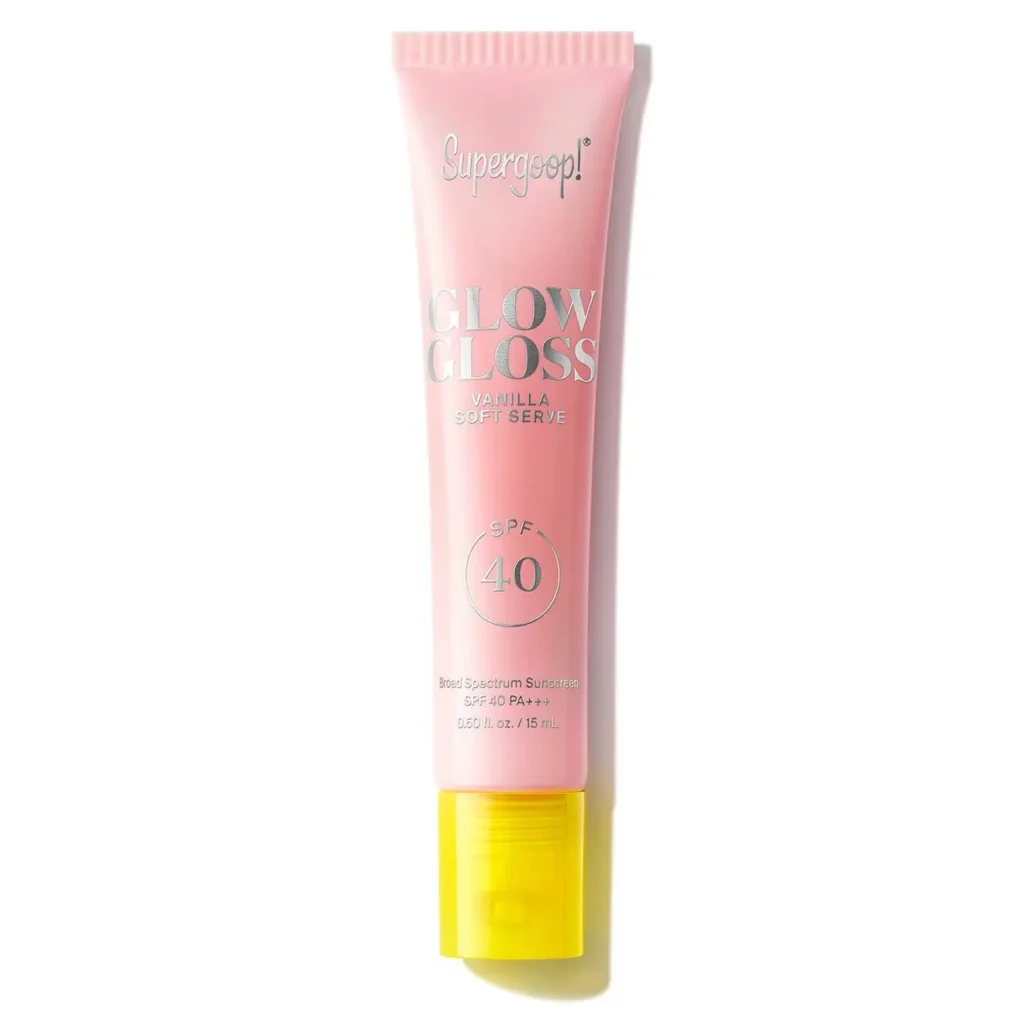
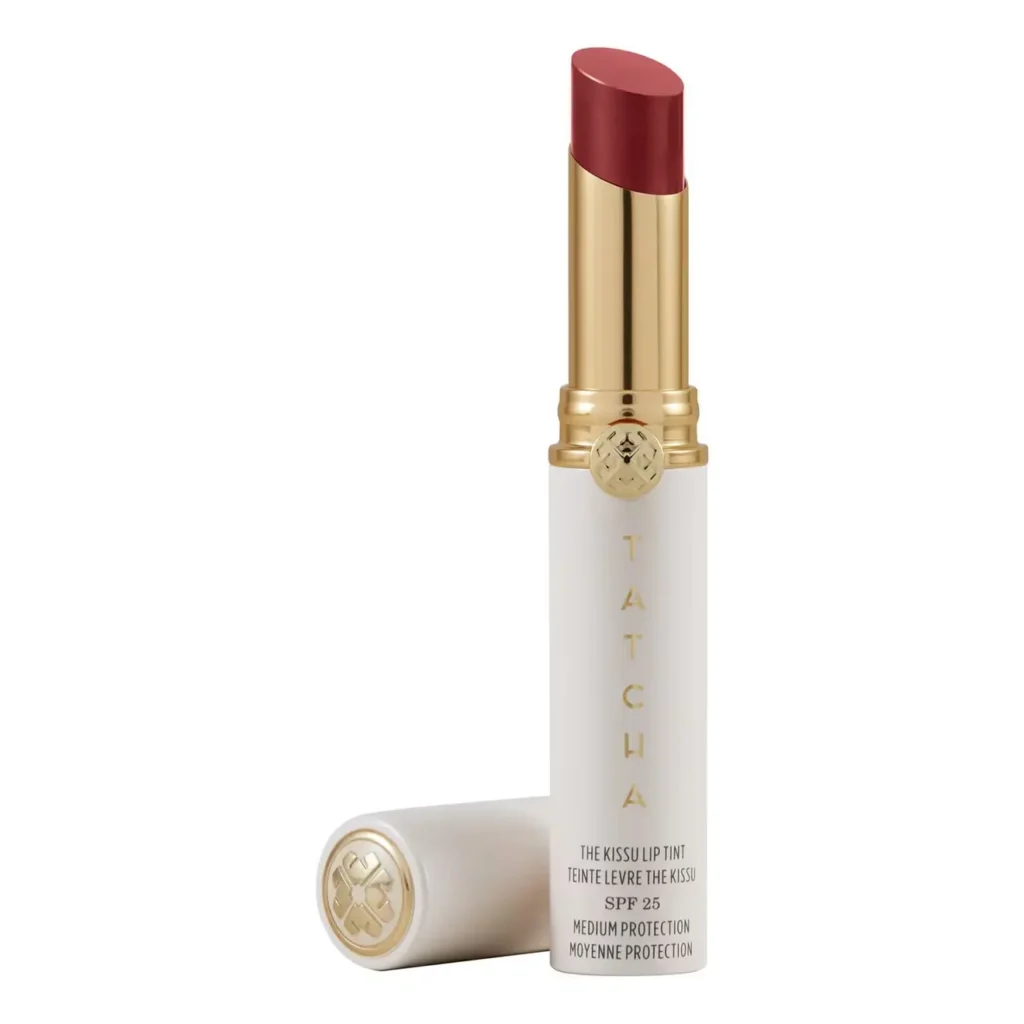
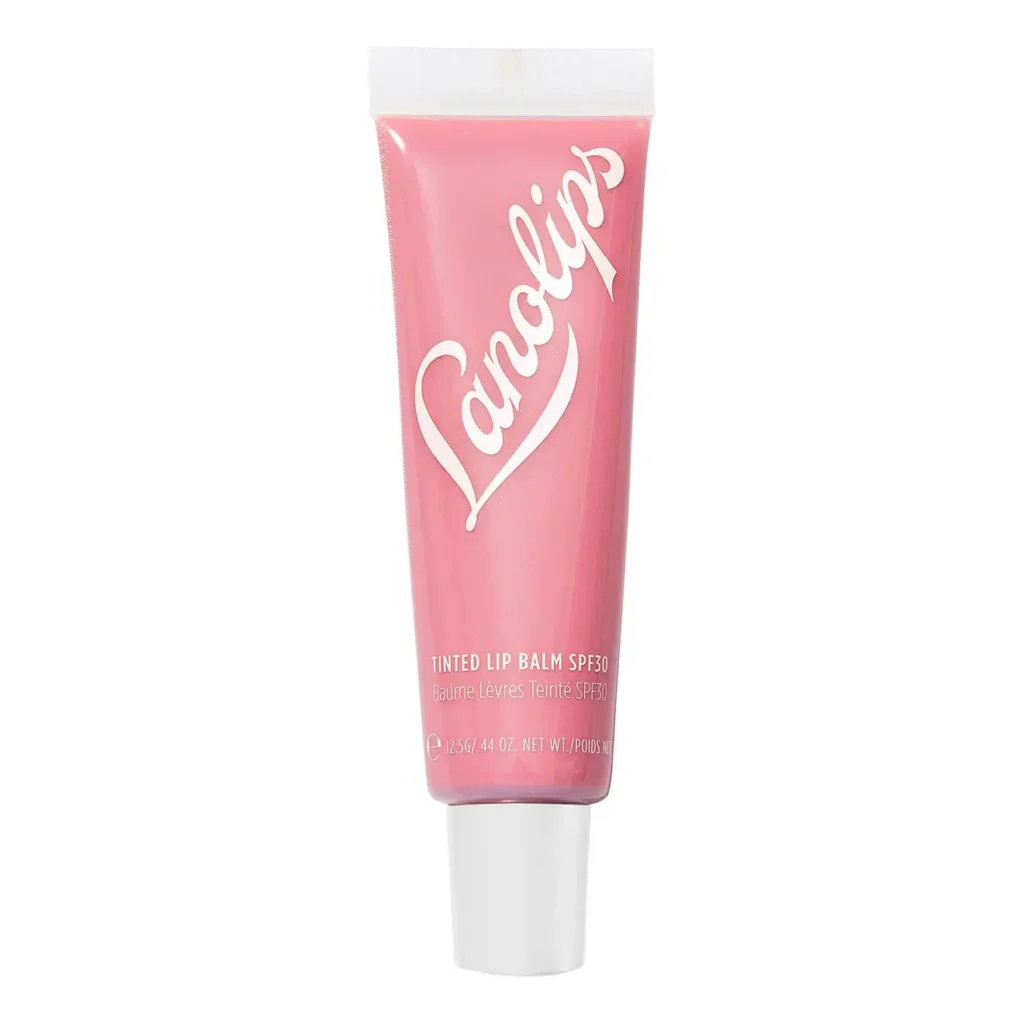
The other option is to go the topical skincare route. Dr Pavicic notes that SPF and lip peels can help maintain the natural colour of the lips. For a more targeted treatment, she recommends a series of picosecond or Q-switched laser sessions, with a prior medical consultation, of course.
“My philosophy in aesthetic medicine is this: the goal should always be to enhance your natural biology, not to repeatedly injure it,” says Dr Pavicic. There are alternatives out there to make sure a beauty visit doesn’t end up with a hospital injury. They are not as high-maintenance as we like to think, but at the end of the day, the real flex is making sure that our skin and nails are as healthy as they can be.