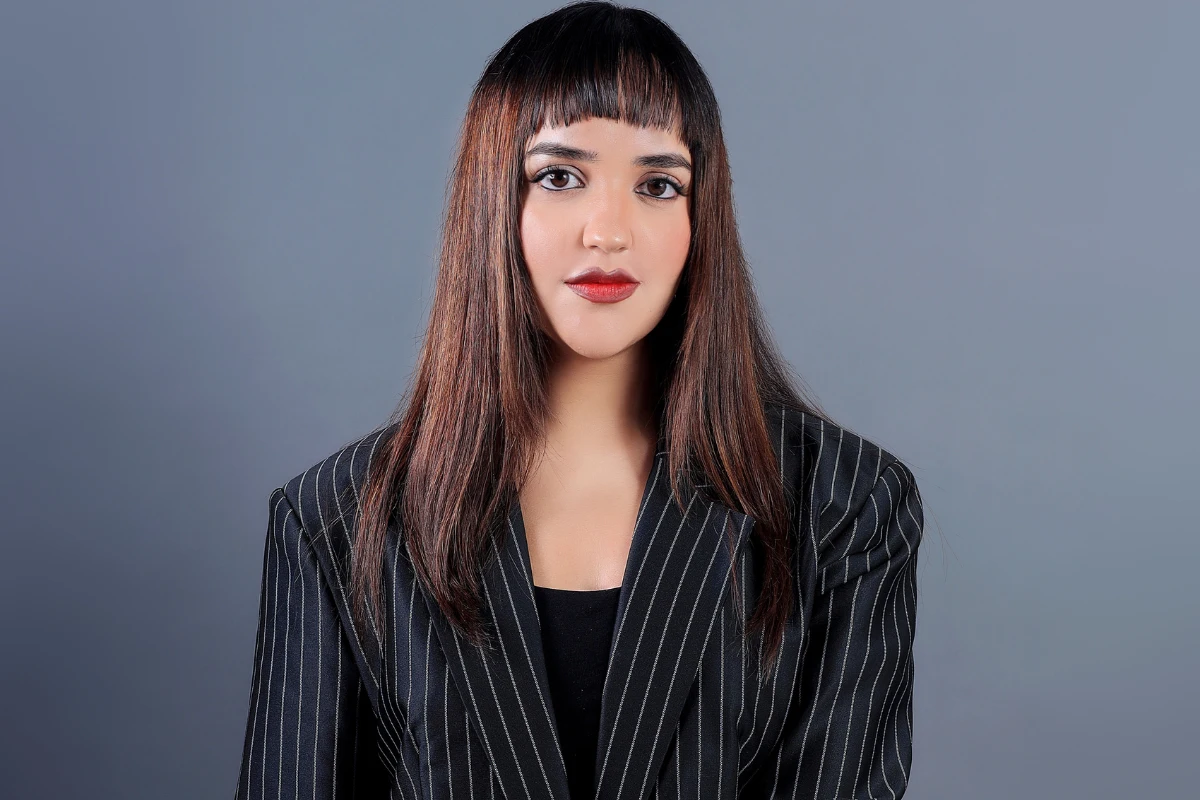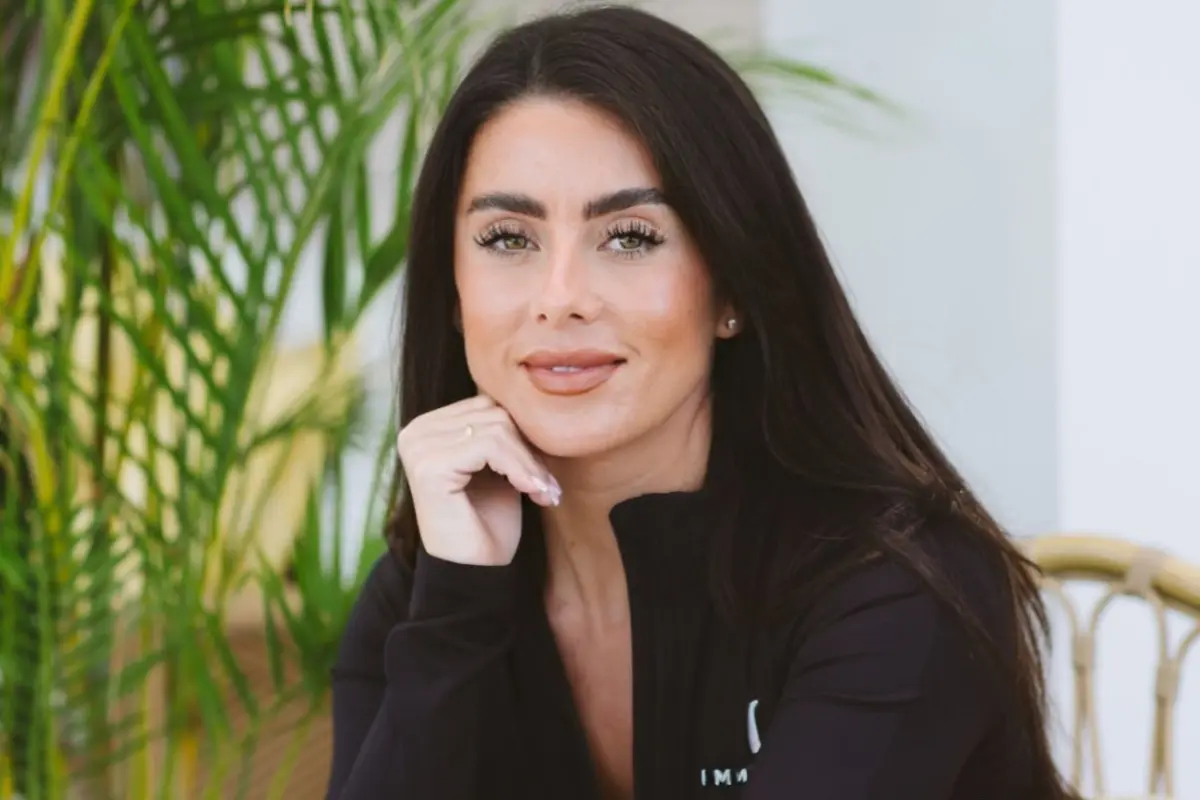
Dua Lipa and Callum Turner are officially married.
The singer and the British actor tied the knot on Sunday, 31 May, in an intimate ceremony at London’s Old Marylebone Town Hall, surrounded by close friends and family. The venue, long favoured by famous faces and low-key romantics alike, became the backdrop for what may already be one of the most discussed celebrity bridal looks of the year.

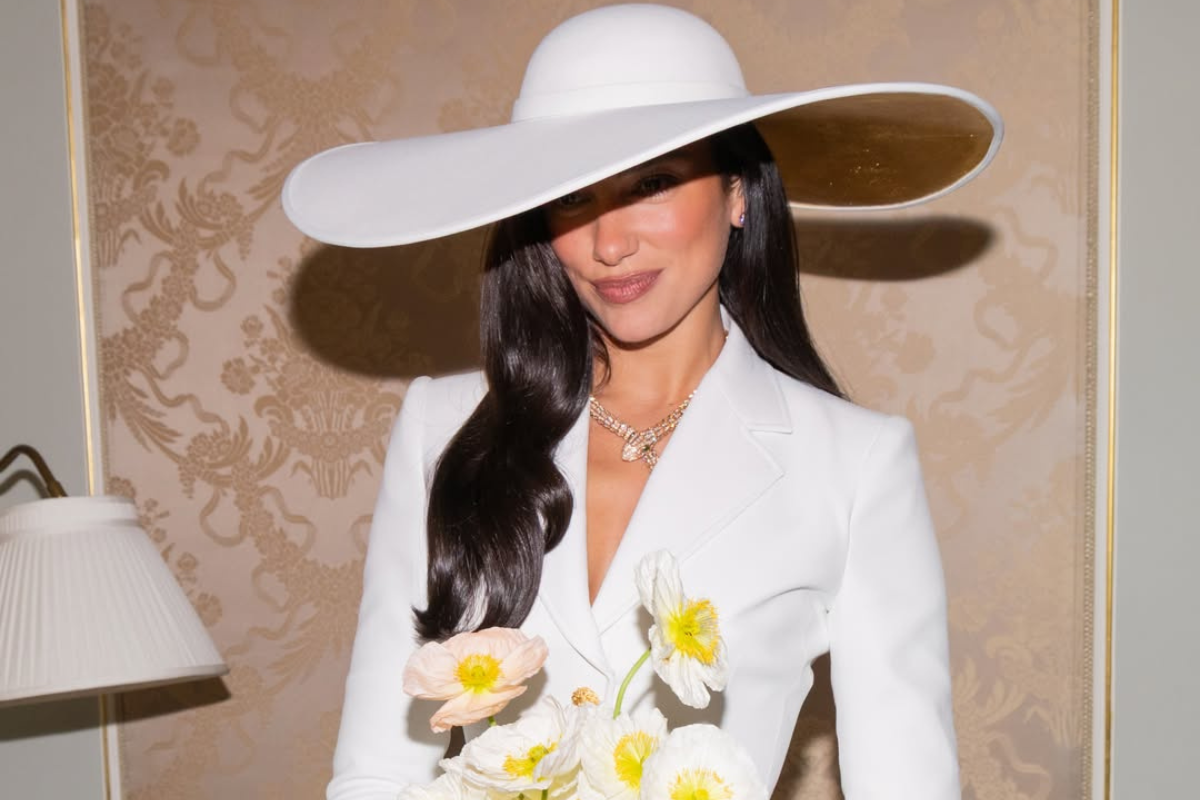
For the civil ceremony, Dua Lipa wore custom Schiaparelli couture by Daniel Roseberry—a skirt suit featuring a tailored blazer with gold buttons, a matching asymmetric skirt, a lace-trimmed bustier, gloves and pointed Christian Louboutin pumps. The final flourish came courtesy of Stephen Jones, who created the wide-brimmed hat that turned the entire look from chic courthouse bride to instant fashion reference. Husband Callum, meanwhile, kept things classic in a navy double-breasted suit.
Dua Lipa, the global pop star whose wardrobe now gets almost as much airtime as her music, was never going to be a predictable bride.
This is a woman who can dye her hair burgundy for Houdini and suddenly make half the internet consider going red. Who can step out in a leather trench, a sculptural coat, a metal belt or a high-shine evening look and make it feel instantly worth saving. She sets trends and makes them feel ready for mass adoption.
So no, a traditional bridal entrance was never really on the cards. Not the tulle avalanche. Not the overly sweet lace fantasy. Not the whispery slip dress that every cool-girl bride has been referencing since Carolyn Bessette-Kennedy. If there was ever a celebrity bride built to turn the town hall steps into a fashion moment without making it look painfully staged, it was Dua.
And she did.
The Bianca Jagger comparison followed quickly. When Bianca, the Nicaraguan-born actor, activist and fashion muse, married Mick Jagger in Saint-Tropez in 1971, she wore Yves Saint Laurent tailoring and a wide-brimmed hat. More than fifty years later, that image still holds its place as one of fashion’s most referenced bridal moments.
And rightfully so.
Bridal dressing has always had a rulebook, but the celebrity bridal looks that last are usually the ones that push against it. Bianca Jagger did not need a gown. Carolyn Bessette-Kennedy did not need volume. Solange did not need tradition. Sofia Richie Grainge did not need excess. Each look left its mark for narrowing the distance between bridal-wear and personal style.
For years, bridal fashion came with a bargain—look like the bride, even if it meant looking less like yourself.
The gown had to carry the fantasy. The train, the veil, the weight, the theatre of it all. Comfort was secondary. Personal style was negotiable. What mattered was that everyone in the room could read the role instantly.
That idea is starting to feel dated.
Today’s bride is less interested in disappearing into a template. She wants the ceremony, the image, the emotion, but on her own terms. A suit can be bridal. A modest silhouette can be bridal. Flats, tailoring, colour, vintage, minimalism—all of it can hold the same meaning when it feels true to the woman wearing it.
Wedding culture now allows for that shift too. One dress no longer has to do all the work. There is the town hall, the welcome dinner, the aisle, the reception, the after-party. The modern bridal wardrobe moves in chapters, giving women more room to be practical, personal and versatile in different measures.
Dua simply opened with a very good first line. Sicily may still bring the grand gown, the lace, the second look, the full cinematic reveal. But the opening chapter has already said enough.
Dua Lipa walked out of a London town hall in Schiaparelli and made the traditional bridal gown feel, for a moment, optional.
The rulebook has not been torn up.
It has been edited.