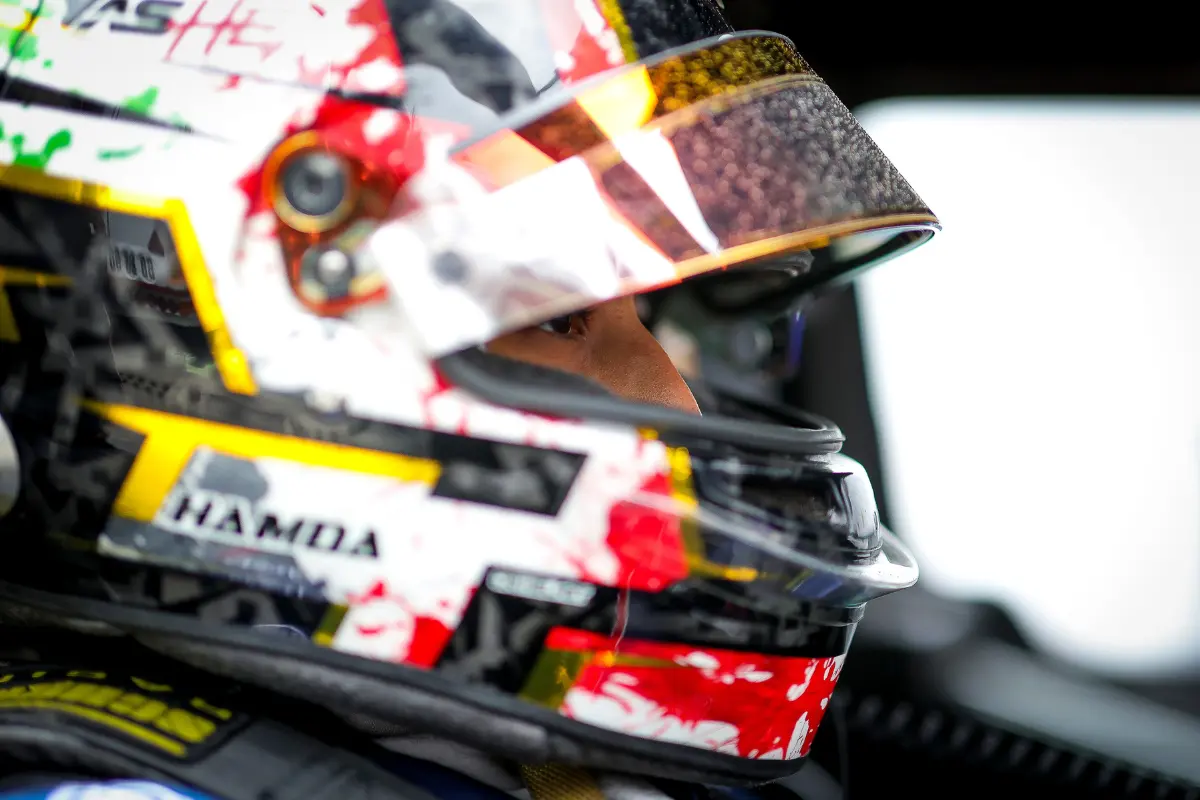
For Hamda Al Qubaisi, speed has never ended at the finish line. It lives in the discipline before a race, the pressure inside the cockpit, the split-second decisions that separate control from chaos and the meaning that gathers around every lap she completes as an Emirati woman in motorsport.
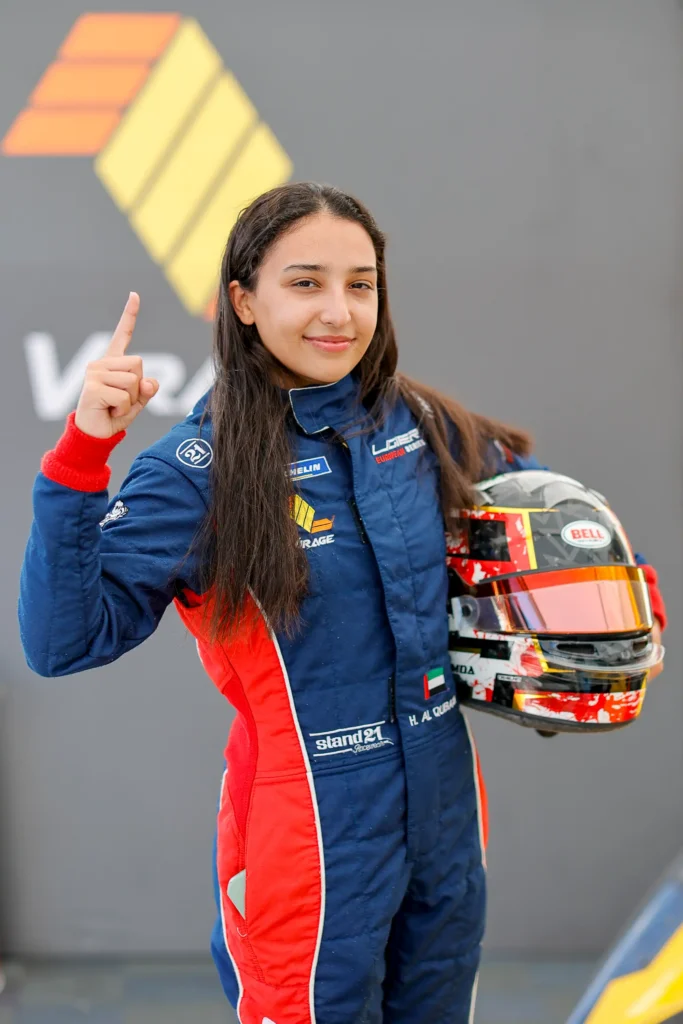
Every podium, milestone and hard-earned result pushes open a little more space for the women who will follow. “Women in Motion represents the determination to keep moving forward, no matter the obstacles,” she says. “Every achievement contributes to a bigger movement that inspires future generations of women to pursue their aspirations.”
Hamda’s journey began in karting at the age of 12, alongside her sister and our cover star Amna Al Qubaisi. What started as a family passion soon became a language of its own. The track gave her challenge, pressure, rhythm and a place to test herself with every session. She was drawn to the precision of it, the mental sharpness it demanded and the feeling of becoming better each time she got behind the wheel.
From karting, she moved through Formula 4, Formula Regional and eventually F1 Academy, building a career marked by important firsts for women in Formula 4. Yet the image of motorsport from the outside can be deceptively glossy—race weekends, podium photos, helmets, cars, speed. For Hamda, the real work begins long before any of that.
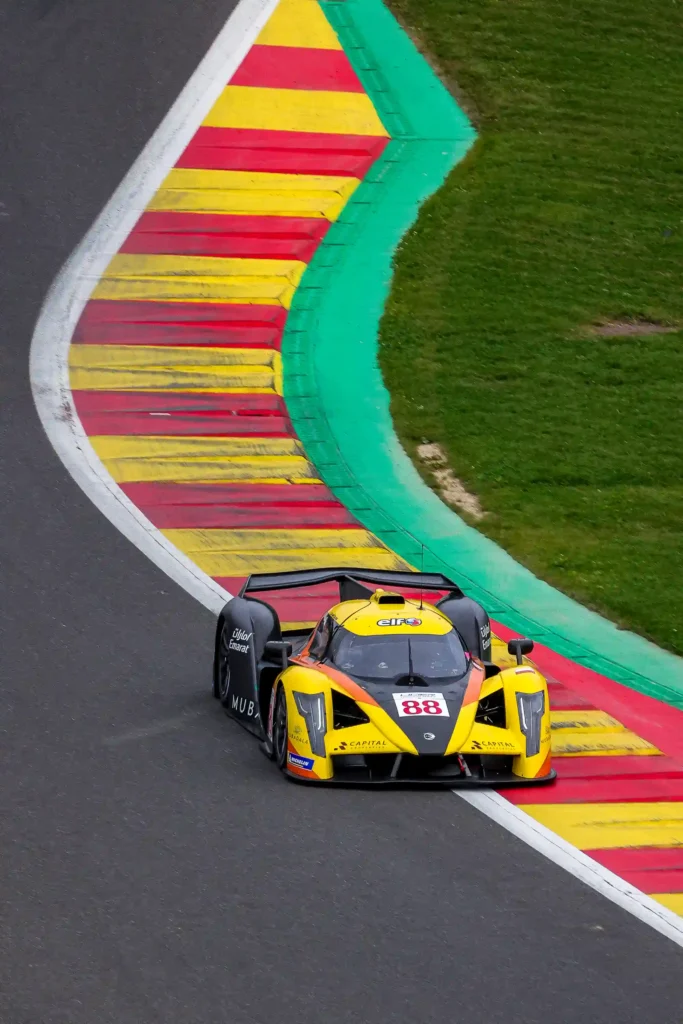
“Many people only see the races,” she says. “But the reality is that motorsport requires a lot of preparation away from the track.” Her routine is built around physical training, simulator sessions and mental preparation, each one shaping the driver she becomes on race day.
Strength matters, but so does endurance. Focus matters, but so does resilience. A race may be measured in laps, but a driver is built in the hours no one sees.
“Motorsport is often perceived as simply driving fast,” she tells me, “but the work behind the scenes is just as important as what happens during a race weekend.”
One of the defining markers of the young racer’s career came in 2021, when she stood on the podium after becoming the first woman to achieve a podium finish in Italian Formula 4. It was a personal breakthrough, but also a public statement.
In a sport where women are still asked to prove their place, her result carried weight far beyond the trophy. “It made me realise the impact representation can have,” she says. “It showed that women can compete and succeed at a high level in motorsport.”
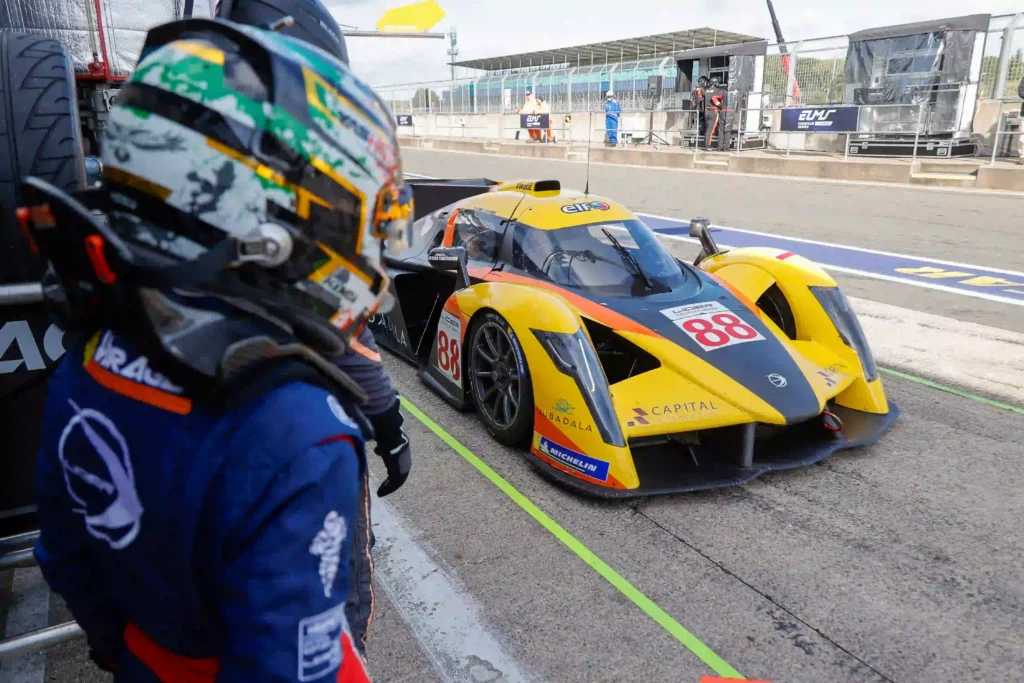
What she wants women to take from her story is the understanding that ambition does not need permission. Expectations may exist. Stereotypes may “I want young women to know that they belong wherever their ambitions take them.” follow. The road may be difficult, technical and demanding. But none of that has to become the border of a woman’s path.
“If you are passionate about something, pursue it wholeheartedly and trust the process, even when the path is difficult,” she says. “I want young women to know that they belong wherever their ambitions take them.”
This article appears in Soigné Middle East Issue 003, Setting The Pace.