
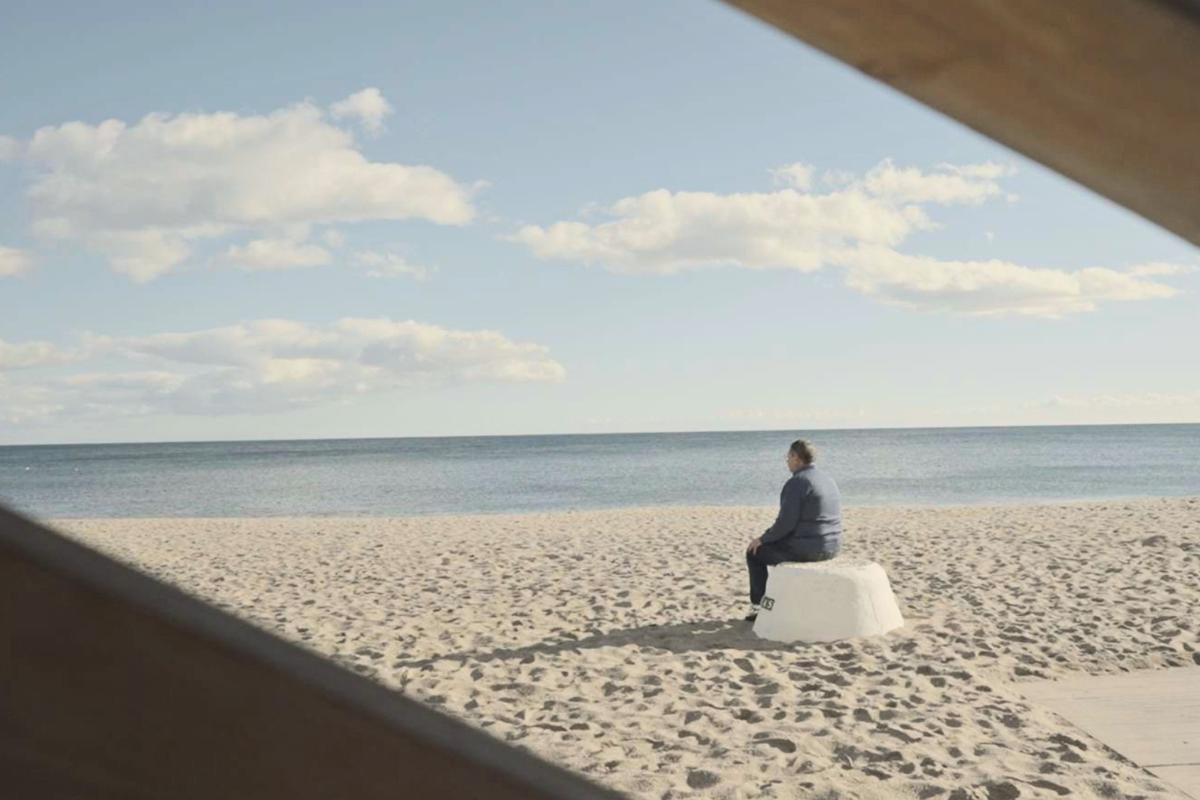
Since the Sudanese civil war began, what we know of the situation has been a blind retelling of facts, numbers, and alarming statistics. Rarely do we get the voices themselves explaining how the war and its aftermath have affected them.
Now British-Spanish filmmaker Imad Idris Yassin seeks to change this, with his new feature-length documentary called “No Life on Mars”.
Produced by the Idris Foundation, “No Life on Mars” offers an intimate, ground‑level look at Sudanese lives before and after the outbreak of the April 2023 war. Filmed across Sudan, Kenya, and Space, the film moves beyond headlines and sensationalism and sticks to the very real humans that are left picking up the pieces of a displaced life.
Following five protagonists from the final days of relative normalcy through their sudden flight, the documentary tracks both their geographical displacement as well as their emotional one, putting to the camera the difficult realities of what comes next after having everything you’ve ever known upended alongside hope for a better future. It also forces the question of what can home mean to someone who has lost everything overnight.
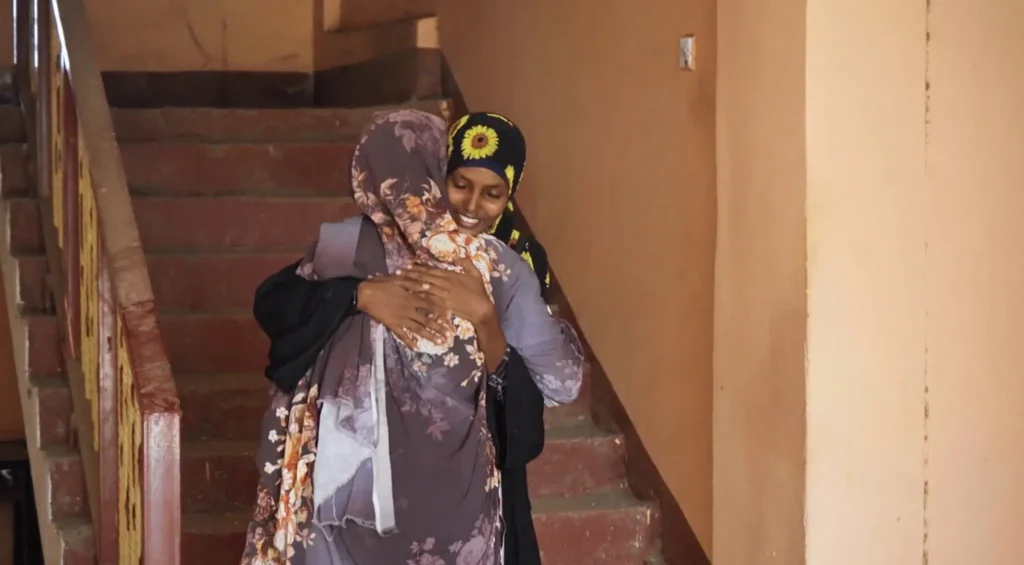
“This film is about what happens after the breaking news banner disappears,” says Imad Idris. “It’s about Sudanese people who wake up to find their lives divided into a ‘before’ and an ‘after’ – and the courage it takes to live in that in‑between space, with friendship, humour, faith and the quiet, stubborn decision to keep going, even when the world feels like another planet entirely.”
For its intimacy, Yassin is known for his commitment to approaching communities with trust and care. With African and Middle Eastern roots as well as being a first-generation immigrant, Yassin knows all too well about the subject of being uprooted and having to question the meaning of the word “home”. Hence why his work with the Idris Foundation is shaped by spending time with displaced and marginalised communities, witnessing first‑hand the long‑term impact of conflict and the resilience that emerges.
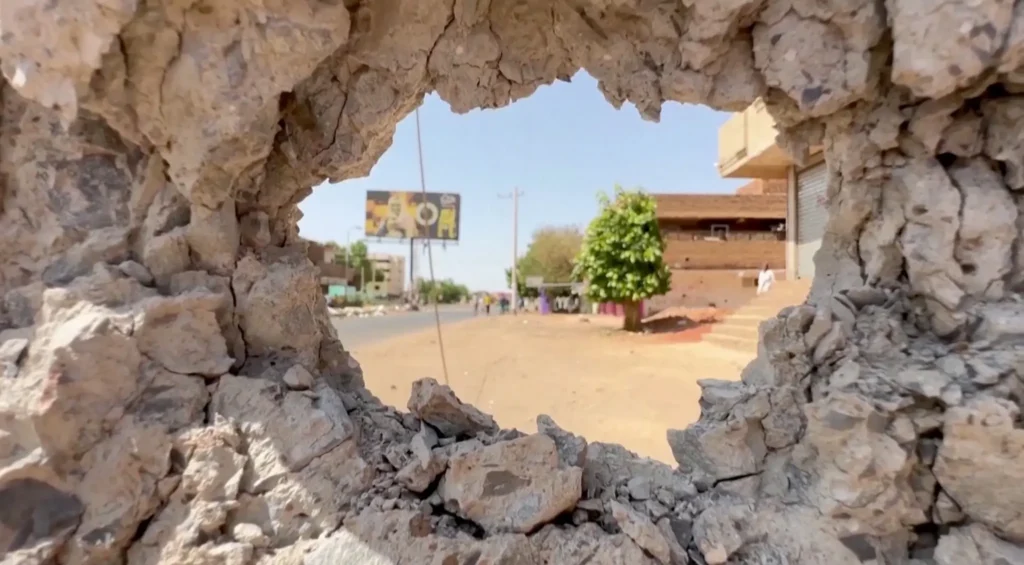
Which is why we can expect to find the protagonists of “No Life on Mars” to be active agents in their own lives, not victims to circumstance. Working through complex challenges, difficult conditions, and significant restrictions, Yassin puts a name, face, and a voice to a situation that is currently being defined by headlines. And by doing so, he invites audiences to reconsider how they think about refugees, borders and responsibility.