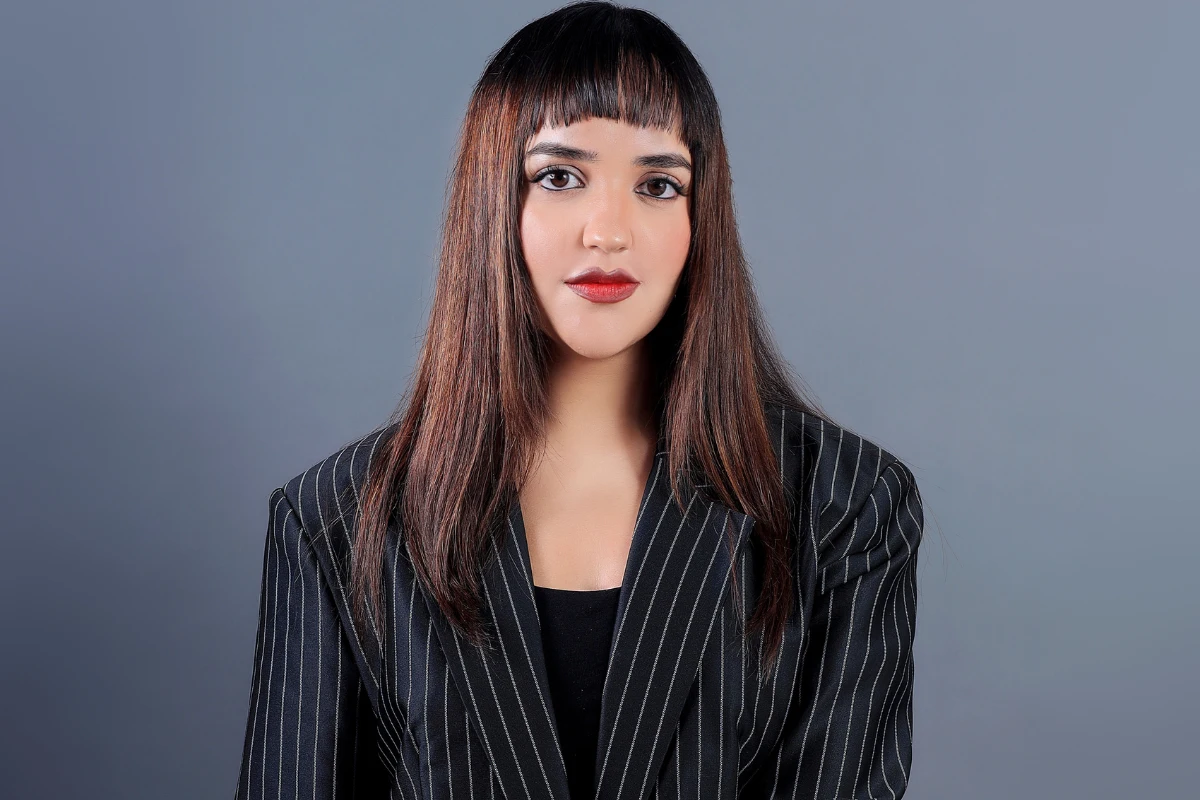
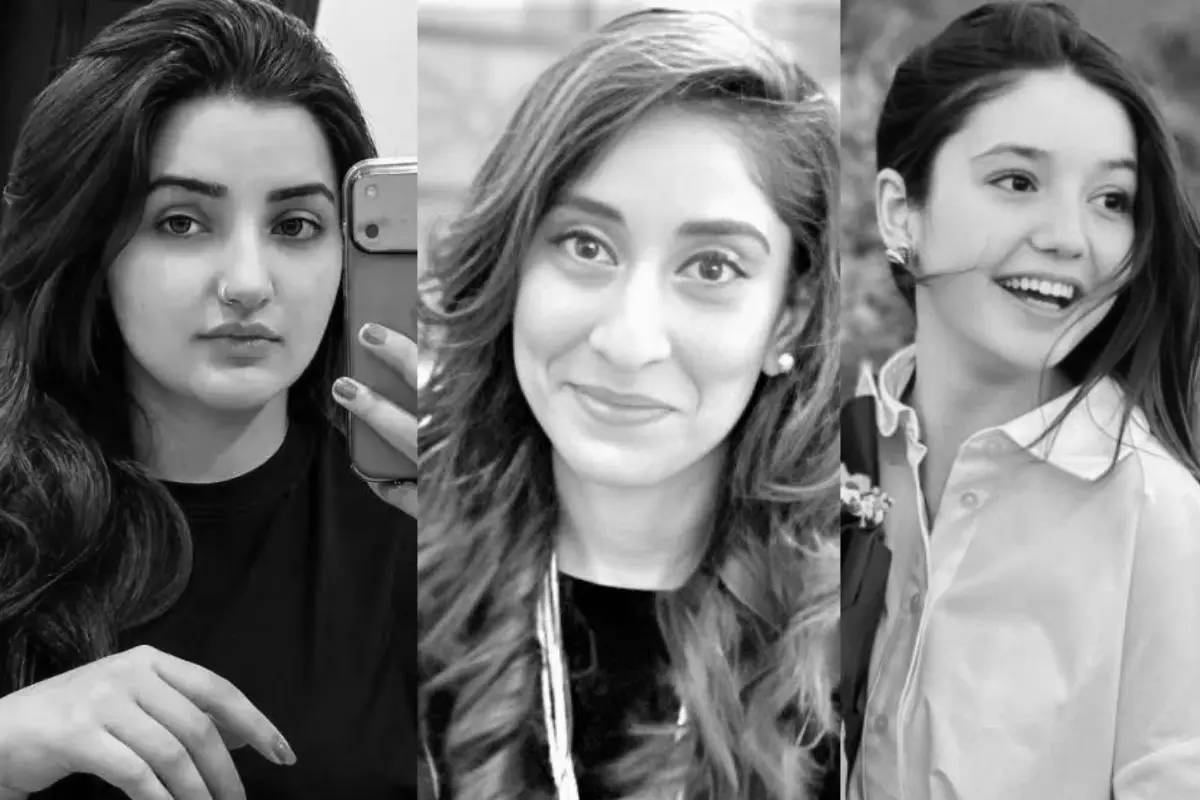
There are years when the headlines begin to blur into one another. 2026 has not afforded women in Pakistan that luxury.
Four days ago, 28-year-old content creator Shamsu Bibi, known online as Ayesha Gilamana, was shot dead while travelling in a car near Taxila. Her 15-year-old sister left seriously injured. Shamsu Bibi had built an audience of more than a million followers on TikTok, the investigation is ongoing, and no motive has yet been established.
Pakistan keeps experiencing what are described as shocking incidents of violence against women. Shock implies surprise. It becomes a difficult word to justify when the pattern is this familiar and recurring.
In June 2026, a 58-year-old woman in Karachi was allegedly murdered by her husband after refusing sex. The following day, 29-year-old doctor Mahnoor Nasir had acid thrown on her while working at Quetta’s Civil Hospital, leaving burns across roughly 35 per cent of her body. Two days later, a 17-year-old girl in Punjab was reportedly kidnapped, drugged and gang-raped before being abandoned at a hospital; she later died. That same month, an 18-year-old domestic worker in Lahore told police she had been repeatedly raped by her employer’s son and his driver before she too died from medical complications.
Each case has its own circumstances. Taken together, though, they belong to a much older pattern — one that runs through the murders of Qandeel Baloch and Noor Mukadam, and through the cases that followed.
In September 2020, a woman ran out of fuel while travelling with her children on the Lahore-Sialkot motorway. She was attacked and gang-raped. The crime caused national outrage. Then came the comments from the lead police investigator, who questioned why she had travelled at night, why she had taken that particular route and why she had not checked her fuel. A woman had been raped and, almost immediately, part of the public conversation became an audit of her decisions. It became one of those moments Pakistan was told would be a turning point.
A year later, on Independence Day in 2021, TikTok creator Ayesha Akram was surrounded and assaulted by a crowd of hundreds at Lahore’s Minar-e-Pakistan. Videos circulated across social media showing her being grabbed, lifted, groped and stripped of clothing. The footage triggered outrage, arrests and, inevitably, a second trial conducted online over whether her presence there, her social-media career or her behaviour somehow explained what had happened.
The locations were different. The reflex was familiar.
Where was she? Why was she there? What was she wearing? Why was she posting? Why was she travelling alone? Why did she say no? There always seems to be another question for the victims.
The Violence Has Followed Women Onto Their Phones
Social media gave Pakistani women something previous generations had far less access to — the ability to build careers, with new ways to work, earn, build businesses and speak for themselves. That opportunity is also increasingly becoming another space in which they could be watched, harassed and punished for being visible.
In January 2025, 14-year-old Pakistani-American Hira Anwar was shot dead in Quetta. Police initially linked the killing to family objections over her social-media activity. Her father and maternal uncle were later sentenced to life imprisonment, although the court did not find sufficient evidence to establish her online presence as the motive.
Five months later, 17-year-old creator Sana Yousaf was shot dead inside her Islamabad home. Police said the man accused of killing her had pursued her and that she had rejected his offer of friendship. He was convicted of her murder in May 2026.
Pakistan’s Digital Rights Foundation received 3,012 complaints in 2025, including 2,586 involving cyber harassment. Women face stalking, blackmail, doxxing, impersonation and non-consensual intimate imagery, while AI-generated images and deepfakes have made reputational abuse even easier to manufacture and spread.
For women, particularly in more conservative environments, that reputational damage can have consequences far beyond the screen.
And telling women to simply leave social media is hardly an answer. The internet is where people work, sell, bank, communicate and build careers. Asking women to withdraw from digital life for their own safety is simply a newer version of asking them to stay home, which has, in itself always been a violation of a human’s right to freedom.
The Numbers Tell Only Part of the Story
The individual cases make headlines. The statistics show the scale around them.
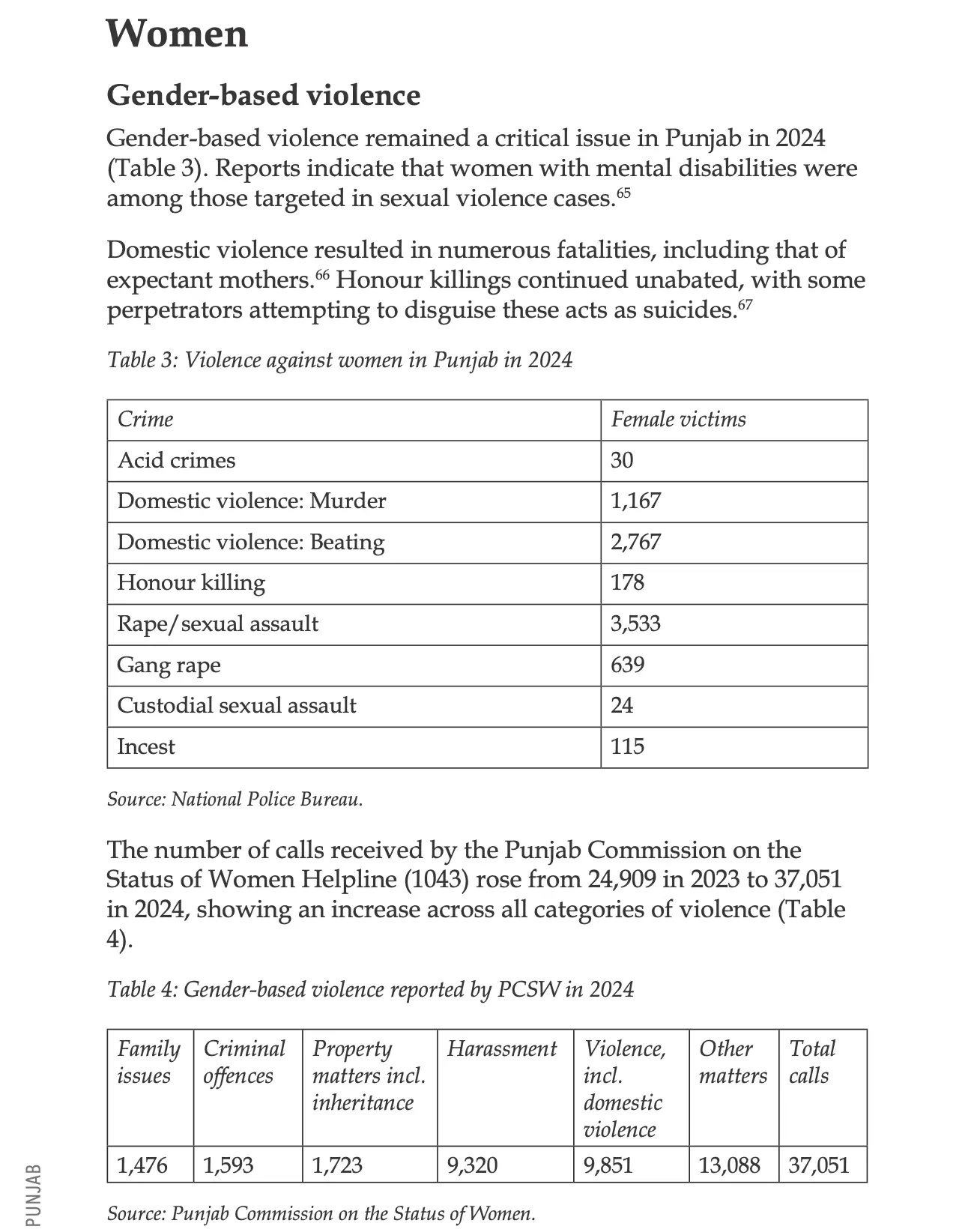
The Human Rights Commission of Pakistan recorded at least 4,175 cases of rape, 405 so-called honour killings and 1,641 domestic murders in 2024.
Even those numbers are incomplete. UNFPA estimates that 28 per cent of Pakistani women aged 15 to 49 have experienced physical violence, while 34 per cent of ever-married women have experienced physical, sexual or emotional violence from a spouse. More than half of women who experience physical or sexual violence never seek help or tell anyone.
So every official figure comes with an uncomfortable qualification. These are the cases we know about.
Behind them are women who never reached the police, whose families discouraged them from reporting, who feared the social consequences or who simply believed the system would not help them.
Modesty Does Not Guarantee Safety
For a publication centred on modest fashion, it is worth saying that modesty has never guaranteed safety. Women can dress modestly, stay home, avoid public attention and still face violence. Clothing, reputation and behaviour are repeatedly pulled into these conversations as if they can explain the crimes. They cannot. Responsibility sits with the person who commits the violence.
Almost 50,000 women and girls worldwide were killed by intimate partners or other family members in 2024, according to UN Women and UNODC. Pakistan has its own serious failures to address, from weak enforcement and barriers to reporting to harmful ideas around honour and a justice system that often fails women after they come forward. But rape, femicide, stalking, domestic abuse, coercive control, cyber harassment and deepfake pornography are not uniquely Pakistani problems.
The issue is bigger than geography. It is about whether women can work, speak, post, travel, choose a partner, reject one or simply exist in public without those choices being treated as provocation. Those are basic rights, not cultural privileges.
Violence against women in Pakistan cannot be treated as a local social issue that only enters the global conversation when a case becomes impossible to ignore. It is part of a wider human-rights crisis, just as the systematic erosion of women’s rights in Afghanistan is, and it deserves the same level of international attention, pressure and accountability.