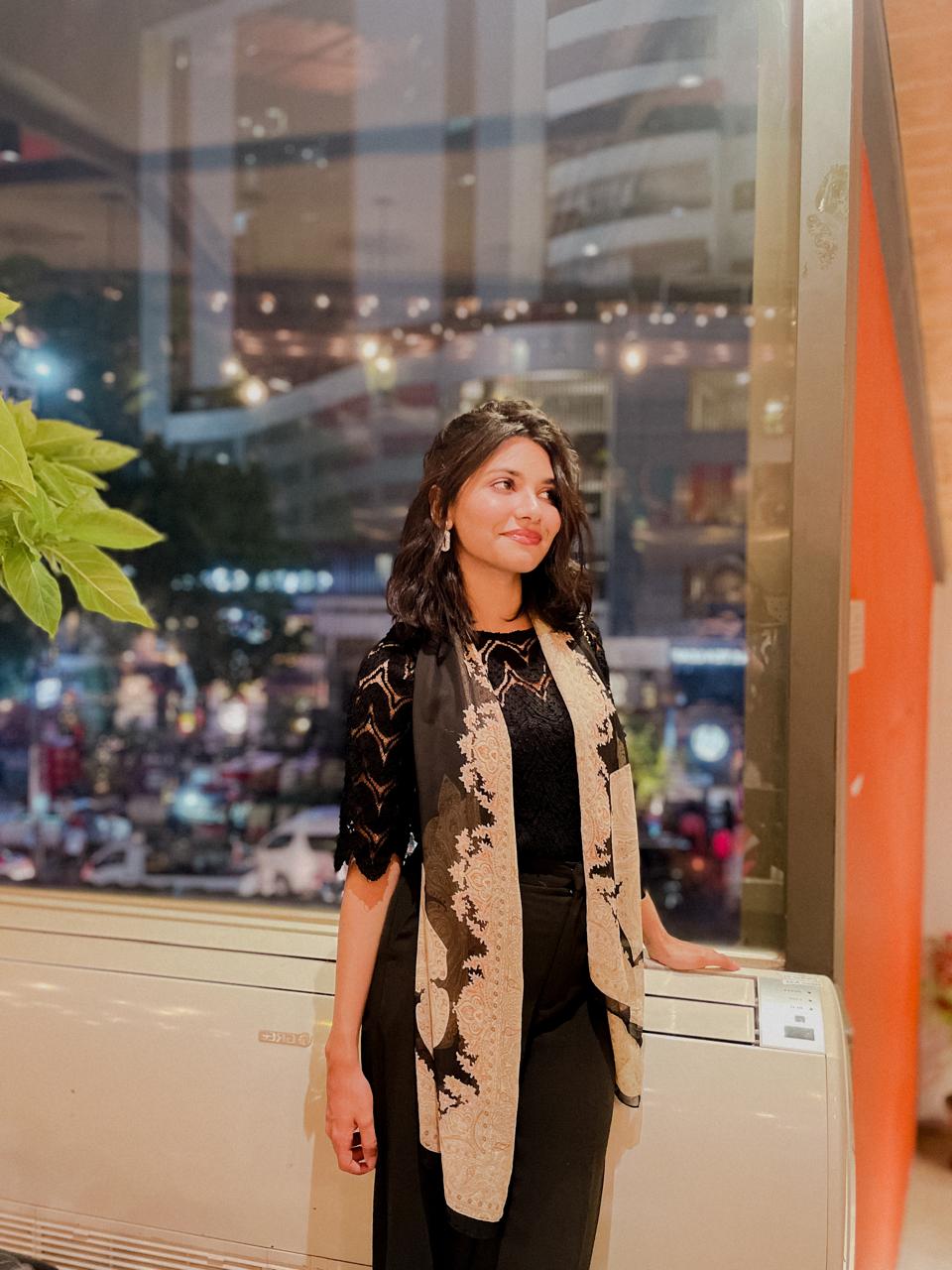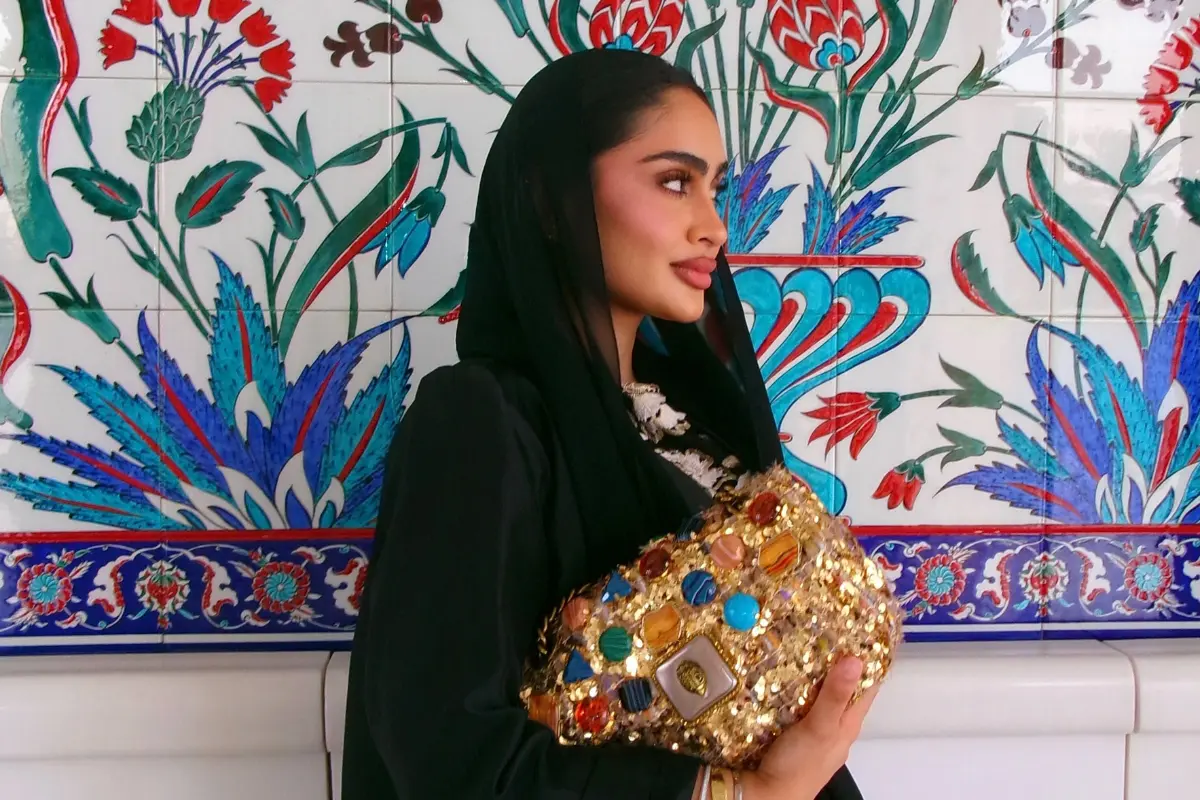
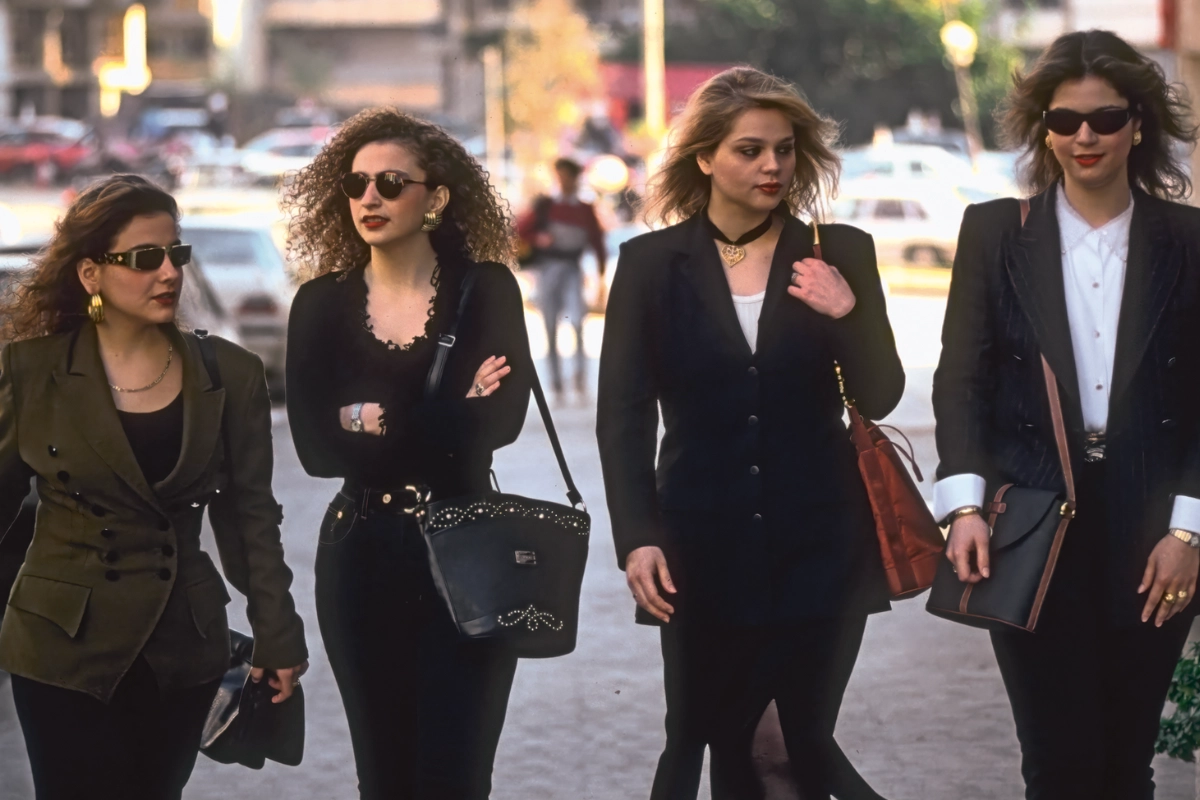
There are cities you visit, and then there are cities you carry with you. Beirut has always been one of them. Mediterranean at heart, deeply Levantine and inherently cosmopolitan, it’s a city of contradictions in the best way. A sense of faded glamour, late nights, excellent food and a creative energy that’s always in motion.
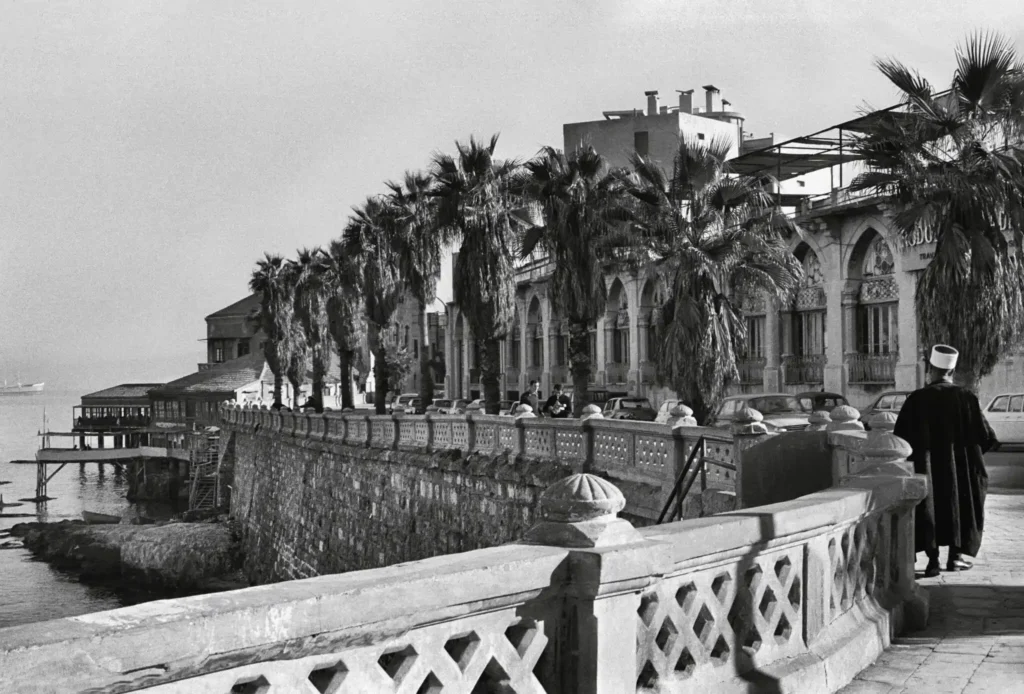
Assouline’s Beirut Habibi, written by Lebanese novelist and professor Charif Majdalani, offers a visual love letter to the city through its history, architecture, people and distinctive identity. From the grand boulevards of old Beirut and the Raouché Rocks to the galleries, cafés and boutiques of Gemmayze, the book captures the many sides of a city that has changed, evolved and reinvented itself without ever losing its character.
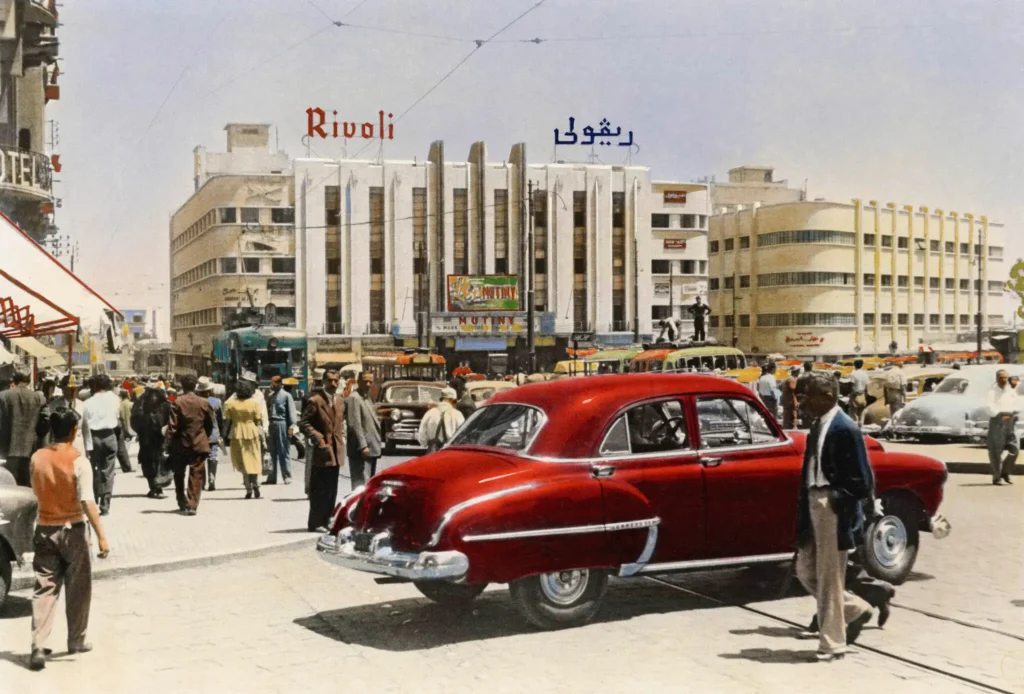
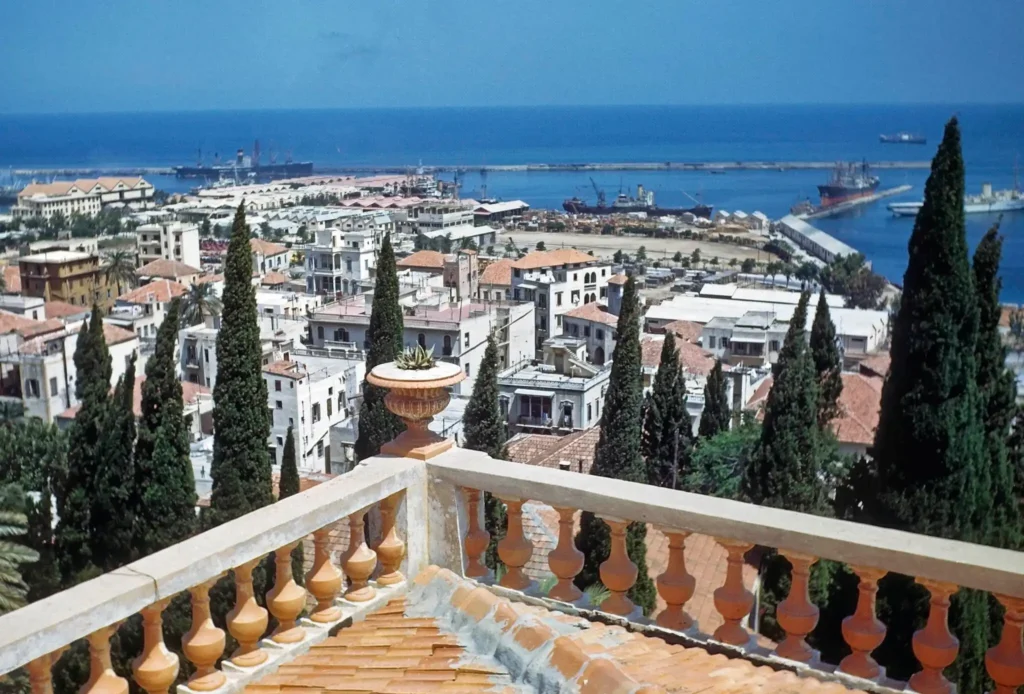
There is the Beirut of grande-dame hotels, coastal promenades and Casino du Liban; the Beirut of Fairuz murals, lemon-scented streets and long afternoons over coffee and nargileh. Then there’s the Beirut of designers, artists, chefs and creatives, constantly putting their own stamp on the city.
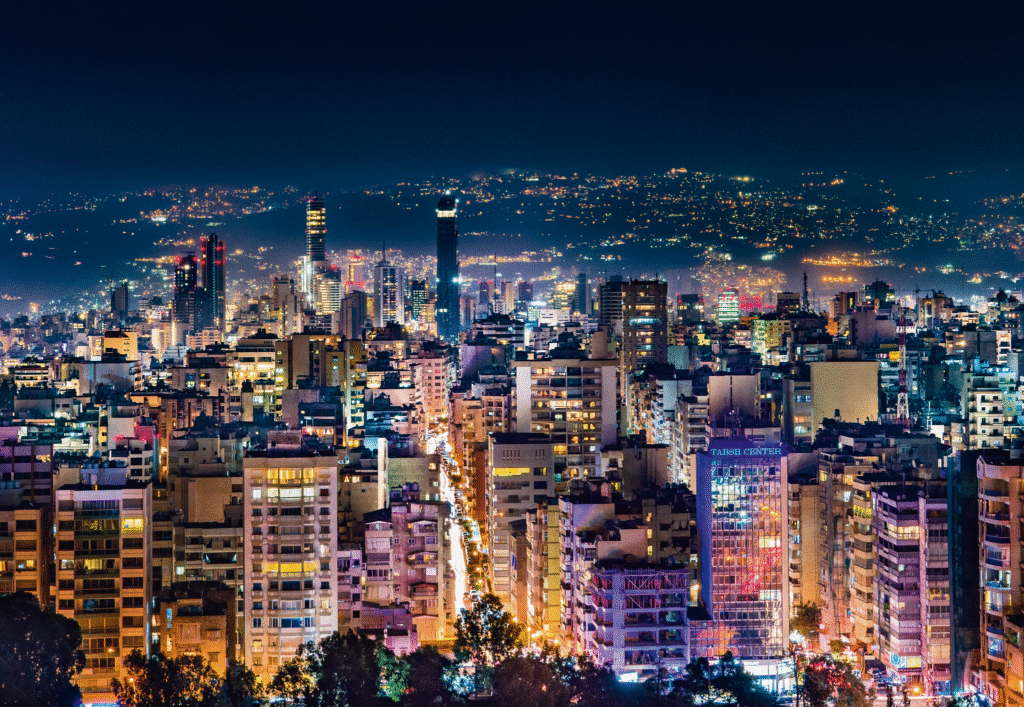
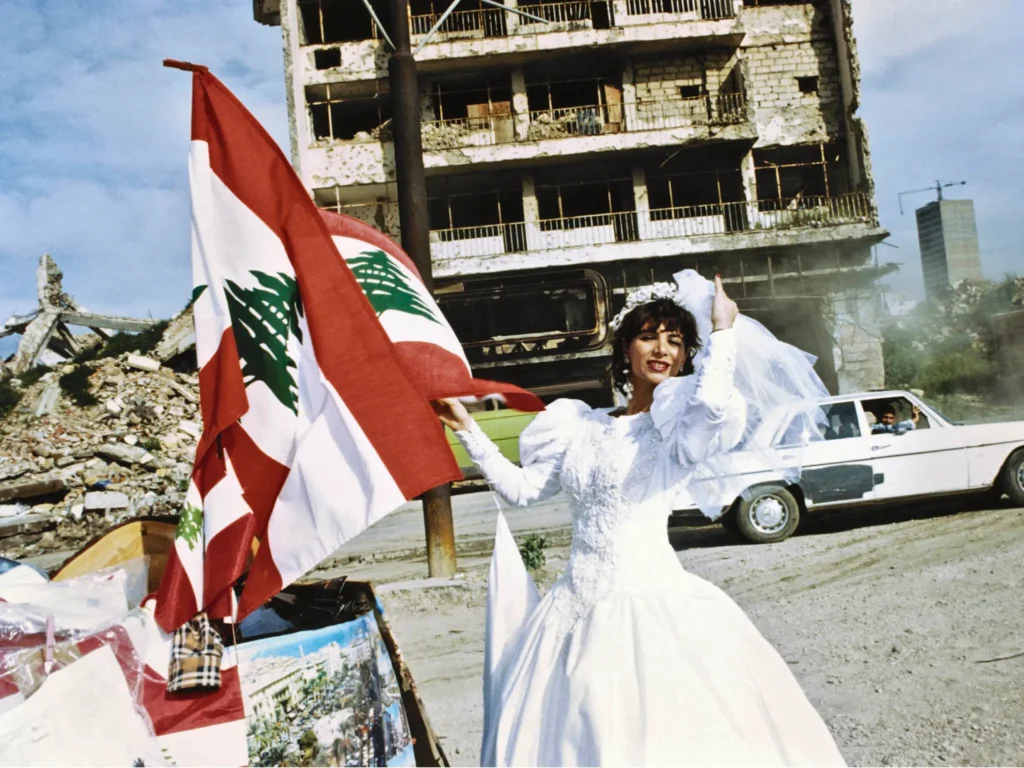
Filled with evocative photography and full of cultural detail, Beirut Habibi feels less like a traditional coffee-table book and more like an invitation to take your time and look a little closer at the city, the contrasts, corners and details that make it feel so distinctly Beirut.
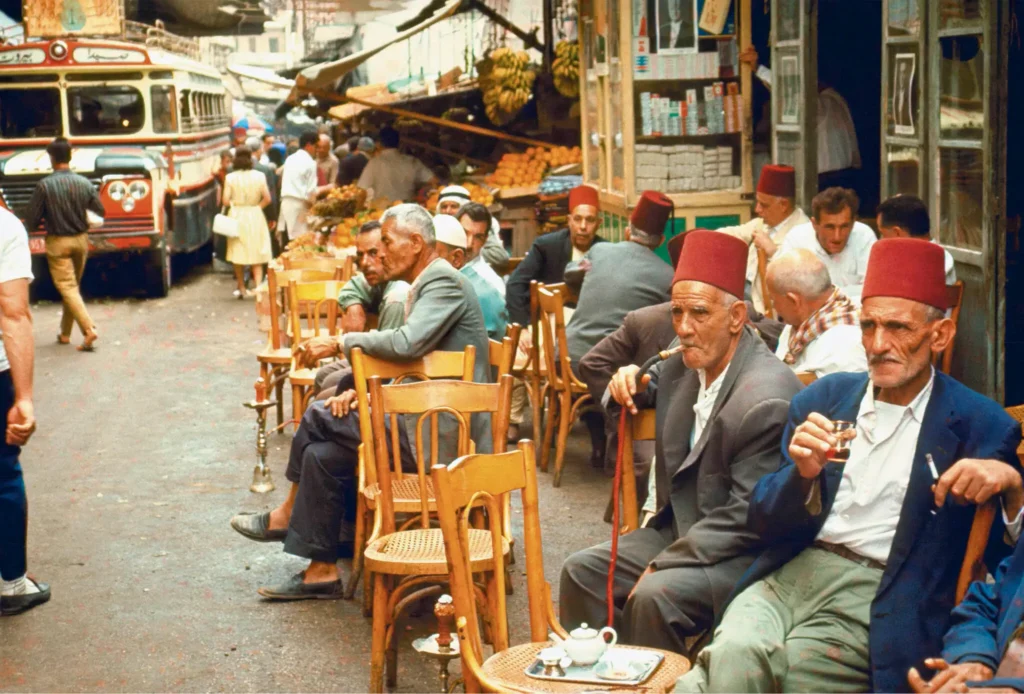
Perhaps that is what makes Beirut Habibi so compelling, it understands that Beirut can never be just one thing. Instead, it allows all of Beirut’s contradictions to sit side by side, old-world and gritty, steeped in a lingering sense of the past but always moving forward, Mediterranean at heart deeply, Arab at its core. Its beauty is as much in the spectacle as it is in the everyday, the buzz of a café spilling onto the pavement, the remnants of old seafront glamour, a long Lebanese lunch, art layered onto weathered walls, the mountains appearing behind the city as the light begins to fade.
Through Charif Majdalani’s words and Assouline’s visual storytelling, Beirut comes across as more than a destination. It feels like a memory from a life you haven’t lived yet, shaped by art, heritage and the people who shape it and an almost stubborn ability to reinvent itself. By the end, you don’t just want to see Beirut. You want to know what it feels like to belong to it, even for a moment. And you wonder what it would feel like to have Beirut know you back.