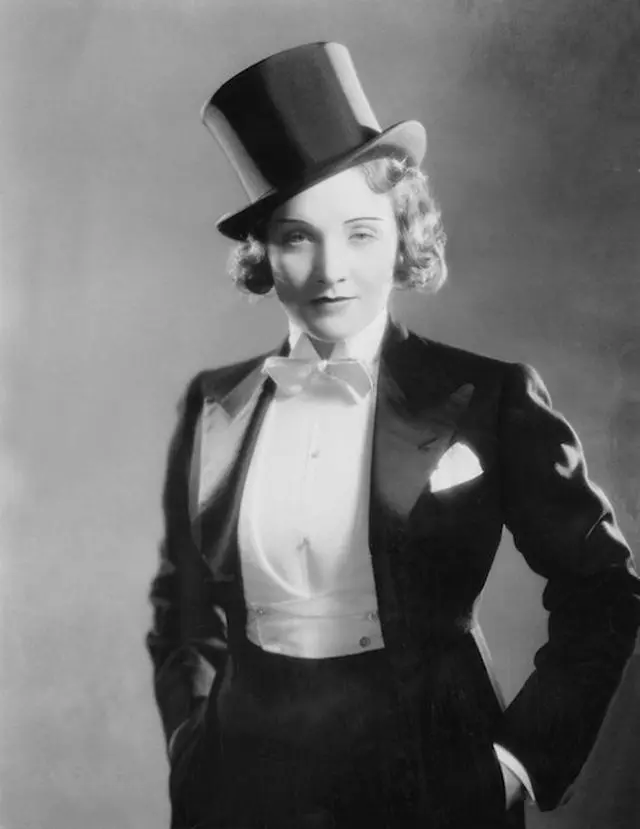
In 1930, Marlene Dietrich walked into a nightclub scene in Morocco wearing a tuxedo, top hat and tails, kissed a woman in the audience and carried on like it was nothing. The look quickly became a fashion reference point far beyond the film itself. The actress helped turn the tuxedo into a recurring womenswear code, one designers have returned to ever since when they want to play with tailoring, gender and power.
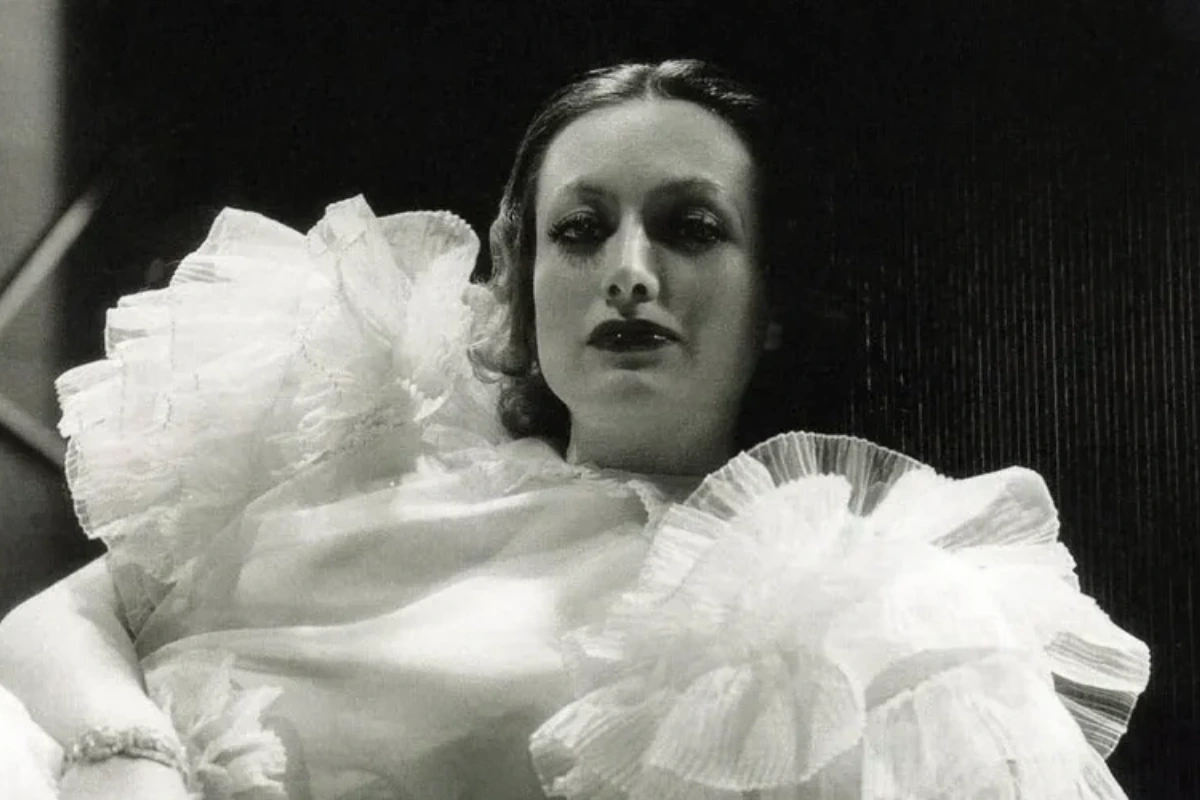
Two years later, Joan Crawford appeared in Letty Lynton in a white organdie gown designed by Adrian, a narrow waist, full skirt and sleeves so ruffled they practically entered the room before she did. The film has largely disappeared from circulation, but the dress never did. Copies appeared almost immediately across American department stores, turning it into an early example of a screen look becoming mass fashion. Long before “viral” belonged to the internet, the world already understood the mechanism.
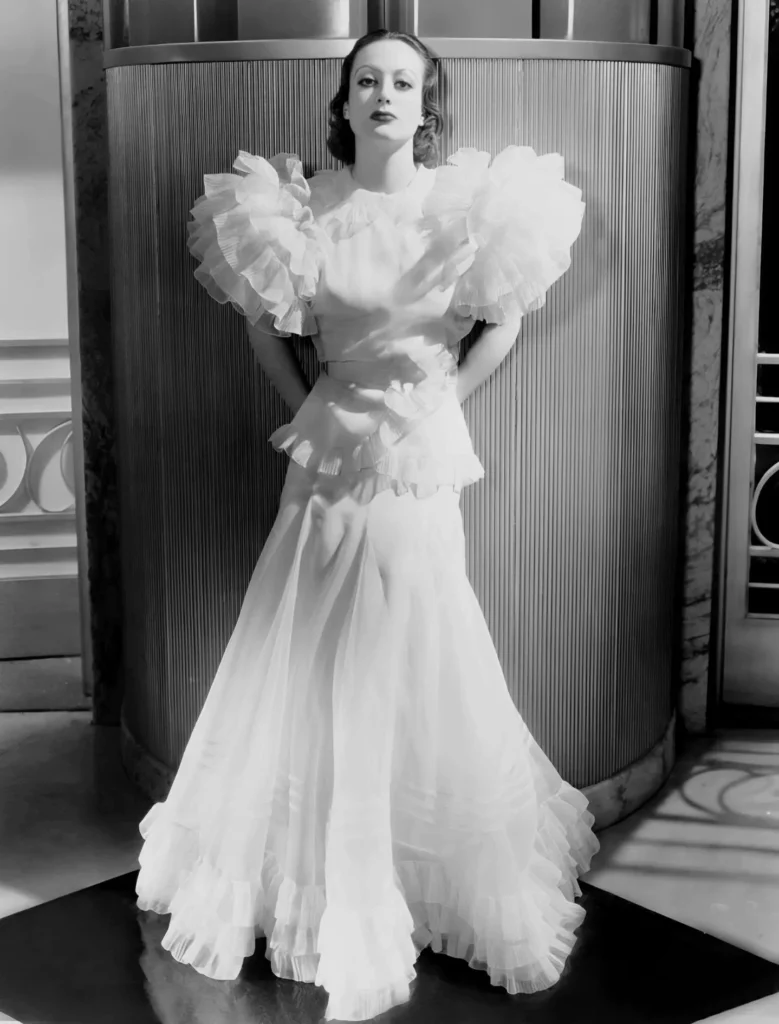
Nearly a century later, fashion appears to be circling that exact decade again. Nostalgia has a strange latency period. First something looks dated, then ironic, then collectible, and eventually—given enough distance—new. With 2030 now close enough to feel real, the 1930s no longer register simply as costume history. They have become usable source material.
And there is plenty to borrow. The decade redrew the female silhouette after the dropped waists of the 1920s. Waistlines returned to the body, shoulders widened, hemlines lengthened and evening dresses began moving diagonally across the figure. Madeleine Vionnet’s bias cutting made silk and crepe fall almost like liquid, while Hollywood costume designer Adrian turned strong shoulders into star power on Crawford and body-skimming gowns into Jean Harlow’s visual signature.
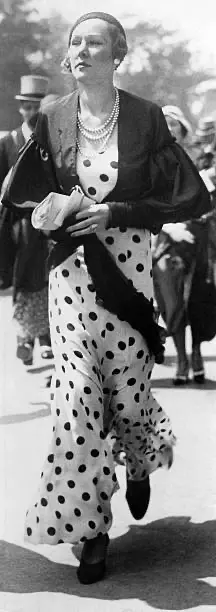
The everyday wardrobe was equally recognisable. Florals, checks, polka dots and abstract prints appeared across day dresses, suits became bolder, blouses and separates offered practicality. Clothes increasingly accommodated movement. Marlene Dietrich, Katharine Hepburn and Amelia Earhart helped trousers cross from provocation into modern womenswear, while wide-legged beach and lounge pyjamas offered another version of the same freedom.
Then there was Elsa Schiaparelli, who treated the decade almost like a laboratory. Her collaborations with Salvador Dalí and Jean Cocteau produced lobster prints, tear motifs, anatomical references, surreal buttons and Shocking Pink, a colour with the manners of a gate-crasher. The decade had discovered that clothes could wink, provoke and flirt with bad taste without losing their nerve. No wonder designers keep reopening the file.
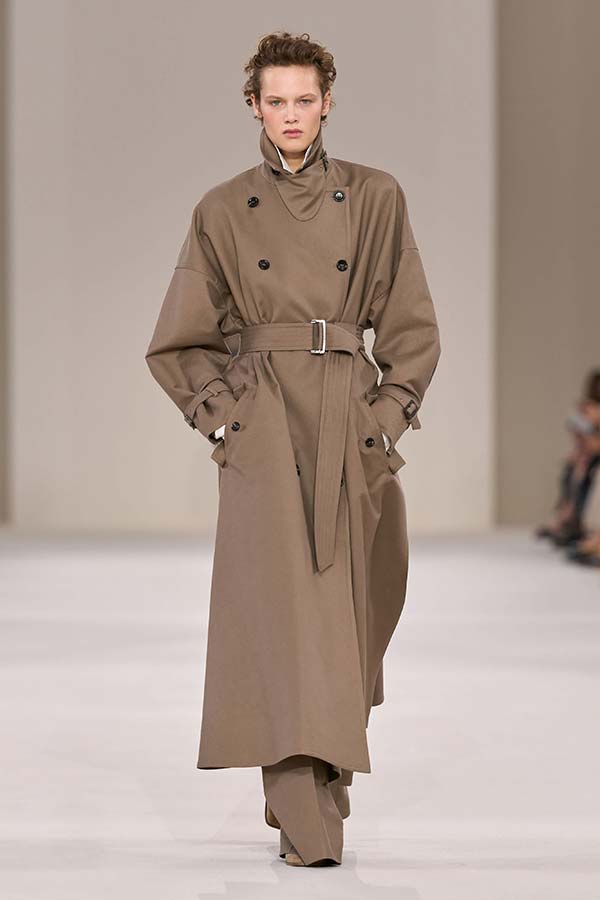
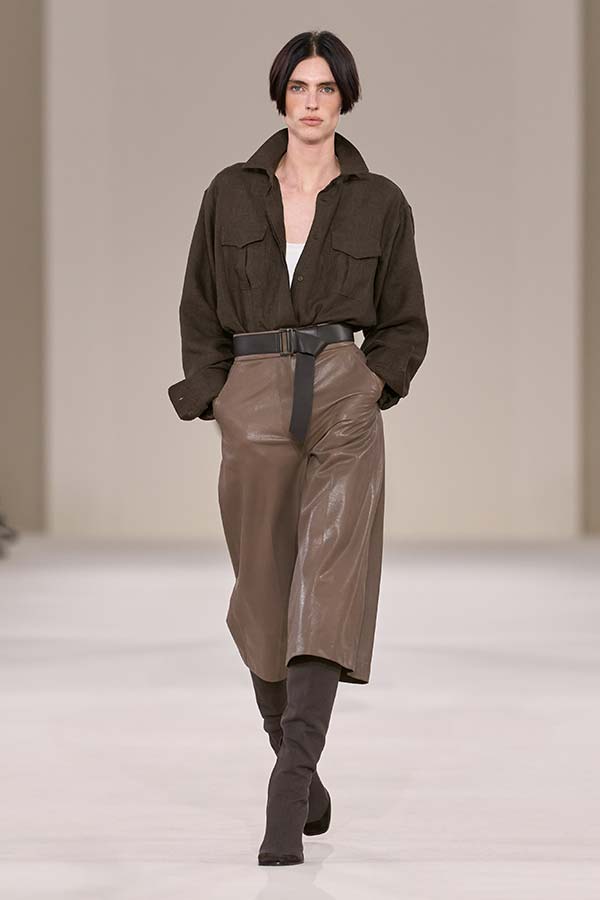
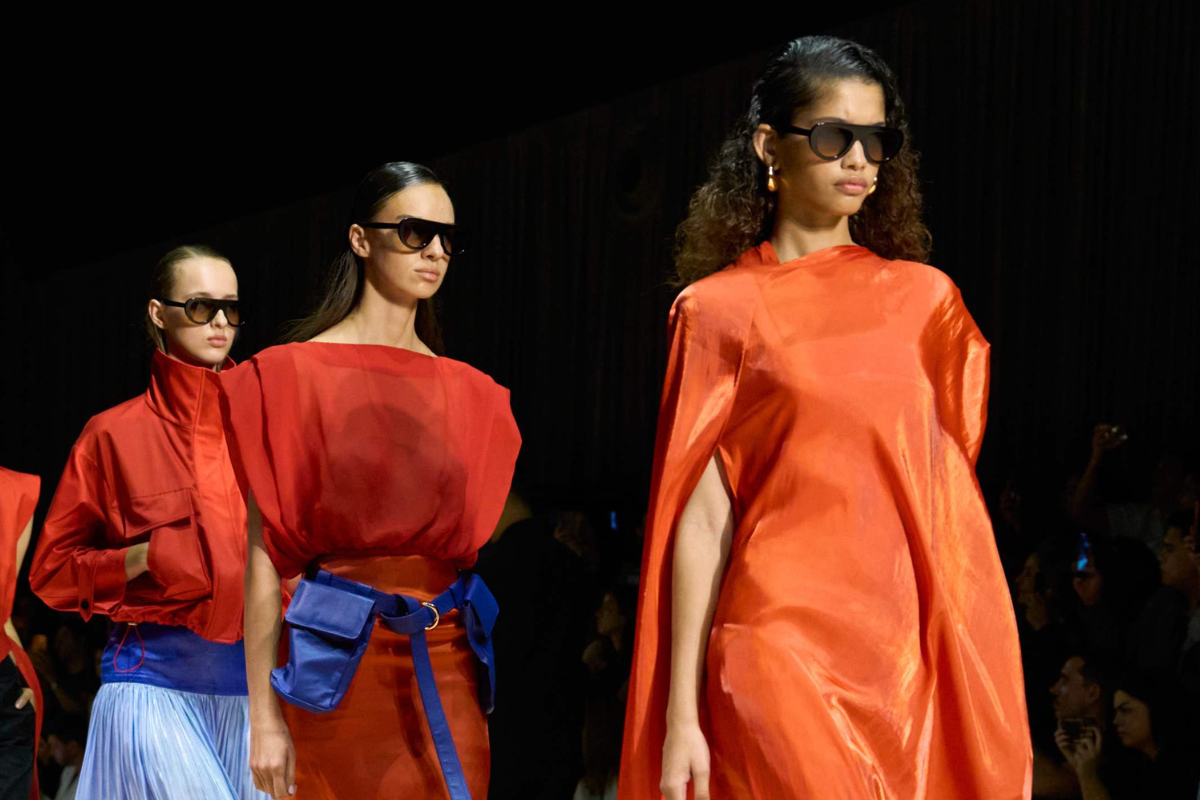
The evidence is already on the runway. Max Mara’s Spring/Summer 2027 collection is explicitly built around the globe-trotting women of the 1930s, translating their wardrobes into safari jackets, cargo vests, organza overalls and low-slung trenches. At Schiaparelli, Daniel Roseberry has been reaching directly into Elsa’s late-1930s vocabulary, Spring 2026 reworked the 1938 Tear Dress, while Spring 2027 revisits archival knit ideas, the Schiap jacket and even a boot shape linked to what Elsa wore in the late ’30s.
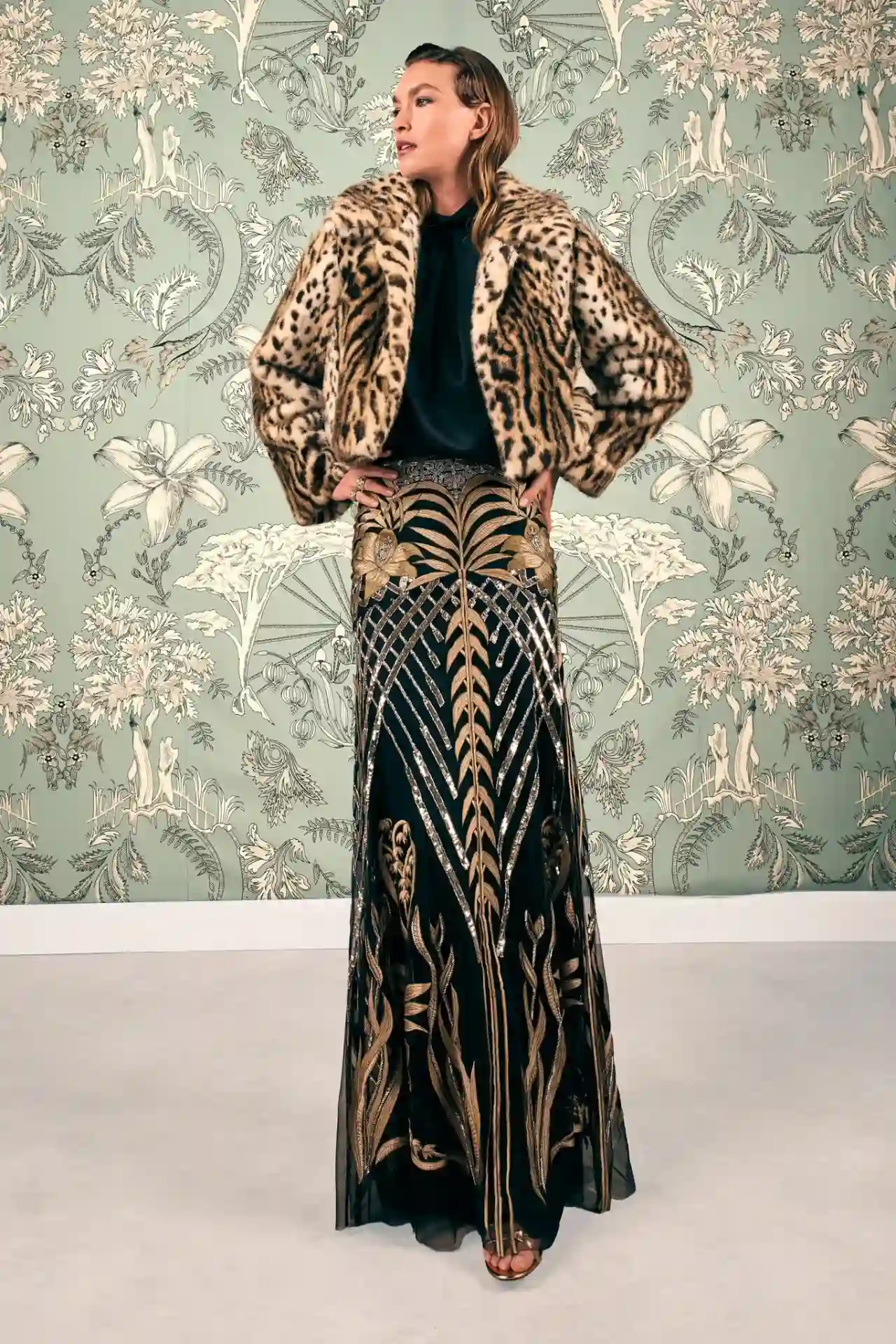
Elsewhere, Erdem’s Spring 2027 collection looked to Barbette, the trapeze star photographed by Man Ray, pairing rhinestone lingerie and feathers with tailoring. Temperley London’s Autumn/Winter 2026 collection carried another trace of the period. Alice Temperley looked to the screen presence of Marlene Dietrich, Greta Garbo, Fred Astaire and Ginger Rogers alongside the collection’s wider references to myth, art and 20th-century cinema. The result came through in velvet suiting, sweeping faux fur, leopard print and eveningwear with the sort of cinematic drama Hollywood once manufactured by the reel.
That also helps explain fashion’s current appetite for what gets lazily filed under “vintage prints.” Polka dots, scattered florals, geometric repeats and slightly odd colour combinations. The same goes for colour over all. Cherry red, acid green, cobalt, tobacco, pinks paired with mustards.
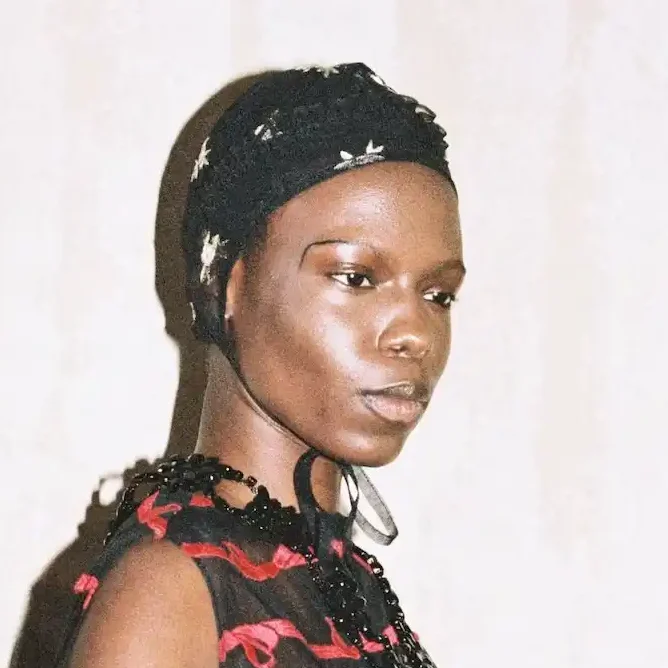
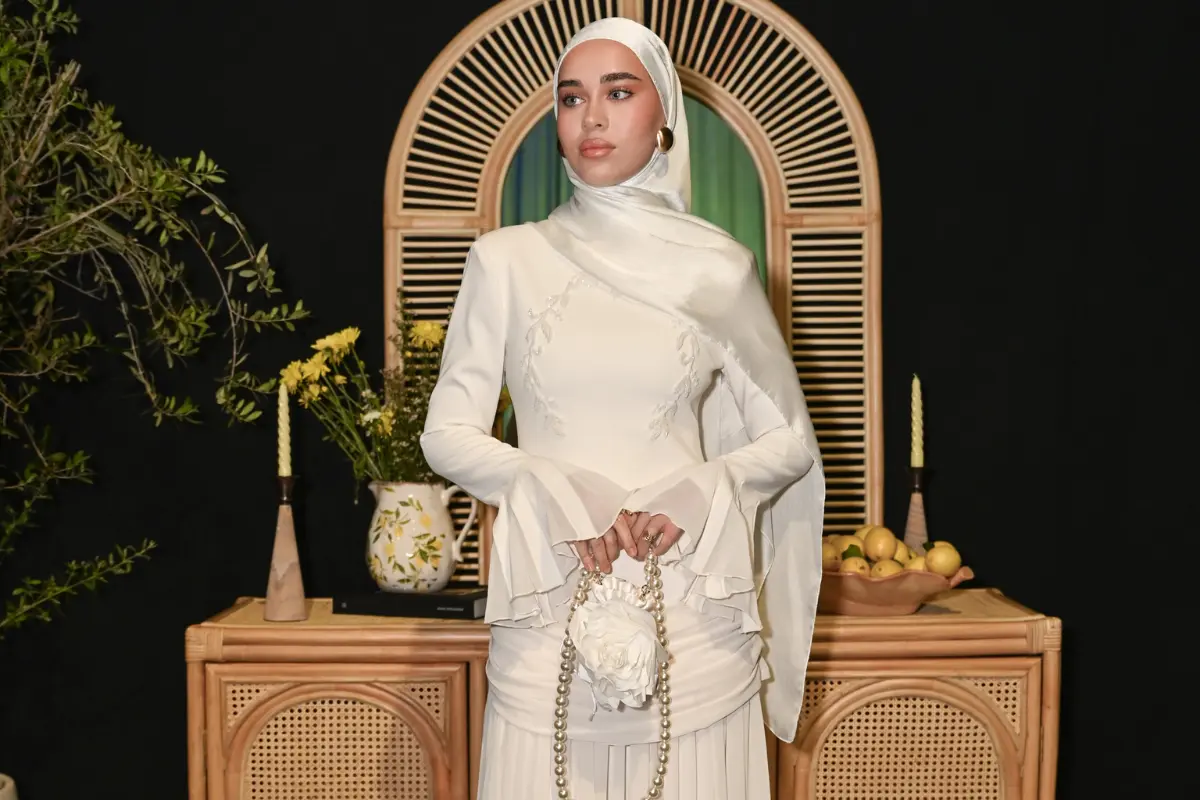
Beauty has followed. The 1930s face was all pencilled brows, soft shadow, sculpted waves and a mouth drawn with intent. At Simone Rocha Fall 2026, the brow came back thin and deliberate, while glossy finger waves have been slipping through recent couture collections with increasing frequency.
We have spent years strip-mining the ’90s, Y2K and the early 2010s, decades still close enough to trigger personal memory. The 1930s sit further away, beyond lived nostalgia and safely inside mythology. That distance gives designers more freedom to edit, distort and romanticise. And with 2030 almost here, 1930 no longer feels impossibly remote. It feels, rather inconveniently for anyone who still thinks of it as costume, right on time.