

A woman in her forties suddenly begins experiencing anxiety despite having never struggled with it before. Her sleep becomes irregular, her patience wears thin and the familiar explanation follows. She’s stressed, overthinking or simply going through a difficult phase. But what if those symptoms warrant a closer examination of her physical health?
Women’s emotional concerns have long been vulnerable to dismissal, while the growing popularity of mental health terminology has introduced its own complications. For World Mental Health Day, Soigné Middle East speaks to Dr Rhea Kotecha, a physician specialising in longevity and functional medicine, Roshani Hill, functional health practitioner and founder of VitalWoman Wellness, and Dr Sandy Zanella, a lifestyle and longevity medicine physician, to examine the physical, hormonal and psychological factors that influence mental health, and why these connections deserve closer attention.
What do you think people still misunderstand most about mental health and emotional wellbeing?
Dr Sandy Zanella: I think we sometimes confuse being well with always feeling good. There’s this pressure to stay positive, be grateful and keep going, which can make people feel guilty when they’re struggling. But you can appreciate your life and still find things difficult. Our mental health is influenced by our biology, our experiences and the support around us. I’d love for us to feel more comfortable saying, “This is hard for me,” without feeling that we’ve somehow failed.

In your work, what are some of the earliest signs that someone may need to pay more attention to their mental wellbeing?
Roshani Hill: It usually shows up in the body before you’d call it emotional. Sleep goes first, especially waking at 3 or 4am with your mind racing. Then patience goes. You snap at someone over nothing and feel awful afterwards. Things you used to enjoy start to feel like effort.
For women in their late 30s and 40s, I’d add anxiety that seems to come out of nowhere. In perimenopause, progesterone is often the first hormone to drop, and it has a calming effect on the brain. If you’ve never been an anxious person and suddenly you are, look into it. Don’t let anyone tell you it’s in your head.
Dr Rhea Kotecha: It is rarely sadness first. It is sleep that doesn’t restore you, a shorter fuse, cancelling plans, reaching more often for sugar, wine or your phone. In clinic I often see the body speak first, through headaches, gut problems, constant tiredness or catching every cold going. When the things that used to bring you joy start to feel like a chore, that is worth noticing.

For someone who knows they need support but feels hesitant about asking for help, what would you want them to know?
Roshani Hill: I know how strong “what will people say” is here and in my own cultural expectations. A lot of families still deal with this quietly, at home, if at all. YouGov research in the UAE found that 44% of residents wouldn’t feel comfortable talking about their own mental health if they were struggling. In the UK, mental health charity Mind reports that nearly one in four women experience a common mental health problem in any given week.
It’s the same story at work. Motherhood and perimenopause were the two times I personally felt the least supported, both by healthcare and by employers. Plenty of workplaces have the right policies on paper, but when a woman actually needs that support, it often isn’t there, so she stays quiet.
When I was Head of Health Policy for the Health Insurance sector in the UK, what helped people open up was treating mental health like physical health. You wouldn’t hide a broken arm. Asking for help isn’t weakness, and it isn’t a lack of faith. Start with one conversation, with a friend, your doctor, or anyone you trust.
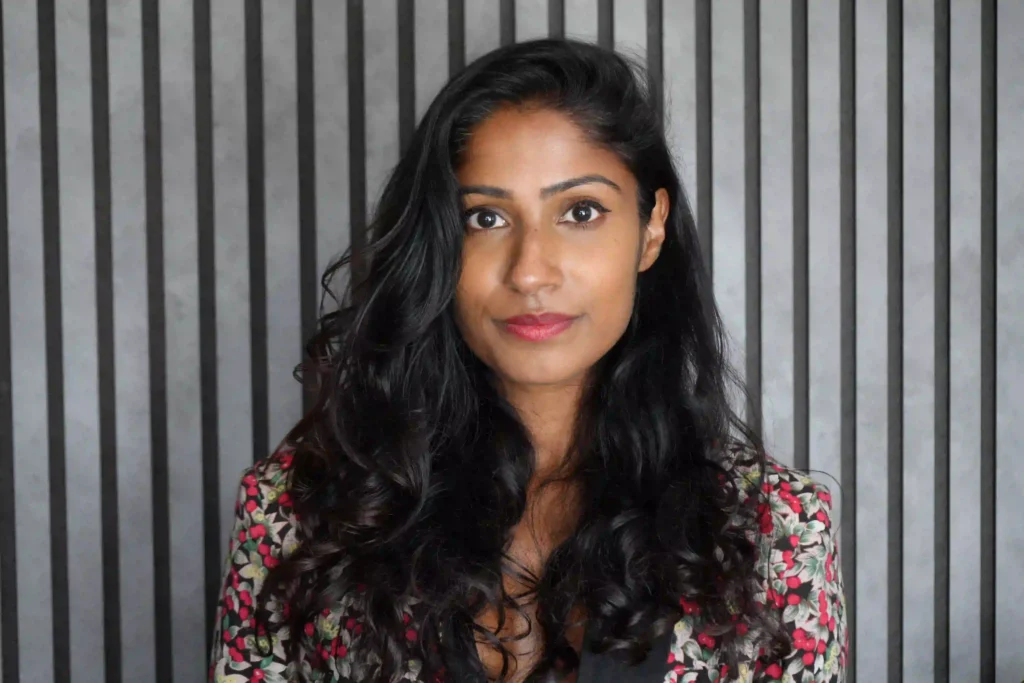
Why is it important to understand the difference between everyday emotional fluctuations and clinical mental health conditions?
Dr Rhea Kotecha: Talking openly is real progress, but these words carry weight. Feeling low after a loss is part of being human; depression is persistent and changes how you function. Struggling to focus in a world of endless notifications is common; ADHD is lifelong and shows up across every area of life. Using these labels loosely can trivialise what people with these conditions live with, and it can also hide other causes. Thyroid problems, low iron, poor sleep and perimenopause can all look like a mental health condition. A proper assessment protects everyone, both those living with a diagnosis and those who might be missing the real answer.
Dr Sandy Zanella: Having more language for mental health can help people feel understood and less alone. The difficulty comes when we assume a familiar symptom tells us the whole story. Feeling low doesn’t necessarily mean depression, and difficulty concentrating doesn’t necessarily mean ADHD. A proper assessment looks at the pattern over time, someone’s history, the impact on daily life and other possible explanations. That helps people get care that fits their needs. And if someone doesn’t meet the criteria for a diagnosis, that doesn’t make their struggle unimportant.