
Ten thousand steps, eight hours of sleep, a daily protein target and another activity ring closed. We’ve become remarkably invested in the numbers that define our physical well being, with fitness trackers and nutrition apps turning everyday habits into measurable achievements. Yet the conversation around fitness still gravitates towards calories burned, muscles built and progress made in the mirror, often overlooking the influence these same habits can have on our mental health.
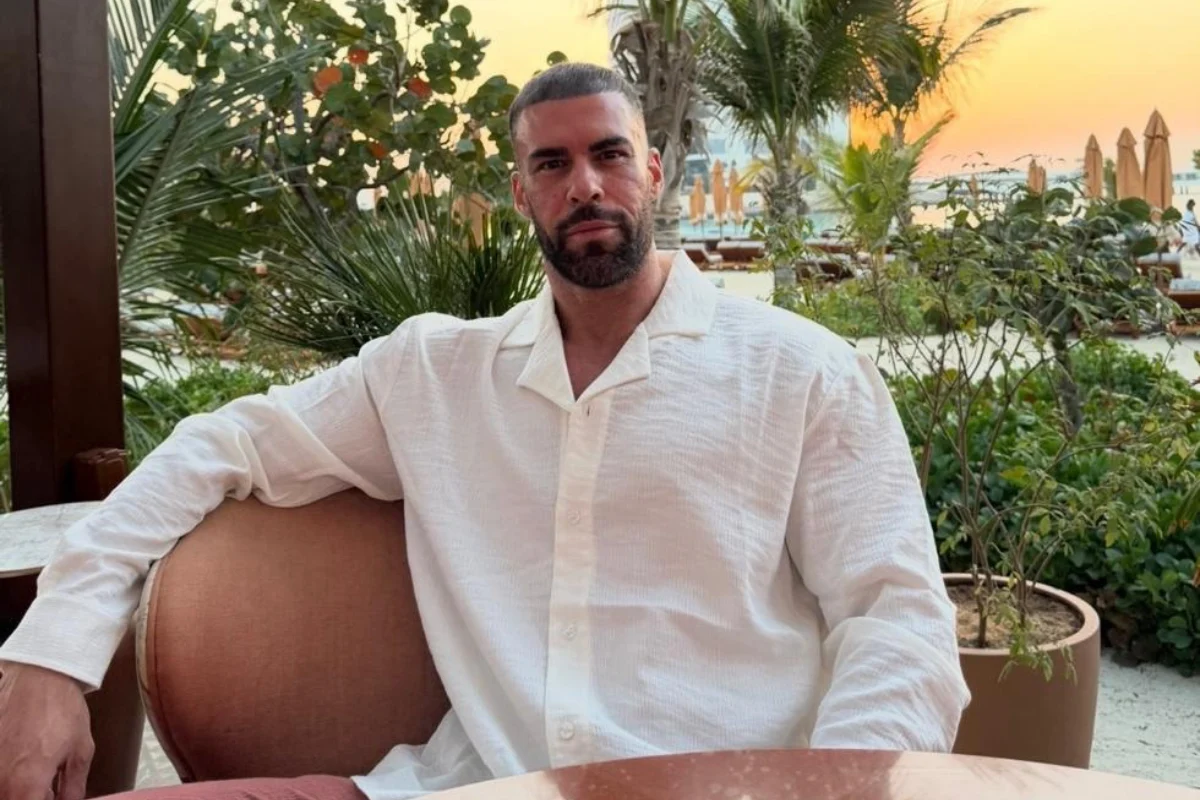
For fitness and wellness coach Jay Gardner — also known for his appearance on MTV’s Geordie Shore — this disconnect reflects a wider misunderstanding of what it means to be healthy.
“I think people often see mental health as something separate from physical health, when in reality the two are closely connected,” he explains. “Looking after your body through movement, exercise, good nutrition and quality sleep can have a huge impact on how you feel mentally.”
Jay believes the same habits that support our mental well being can also help us recognise when something is wrong. Poor sleep, declining motivation, withdrawing from friends or losing interest in exercise are changes we might easily dismiss during a busy week. “Often it’s a change in the things that normally keep you balanced,” he explains, emphasising the importance of paying attention to these early signs.
For the fitness coach, looking after our mental health should be as consistent as looking after our physical health. “The fundamentals make the biggest difference — regular movement and exercise, good quality sleep, eating well and maintaining social connections.” He also finds breath work useful for managing stress and returning to the present moment. “Mental health also needs to be treated proactively, not only when something goes wrong.”
Of course, maintaining these habits can become difficult when the demands of work, relationships and an increasingly connected world compete for our attention. Jay believes establishing boundaries begins with recognising what drains our energy.
“It comes down to being intentional with your time and recognising when something is taking more from you than it gives back.”
Social media has also changed the language we use to describe our mental health. A difficult week is casually labelled depression, while trouble concentrating can prompt a self-diagnosis of ADHD. With symptom checklists and psychological terminology circulating across TikTok and Instagram, greater awareness has made these conversations more accessible, but it has also raised questions about how accurately we understand clinical conditions.
“Awareness is important, but so is accuracy,” comments Jay. “Everyone experiences periods of stress, low mood, poor concentration or feeling overwhelmed, and that doesn’t necessarily mean there is a clinical condition. At the same time, genuine mental health conditions shouldn’t be dismissed as simply having a bad day.”
Recognising symptoms can encourage people to seek answers, but identifying with an online description cannot replace a professional assessment.
And while we readily consult fitness coaches about our training and nutritionists about our diets, asking for help with emotional difficulties can still feel considerably harder.
“Asking for help isn’t a sign of weakness. It’s a sign that you recognise something needs attention and you’re willing to do something about it,” he says. “Whether that’s speaking to a professional, a friend or someone you trust, you don’t have to deal with everything on your own.”