There is a quote by Vladimir Lenin that says, “There are decades where nothing happens; and there are weeks where decades happen.” And between the US-Israel-Iran war, the subsequent economic instability, and heavy storms that have hit the UAE, there’s no doubt that we’re living in the weeks where decades happen. Within all this anxiety, people are turning to the arts, not just for an escape, but for comfort. It’s not anything new, but rather a sobering reminder that even during times of uncertainty, art persists.
For a place like Dubai, art comes out in an even stronger force. The people, no matter the class, culture, or creed, are connected through hypermobility and sheer survival instinct. It is so strong that it has given rise to the city’s own form of burnout. So when the Emirate slows down, so do its people, and they naturally gravitate towards the arts.
For some, it is subconscious. A weekend of binging wouldn’t be considered as indulging in the arts but it very much is so. For others, the sudden slow pace makes room to create, picking up art in the form of reading, writing, or painting. Whereas for some, the arts satisfy a craving for community, of which arts groups in Dubai are happy to provide. We’ve seen this at Cinema Akil, which extended their timings and established a ‘Pay What You Can’ system, opening their doors for everyone looking to be amongst like-minded people.
Historically, art during unstable times shaped movements and evolved with the times. Now it does that, plus soothes, entertains, and gives meaning and a voice to those left feeling stranded by the system.
Jean-David Malat, Founder of JD Malat Gallery, shares the same sentiment. “Art has always been a way for humanity to process the world around us,” he says. “During periods of uncertainty, people search for meaning, reflection and connection. Art offers a language that goes beyond words. Art does not exist outside of history. It evolves with it.”
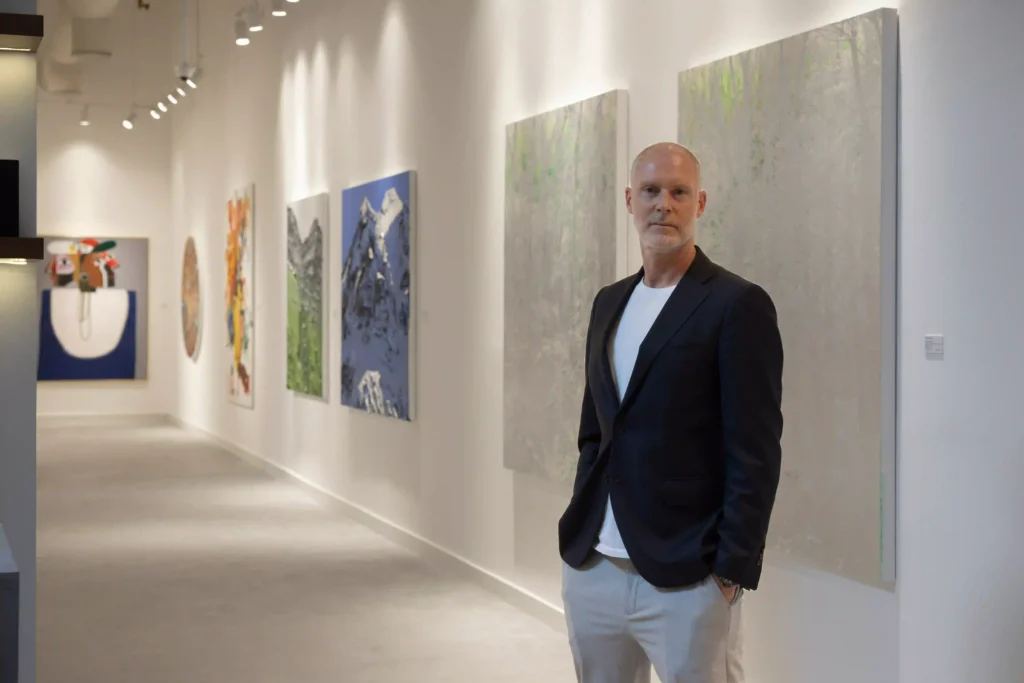
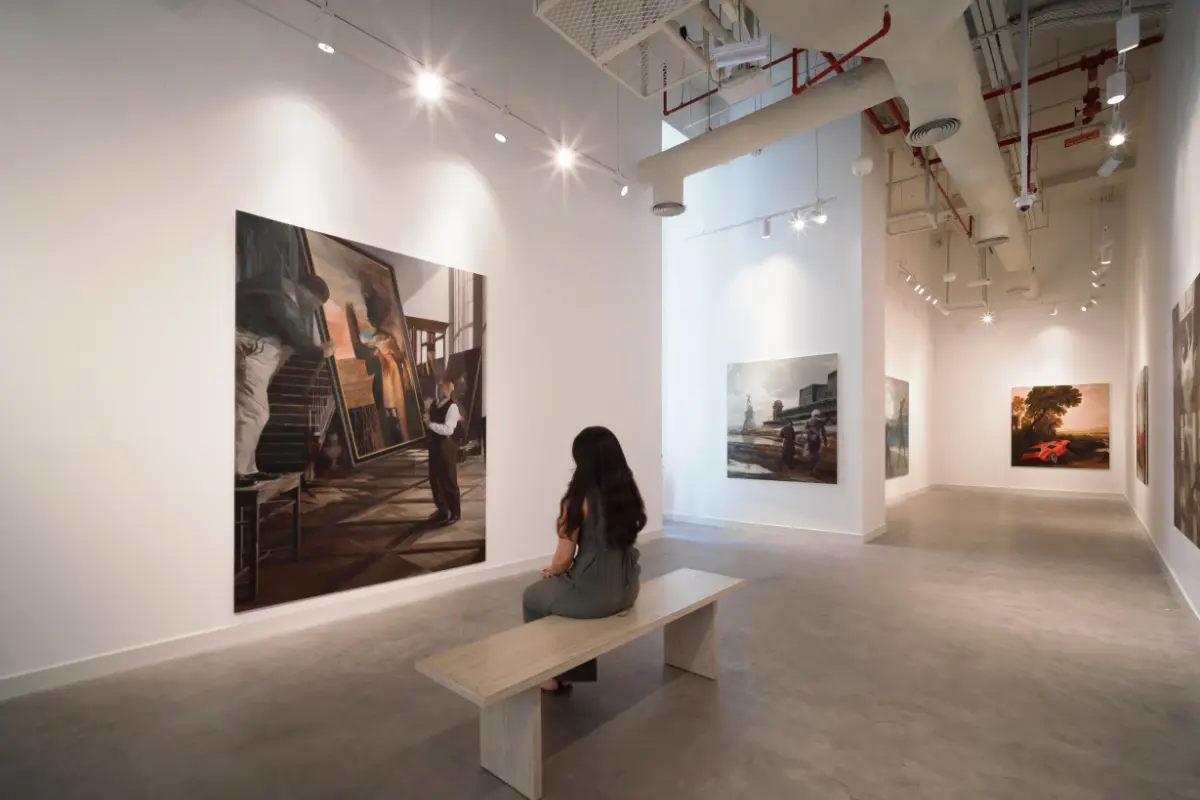
We see the Founder’s understanding of art’s place also in its Downtown Dubai gallery. Curating it as a cultural space that crosses borders, the gallery becomes another way in which art connects us, fostering understanding and dialogue.
“Cultural spaces bring people together,” Malat explains. “They remind us that creativity and culture remain constant, even when everything else feels unstable. And art has the unique ability to cross borders, cultures and political divisions. That’s why there is a responsibility to maintain these open spaces for reflection, curiosity and conversation.”
Although the arts as a field are criminally underfunded, it is the first thing we cling to during times of chaos. Because art is so deeply human, when we look towards it, we are searching for humanity when it feels like there is none. And just like how humans have survived and evolved from this, so will art. But for now, as we navigate uncharted waters, the arts play their role to anchor us, pushing us forward.