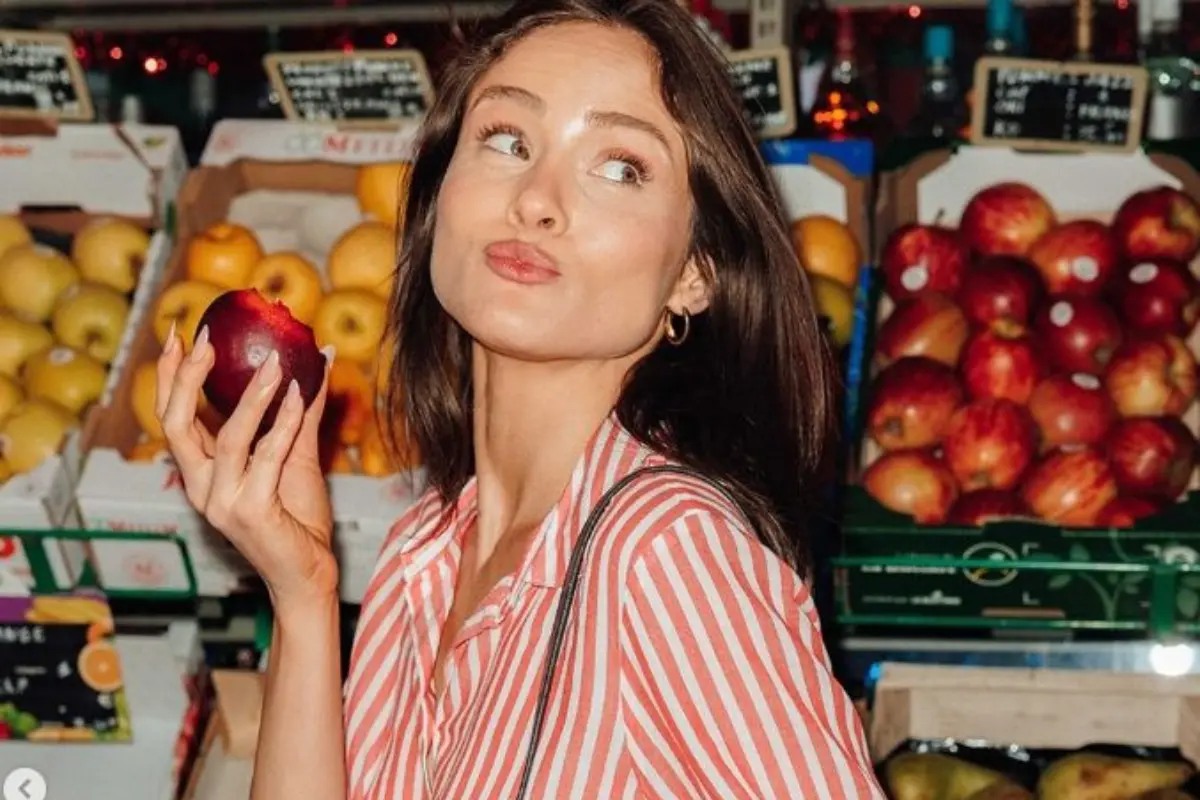
As food continues to be a point of aestheticisation despite global food insecurity, one trend among many is trying to centre food in a wholesome way. And that is the ‘90s butter mom. If it hasn’t been hitting your feed the way it hits ours, let us put you on everything to know about the growing fascination with this specific kind of “mom”.
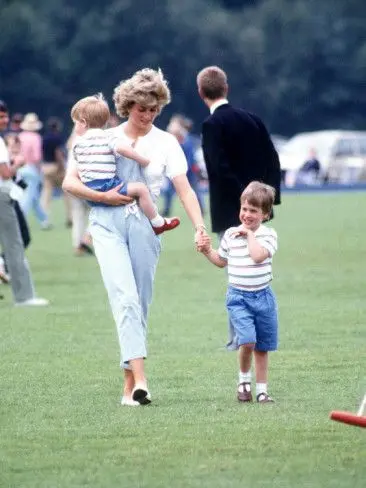
A direct counter to the early 2020s term ‘almond mom’—a parent rooted in diet culture and treats food with restriction. In contrast, the ‘90s butter mom emphasises a judgement-free approach to eating. With her, you can eat in abundance, not excess. Here, all food is seen as wholesome, with no shame or any other moral grievances attached to it. There is also a heavy focus on creating food from scratch, a call back to how moms of the past would create breads, pastas, gravies, and, of course, butter, from scratch. Here, the butter analogy is apt as something soft and indulgent but not overtly rich. Thus, the mom represents that same softness and comfort.
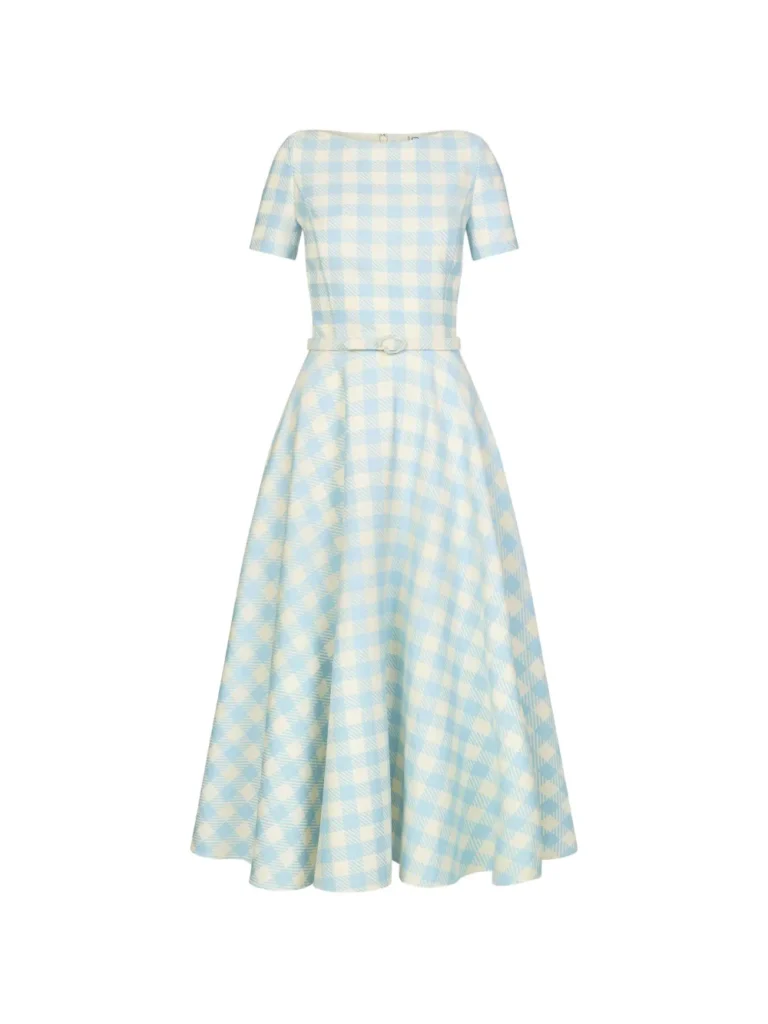
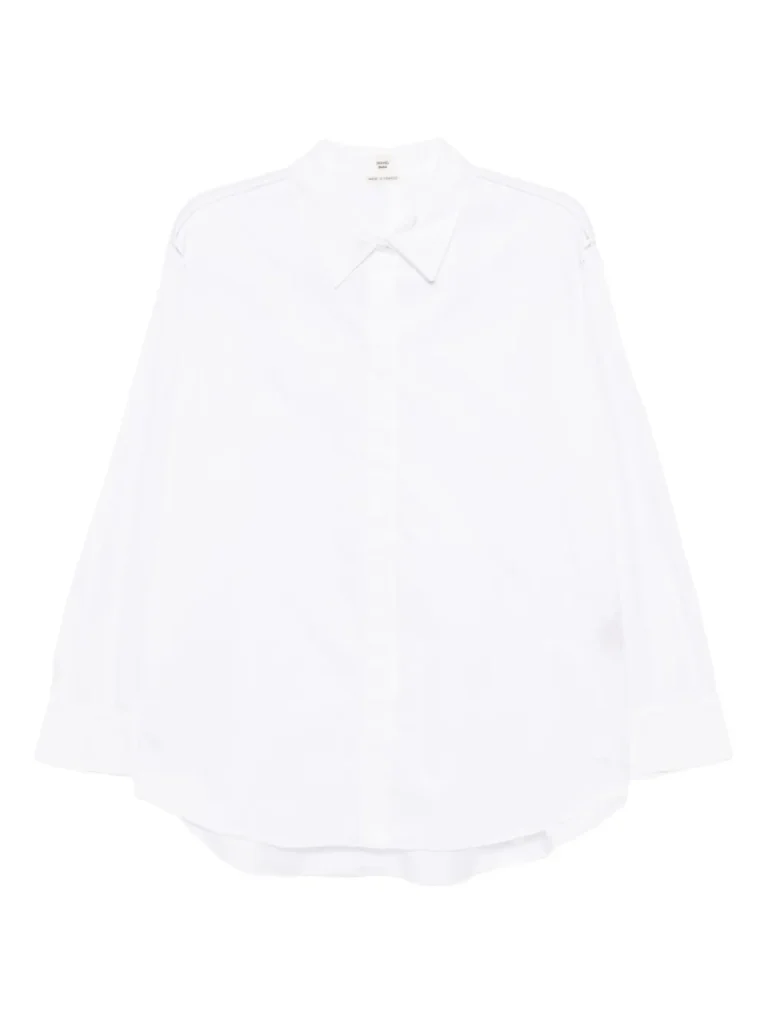
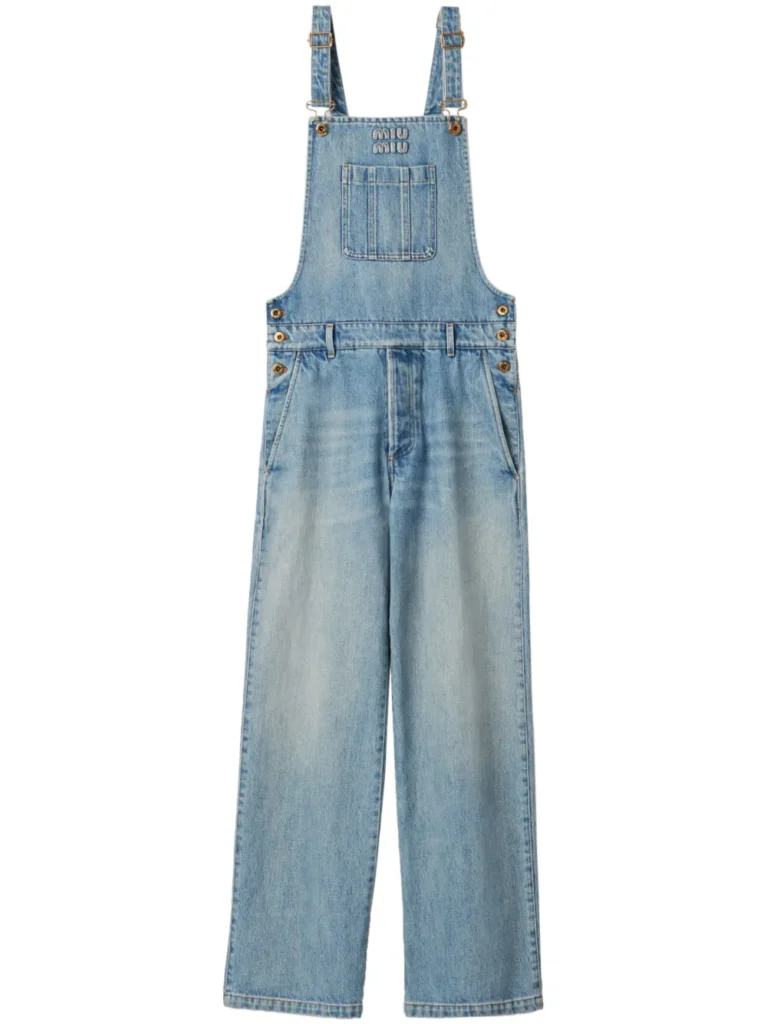
The fashion here is layered and lived in. The clothes a ‘90s butter mom wears are similar to a capsule wardrobe, with relaxed silhouettes for ease of movement. Heritage, “quiet luxury” brands fit here like Hermes or Loro Piana because the ‘90s butter mom focuses on quality over quantity. Her wardrobe looks like denim, florals, gingham, overalls, and neutral tones made to last throughout seasons. It’s a look easily achieved through thrifting as well.
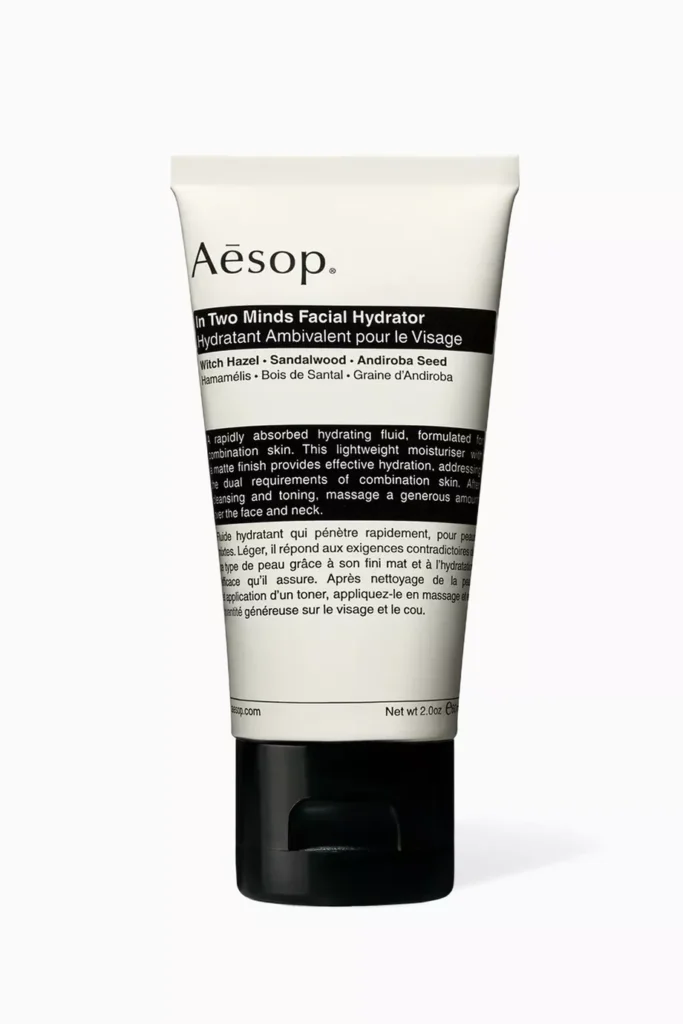
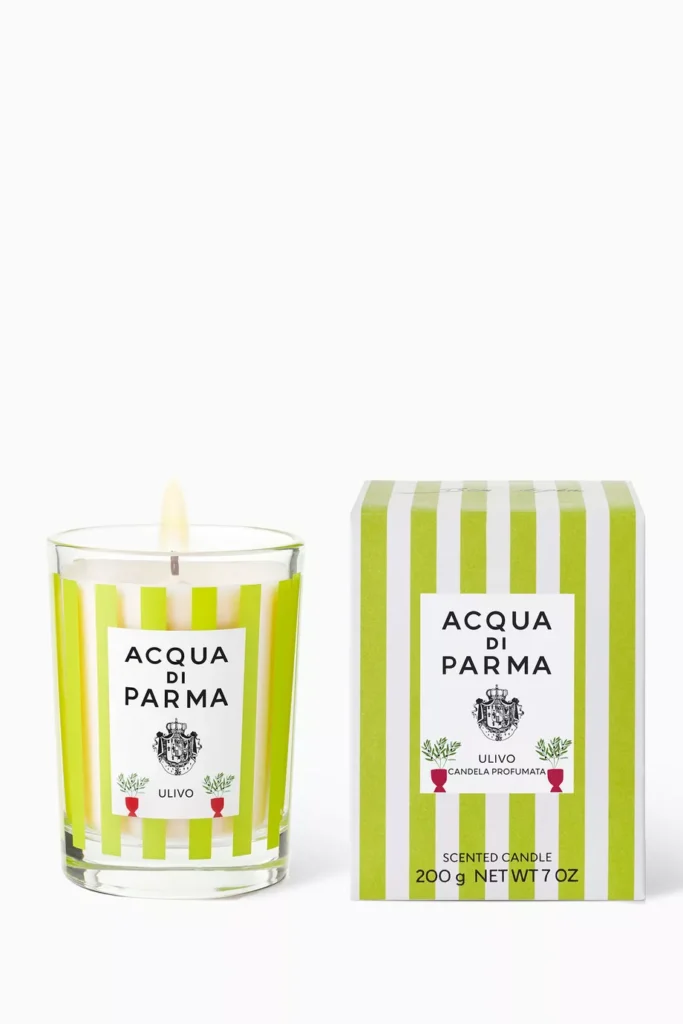
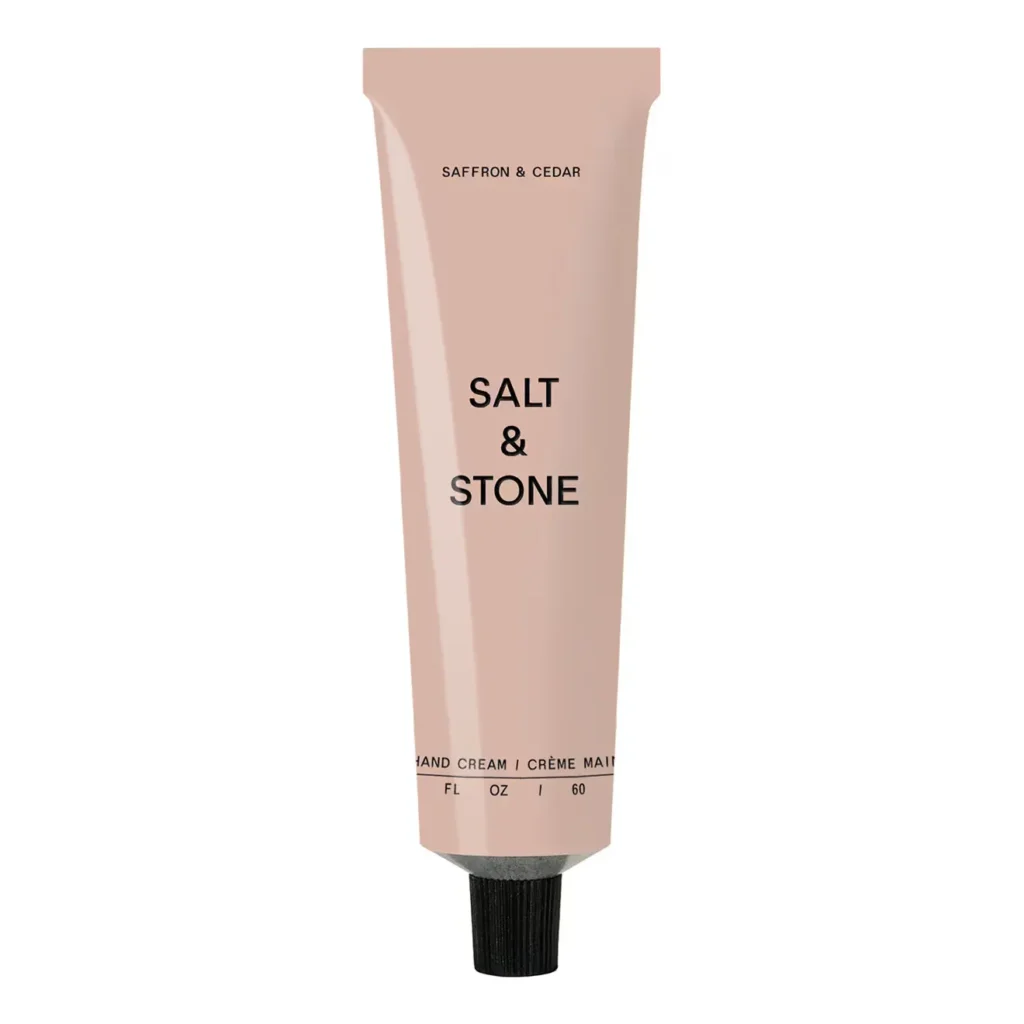
Beauty follows the same principles. Hair is either cut short into bobs or left in its natural state. Products are “skin-vestments” that are heavy-duty formulations proven to work. Whereas home design and decor follow a natural and functional path. Think vintage jars, inherited fine china contrasted with ceramic cutlery made at a pottery class, art collected over the years, and sentimental trinkets decorating each corner. It’s a refined balance between minimalism and maximalism, where things come with practical reasons but also just because they bring joy.
For some, this trend is a romanticisation of their own childhoods in the ‘90s, a fantasy of what their own mothers were like. For others, it’s a response to ultra-processed food, hyperfast living, and diet culture. For both, it’s a trend born out of exhaustion from modern living. Despite technological advancements that should better our lives, many are feeling the opposite. Surviving paycheck to paycheck or beginning side hustles to improve living conditions while sacrificing downtime and a social life, the ‘90s butter mom is an attempt to slow down and turn away from this world. That means falling back in love with boredom, with routines, with the slow process of creating food.
However, there is some nuance here worth noting. For one, the ‘90s butter mom is a deeply Eurocentric idea. For most communities across the Gulf, Asia, and Africa, moms still continue to create food from scratch while balancing a 9–5. Part of this is cultural norms, but part of this is also the cuisine’s requirements. So for these communities, there is nowhere to go back to.
And while this trend promotes a judgment-free approach to food, it also implies going for homemade over packaged, which puts pressure on people navigating time constraints, picky eaters, economic restrictions, and other realities of real-life living. The best way to manage through these nuances is to look at the trend, not for its visual appeal but for the messaging that it holds—that we should live with intention, be thoughtful about what we surround ourselves with, and allow food to be something that brings us joy rather than something to restrict.