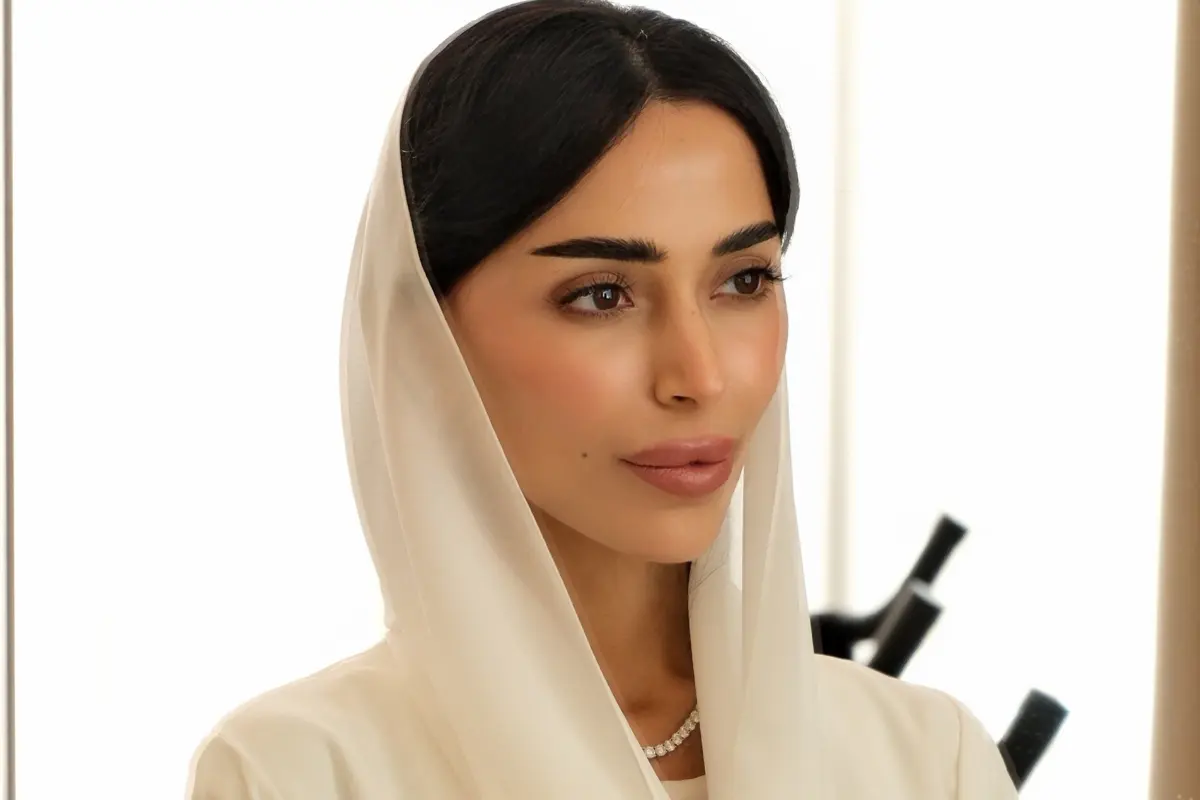
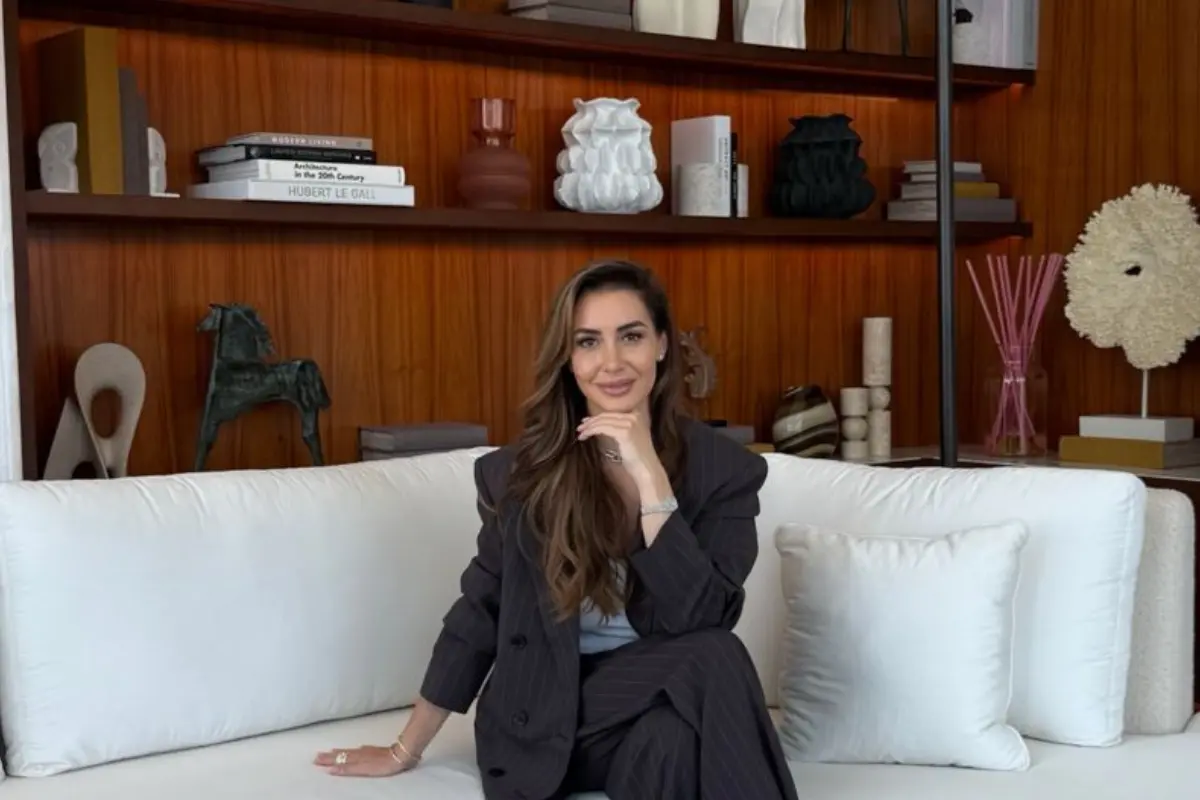
When it comes to your favourite travel stories, what are the first few things that come to mind when you recollect them? Was it the spontaneity or was it a planned adventure that’s cemented in your memories? Was it the streets, the people you interacted with, or the hotel bed that first comes to mind? Whatever it may be, the curation of all those little details is all too familiar for Maxime van Gelderen, who lives and breathes luxury travel.
As the Founder and CEO of Connecting The Dots (CTD), an independent travel and lifestyle agency, van Gelderen focuses on luxury hospitality and experiential storytelling where destinations, brands, and community all intersect with one another.
And in a time when most of the community in the region is planning their summer travel sooner than expected, van Gelderen navigates the sudden movements with ease. In a Q&A with Soigné, she tells us just how she connects people, places, and well, the dots.

Can you tell us about your journey to CTD? What led you to start Connecting The Dots?
My life has always been shaped by movement. From an early age, I found myself moving between cities in the Netherlands, before spending my formative years across Italy, Malta, and China. Shifting between cultures, environments, and perspectives developed in me a sense of independence and an ability to read situations, connect people, and navigate nuance.
While working in luxury hospitality, I quickly realised that excellence in service goes far beyond access. Clients were not looking for reservations. They were looking for anticipation, discretion, and a sense of effortlessness. So over time, I built a network across key destinations such as London, Paris, the South of France, Milan, and Ibiza, forming close relationships with leading hotels, restaurants, and highly curated experiences. Alongside this, my role as PR and Marketing Manager for an international restaurant group across cities such as Amsterdam, Barcelona, Berlin, and Munich deepened both my reach and my understanding of the industry.
Connecting The Dots was born from the desire to structure this ecosystem into something more intentional. CTD is not a concierge. It is a lifestyle management platform that moves fluidly across travel, dining, fashion, and culture.
Personally, what do you gravitate towards when travelling? Do you prefer a quiet vacation at a resort or a holiday that is more adventurous?
I do not see travel as a choice between stillness and adventure. It is about rhythm. The most compelling destinations allow for a natural shift throughout the day. Slow, restorative mornings, afternoons shaped by culture or landscape, and evenings that evolve into meaningful social and dining experiences. That balance is what gives a place depth.
I have always been drawn to brands like Aman, where the identity of a destination is preserved and elevated rather than imposed. Recently, Capella Kyoto stood out to me for this same reason. A place where architecture, heritage, and atmosphere exist in harmony. That is what I look for. Environments that feel both grounding and transportive at the same time.
Since you work with brands from across the world, do the different cultural nuances affect your leadership style?
They do, but more in execution than in principle. The standard remains consistent, but how you communicate, manage expectations, and build relationships shifts depending on the region. Understanding those nuances is essential when operating globally.
It also influences how we build our team. We prioritise individuals who can read situations intuitively and adapt quickly without ever compromising on quality or discretion.
Since Dubai is the baseline of your business, how has the current geopolitical situation affected things, and how are you navigating it?
There has been a shift but it is less about demand and more about behaviour. Clients are making more last-minute decisions, adjusting destinations, and expecting a higher level of flexibility. Dubai remains a key anchor, but travel patterns around it are becoming more fluid.
So we stay agile. With a strong global network, we are able to pivot quickly and maintain a seamless experience regardless of external circumstances.
What is next for hospitality in the region?
Hospitality in the region is becoming more layered and more intentional. It is no longer just about the property. It is about the entire ecosystem around it. The city, the desert, the cultural context, and how every touchpoint connects. Guests expect continuity, not fragmentation.
We are also seeing stronger local engagement, with residents exploring their own region through staycations and curated experiences.
The key moving forward is alignment. When operators and those managing the client relationship work closely together, the result is a far more cohesive and elevated experience.
Your go-to destinations for a brief escape?
For shorter escapes, I look for contrast. A shift in pace and perspective.
Bhutan offers something entirely unique. Untouched landscapes, spiritual depth, and a complete detachment from noise.
For a place closer to the region, AlUla stands out for its visual impact and cultural layering.
For pure reset, Oman, the Seychelles, and the Maldives remain natural choices. Each offers a slower rhythm and a strong sense of place.
From a broader travel perspective, I often think in sequences rather than destinations. Athens and Bodrum, moving into the South of France and Ibiza, then continuing towards Hong Kong and Thailand. A natural west-to-east flow that aligns with both seasonality and energy.