In the 17th century, the French began to imitate neck scarves worn by Croatian mercenaries. They took it to high society and the necktie began ruling high fashion. From a symbol of military power to a symbol of social status, the necktie was a loaded accessory from the start. And now, the accessory is back in the hands of women with an even deeper cut.
As conservative ideology and women’s rights are coming into question, we see womenswear respond by defying social norms in their own way with the necktie. The necktie being used for defiance is nothing new. In the late 1800s, women in the women’s suffrage movement and women’s liberation movement adopted neckties as an act of rebellion. In the ‘70s and ‘80s, neckties were a form of power dressing, a style that, in some ways, armoured women in male-dominated workplaces. Even in the early 2000s, artists like Avril Lavigne sported ties over tank tops as a way to showcase another form of femininity; one that can be loud, brash, and unapologetic.
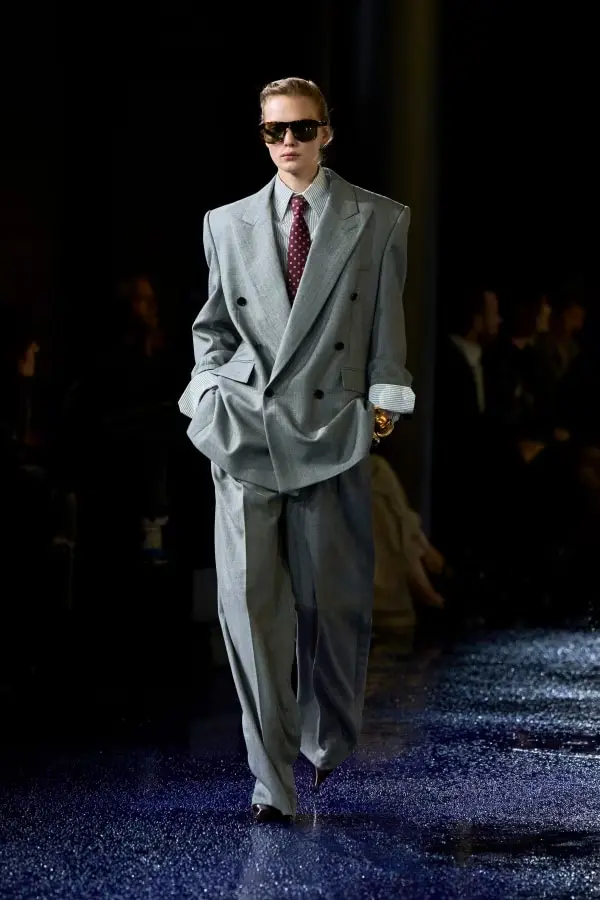
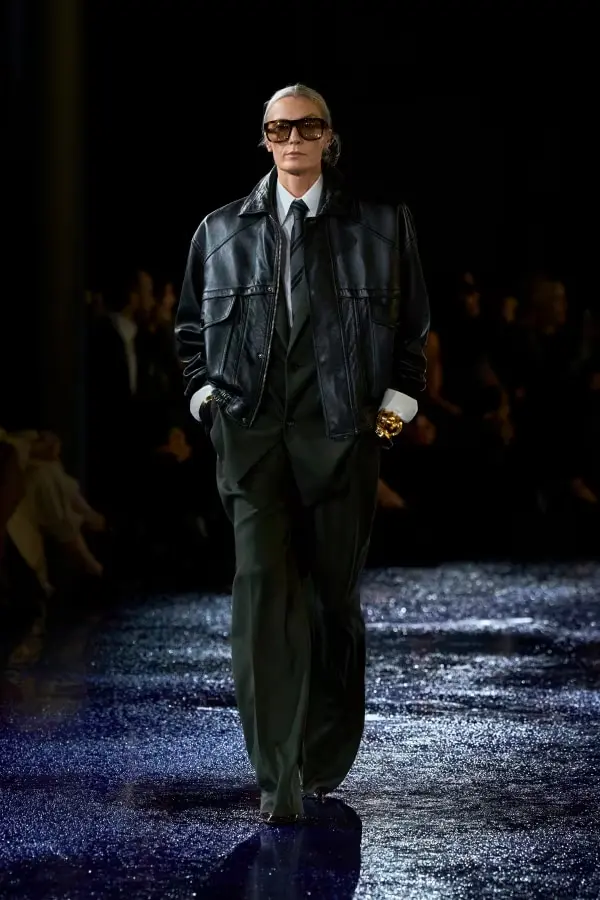
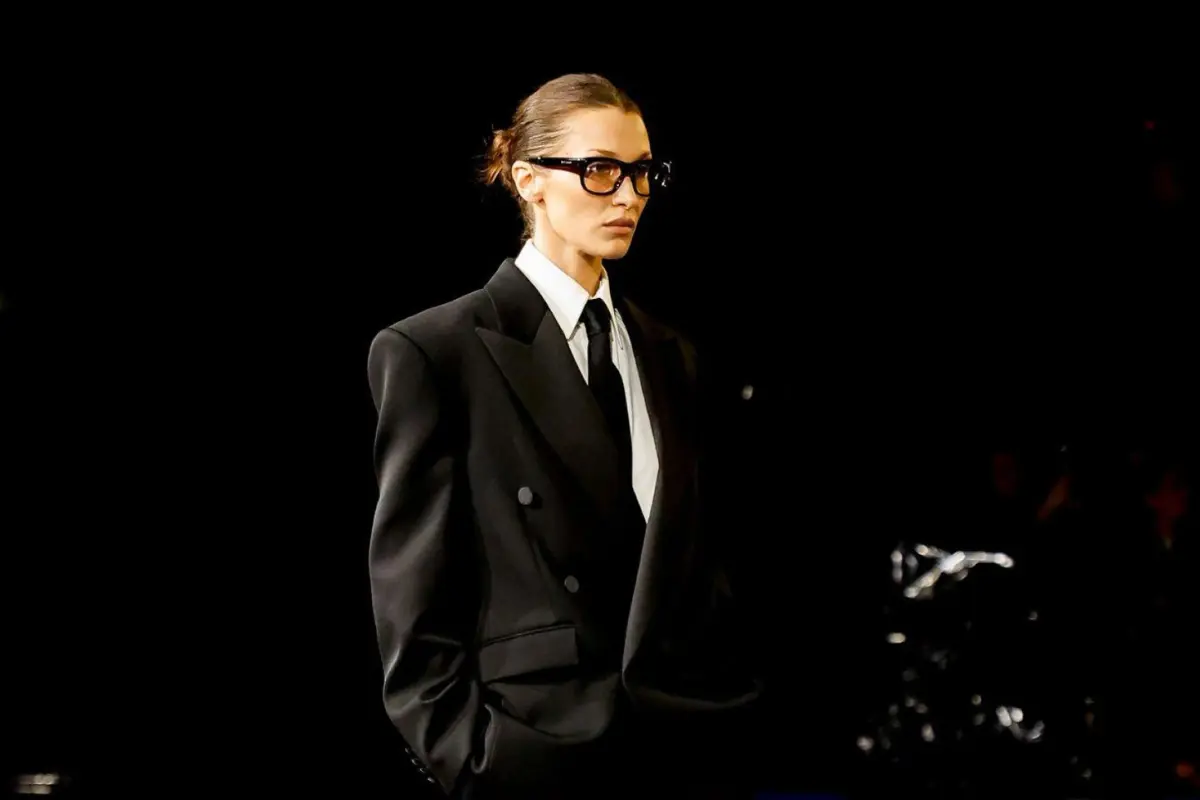
Now, in 2026, we see neckties slowly returning to mainstream womenswear. Since 2022, runways have been incorporating neckties into their collections, with Saint Laurent’s SS25 show at Paris Fashion Week making the biggest splash. Street style at these fashion weeks also saw neckties layered and tucked in, showcasing how the fashion-forward adopted the accessory. And following that, trends like poetcore brought out ties in its traditional masculine fashion, while more recently, The Devil Wears Prada 2 shows us how ties can be both armour and a means of creativity. Andy has a rotation of necktie moments inspired by the power dressing of the 70s, as noted by the film’s costume designer, Molly Rogers. Wheras Miranda Priestly’s new assistant, Amari, brings a more creative, fashion-forward look, pairing ties with skirts and using them as a belt. Ties here are both fashion statements and a front for power as the characters navigate an unstable industry, getting powerless by the second.
And isn’t that the current case for women all over the world? While one side of the world navigates a war that was built on liberating women’s rights, the other side faces new laws, new restrictions, and cultural peer pressure to let go of independence. Either way, women are being boxed in, being spoken for, and having their agency stripped away. Which is why the masculine style is more than just an accessory. It’s women’s own way of asserting agency, whether it’s layered through dresses, tucked with a maxi skirt, or sported over streetwear. It’s a cyclial return of fighting back with fashion by taking notes of the past, transforming what an accessory means, and what it can do.