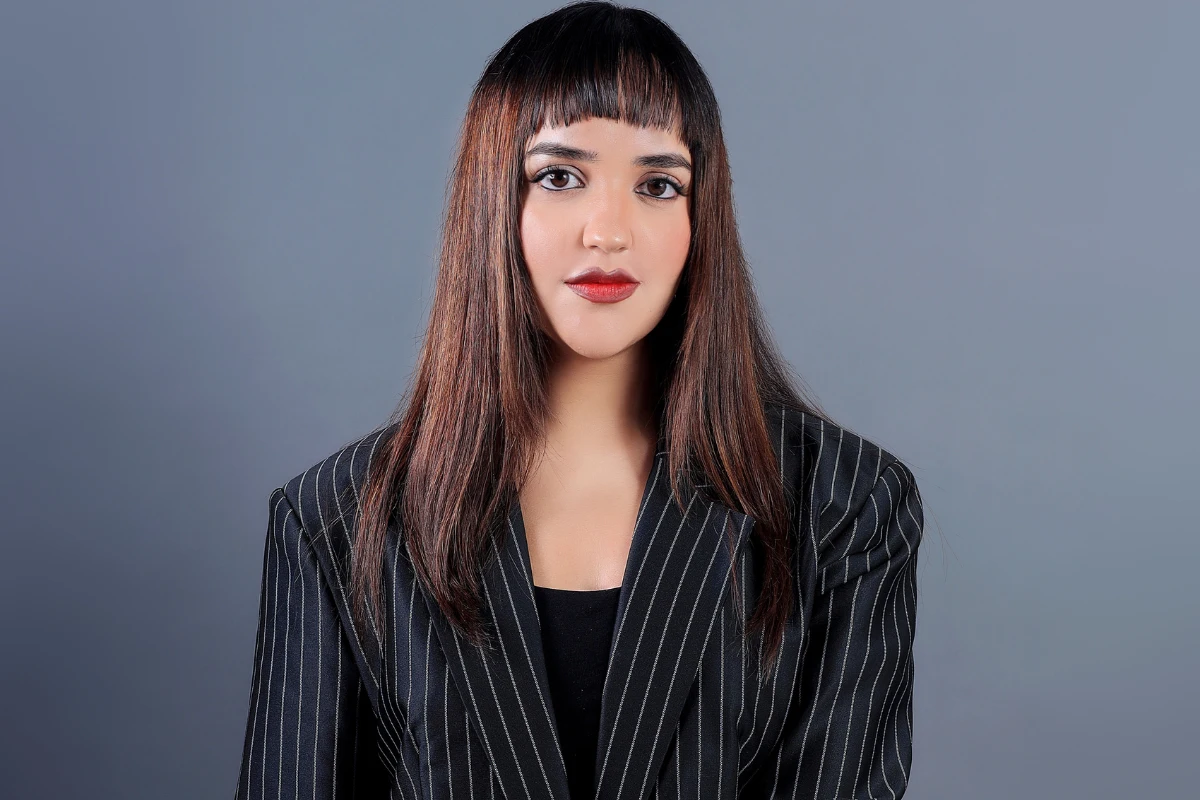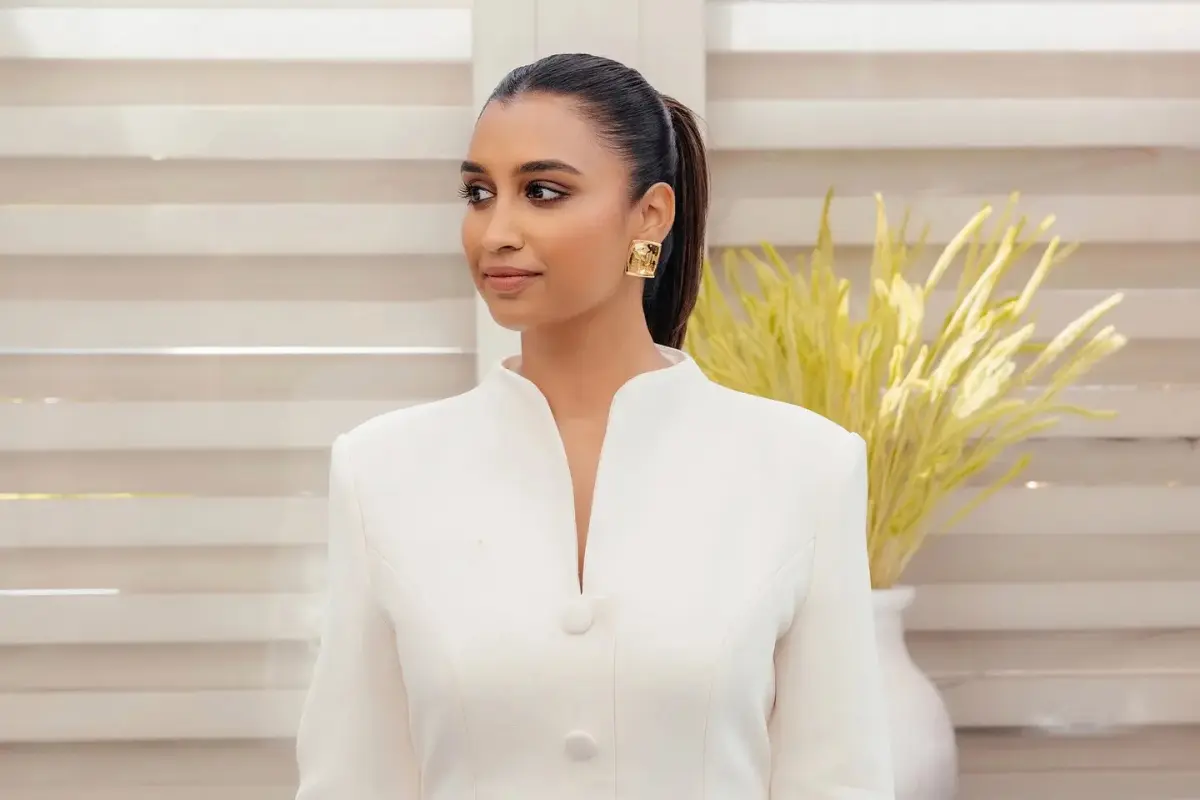
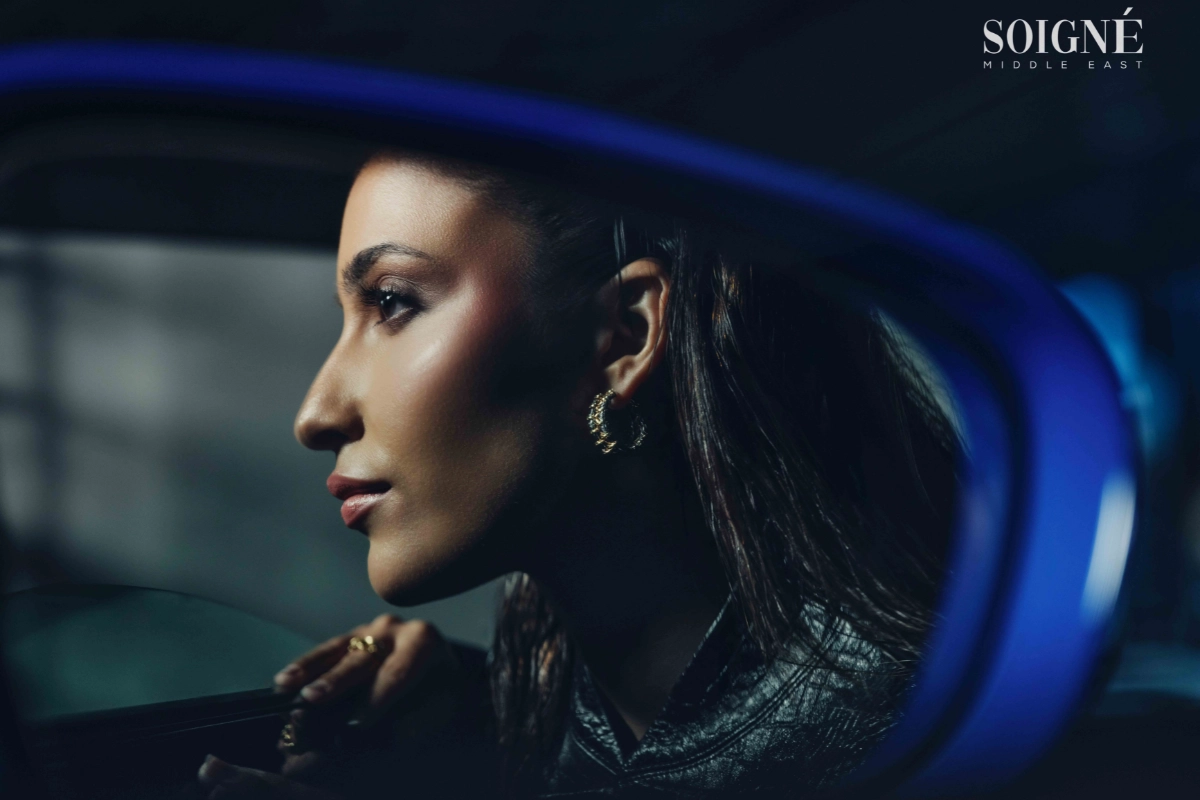
Amna Al Qubaisi fronts Soigné Middle East Issue 003 at a moment when her influence is travelling far beyond the circuit, just two weeks after being named among TIME’s inaugural list of the 100 Most Influential People in Sport. The recognition feels fitting for a driver whose story speaks to a generation of women moving through spaces once slow to make room for them.
As the first Emirati female racing driver, Amna entered motorsport without a blueprint, carrying the gaze of her country and the hopes of girls watching from beyond the track. “Being the first means you’re constantly being watched,” she says. “People aren’t just evaluating your results, they’re evaluating what you represent.”
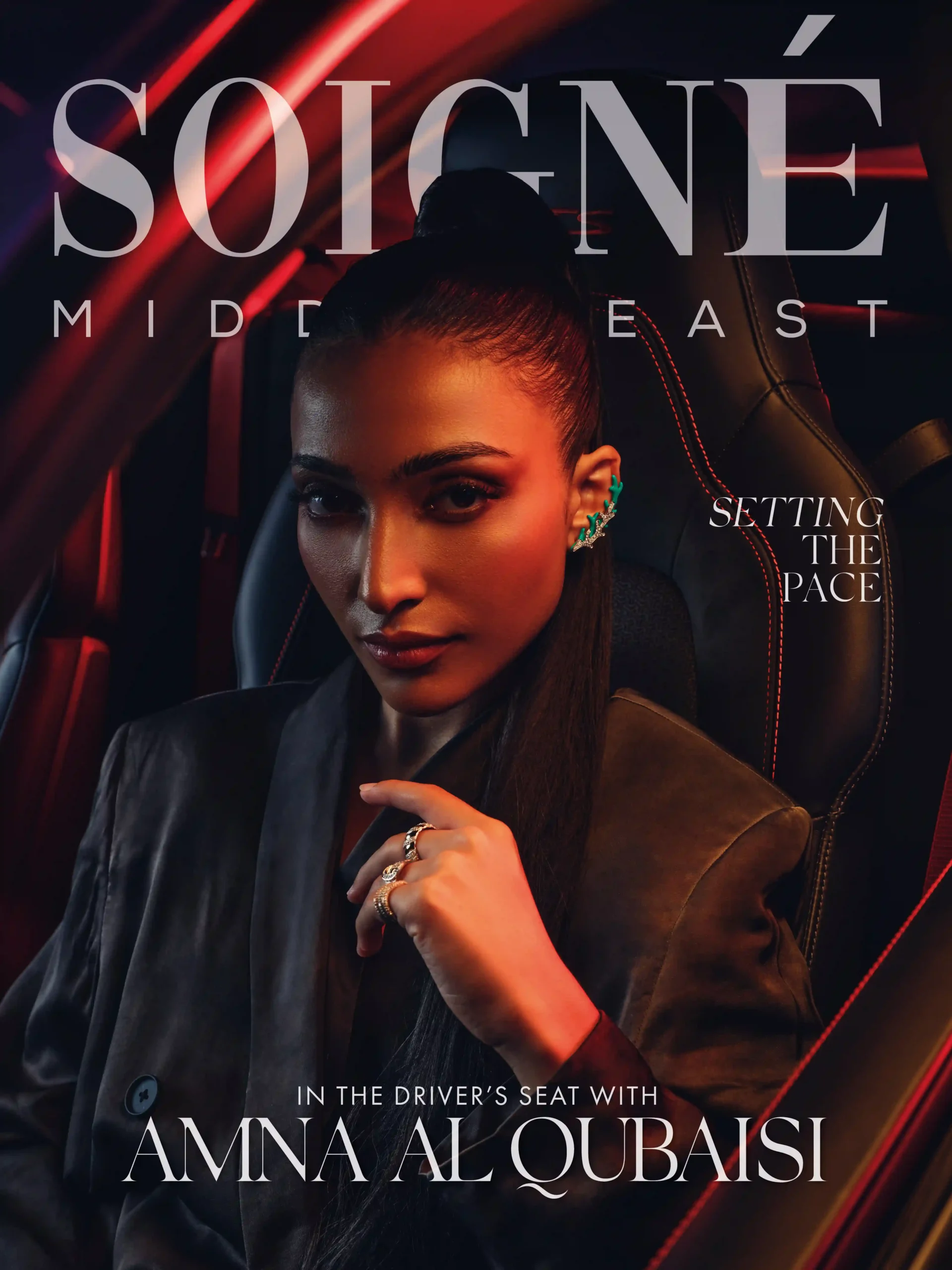
Her career was made in the places the cameras rarely follow. Long training days, relentless travel, missed birthdays, simulator sessions, pressure, repetition and the audacious decision to keep returning to the car. “Motorsport isn’t something you casually do, it demands everything from you,” she says. “It cost me time, comfort and a lot of normal experiences, but it also gave me a purpose. Looking back, I’d make the same choice every time.”
In a sport built around control, risk and precision, the 26-year-old racing driver has learned to move with force without letting the noise define her. Her power lies in knowing who she is before the world decides what to make of her. “My values travel with me wherever I race,” she says.
In the biographies of women who alter the public imagination and change the scale of possibility, achievement becomes the beginning of a larger record. Their work leaves an afterlife. It gives language to girls watching from the margins and evidence to those told ambition had a geography, a surname, a gender or a limit.
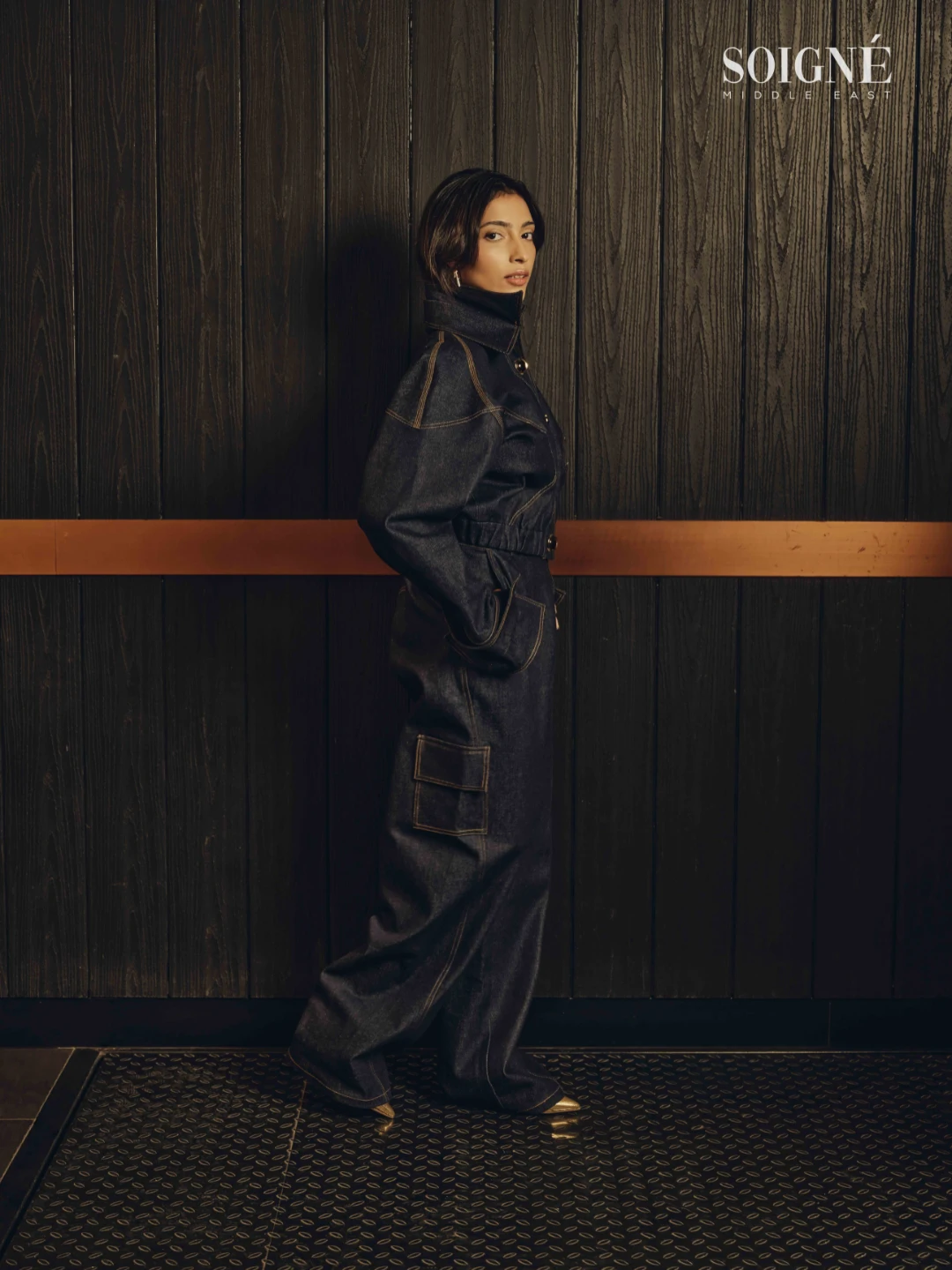
Amna speaks from that lineage. “I want my name to represent possibility,” she says. “I want people to look at my story and see that where you come from doesn’t have to determine how far you can go.”
Her idea of influence is generous by design. “I want to be remembered for opening doors, not just walking through them.”
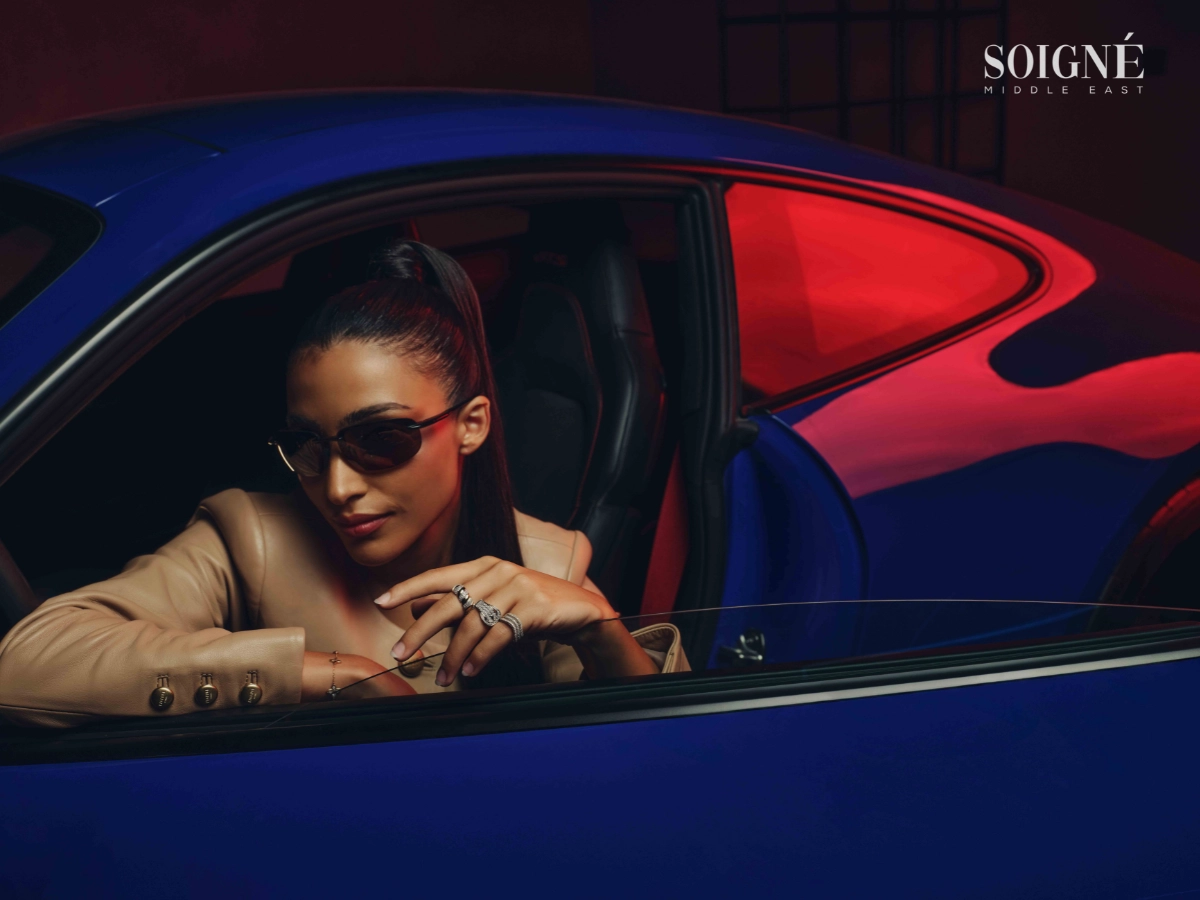
In an exclusive interview, the Soigné Middle East Issue 003 cover star speaks about racing ahead of expectation, protecting her values and using the force of being first to make the path wider for those who follow.
When you look back, what was the first moment you felt “this isn’t a hobby, this is my life” and what did it cost you to commit to it fully?
I think it became real when I realised I had to sacrifice things as a teenager. While my friends were enjoying weekends, birthdays and a normal social life, I was travelling, training and spending every spare moment trying to get better. Motorsport isn’t something you casually do, it demands everything from you. It cost me time, comfort and a lot of normal experiences, but it also gave me a purpose. Looking back, I’d make the same choice every time.
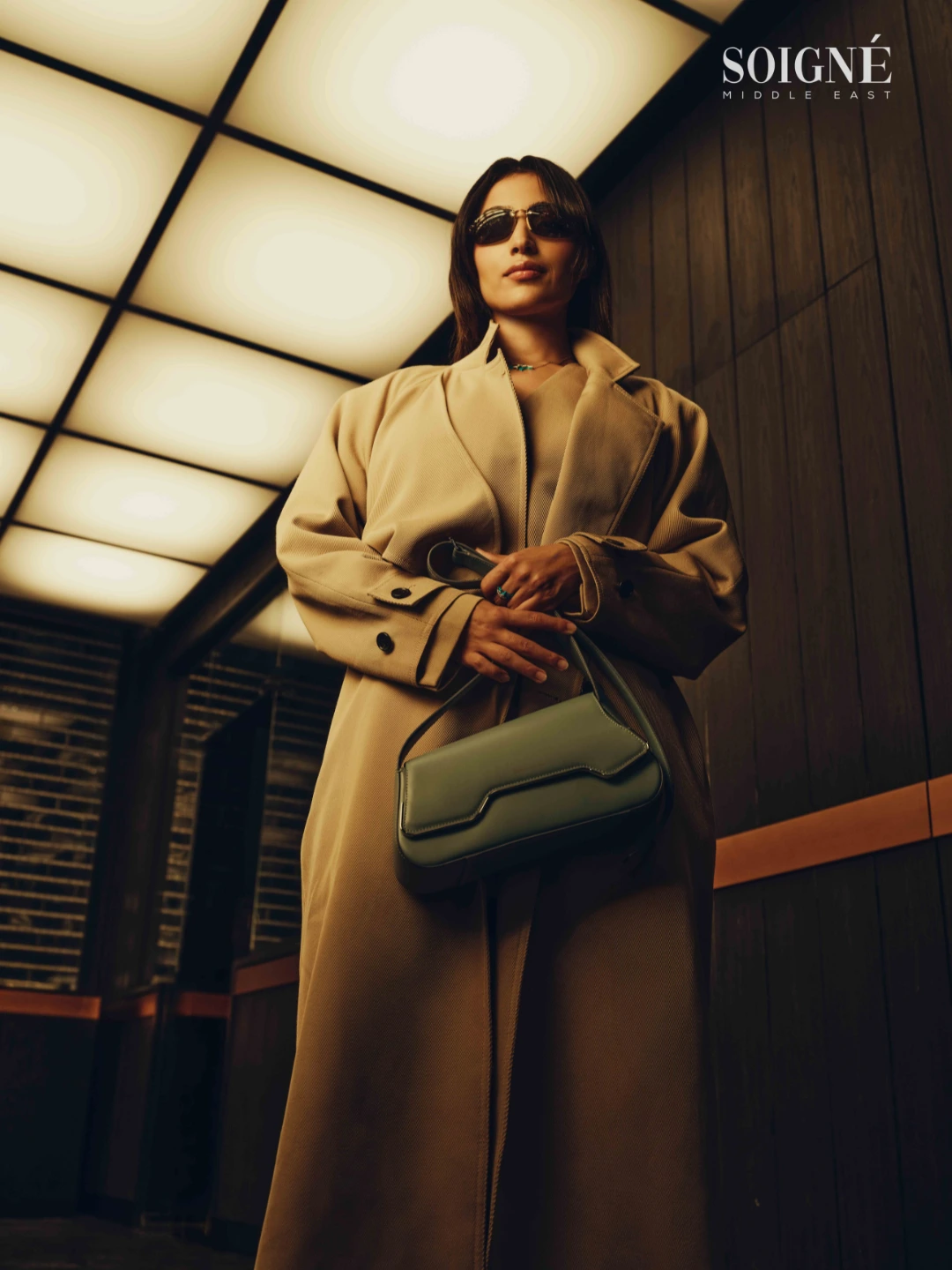
Being the first Emirati female racing driver placed you in the spotlight before there was a blueprint. What has that responsibility demanded of you, and which expectations have you chosen to carry?
Being the first means you’re constantly being watched. People aren’t just evaluating your results, they’re evaluating what you represent. I’ve always felt a responsibility to represent my country well and open doors for others. The expectation that matters most to me isn’t only winning races but proving that young Emirati women belong in any space they choose to pursue.
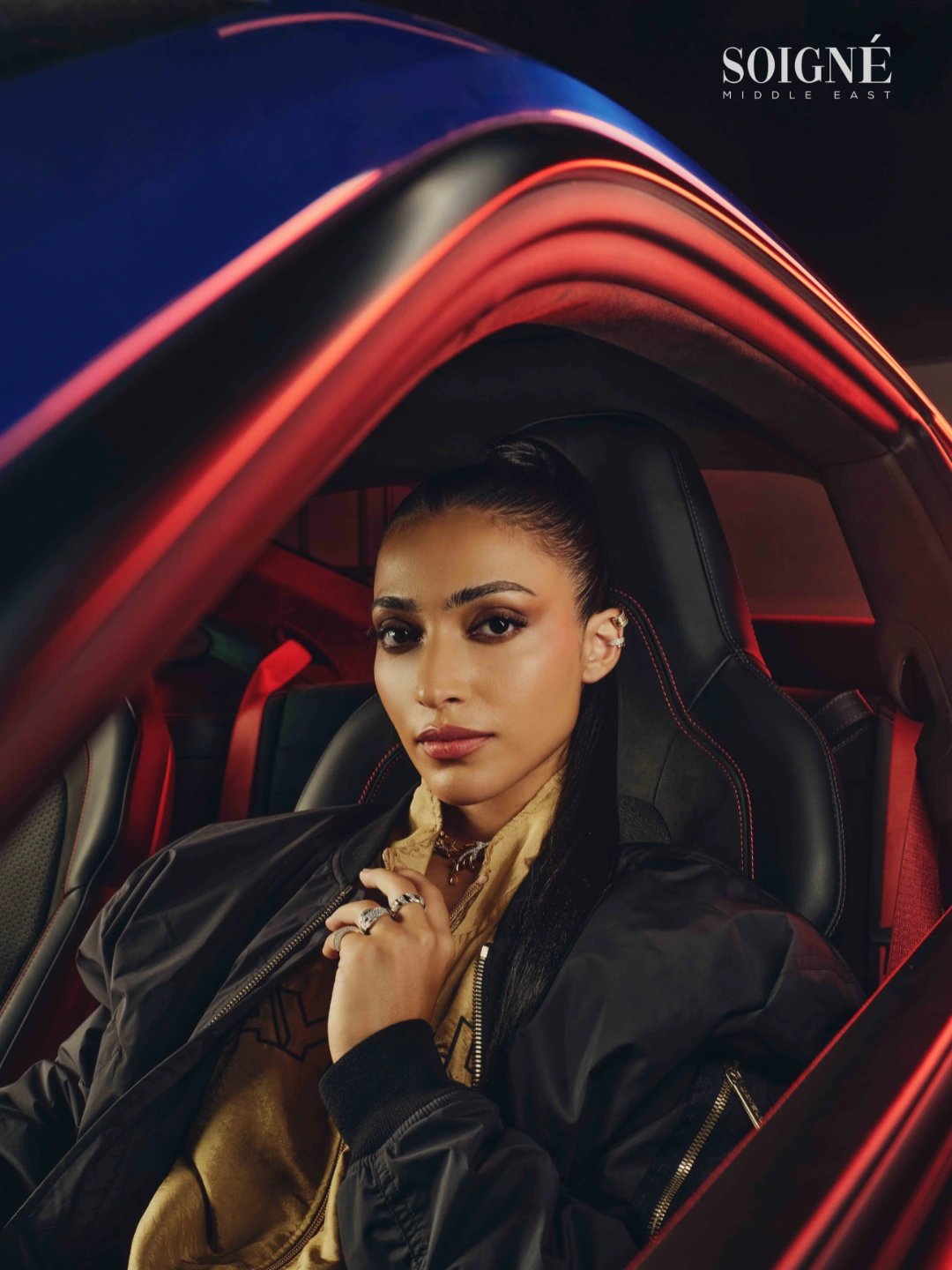
What’s the most persistent stereotype you still run into, and how do you handle it?
That opportunities were simply handed to me, or that Emirati women live without challenges. The reality is that every driver must prove themselves once the visor comes down. I’ve learned not to spend energy arguing with assumptions. I focus on my work because results tend to speak louder than opinions.
For this issue, we’re spotlighting Women Setting the Pace. What does that phrase mean to you personally?
To me, Women Setting the Pace means progress. It means women refusing to wait for permission to pursue their ambitions. It’s not just about moving forward personally, it’s about creating momentum so the women coming after you can start from a better position than you did.
Motorsport requires a very defined look, with a lot of eyes on you, on and off the track. As a modest Emirati woman, how do you decide what feels right for you day to day in that environment, and how has that shaped the way you carry yourself as a racer?
I’ve always believed that you can be competitive, ambitious and successful without compromising who you are. My values travel with me wherever I race. Modesty isn’t something I feel restricted by, it’s part of who I am. I’ve learned that authenticity is powerful. When you’re comfortable with yourself, you don’t feel pressure to fit into someone else’s idea of who you should be.
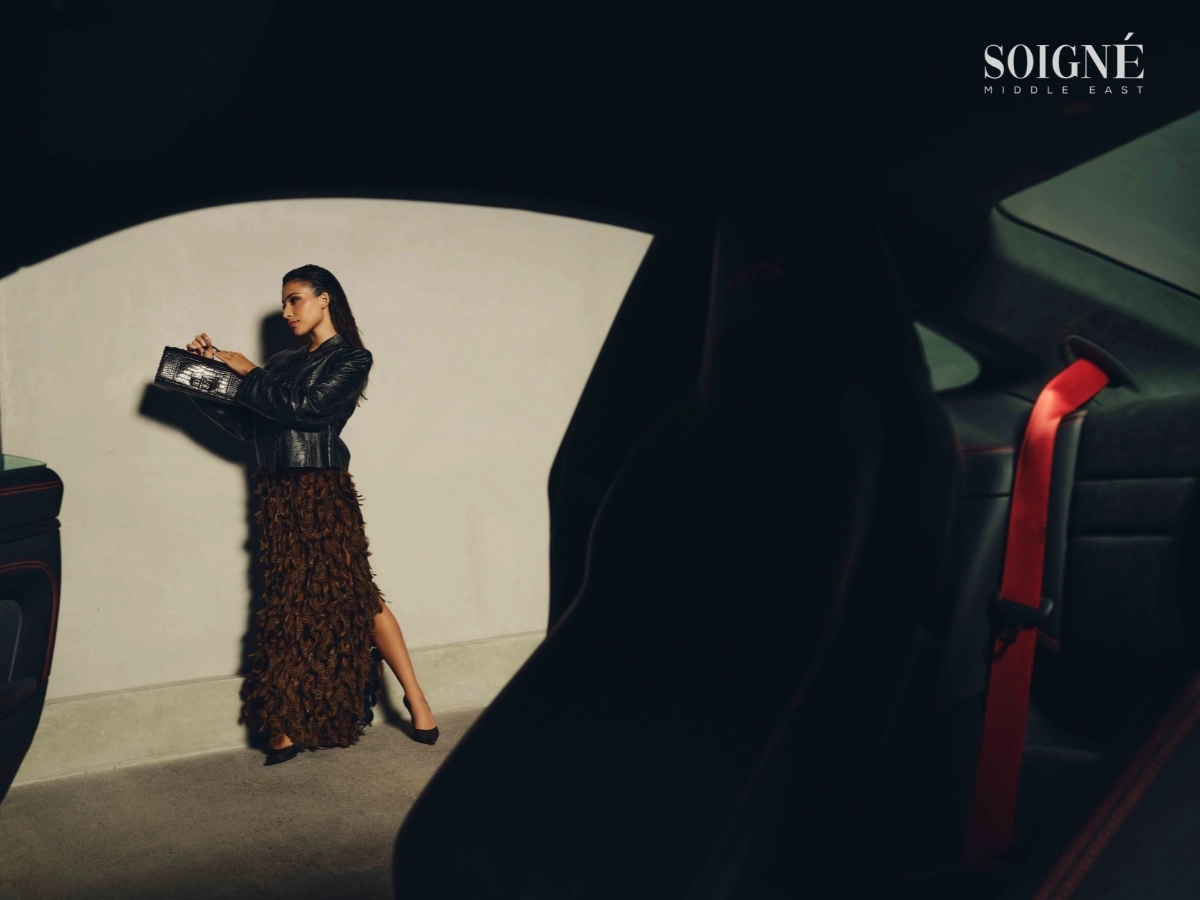
You spend your life controlling speed, risk and precision. Where else in life have you had to learn to “take the wheel” and stop letting other people’s expectations steer?
In learning to trust my own decisions. There will always be opinions about how you should live, race or build your career. As I’ve gotten older, I’ve become more comfortable making decisions that align with my own values rather than trying to meet everyone’s expectations. At some point you must take ownership of your own path.
From karting and international single-seaters to F1 Academy, what has genuinely changed for women in the sport in the last few years, and what still feels like the same old fight?
Visibility has changed dramatically. When I started, there were very few examples of women competing at a high level. Today, young girls can see women racing professionally, working as engineers, team principals and leaders throughout the sport. What hasn’t changed enough is access. Talent is everywhere, but opportunities, funding and pathways are still a struggle. There is progress but there’s still work to do.
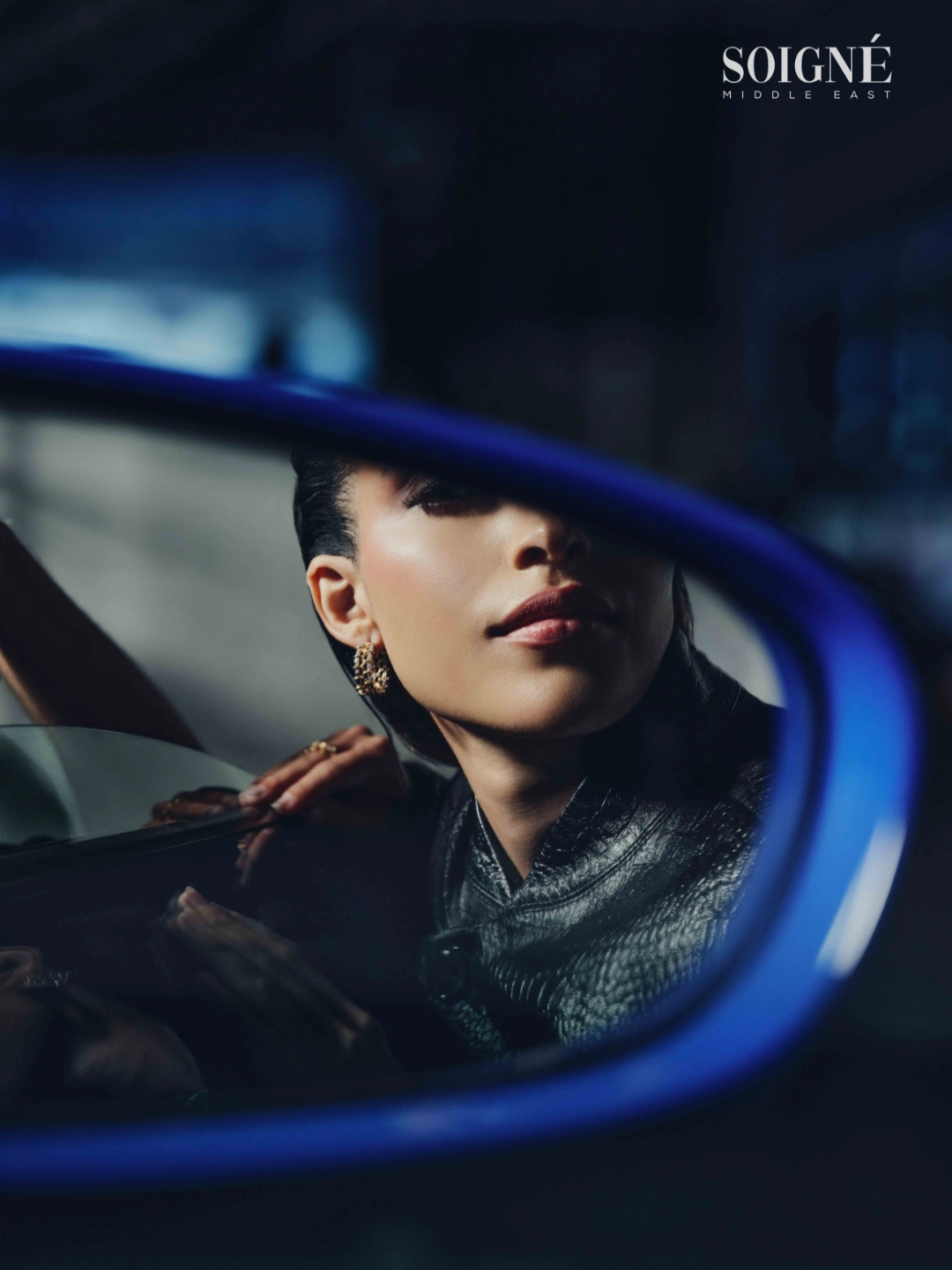
For women in motorsport, and sport more broadly, excellence is often filtered through appearance before achievement. We’ve seen it with the likes of Susie Wolff, Danica Patrick, Serena Williams and Sania Mirza, where talent can still be framed through how a woman looks. In motorsport, what needs to change in the way female drivers are spoken about, and what would real support look like beyond applause and visibility?
I think women should be allowed to be multidimensional. A woman shouldn’t have to choose between being taken seriously and embracing her personality or femininity. Sometimes people judge how a woman looks before they know what she’s achieved, and that’s something many women across different sports have experienced.
What helps women progress isn’t more headlines about appearances, but access to funding, opportunities, mentorship and long-term support. That’s what creates lasting change.
Racing can be brutal on confidence. What keeps you focused when results, commentary and expectation get loud?
Perspective. Motorsport teaches you very quickly that you can’t control everything. You can control your preparation, your attitude and the effort you put in.
I’ve also learned that criticism often gets louder when you’re visible. If I listened to every opinion, I’d lose sight of my own goals. I try to focus on the people who genuinely know me and the work I’m doing behind the scenes.
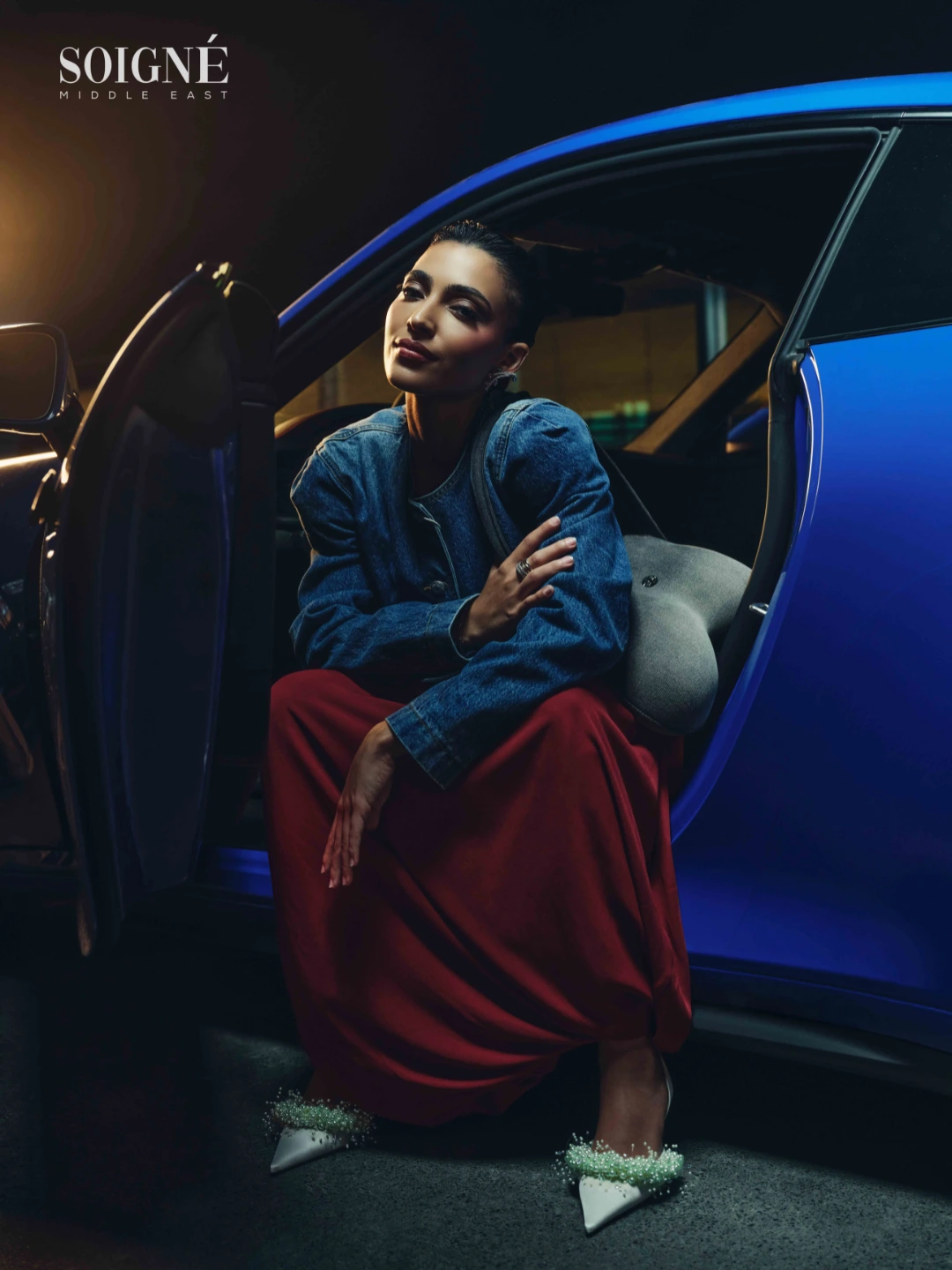
What are you chasing right now?
Right now, I’m chasing growth. Of course, I want strong results, but I’m also focused on becoming a more complete driver. Progress isn’t always visible on a results sheet. Sometimes it’s adapting to a new car, learning a new circuit or finding a few tenths of a second that nobody else notices.
Success for me is knowing I’m better than I was yesterday.
What does the end game look like?
If I’m being completely honest, I don’t like putting limits on dreams.
Of course, I’d love to continue competing at the highest levels possible, but beyond results I want my name to represent possibility. I want people to look at my story and see that where you come from doesn’t have to determine how far you can go.
I want to be remembered for opening doors, not just walking through them.
What’s the most honest thing you’d tell the next girl watching you?
That it’s harder than social media makes it look.
There will be setbacks, self-doubt, criticism and moments where you question yourself. But if you genuinely love what you’re doing, then it’s worth it.
The goal isn’t to be fearless. The goal is to keep going even when you’re scared.
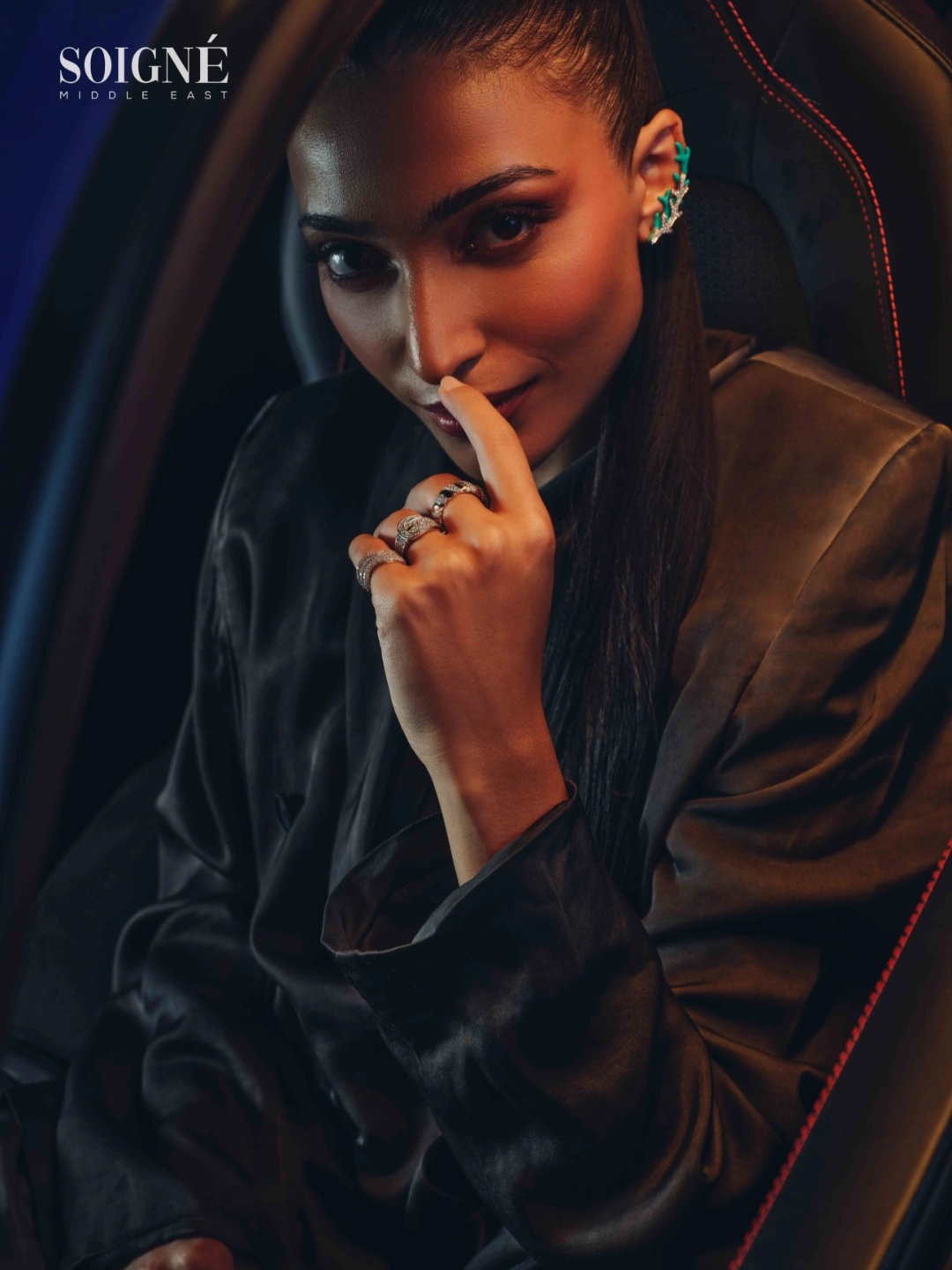
When you’re in race-week mode, what’s your one non-negotiable?
Sleep. If I’m not well rested, everything else suffers. No matter how busy race week gets, I try to protect my recovery.
Most unhinged but real pre-race ritual or superstition?
I’m not overly superstitious, but if I have a strong weekend with a certain routine, suddenly that routine becomes very important. Same breakfast, same music, same order of doing things.
Has it ever actually saved you?
Probably not. But don’t tell my race day brain that.
Go-to hype song?
Depends on the mood, but usually something that makes me feel adrenaline and overly hyped. So a lot of phonk music.
Post-race comfort meal?
Sushi and lots of sweets. Especially after a difficult race weekend.
First thing you do when you’re out of the suit?
Call or text my family. No matter where I am in the world, they’re usually the first people I want to speak to.
This article appears in Soigné Middle East Issue 003, Setting The Pace.