
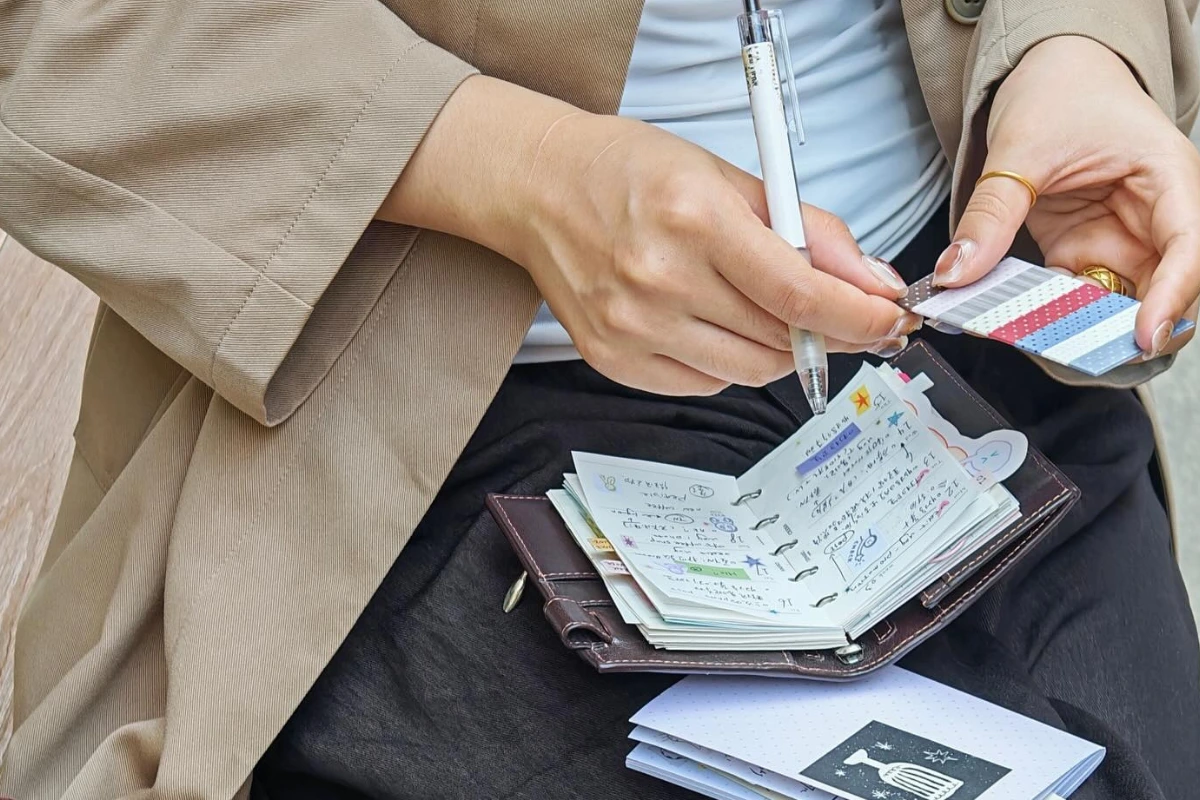
A few months ago, a friend introduced me to the idea of carrying a pocket notebook everywhere. At first, it felt almost too basic. In a world where every thought goes straight into our phones, grocery lists live next to journal entries, reminders sit beside screenshots we’ll never look at again, and ideas now live behind a screen, could a tiny notebook really replace anything?
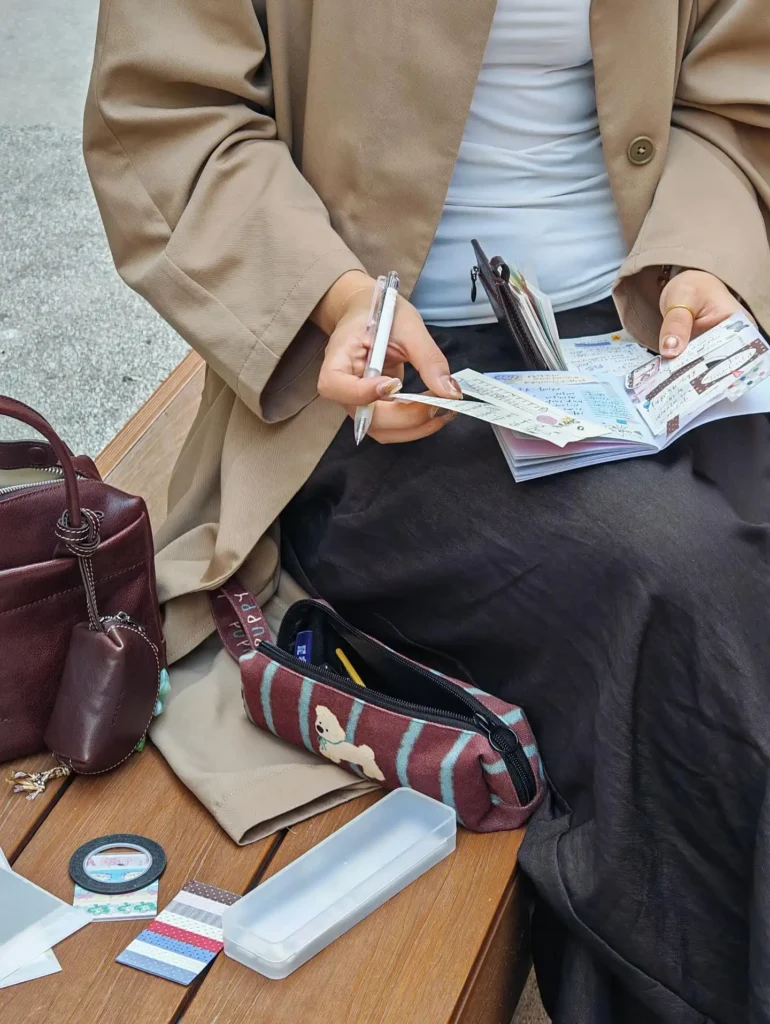
Maybe that’s why the pocket notebook suddenly feels so relevant. Small enough to slip into a jacket pocket or handbag, the humble notebook has become a favourite among writers, creatives and even fashion insiders looking for a more mindful way to move through the day. Instead of instinctively reaching for our phones whenever we have a spare minute, we’re reaching for pen and paper instead.
It doesn’t hurt that they look good, too. From worn-in Moleskines to leather journals filled with scribbled thoughts, it feels personal in a way our phones never will.
Why We’re Carrying Pocket Notebooks Again
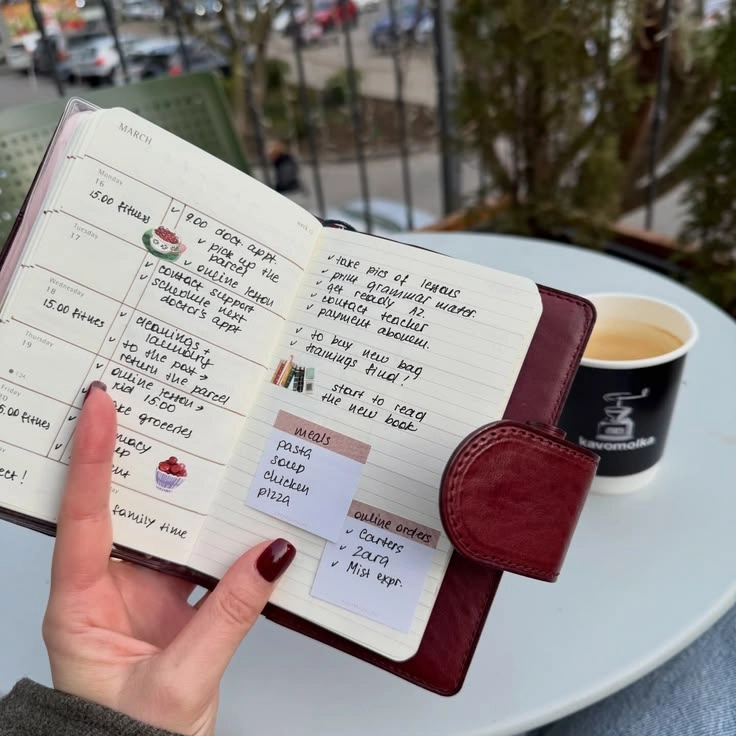
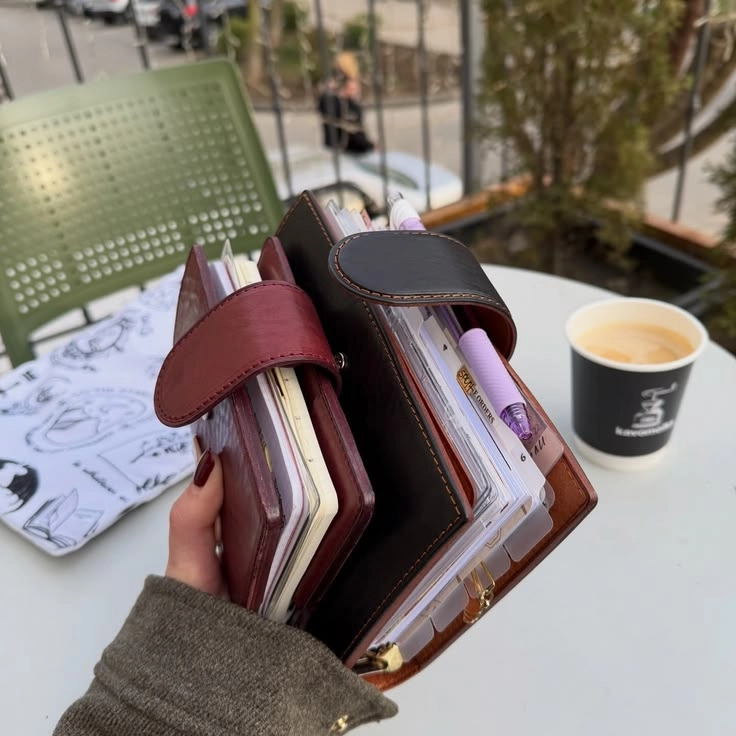
Unlike our phones, a notebook asks nothing from us. It doesn’t buzz, interrupt or tempt us into checking just one more thing before twenty minutes disappear. Instead, it becomes a place to think, create and pay attention. A home for the ideas, observations and little details we usually let pass by. For many, it’s also become an antidote to digital fatigue. Instead of filling silence with content, we’re returning to the simple pleasure of writing things down.
What Goes Inside?
A pocket notebook doesn’t have a purpose until you give it one. It becomes home to whatever we need that day. We can use it as a mini commonplace book, collecting excerpts from books, articles, films or conversations. We can write quick reviews of restaurants we’ve visited, films we’ve watched or experiences we want to remember.
Others use theirs as a place to untangle thoughts, track distractions or leave reminders for another version of themselves. A profound conversation overheard on the metro or little sketches made while waiting for coffee.
There is also something psychological about writing things down by hand. Without the distractions of multiple apps and notifications, our thoughts have more room to develop. A blank page gives our thoughts somewhere to wander, leaving room for reflection and wonder.
Maybe that’s why so many artists, writers and thinkers have kept notebooks throughout history. Figures like Virginia Woolf, Charles Darwin and Pablo Picasso famously used notebooks to collect ideas, record observations and develop their work. They were never just places to store information, often they were spaces to think.
The Art of Being Present Again
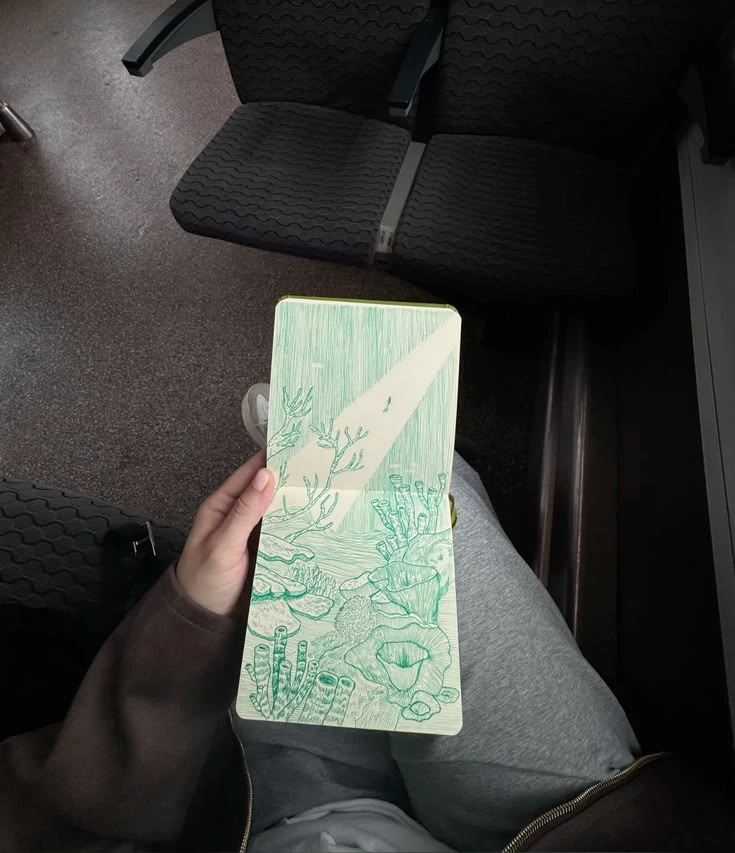
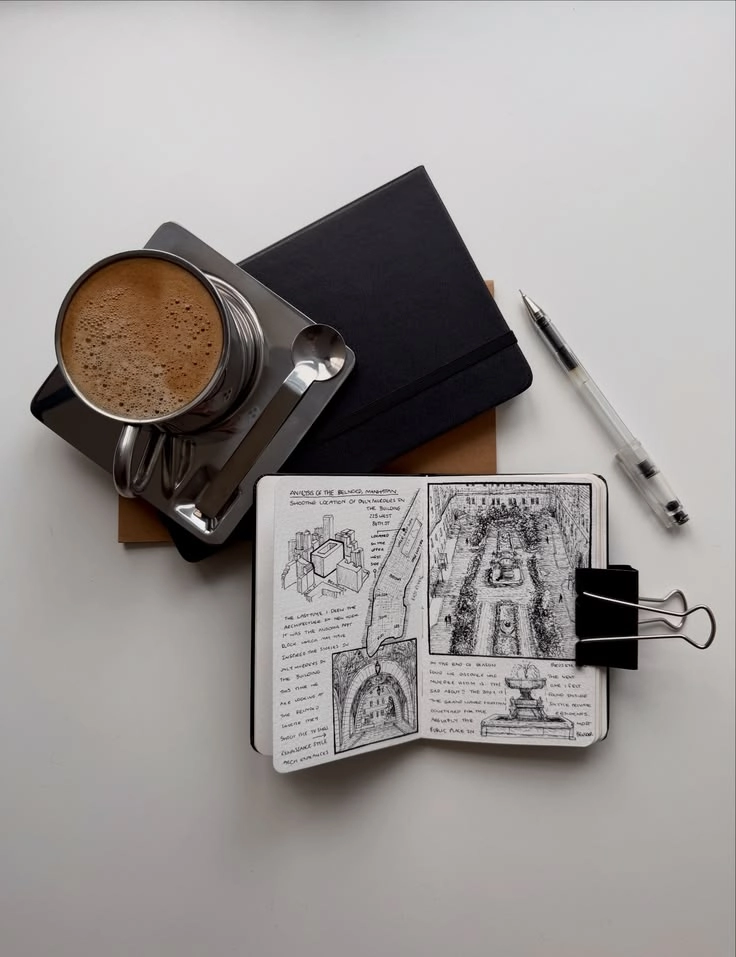
One of the things we love most about this idea is that it brings back a sense of presence. A notebook at dinner can become the beginning of a conversation. A doodle on a train journey can become a memory. A random thought written down today might become an idea worth exploring years later. Its size is part of its charm too. A pocket notebook can go anywhere, slips easily into a bag and is always ready whenever a thought comes to mind. Today, the pocket notebook has found a new purpose; becoming a small, analogue alternative to our constant digital consumption.
Why Paper Still Matters
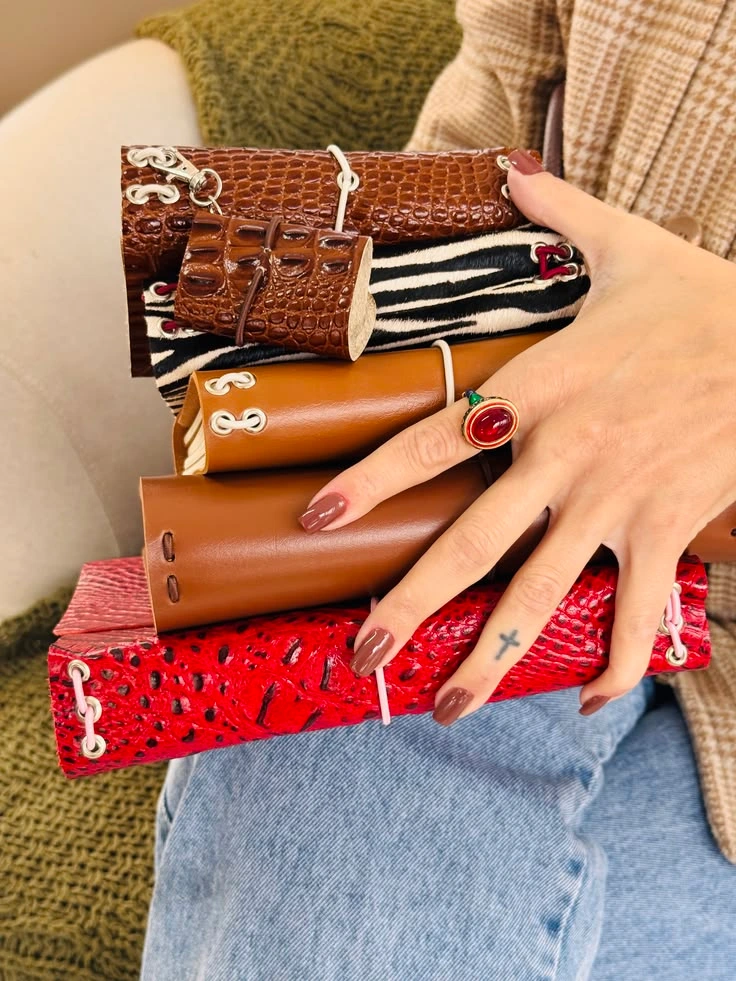
The return of the pocket notebook is not necessarily about rejecting technology. It is about creating a balance. While our phones are designed for speed, connection and information, notebooks encourage slower forms of thinking. That is why this tiny object feels so inviting right now. A pocket notebook is not just stationery; it is also a place to collect ideas, preserve moments and reconnect with our own thoughts.