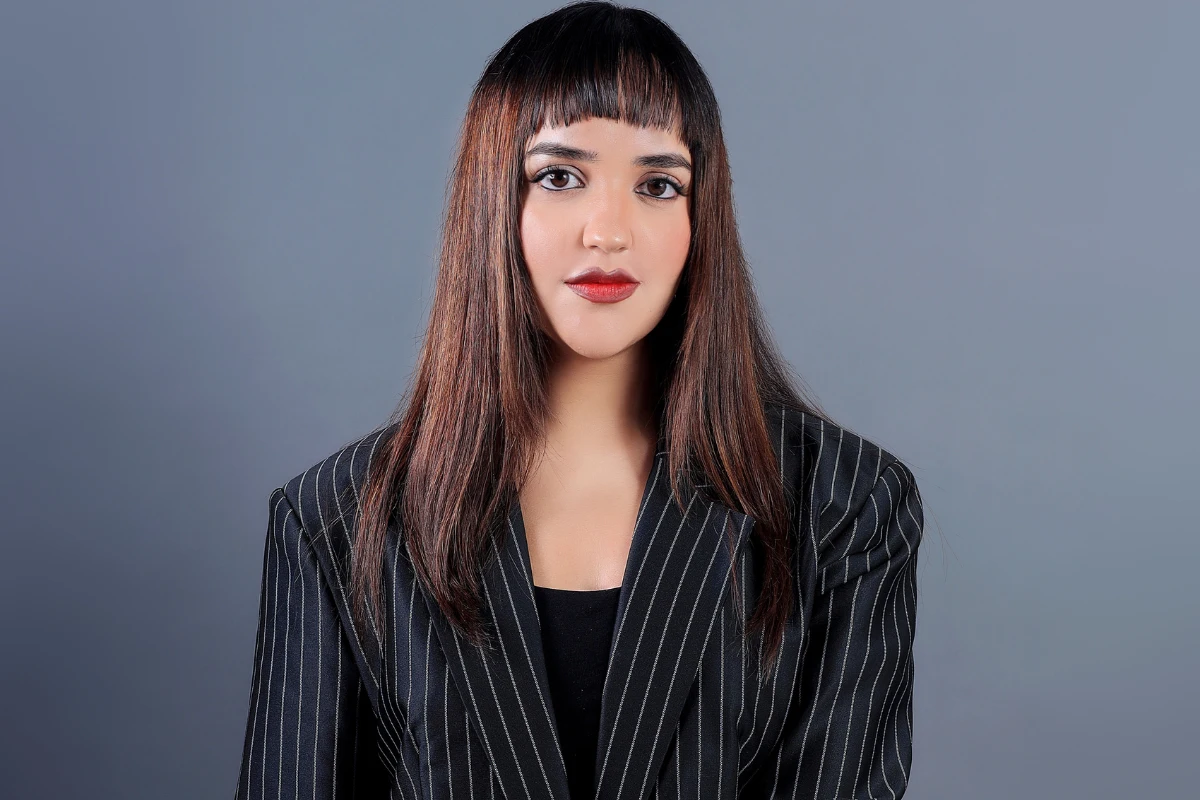
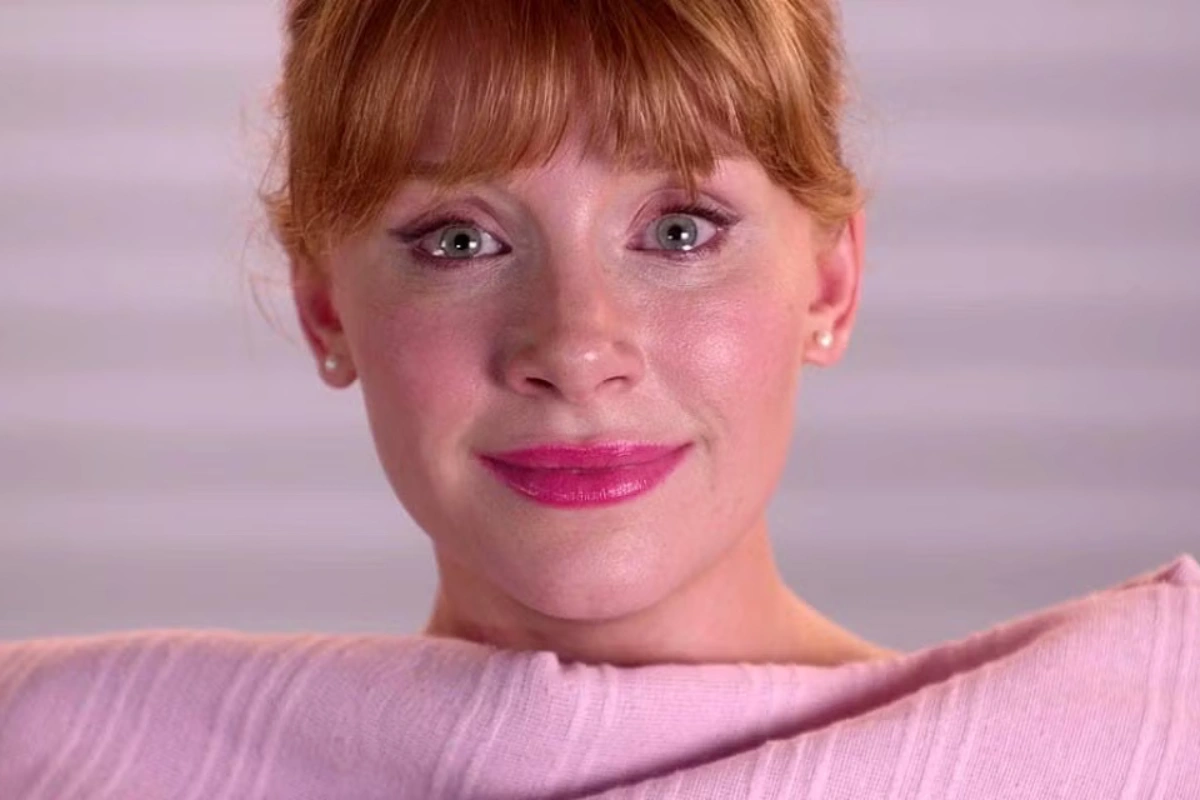
When Netflix’s The Circle first aired, its premise seemed absurd enough to make good television — people shut in separate apartments, communicating entirely through screens, carefully managing how they appeared to everyone else and competing to remain visible.
A few years later, what once read as satire now feels closer to social documentation.
Instagram has developed the inverse problem. We may be physically alone, but digitally, the room has become uncomfortably full.
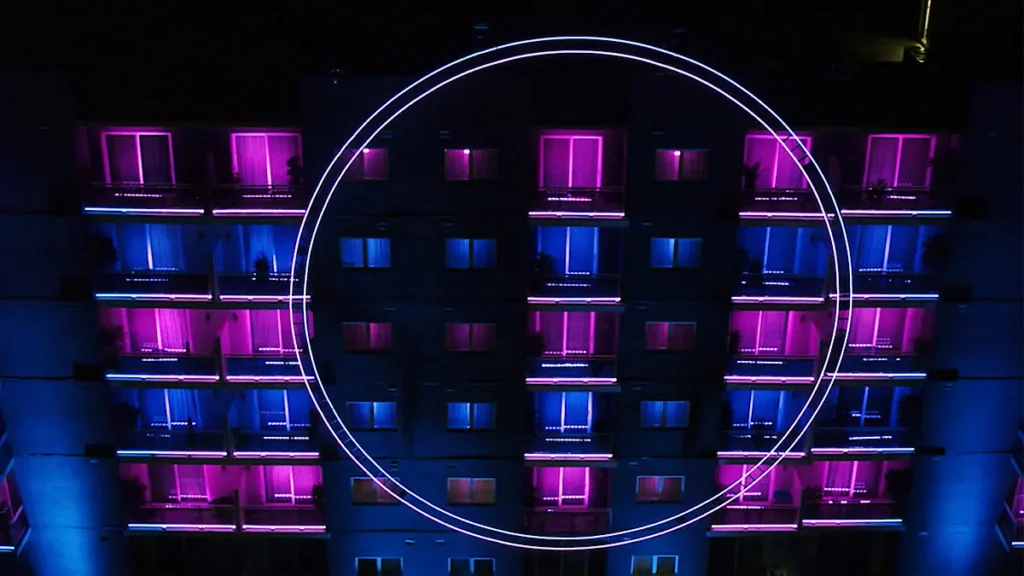
Open the feed and almost everyone is performing a version of their life for public consumption. Work becomes a founder diary. Parenthood becomes documentation. Health becomes explainer content. A coffee becomes evidence of taste, routine or sponsorship. Everyone has a microphone, an opinion and advice to give, expertise notwithstanding. Ordinary life feels oddly industrious.
I’ve started thinking of the resulting discomfort as digital claustrophobia. The sense that social media has become so crowded with people broadcasting, selling, teaching, influencing and generally having a platform that participating yourself begins to feel faintly embarrassing.
A meta-analysis of 64 studies involving more than 28,000 participants found information overload, social overload, platform-feature overload and anxiety among the strongest drivers of social media fatigue. More revealingly, a 2024 study comparing Instagram with Threads found that users of image-led platforms experienced social overload more strongly than information overload. In other words, it is not merely that there is too much to see. There are too many people to socially process.
As a fashion and lifestyle journalist, I see the same dynamic play out offline at industry events, often among the same people I see every day on social media. What interests me is how little that sense of overload fades once everyone is finally in the same room.
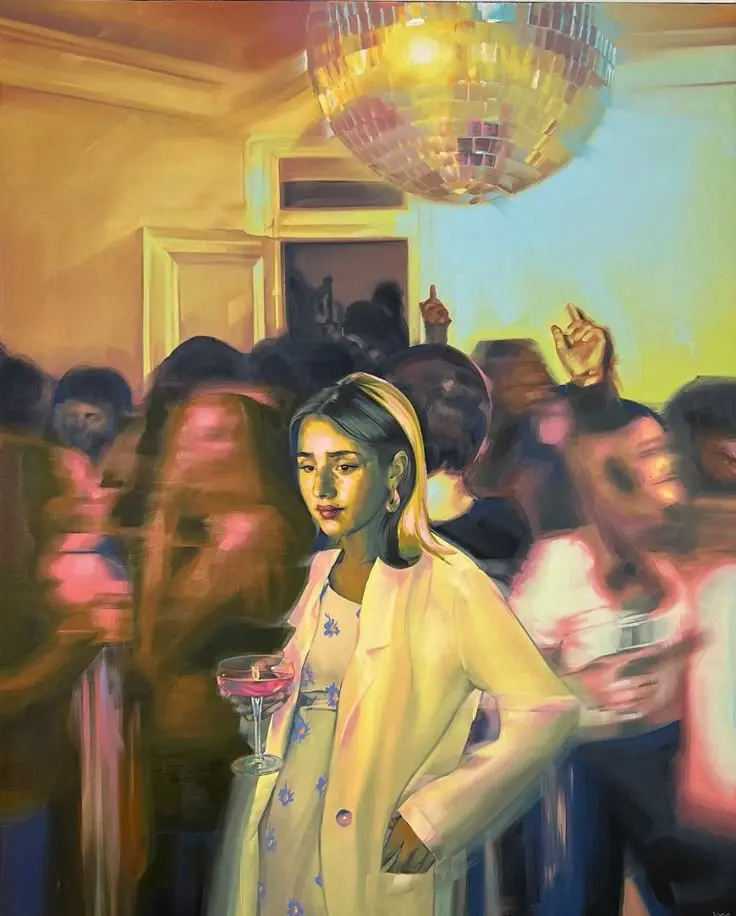
People arrive, say hello, take the photos, film the product, capture the outfit, do the rounds and then start thinking about when they can leave. Everyone is present, but often only just.
That is anecdotal, of course, but it makes me wonder whether digital fatigue carries over into real life. If you have already spent all day processing hundreds of faces, updates, opinions and small performances online, real-life interactions can naturally feel like a chore.
We are not only tired of looking at people through screens. We may also be arriving in social spaces already tired of processing one another.
That may be why the old Instagram — breakfasts, blurry dinners, family photographs, airport selfies — now feels almost archival.
The urge to share our lives has migrated to smaller, safer rooms. In 2025, Instagram chief Adam Mosseri shared that, excluding creators, users share more photos and videos through DMs than Stories, and far more through Stories than the feed.
The public grid, by contrast, has become part storefront, part broadcast channel, part personal résumé. So the family photo goes to WhatsApp, the holiday outtake to Close Friends, the unfiltered thought to the group chat.
And if you’ve been wondering why posting publicly suddenly gives you the ick, you’re not imagining it. That hesitation is digital claustrophobia at work.