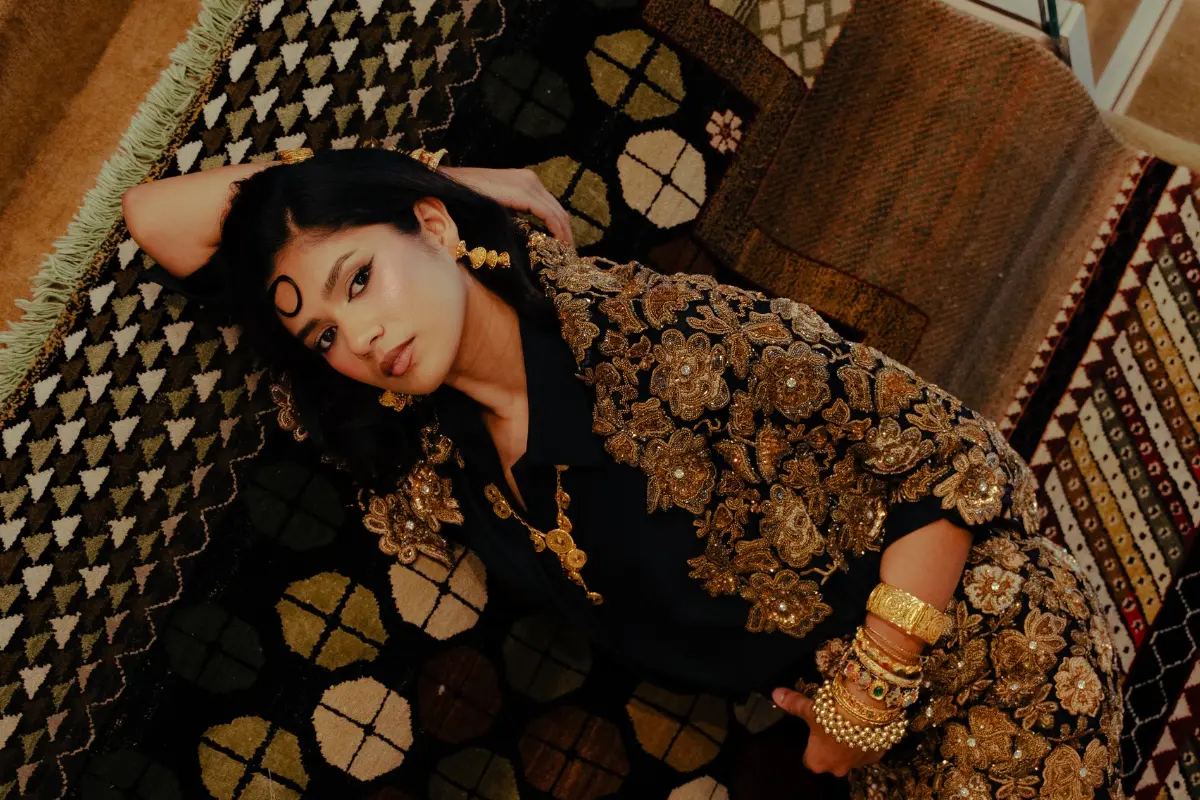
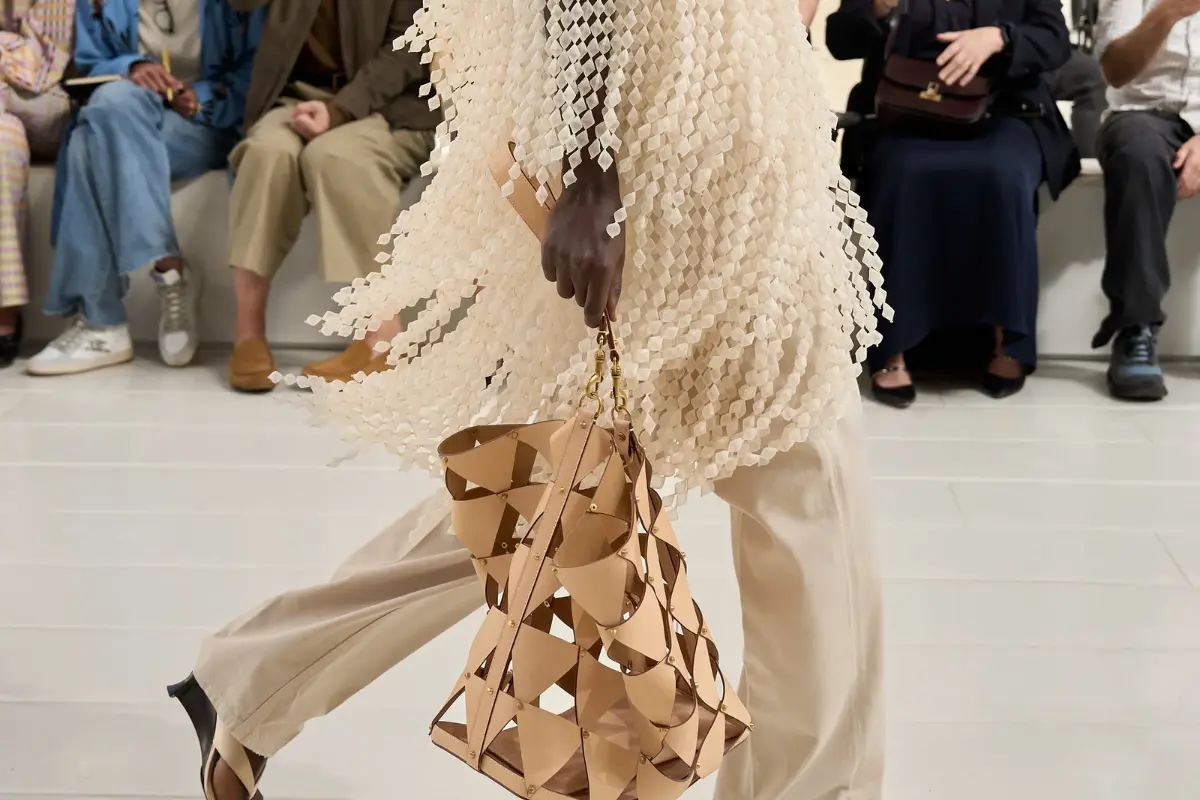
Texture has always been a steady part of fashion, but after taking a look at fashion month, it seems like texture has become the spotlight for most houses. Pleats, ruffles, flou techniques, heavy embellishment, embossing, crochet and knitwear, and appliqués were loudly making themselves known that just by looking, we can assume how they would feel to touch.

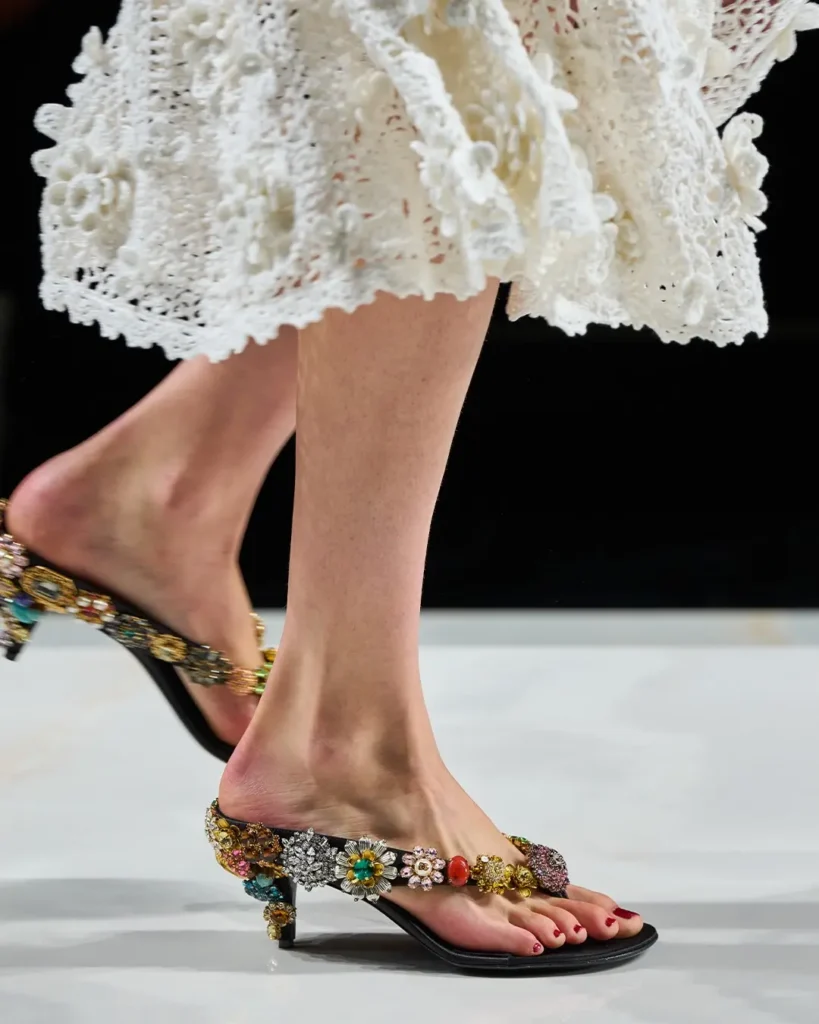
It manifested in a myriad of collections. At SIMKHAI, leather was cut up into individual feathers and fringe. At Saint Laurent, one metallic colour came rumpled, cracked, crinkled, and pleated. Dolce & Gabbana explored glamour with lacework, bedazzled jackets, crochet flowers, and traditional Italian needlework. At Prada’s study of the skirt, some pieces were created with Velcro panels that were used as the base for crystal embroidery. Whereas at Dior, Anderson presented his concept of lightness with a series of cascading earrings threaded by individual silk petals.
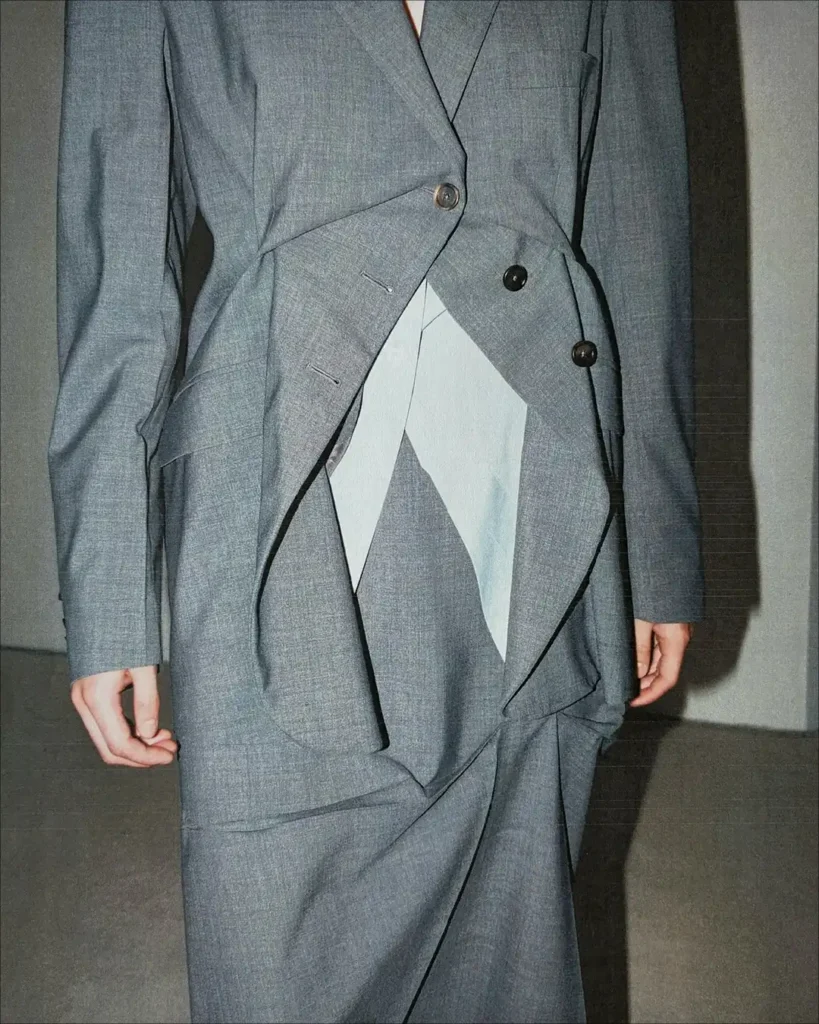
Even Jil Sander, known for its purist house codes, subverted with intentional imperfection. Blazers were oddly folded, buttons were shifted to the side, and suit jackets were deliberately puckered at the waist.
Bags which generally come in a smooth leathery finish, decided to come with animal prints, rock studs, croc-embossing, and embroidery. Those that kept the textures folded them into origami shapes, spotlighting structure.
It isn’t that glossy sheens are out of fashion’s vocabulary but it looks like fashion houses rather do anything but that. And it’s especially noteworthy that during a time of digital hyper-optimisation and AI rendering, there is a visceral notice towards human hands and its ingenuity.
And it went beyond the clothes. At Bottega Veneta, artist Goldman Gubin hugged cardboard boxes with different intensities, then coated them in resin for the guests to sit on. At Chanel, artist Joël Blanc sat in the audience live painting the show with watercolours. Whereas poetry, documentaries, and live music informed plenty of collections and runway presentations. Everywhere you looked, there was a reminder of the souls behind the work, that fashion works beyond just an “aesthetic”. It keeps cultural traditions alive, inspires, and materialises creation which is the result of thoughtful work.
While obvious now, it isn’t a first for fashion. Ever since AI has gone mainstream, heritage houses have been spotlighting obvious human work. Hermès recently went viral for it, tying the brand’s website redesign to an animated rollout. Created by Paris-based artist Linda Merad, it featured 12 hand-drawn illustrations where you can see each brushstroke.
Heritage houses themselves are patrons to multiple ateliers, keeping time-consuming, yet time-honoured, work alive.
This isn’t to say that technology has no room in fashion. At the same Chanel show, we saw 3D-printed flap bags make appearances, making for a Chanel bag that can handle seawater, sweat, and rain with ease. Whereas brands like Stella McCartney use bio-engineered fabrics, such as lab-grown wool, as an alternative to animal products.
The disconnect happens when actual art is contrasted with generative imagery created by regurgitating what has already existed becomes mainstream. Imputed code can claim to create. Fashion shows us that it cannot.