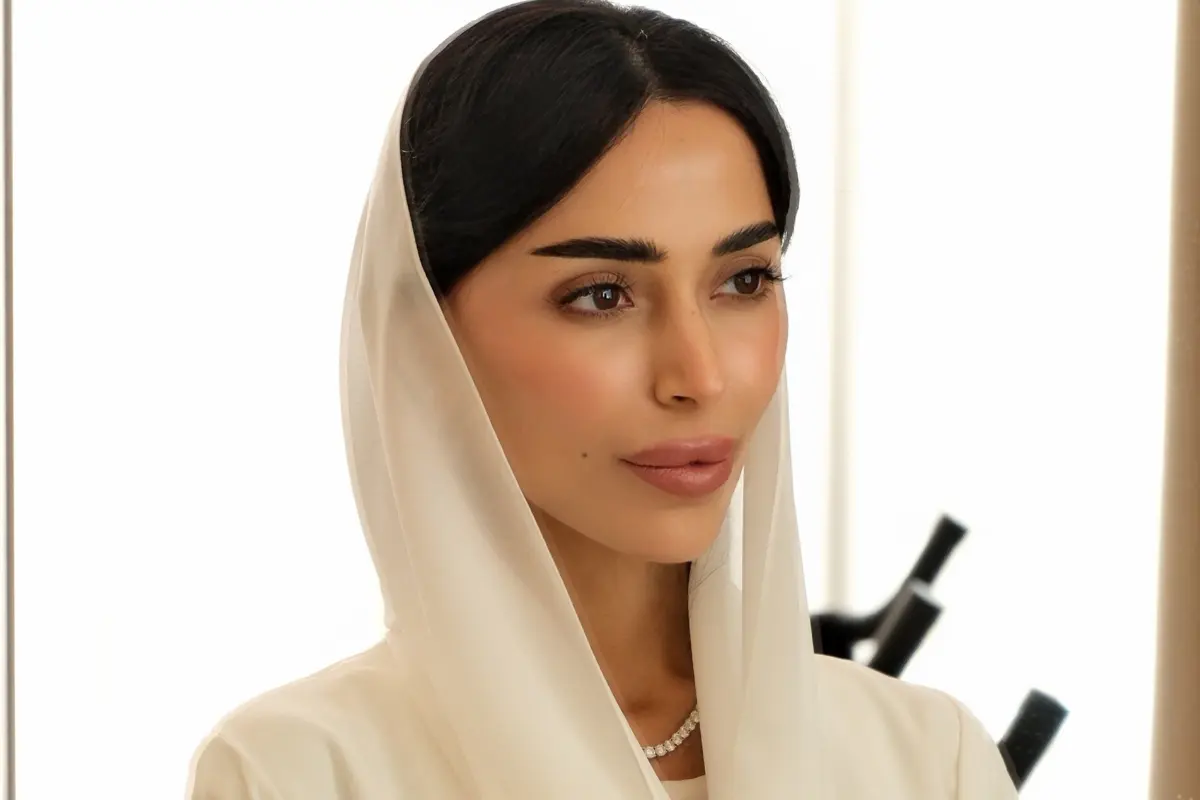

Ask any fashion obsessive why they love fashion, and 9 times out of 10, you will hear the reason “because it allows me to express myself”. Self-expression through the medium of fashion has long been a way to mirror ideas, creativity, and the many nuances that a person may contain. It also leads to spirited debates among the fashion community about dress codes—where the uniform dims down identity.
The clash between the two is quite natural considering they are opposite ideologies. Personal style is all about expression and individualism. Sometimes, that expression looks like rebellion, which is the complete opposite of what a dress code represents. Dress codes are about conformity, where the clothes emphasise order rather than sparking discussion.

To clarify, there are good arguments on both sides. Fashion as a field thrives on tension and has evolved to such great lengths because of those championing personal style. Coco Chanel and Vivienne Westwood wouldn’t be household names if they didn’t follow through with their personal styles. The same can be said for Giorgio Armani, who defied dress codes by reinventing the suit, changing its concept and purpose.
On the other hand, dress codes exist as a means of practicality. In professional environments, a dress code ensures professionalism, where form and function trump fashion. We see this in the offices of Thom Browne, where employees are given a strict dress code to follow. It speaks to Thom Browne’s ethos of modernising the uniform, but also speaks to the broader principles of discipline that the designer expects of his employees.

In a roundabout way, a dress code is also a form of preserving history, especially in formal gatherings like galas or military celebrations. In this way, the dress code speaks to the power that clothes hold, specifically in a uniform. Whether that looks like military uniforms during a parade or wearing white during the Women’s Suffrage movement, clothes in this instance help to amplify the power that unity in numbers holds.
So with this in mind, can we find a solution between the two? The real question we should be asking is why choose a side in the first place? By looking at the two as two different sides of fashion, we have completely removed the nuances that personal style and dress codes provide. By eliminating one or the other, we remove their broader purpose, and in turn, remove our own complexities when approaching fashion. Although it sounds anti-climactic, the real answer to the Personal Style vs Dress Code debate is within the middle ground. By finessing personal style into a given dress code, we honour both. And by finding the grey between this black and white argument, our fashion reaches a spectrum of colours that matches the nuances in ourselves.
We’ve all seen it—Pinterest inspiration has made everything start to look the same. The same furniture, the same décor, even the same little details repeat from one home to the next. And the same goes for our wardrobes. That’s why personal style matters now more than ever. It’s the space to be creative again, to bring back colour, pattern, playfulness, and individuality in a time when fashion has been stuck in minimalism and neutral uniforms. And really, uniformity should be left to the uniforms, where it serves value.