
With a fashion month continuing the energy of last season—we’re talking debuts, redefinitions, and enthusiastic sophomore collections—we’ve seen how the fashion capitals pivot forward. As the world moves on with global unrest and economic tension, designers use their runways to establish the contemporary woman navigating through it all. From collections that go deep into escapism to collections that break the barrier of an Autumn-Winter dress code, here are the highlights of the runways that caught our eye.
And P.S., if you’re wondering where’s London, you can find their highlights here.
New York Fashion Week AW26
With its strategic placement, Dubai Fashion Week kicks off fashion month, especially for the fashion-forward in the Gulf. Now in New York, American designers touch up their best work to present to the world. Working alongside a slew of challenges—tariffs, civil unrest, and an extreme snowstorm—designers channel their commentary into their clothes, alongside shaping the modern woman.
Ralph Lauren
Unofficially beginning New York Fashion Week is Ralph Lauren with a presentation a day before fashion week begins. With the likes of Anne Hathaway, Lana del Ray, Ariana DeBose and more in attendance, the show began in Jack Shainman Gallery, where scenic murals, vintage rugs, and spots of greenery provided the canvas for Lauren’s deeper exploration.
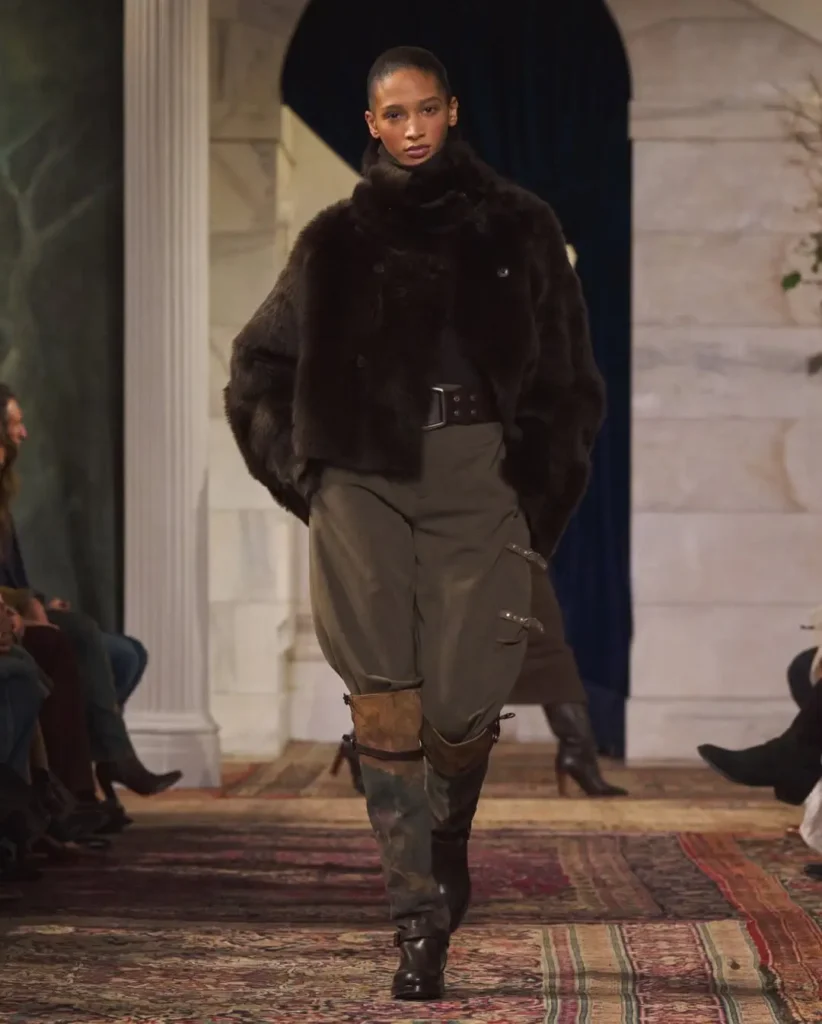
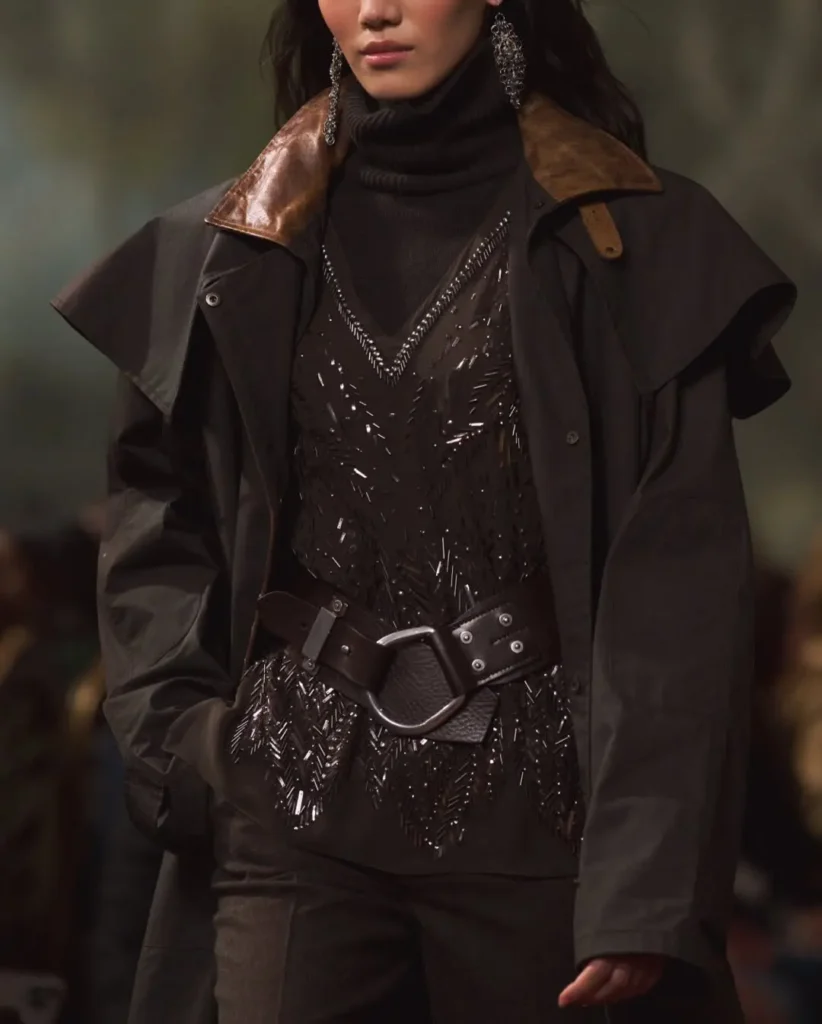
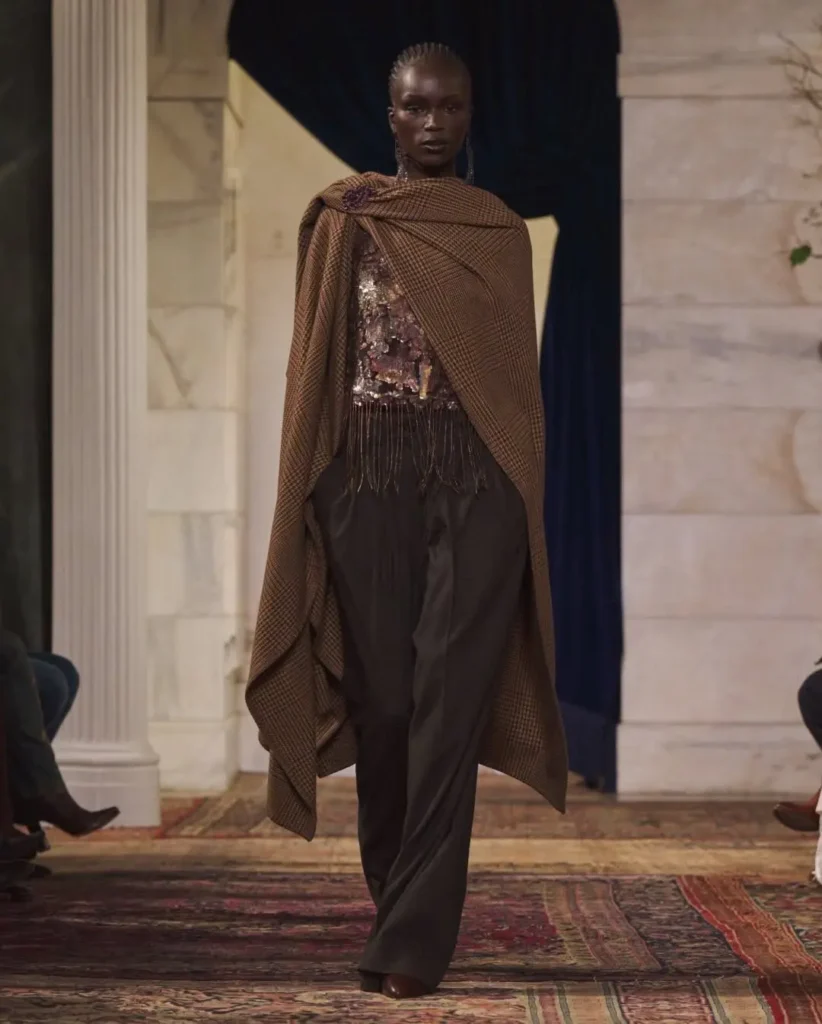
Inspired by the “adventure of fashion”, Lauren works to tell this season’s woman is a woman of “renegade spirit”, not held by time but by reinvention. This narrative manifests into layers and fabrics juxtaposing one another in a deep palette of oranges, browns, and metallics. Gigi Hadid opens the show in a smooth grey turtleneck, covered with a matching brown tweed corset and maxi skirt. It sets the tone of a rustic, yet refined collection, where tweed tailoring, plush velvets, silk scarves, feathers, and leather all come into harmony across strategic layers forming day to night looks. Standout looks come from metallic looks, transforming the edgy, masculine vibe associated with it into something feminine, graceful, and sensual. In fact, a key theme of the collection is blending gender lines, where strong shoulders sit alongside romantic sleeves; where boots made for scuffing are layered with delicate floral skirts.
Gigi Hadid appears a second time in a velvet halter gown with delicate metallic sleeves that flutter by the elbow. Tying the look together is a chunky leather belt, once again disrupting the romantic nature of the look with a rugged accessory. With plenty of silhouettes for the modest dresses to snatch, the collection served not as an amalgamation, but as a curation, dressing the rustic woman, the city woman, and the woman who travels in between.
Coach
Officially beginning the fashion week frenzy is Coach with their Fall 2026 runways. Headlined under Stuart Vevers’ inspiration of the Wizard of Oz, we watch the presentation open with looks in shades of grey and black. It immediately transitions to bright reds, whites, and blues, mimicking the change from sepia to the fantastical technicolour world of Oz.
But the classic movie was only a small piece of Vevers’ vision. The collection was a broader love letter to his daughters, the concept of hand-me-downs, and the various forms of American youth and counterculture. It was a curation of references to American fashion archetypes, similar to The Breakfast Club. We got the jock, the preppy, the grunge, and the skater all enmeshed into one. Plaid layered under leather jackets. Varsity jackets paired with Bermuda shorts. 70s prairie dresses frayed at the hems. And Dorothy’s ruby red shoes, given a 2026 iteration as sneakers, held on with a metal hook.
And of course, we cannot talk Coach and not talk about the bags. Over recent years, the bags have done some heavy lifting for Coach, single-handedly reviving their brand in today’s youth culture. Pulling from their 1970s archives, we saw two extremes on the runway: large messenger bags reminiscent of the 2010s and dainty East-West kiss lock clutches, scrunched and held like a roll of paper. Ironically, we can picture both extremes on the streets of New York, along with each distressed look presented. By tapping into the aesthetics of American fashion archetypes, Vevers managed to hold a mirror to the current generation of fashionistas. They thrift, they mix and match, and they love to reinvent from the past.
Tory Burch
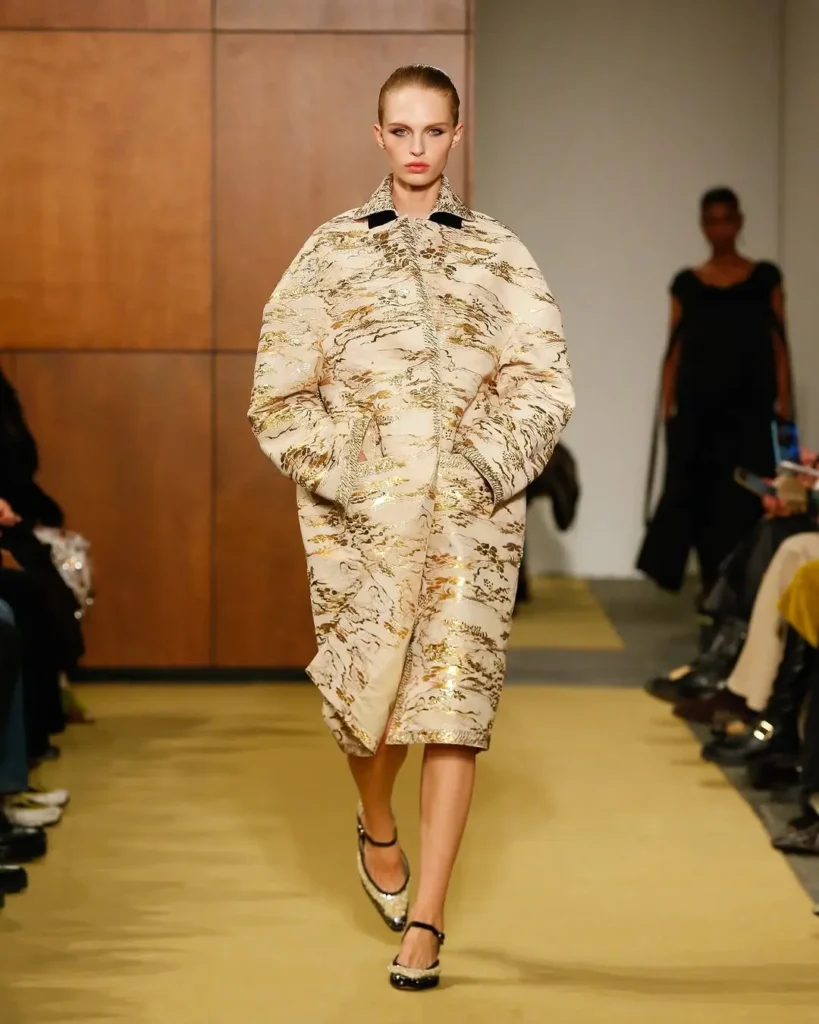
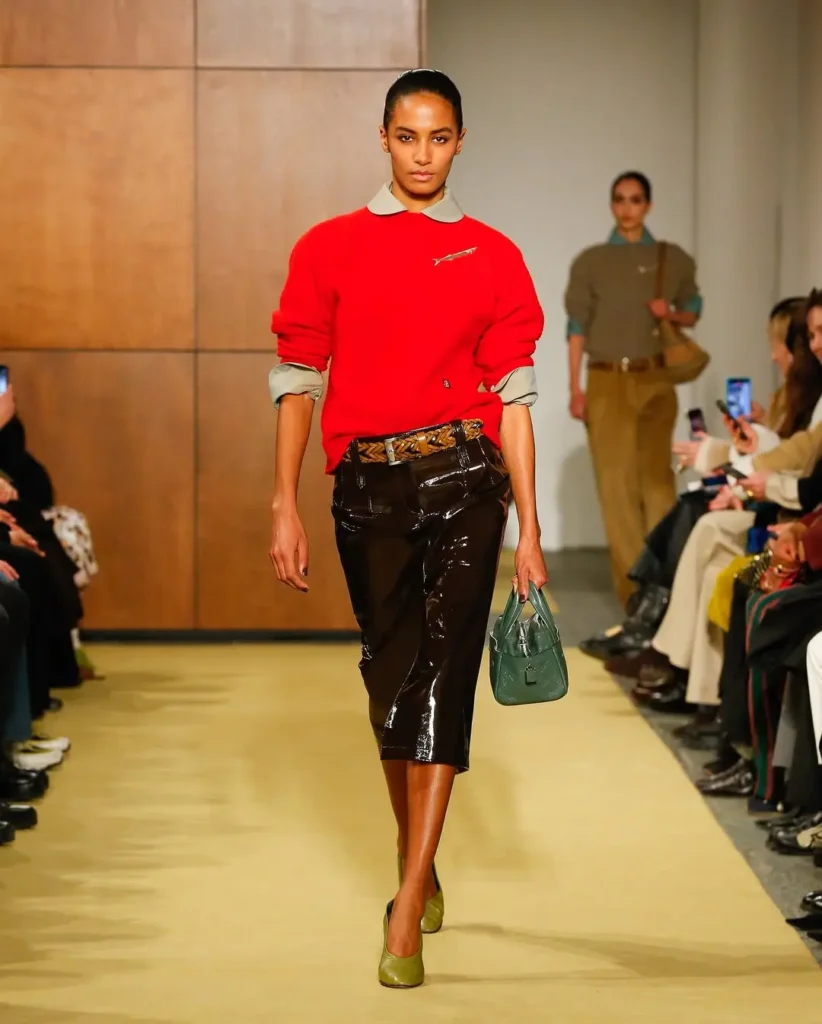
Meditating on the classic forms of fashion, Tory Burch asks the question ‘What makes fashion endure?’ A poignant commentary on the state of the world today and how fashion shapes the broader culture, Tory Burch’s Fall 2026 runway revisits classic silhouettes and twists them to meet us in the modern day. According to her show notes, these are the pieces we gravitate to in times of chaos and despair, but through history, memory, and story, these pieces gain a life of their own.
Burch adds the new life in question through badla embroidery, a metallic embroidery technique originating in South Asia. The new collection specifically employs Indian artisans who add the shimmering threads onto coats, sleeves, cardigans, and peplum tops. The rest of the “classic” collection was elevated through patent leather, sardine motifs, and drop-waist dresses, undone at the seams for a lived-in look.
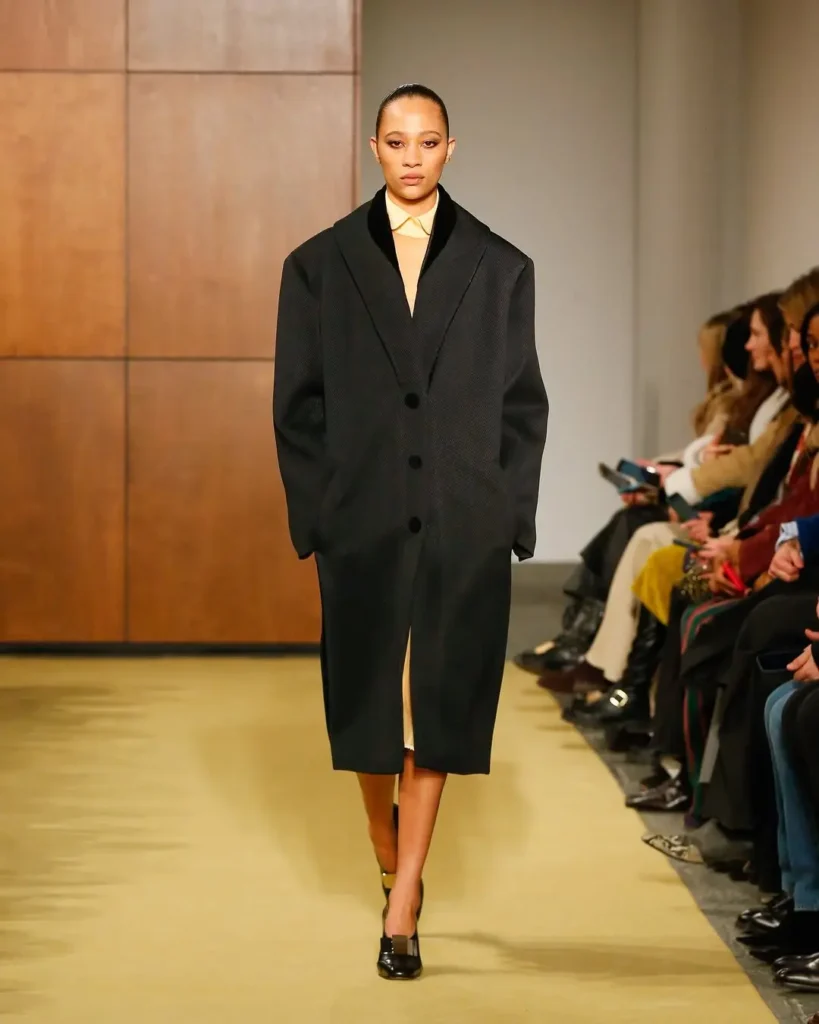
Corporate wear saw sheers and a vibrant colour palette mixed with the classic neutral one, with the closing look a black coat dress with exaggerated shoulders and a yellow sheer collar peeking through. While odd at first, it ties in Burch’s understanding of the modern woman. While she may gravitate to the past for reassurance, it doesn’t mean that she is bound by the rules of the past. Instead, the garments are styled through instinct, through playful accessories, colour blocking, and edgy outerwear. In times of chaos, dressing up becomes a small win worth treasuring.
Carolina Herrera
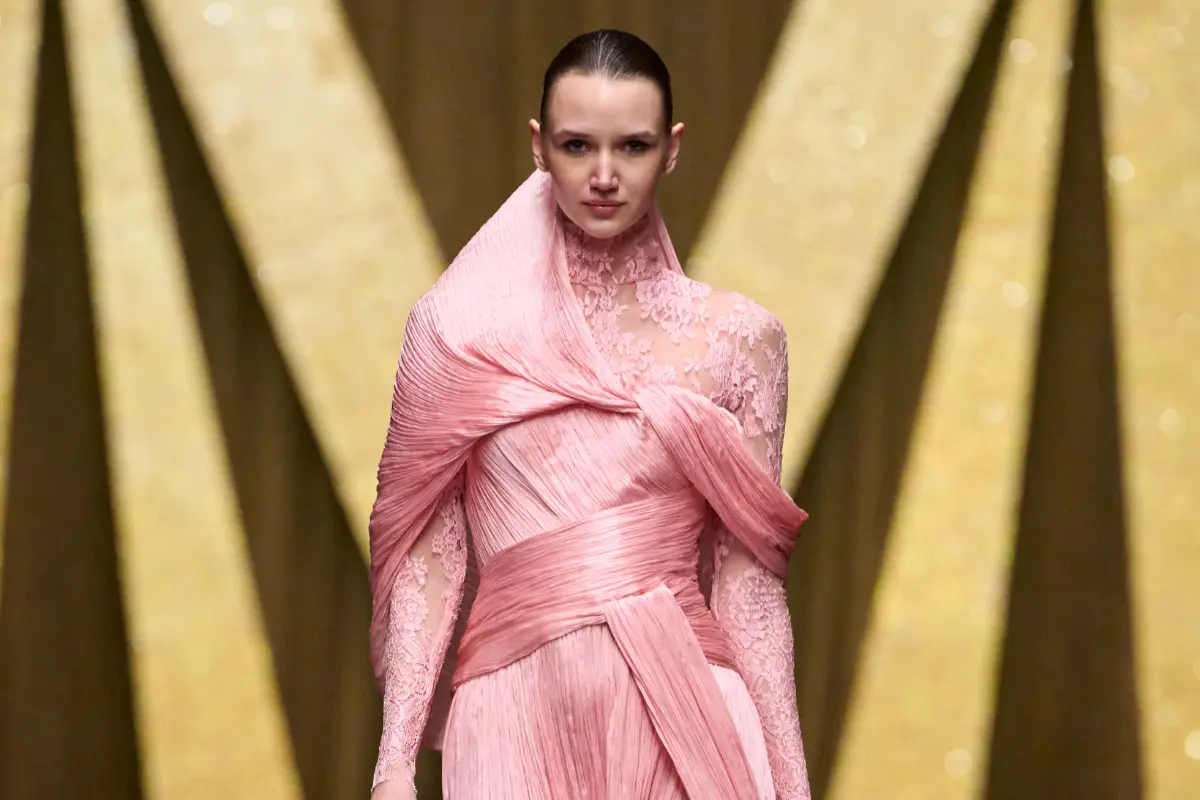
Setting their Fall 2026 collection at New York’s iconic Meatpacking District, Carolina Herrera’s latest collection under the direction of Wes Gordon was all about women in the arts. However, they weren’t mere inspiration but front and centre as several artists and muses alike walked the runway. Some of whom included painter Amy Sherald, artists Anh Duong, Ming Smith, Rachel Feinstein, and Eliza Douglas, gallerist Hannah Traore, and more. The set, resembling a painter’s studio, held expansive pastel murals by American artist Sarah Oliphant, further tying the collection together.
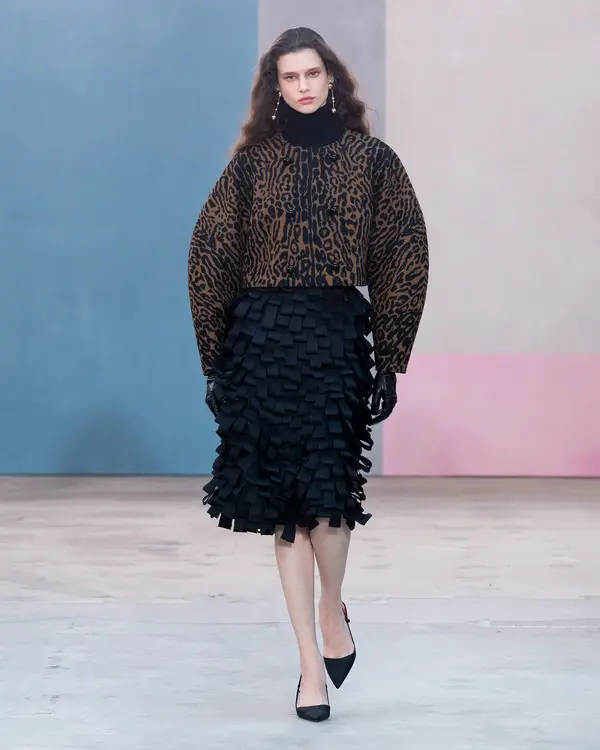
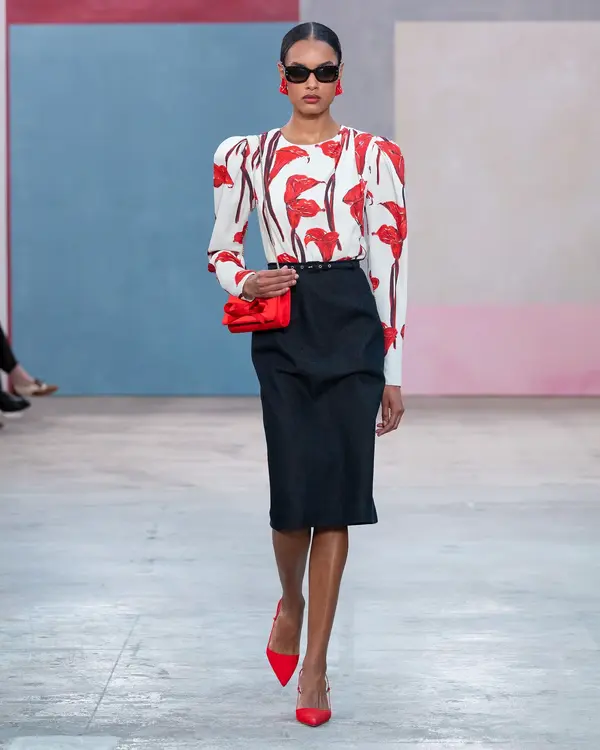
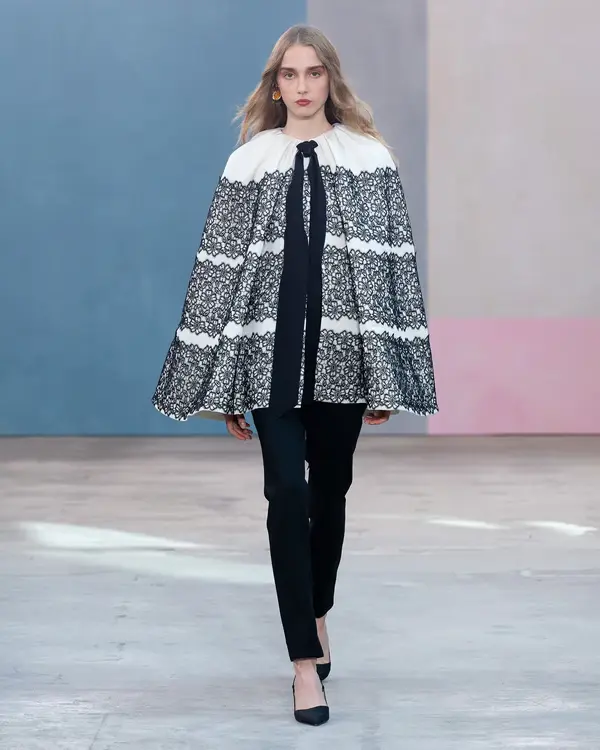
As for the collection, it was flush with sculptural silhouettes, confident volume, and lived-in ease that resembles its 80s roots. Animal print, florals, lace detailing, rounded sleeves, and shimmery, metallic pieces all made appearances, each sharing the spotlight with sharp tailoring and conservative cuts. Tapping into current trends, drop waist dresses, brooches, and capes also peeked through, while the rest of the collection tapped into the bizarre, the vibrant, and the whimsical.
Michael Kors Collection
This season’s collection marks Michael Kors’ 45th anniversary, and needless to say, glamour was turned up to the nines. Set at the Metropolitan Opera House at Lincoln Center, models cascaded down red-carpeted stairs held together by a glittering chandelier at the centre which looked more like a star mid-explosion. On the front row sat Anna Wintour, Martha Stewart, Uma Thurman, Lea Michele, Suki Waterhouse, Dakota Fanning, and more; a curated mix of stars, young and old, perhaps a nod to the length of the legacy of Michael Kors himself.
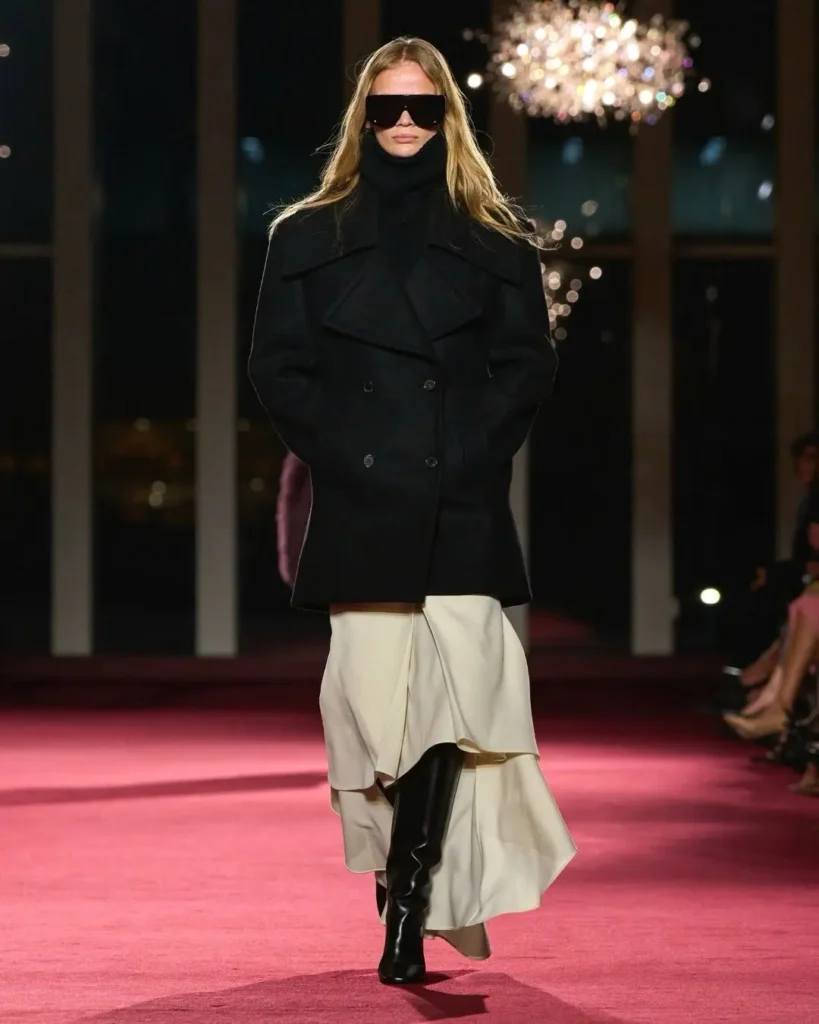
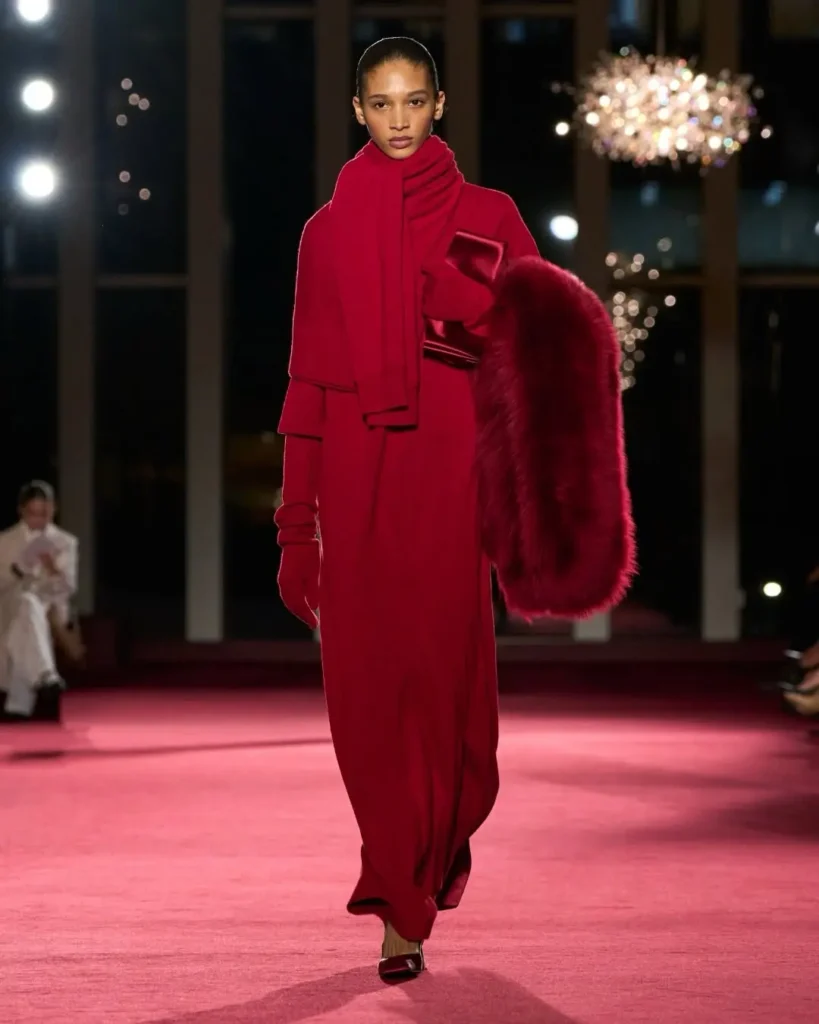
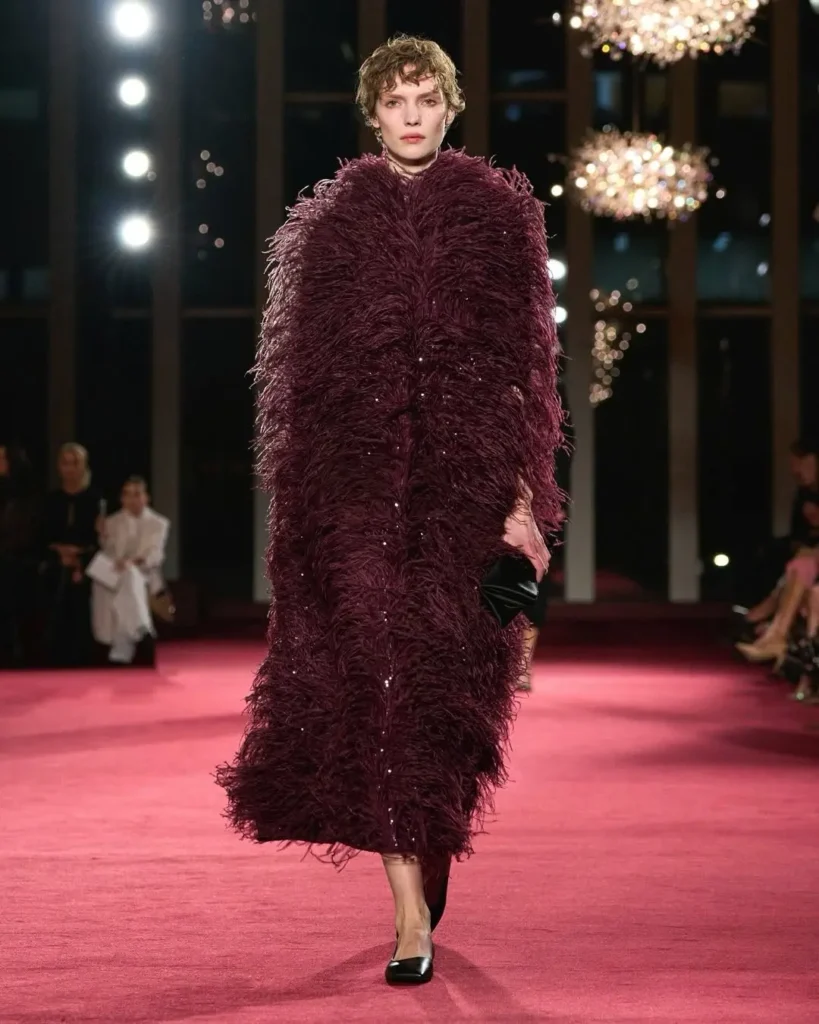
The collection revealed itself like a celebration. The moodboard was New York as a juxtaposition. A city where grit and glamour both coincide, the pieces emulated city chic and opulence without fuss and over-the-top theatrics. Feathers fluttered, asymmetrical hemlines swooshed, and expansive fur coats quietly announced their presence to the beat of Prokofiev’s Romeo and Juliet, Sia’s Chandelier, Tchaikovsky’s Swan Lake, and Rihanna’s Diamonds.
Although held by the theme of glamour, Kors didn’t rely on embellishment to speak. Instead, his signature tailoring did the heavy lifting, taking a fluid approach this season. One standout look was grey pants that were cut up into a skirt, leaving a train at the back. Leather opera gloves, furry stoles, and long dangle earrings continued to seep fun into cosy winter dressing, reinventing Kors’ through style hacks.
Khaite
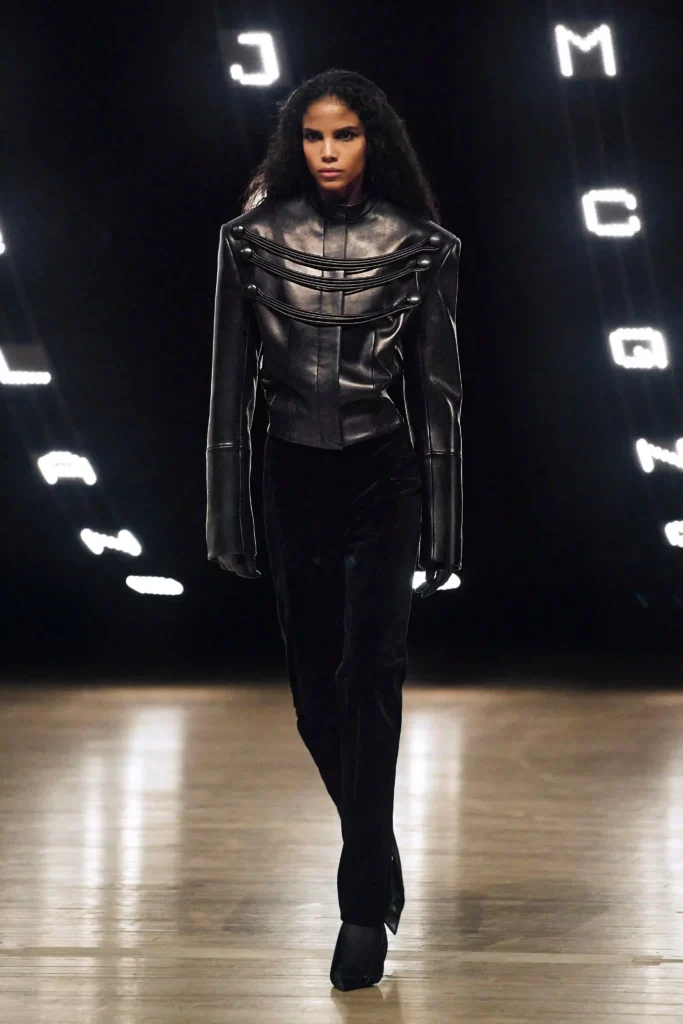
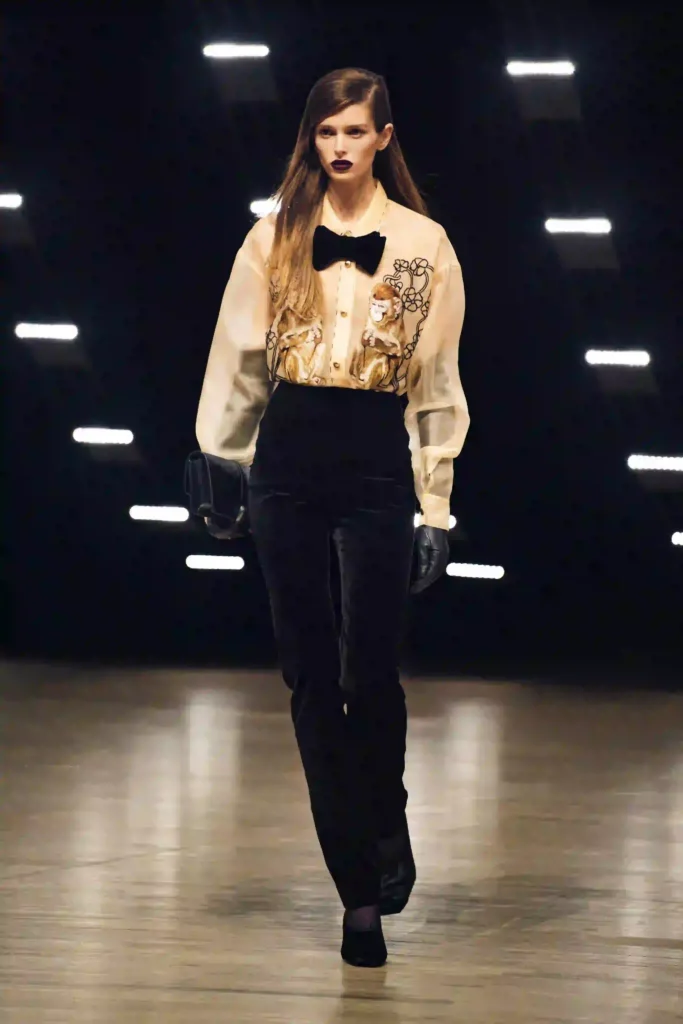
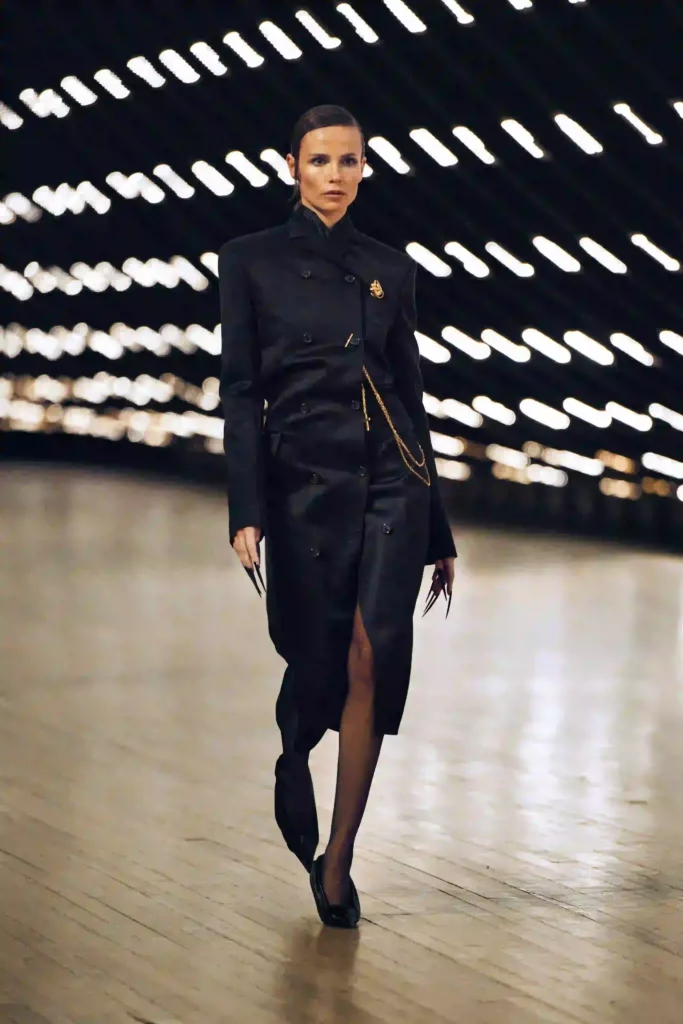
Goth. Dark Romance. Power Play. These are some of the words one can use to describe Catherine Holstein’s Khaite woman. As the designer continues to shape her vision, Holstein’s inspiration for the AW26 collection comes from a couple of films, the most notable one being F for Fake, a 1973 docudrama. The themes of trickery, art, and authenticity are what resonated with the designer and are what we see in the collection. Structured tailoring, 80’s silhouettes, an obvious play between light and dark within the palette, and visual trickery by contrasting hyperfeminine, dainty lace, and sheers with extremely long nails that almost look like talons. A menswear flair was also apparent as military jackets and bowties made appearances. The collection closed with a series of sheer lace slip dresses. While not modest on its own, its relaxed fit lends itself to be a layering piece, adding a new perspective to the Khaite woman.
Sandy Liang
While we normally don’t get pastel palettes for Autumn-Winter, Sandy Liang decided to go for it anyway. Bright and sweet, the designer took her visual cues for this collection from Sofia Coppola’s Marie Antoinette and Hayao Miyazaki’s Kiki’s Delivery Service. With the show notes mentioning how our favourite things infuse into us, in turn making us the favourite things, Liang took her two favourite films and translated them into a collection of frills, dangling ribbons, chic bunny ears, and lots and lots of bows. It’s feminine, it’s cutesy, and it shows us that brightness can still prevail in the winter.
Cult Gaia
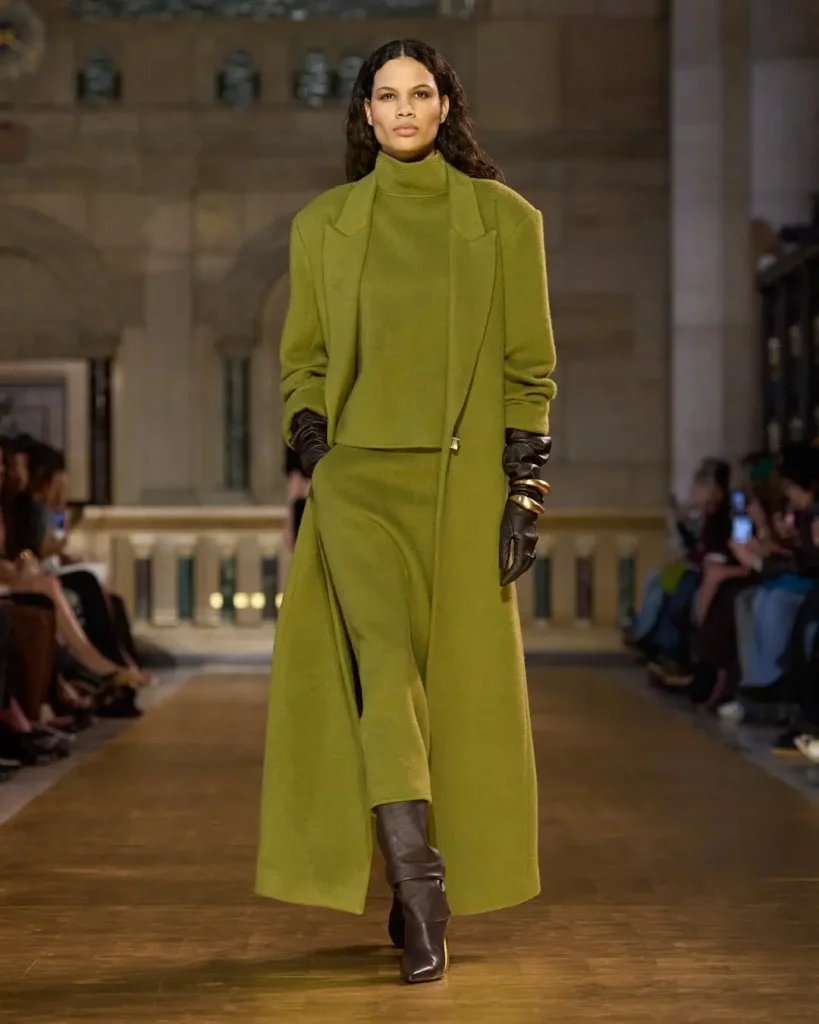
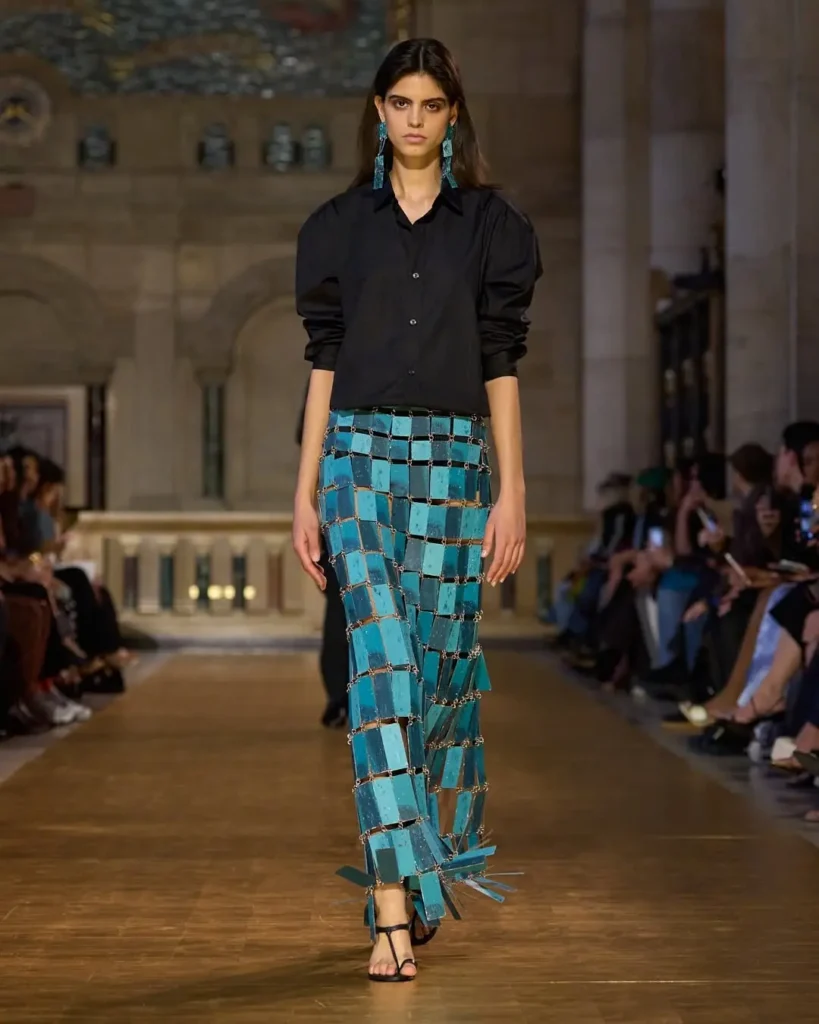
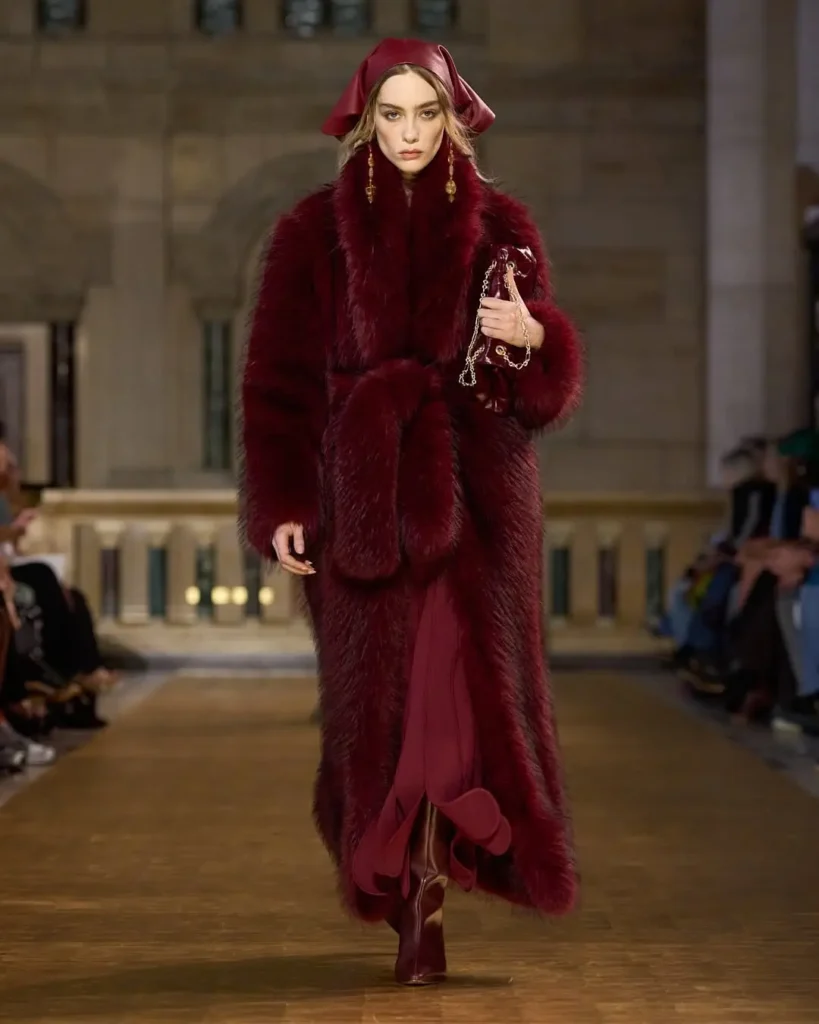
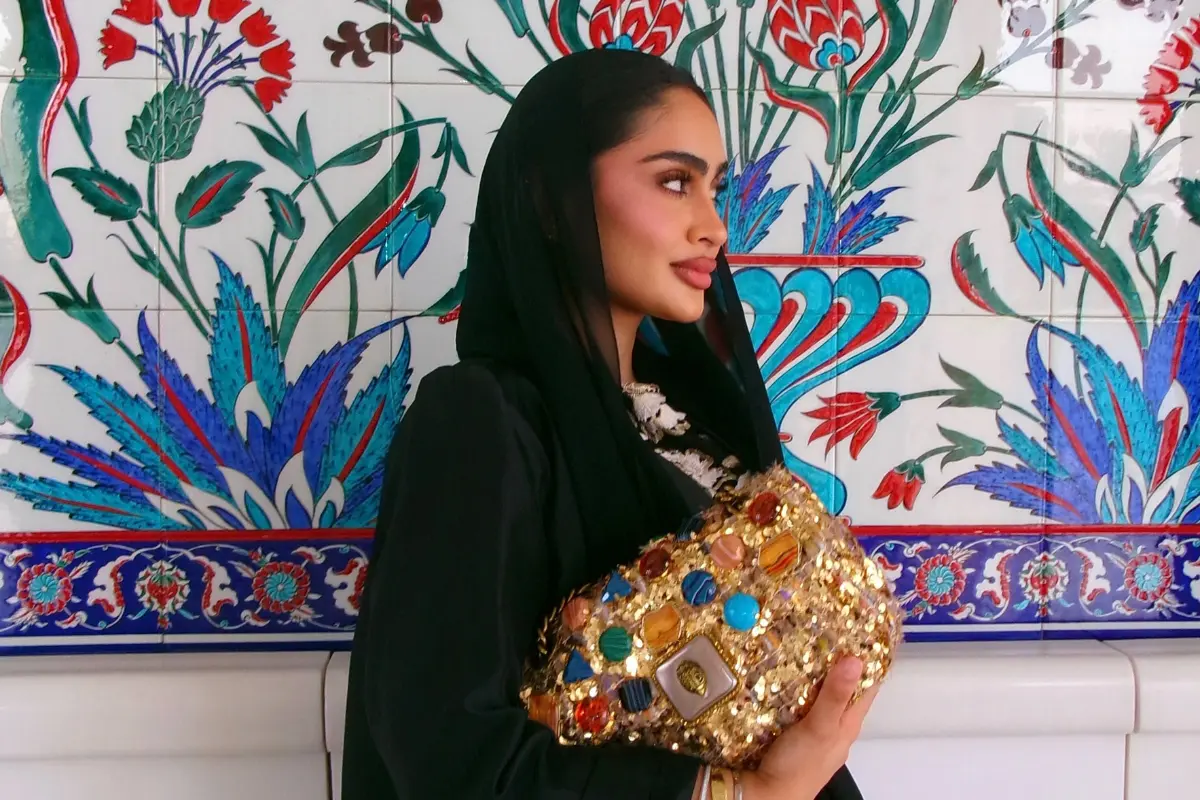
Known for its sculptural accessories, Cult Gaia has slowly built a name for itself as a brand that channels summer chic on the beach. So an Autumn-Winter collection is a first. And so is menswear. And designer Jasmin Larian Hekmat tackles them both. Titled ‘SHIRZAN’, which is a village in Iran as well as a Persian term meaning “lioness”, it’s clear that this collection is inspired by the designer’s Iranian heritage. Featuring pieces with hand-painted tiles that resembled her home, the collection also showcased Cult Gaia’s signature beading and sculptural silhouettes. Luxurious furs also took centre stage while the menswear was toned down to relaxed suiting. With a brown suit jacket with floral appliques as the exception, it was a clean start to Cult Gaia’s newest customer.
Milan Fashion Week
Continuing the hype from last season’s creative director debuts, Milan becomes a hotbed of anticipation. Between Fendi, Jil Sander, Marni, Ferragamo, and Demna’s first Gucci runway, it was a week stiff with rumours and expectations, and a week defined by experimentation and exploration.
Jil Sander
While some might overlook Jil Sander for its purist, minimalistic house codes, Simone Bellotti’s vision will have you thinking again. Grounded by a poem titled The House Above The Sea, written by Chiara Barzini for Jil Sander, the poem focuses on the house as a steady foundation that remains even after experimentation and transformation. Jil Sander, in this case, is that “house” as Bellotti teeters outside the house codes. Tailoring took a freewheeling approach, and it showed mainly on the suits. Whereas silhouettes were turned asymmetrical with suit jackets coming with a train, skirts with jagged side slits that closed up at the end, and collars styled to be half tucked in. Subtly disrupting but eventually returning “home”, Bellotti further expands his repertoire while staying true to the essence of Jil Sander.
Fendi
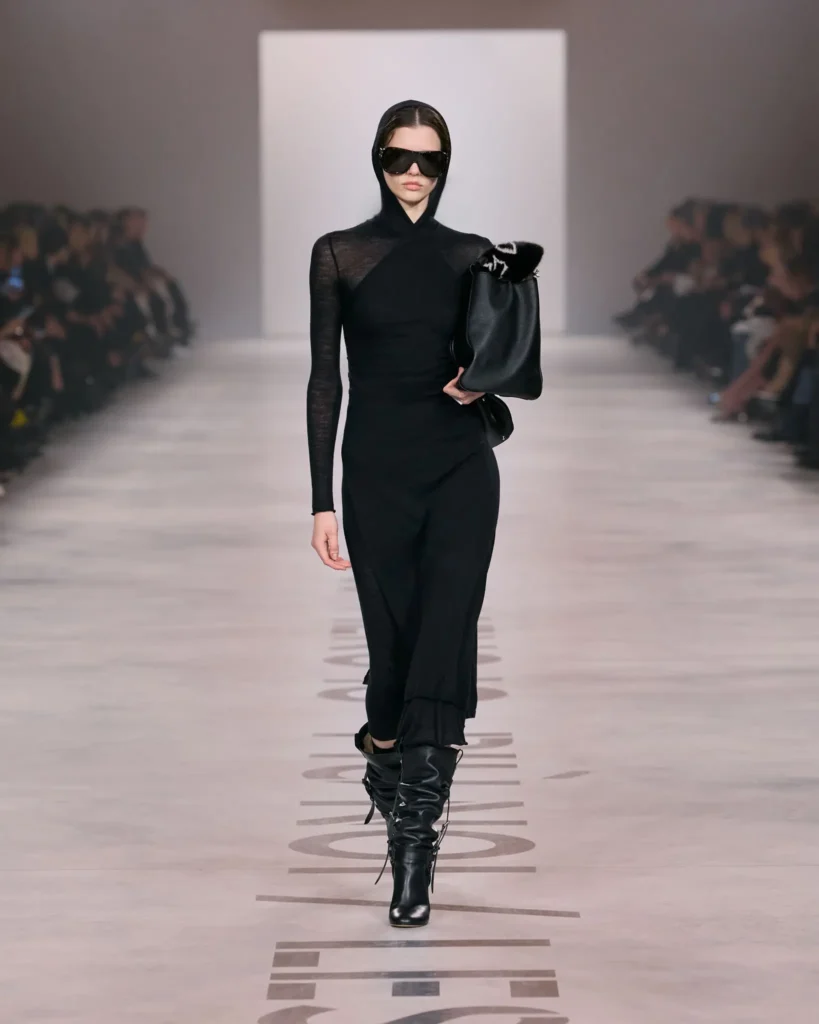
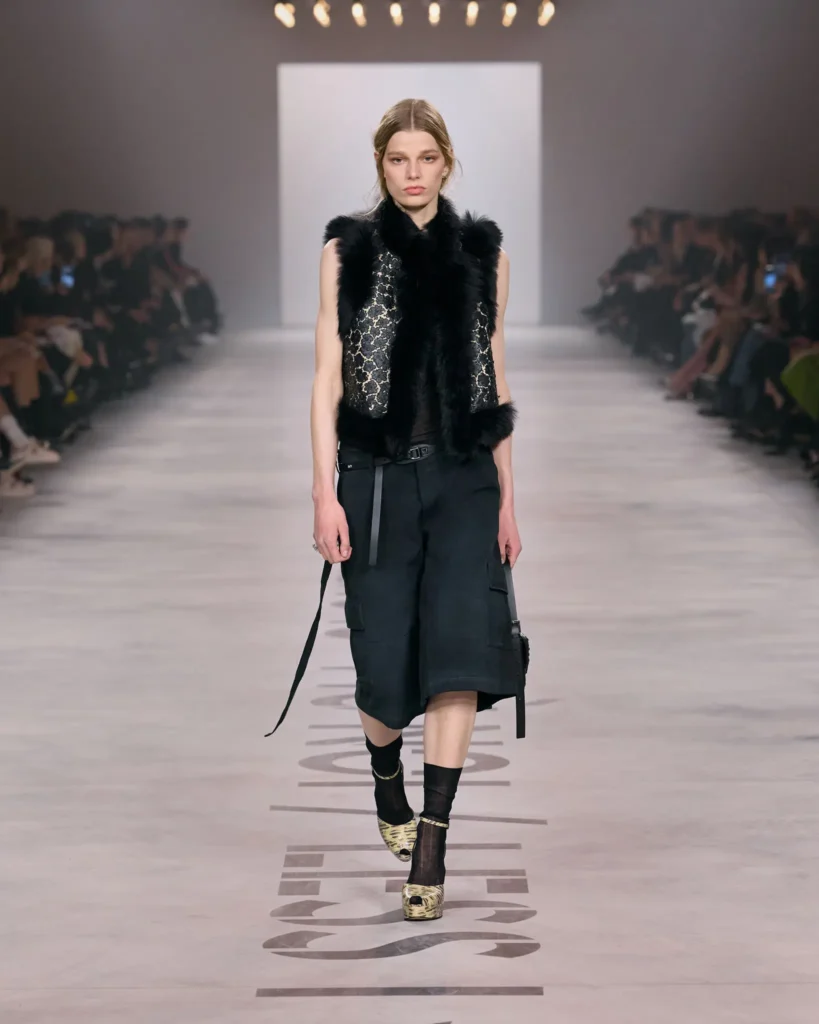
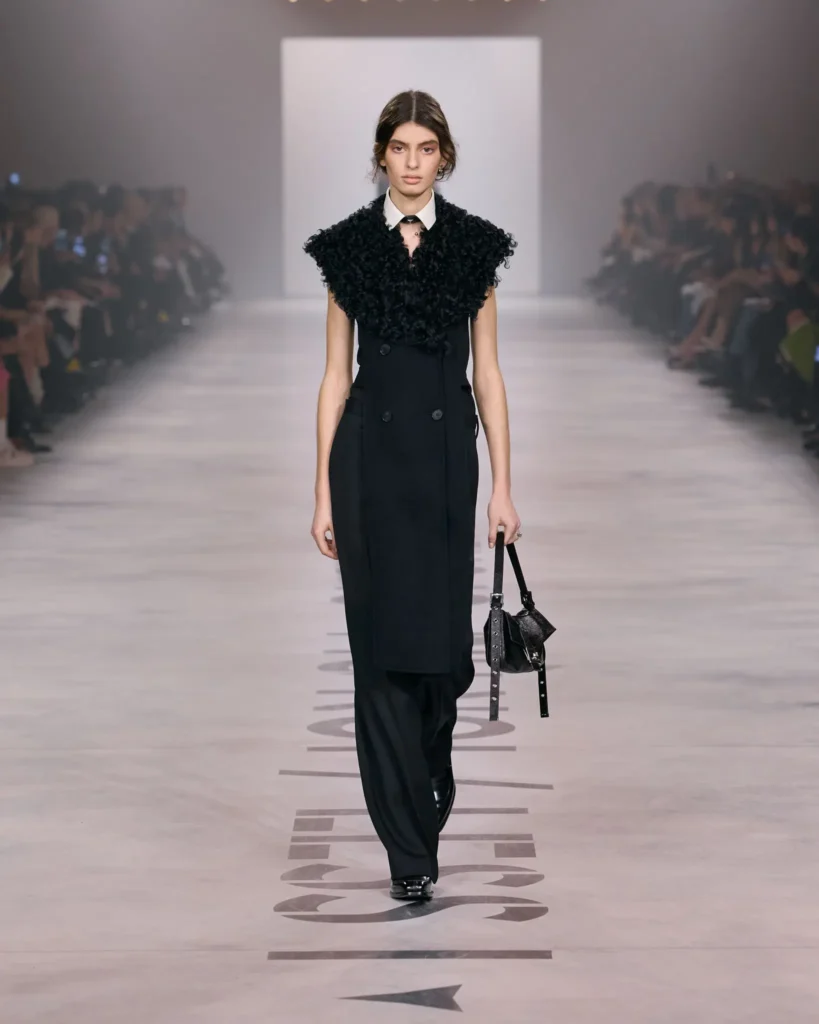
A peculiar start to the Maria Grazia Chiuri vision for Fendi, her debut collection came with knocking down some barriers. Working with the motto “Less I, more us”, the coed collection felt like a shared, cohesive wardrobe, with the same suiting and styling following each other consecutively. Rooted in an overwhelming palette of black, a complete 180 from last season’s kaleidoscope, Chiuri made up for it by exploring textures and themes. Furs, lace, silks, and sheers were manipulated into military or bohemian themes. Bags, understandably, stole the show as Baguettes came heavily embellished and experimented with, further standing out in the sea of black. While this debut didn’t come with major risks or narratives, it strongly stands its ground with Chiuri’s “us-first” vision.
Prada
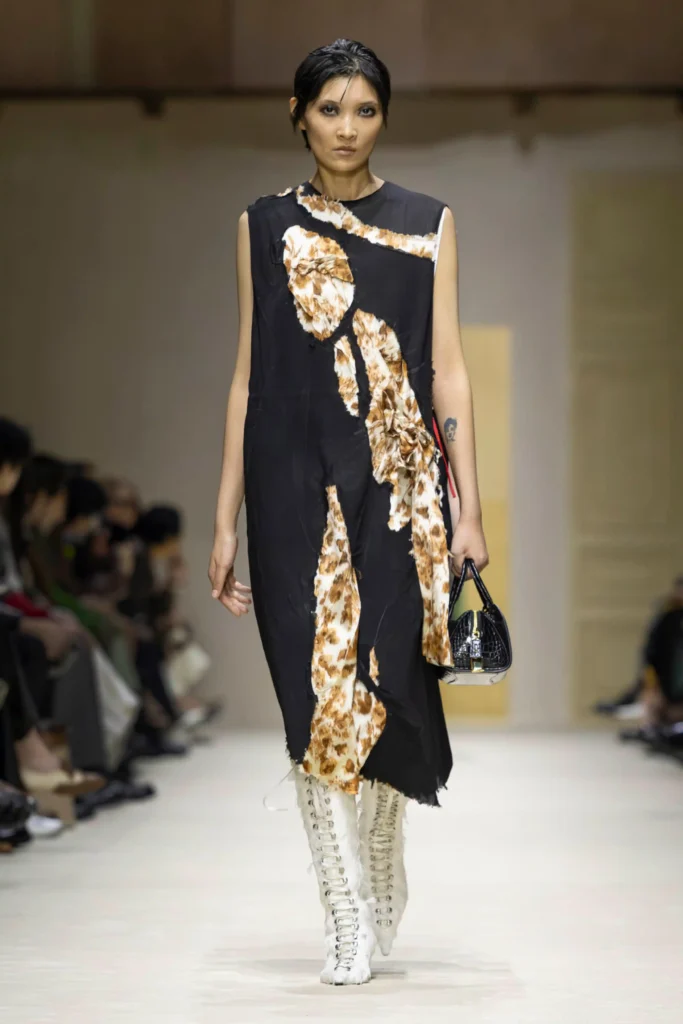
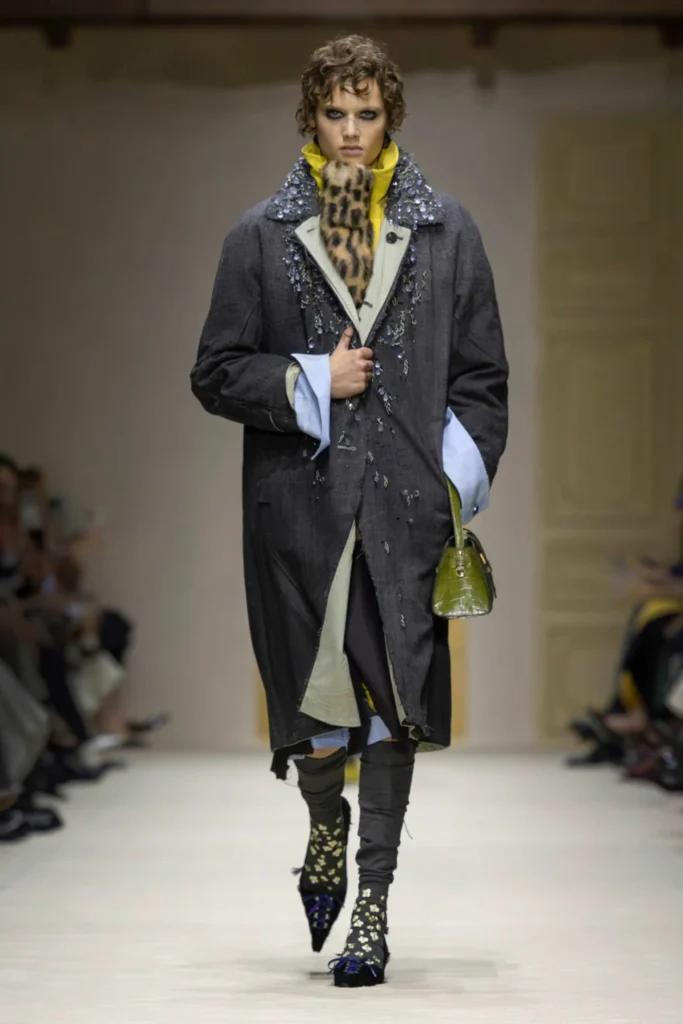
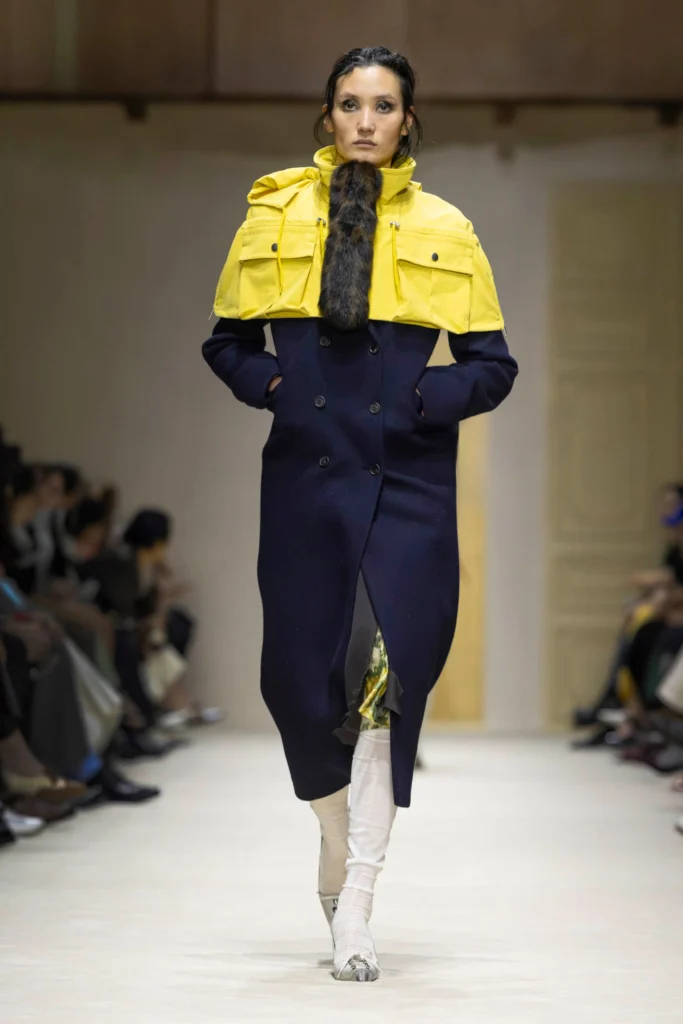
While the modest dresser loves the art of layering, Miuccia Prada turns it on its head, focusing not on layering as style but on layering as meaning; something that naturally frames women and their lives. The complexity, the nuance, how clothes become as multifaceted as women themselves. As the models walked, each layer would peel itself away with movement, giving us a peek into animal furs that shift to floral patterns, where vivid colours would peek out of the neutral black, and how each silhouette came with this bulkiness, because of the clothes but also because of the pluralities it has to carry. Showcasing how our clothes contain multitudes, it also sheds light on how the modest woman approaches dressing—not by simply covering up, but by revelling in the infinite.
Gucci
With excitement that created a steady hum around the world, Demna’s first Gucci runway finally opened the doors to Gucci’s new chapter. Aptly titled “Primavera” or spring, this collection was seeped in a sexy undercurrent, a callback to Tom Ford’s Gucci. For Demna, however, this was an emotional tie-in as he reportedly mentions how the collection is a reflection of his own relationship with his body. The show’s notes mention how Gucci achieved that sexiness. Developing the garments to fit seamlessly to the body, the pieces were “cut as close as possible to the body, invisible heat-sealed edges and engineered curved hems.” Everything was tight and bunched in with flair and a purse. That being said, there was still plenty for the modest dresser. Skirts and fluid suits that whipped in movement made appearances and so did a range of fur-trimmed jackets, trenches, and maxi dresses. With every “bratty” party girl came its polished sister, expanding the range of what the Gucci woman can be.
Paris Fashion Week
Beginning with the March heat, maisons in Paris begin with an ironic footing. Despite that, they prevail, using their runways to engage in dialogue between pop culture, politics, and the designers of the past.
Dior
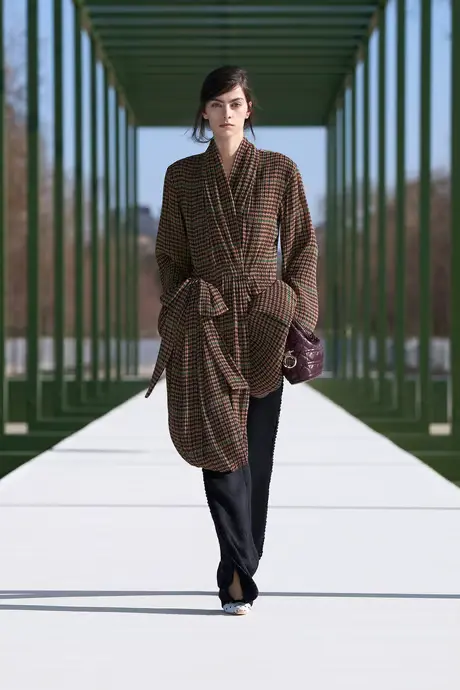
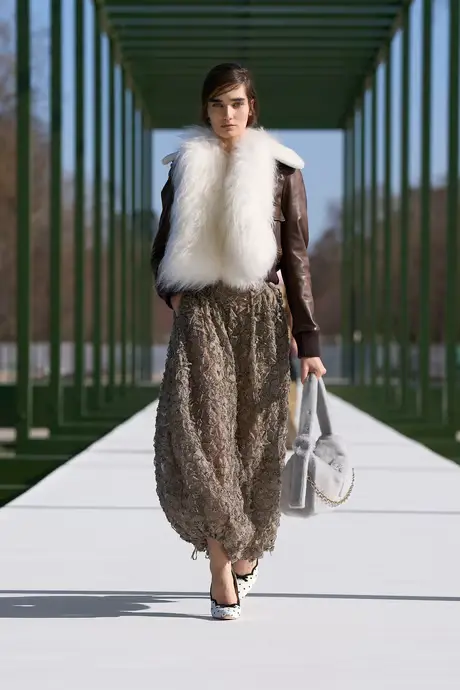
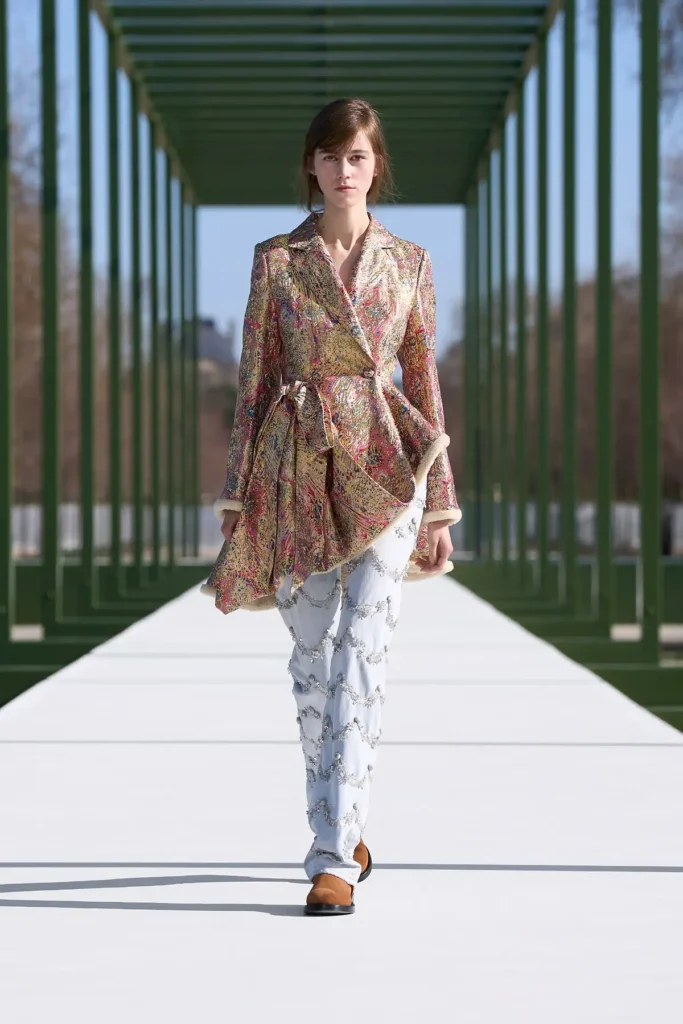
And now we’re talking undeniably the most adored collection of the season. Staged at the Jardin des Tuileries, a place known for seeing and to be seen, Dior AW26 collection transcends the seasons. With spring sunshine hitting the models as they walked among the lily pads, the clothes themselves came surrounded by lightness but not without a reference to 18th-century codes. Mini skirts came accompanied with bustle skirts, while peplum jackets came along with furry ones. Knits took a sculptural look while ruffle skirts appeared with trains trailing behind them. The collection was bound by movement, as if the clothes were made for frolicking in the sunshine instead of navigating winter. For Creative Director Jonathan Anderson, that’s all part of it, mentioning that the collection is not strictly an Autumn-Winter one but a transitional one, made for snow but also for the daylight. With bright colours, floral prints, and metallics paired with jacquard, it’s a collection we can easily sport in the region.
Saint Laurent
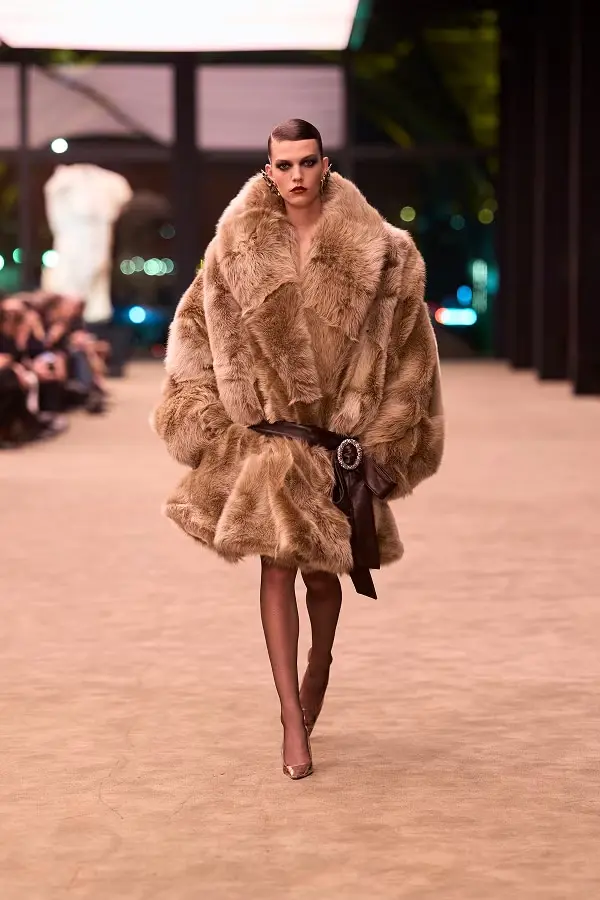
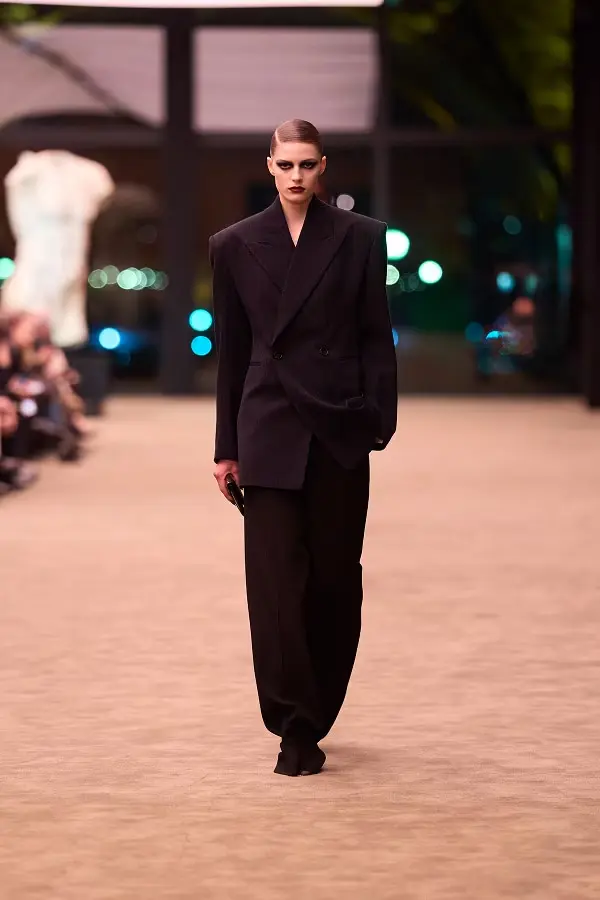
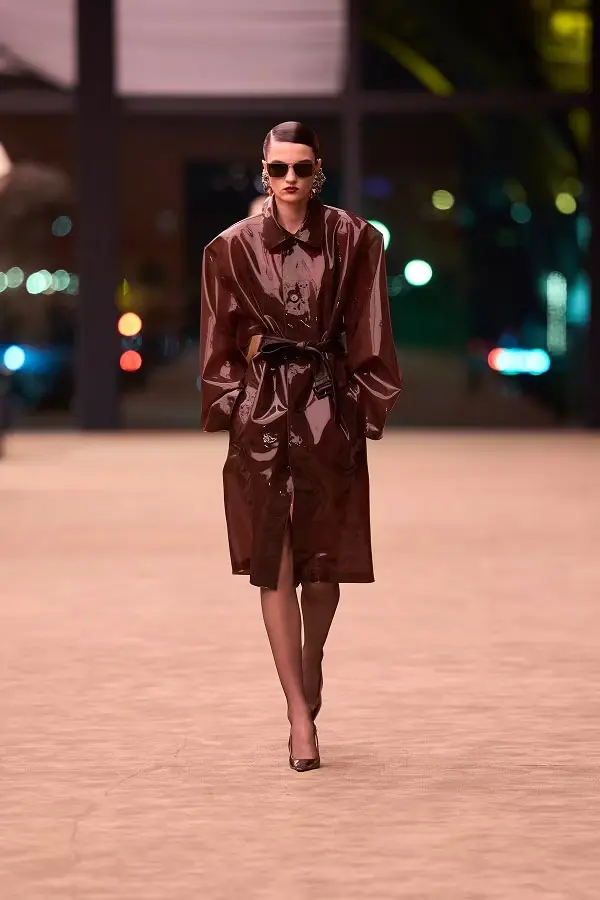
In the current zeitgeist, Saint Laurent and suits aren’t the first combination one would think of, but the pairing is more radical than one would think. When Yves Saint Laurent introduced the Le Smoking tuxedo in 1966, it caused nothing but outrage. Even though the masculine form was softened and, according to the courtier, was a means of power dressing, it thoroughly rocked the society of the time. Now celebrating its 60th anniversary since its introduction, Creative Director Anthony Vaccarello could not put out a collection without honouring the suit. Beginning the collection in a series of Smokings, Vaccarello explored how the suit could be redefined. From daytime suits to sensual ones, it was a contemporary approach to how far “masculine” women’s dressing has come. Alongside the Smokings were billowing fur jackets, latex pieces, and barely there lace that a modest dresser could creatively layer with. Anchoring the looks down were chunky gold jewellery, a resemblance to traditional jewellery of black and brown communities, and black clutch wallets, which came to be one of the few times that Vaccarello has featured handbags on a Saint Laurent runway.
Balenciaga
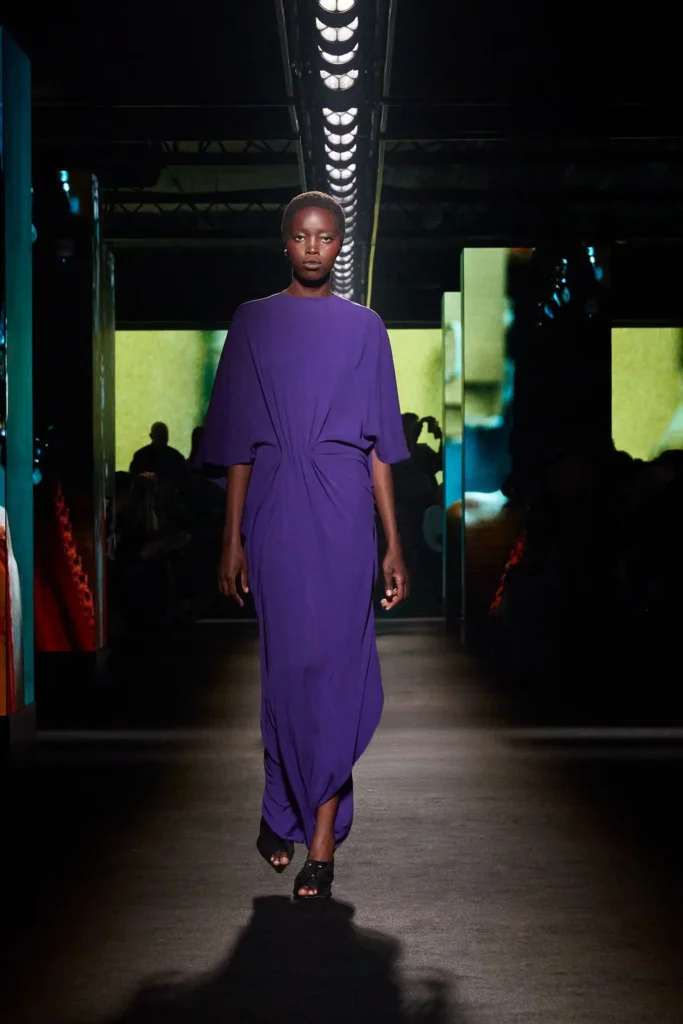
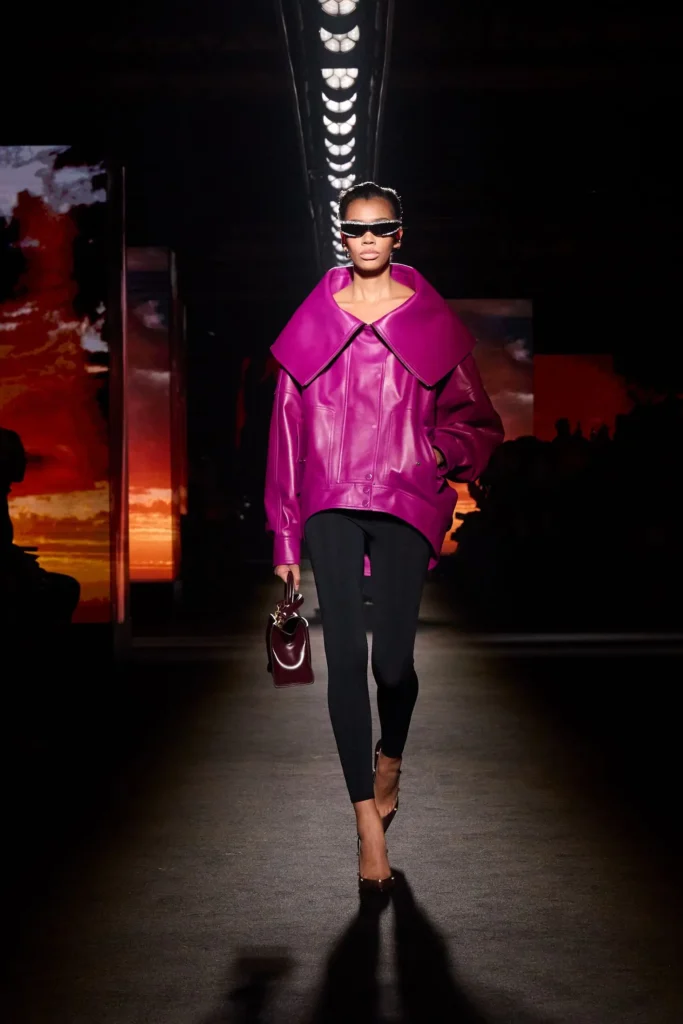
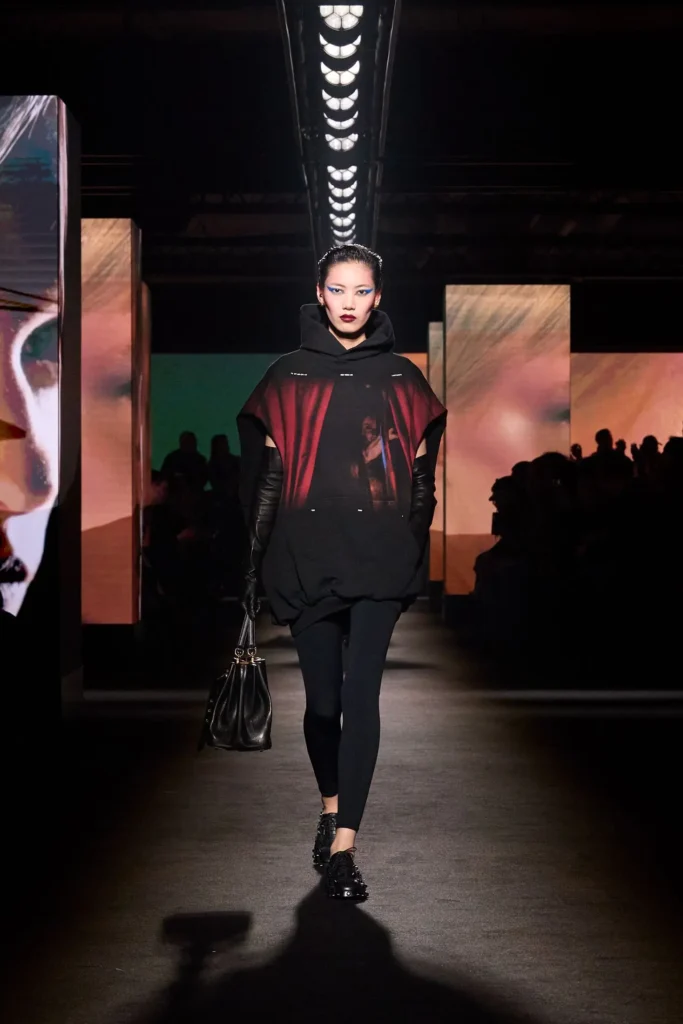
Collaborating with Euphoria creator Sam Levinson, Pierpaolo Piccioli continues to streamline the legacy of Demna into the glamour that Cristóbal Balenciaga was known for. In a runway that was heady and dark, iterations of the sack dress continue to make their appearance alongside familiar cocoon silhouettes and graphic prints of Euphoria season 3. Portrait collars came into contemporary force, exaggerated on statement coats and jackets, while denim draped softly in its baggier form. Playing on the theme of light and dark, the collection overall remained moody and gothic, but not before introducing spurts of light in a rich jewel-toned palette.
Chanel
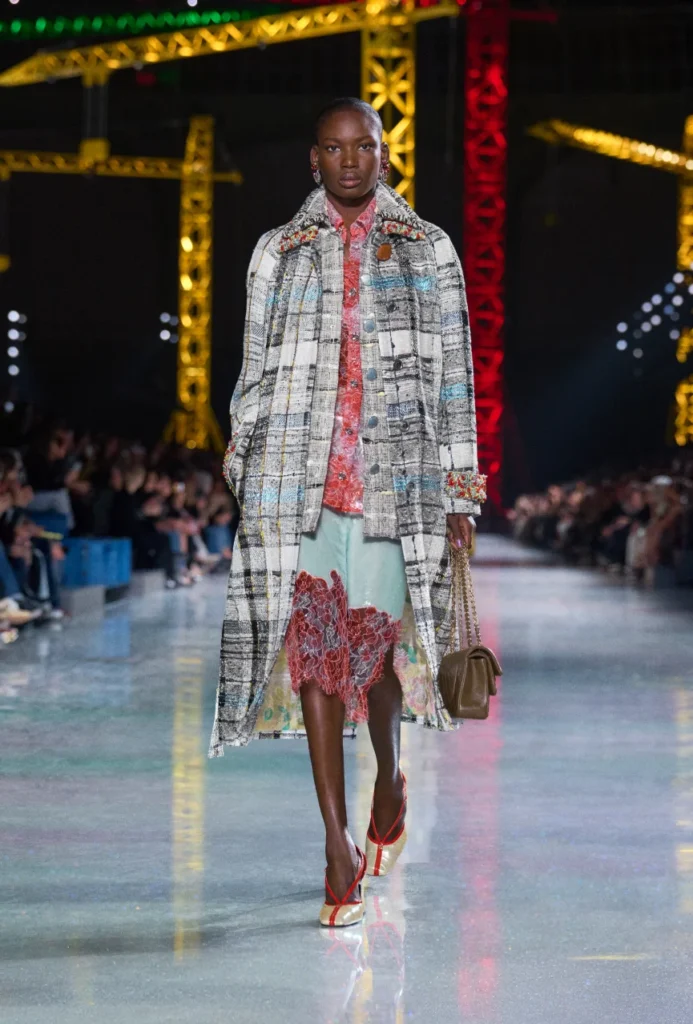
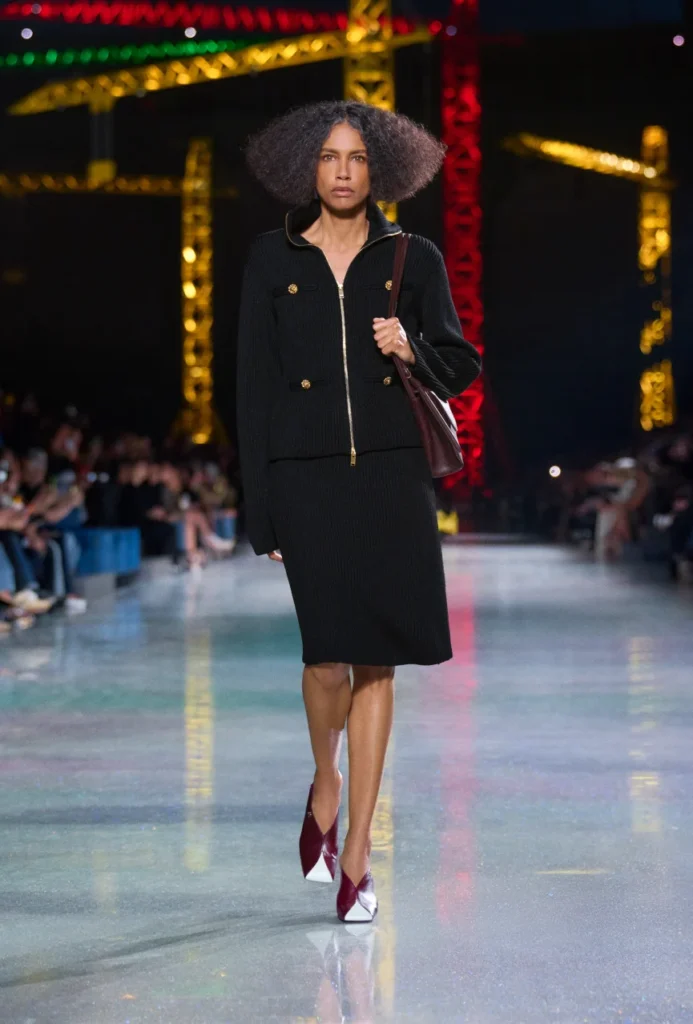
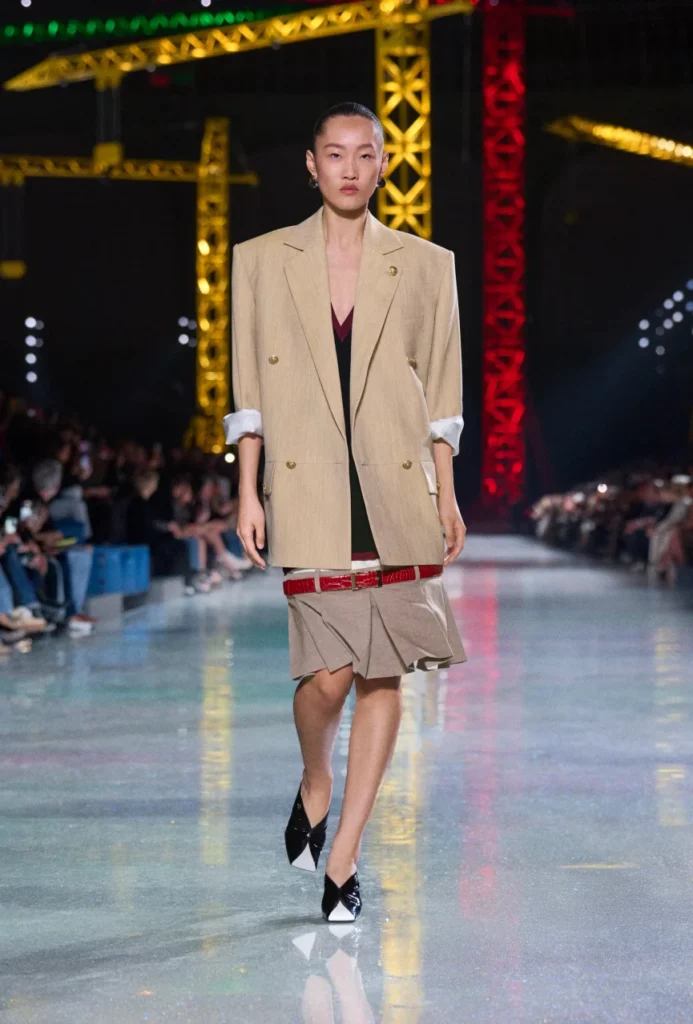
Continuing his conversation with the spirit of Coco Chanel, Matthieu Blazy’s first AW26 collection under the maison takes cues from a French interview from the 1950s. As Chanel puts it, “Fashion is both caterpillar and butterfly. Be a caterpillar by day and a butterfly by night.” This sentiment is what sealed her early designs, where workwear-inspired designs built the foundation of the fashion house. Blazy does the same, beginning his collection with a contemporary version of the classic Chanel suit. Made in a black rib knit and fastened with a zip instead of buttons, the new era of Chanel visualises movement and fluidity. As Blazy continues to explore iridescence in his collection, the neutral suits turn colourful, full of texture and patterns. 3D embellishments sparkle along the runway as waists are dropped low to reference Chanel’s foundational work. The butterflies emerged in the final looks as tweeds, metal mesh, and fur accents fluttered through. Finally fading back to black, Chanel’s signature, and dialogue between the designers continue.