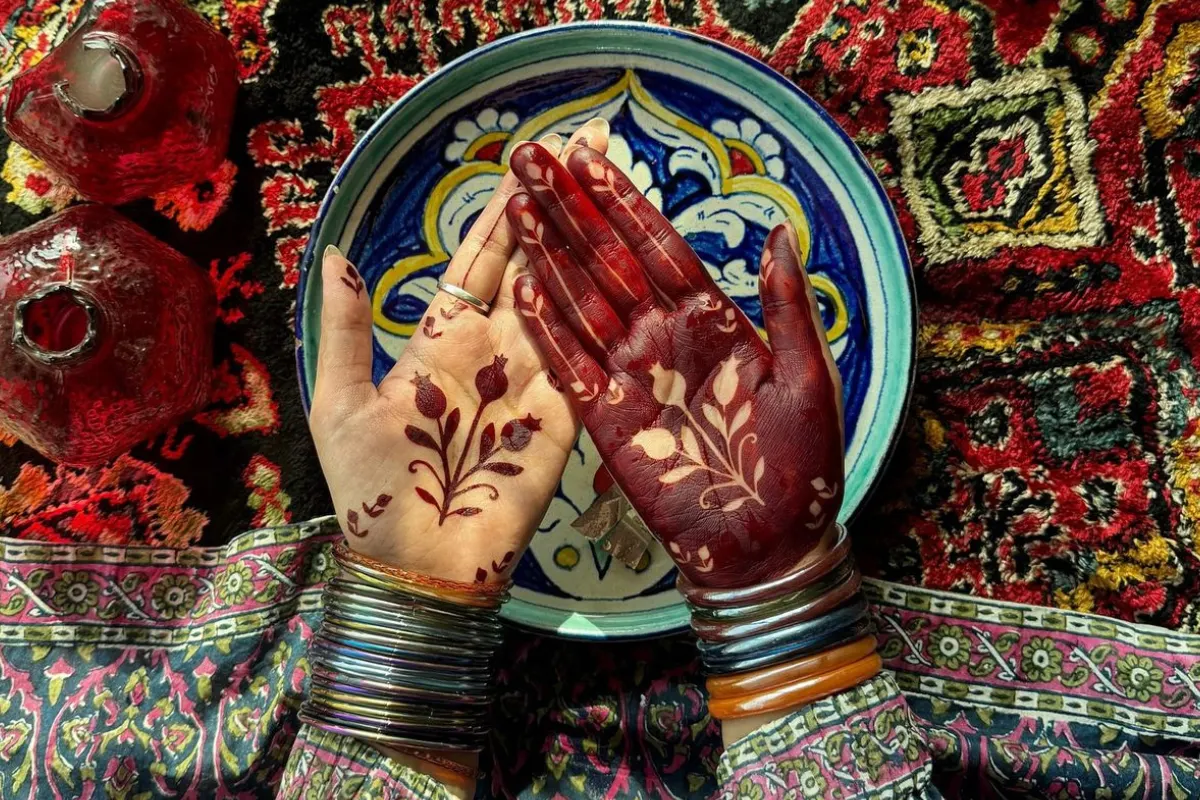
I don’t remember a single Eid growing up without henna. Every year, I’d insist on having both sides of my hands covered, palms, fingertips, wrists, even the backs of my hands if there was still time before bedtime. I remember sitting perfectly still, terrified of smudging the designs before they dried, convinced the darker the stain, the luckier I’d be.
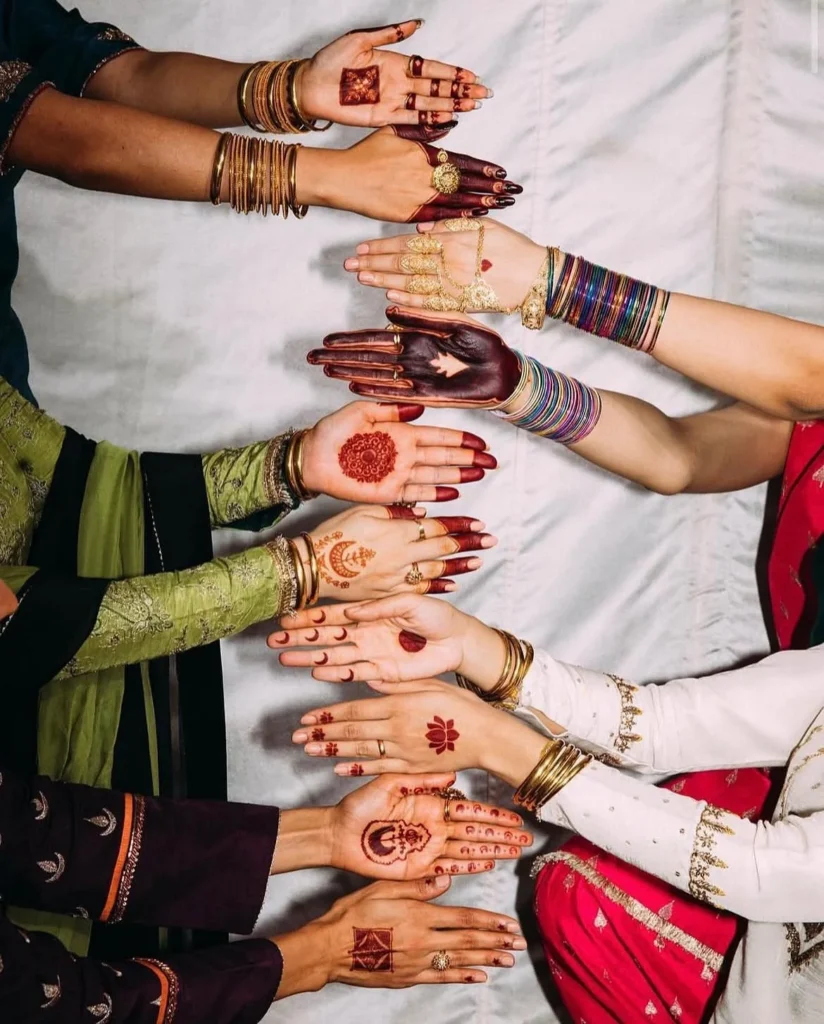
For years, that’s where henna lived in my mind; eid, weddings, family gatherings, etc. Beautiful, yes, but reserved. Now, it’s appearing somewhere entirely different. On fashion campaigns, red carpets, editorials, and social media feeds. In essence, fashion is simply rediscovering what many cultures have known all along.
Beyond Culture
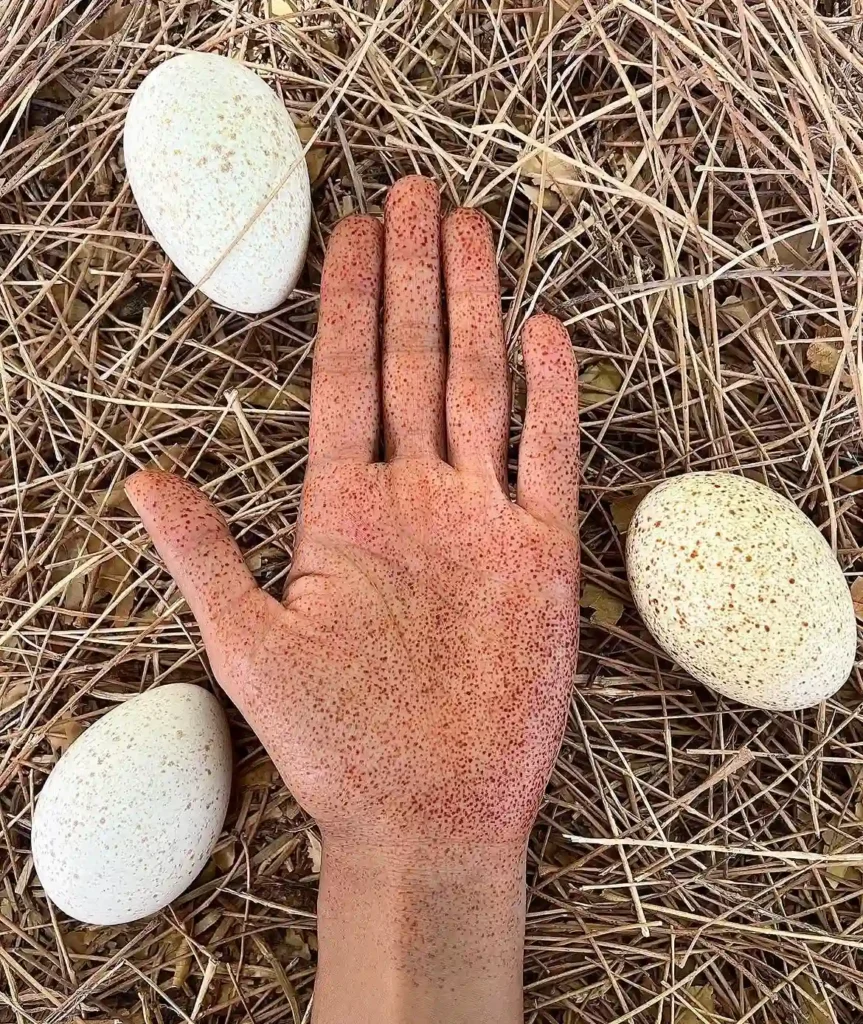
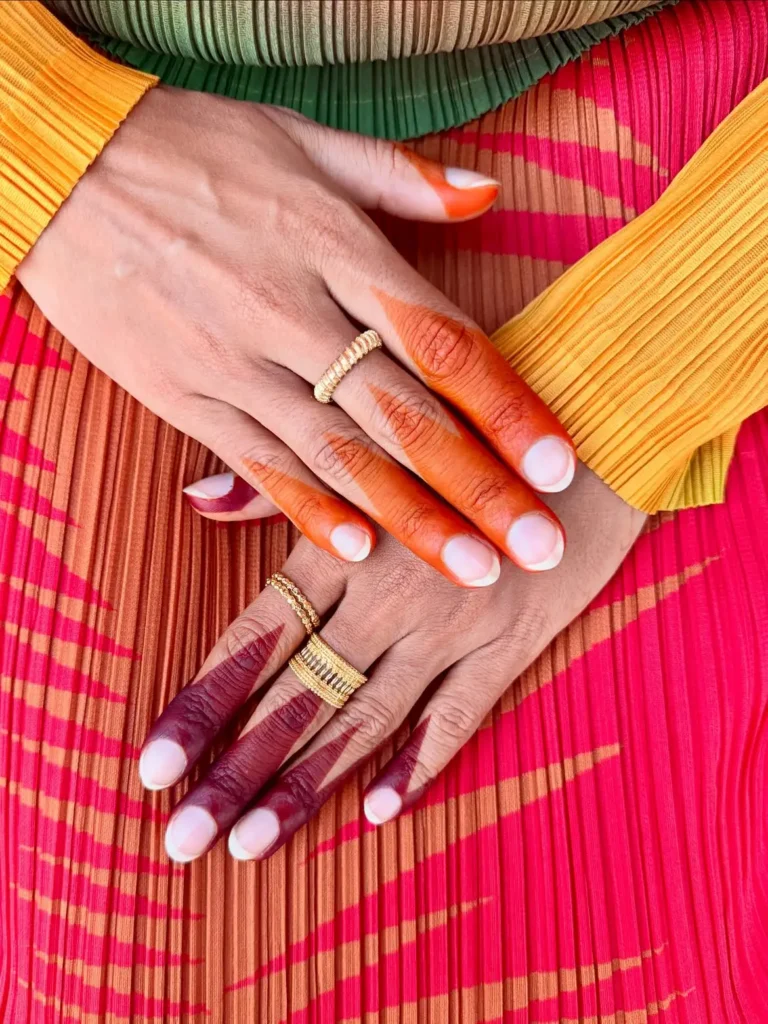
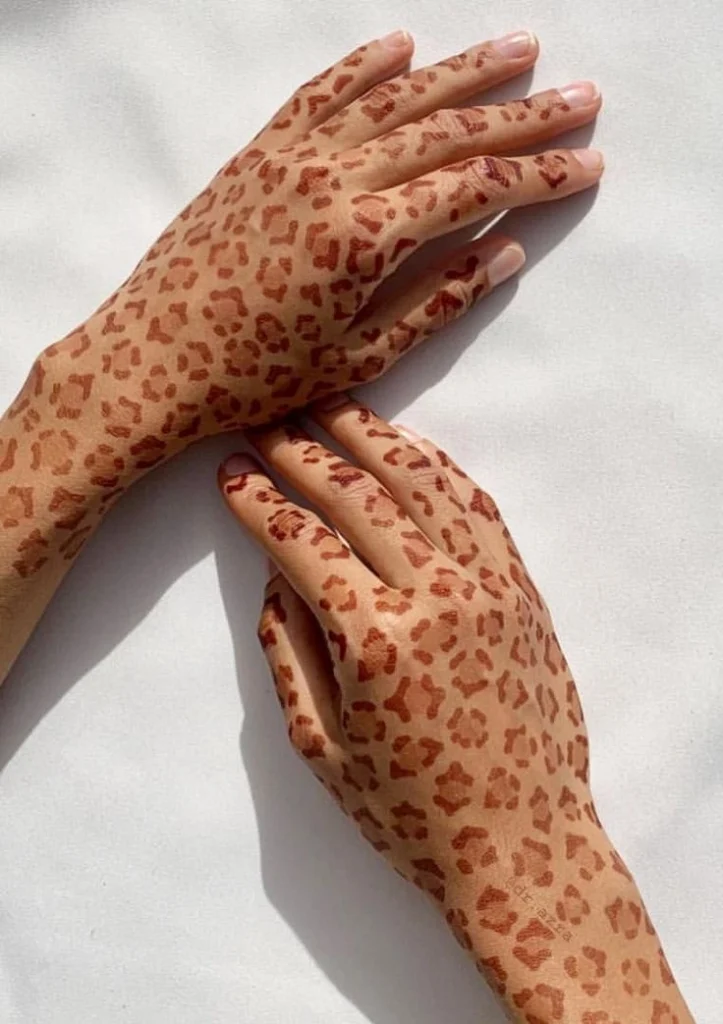
Across the Middle East, North Africa, and South Asia, a new generation of artists is reimagining one of the world’s oldest beauty traditions. Few have shaped this movement quite like Dubai-based artist Azra Khamissa, better known as @dr.azra. Her minimalist approach; painted fingertips, graphic circles, crescent moons, leopard-print palms, and negative space, challenged everything people expected henna to look like. What began as her search for designs that suited her own personal style soon became an entirely new visual expression.
Rather than replacing tradition, Khamissa expanded it. Her work has since attracted collaborations with Gucci, Fendi, Apple and Adidas, proving that henna can exist comfortably within luxury fashion without losing its cultural roots.
“I had to find a design language that suited my aesthetic,” she previously explained, a philosophy that has resonated with a generation wanting to reconnect with heritage on its own terms.
The Artists Rewriting Henna’s Language
The revival isn’t happening in one place alone. In Egypt, Beit El Henna is preserving Nubian traditions while presenting them through an editorial lens. Founded by Rawan Al Naggar, the Cairo studio celebrates bold geometric motifs, smoke-darkened stains created through the traditional dukhan ritual, and centuries-old symbolism. Rather than modernising Nubian henna beyond recognition, Beit El Henna reframes it as contemporary design, allowing heritage to speak in today’s visual language.
Across the Gulf, Arabian henna continues to evolve too. Flowing florals, statement roses, vine-like cuffs and delicately painted fingertips feel surprisingly aligned with today’s love for refined minimalism. Where jewellery stacks and sculptural cuffs once finished an outfit, henna is increasingly doing the same.
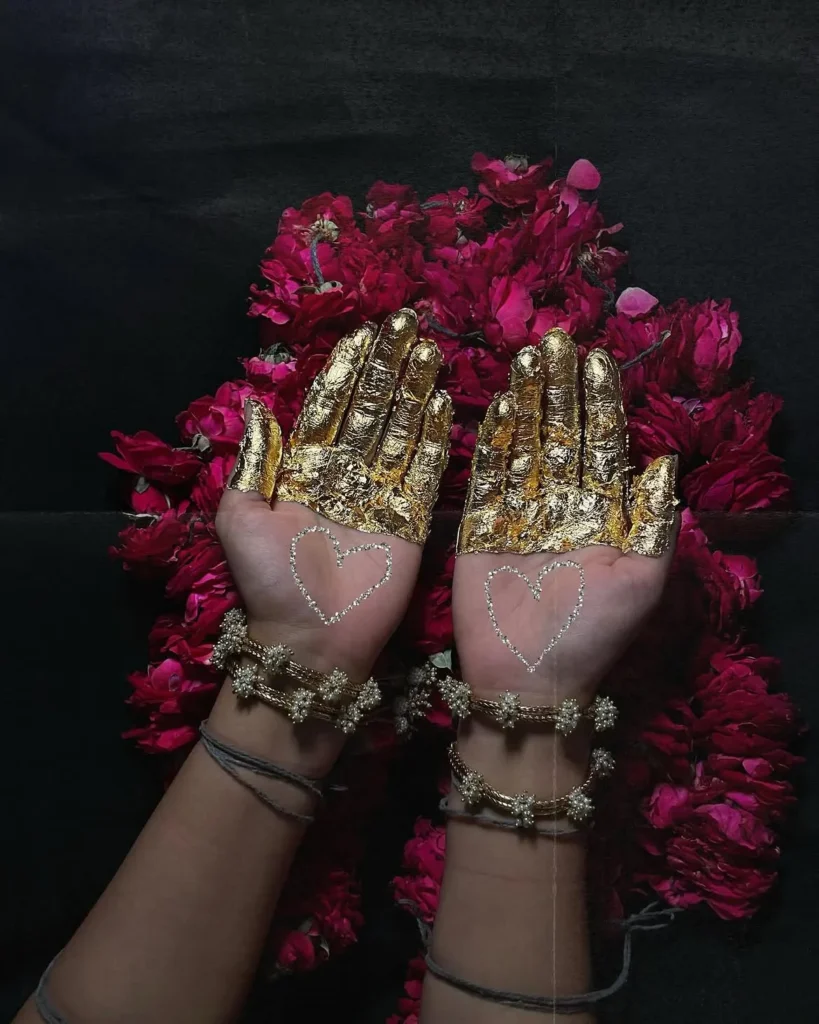
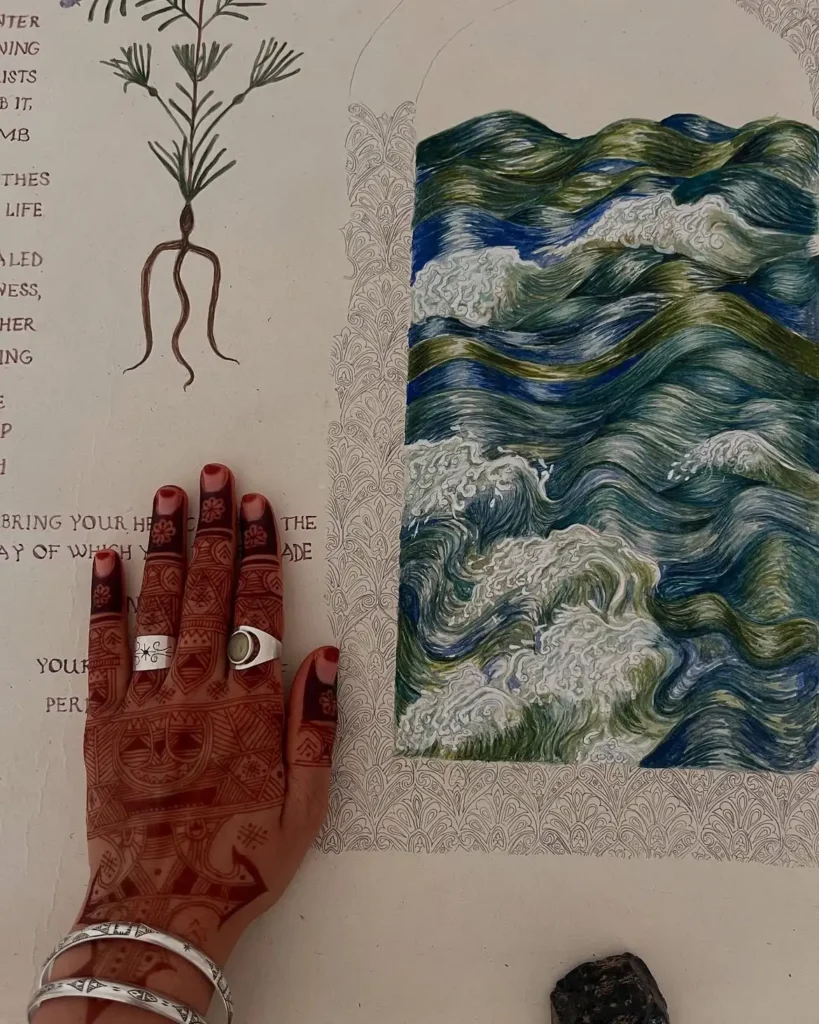
Elsewhere, artists continue to push the medium even further. India-based Prabhleen Kaur draws inspiration from vintage textiles, folk art and block printing, while London artist Medina Trevathan explores Islamic, Sufi and Celtic influences through intimate, modernistic body art.
Why Fashion Is Falling Back in Love With Henna
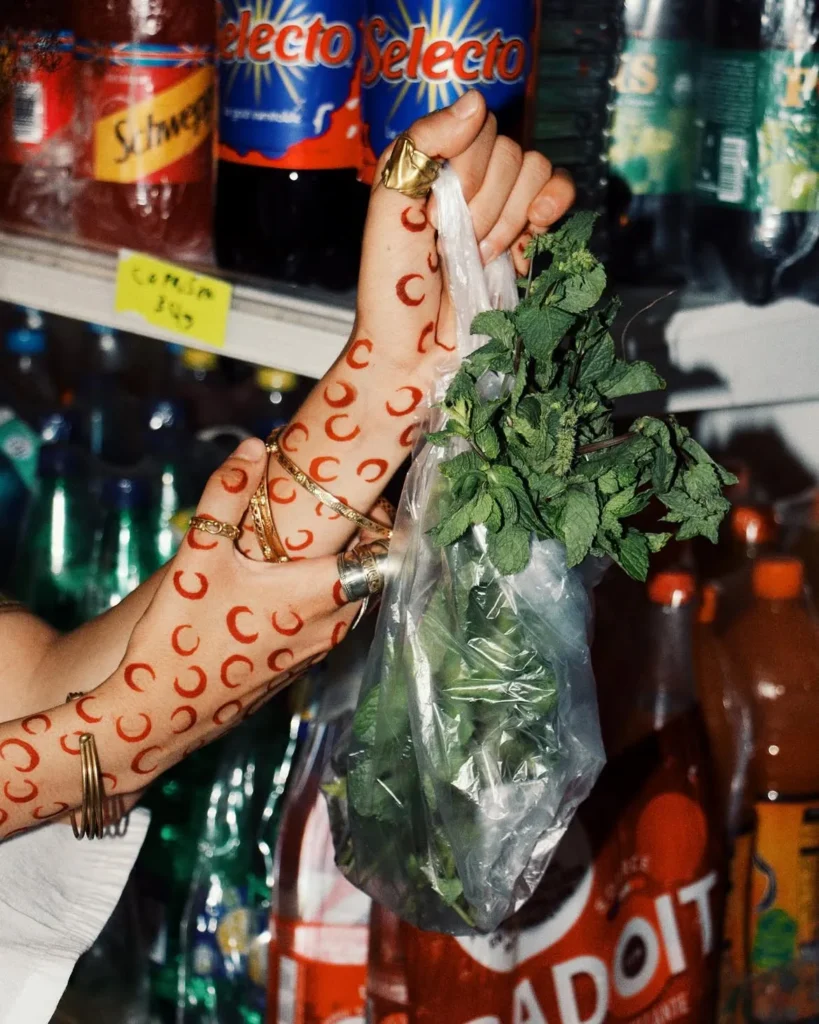
Fashion has been gradually shifitng towards craftsmanship, heritage and individuality. Tatreez has returned. Traditional weaving techniques are being celebrated. Handmade jewellery has become more desirable than mass-produced accessories.
Henna fits naturally into that conversation. Unlike permanent tattoos, it fades, or it changes. There’s something refreshing about beauty that isn’t designed to last forever. No two applications are exactly alike. Every artist leaves behind a recognisable signature, much like an illustrator or fashion designer.
Can Henna Be Fashion Without Losing Its Meaning?
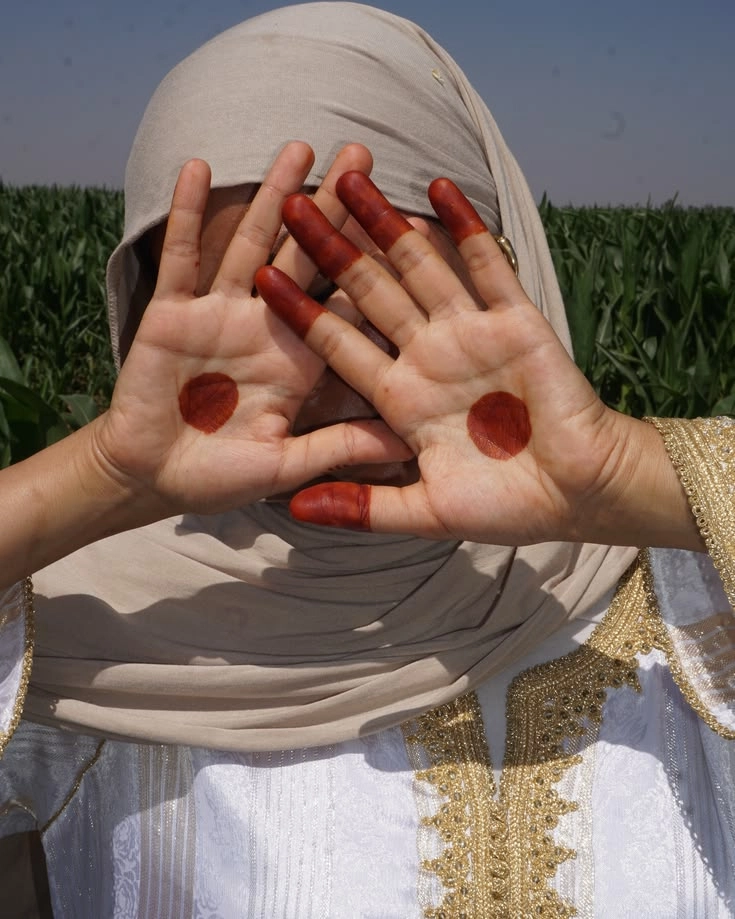
Of course, not everyone welcomes henna’s shift into mainstream fashion. Some argue that moving it beyond cultural ceremonies risks stripping away its true significance. Artists like Azra Khamissa often point out that contemporary henna exists because traditional henna came first. One doesn’t erase the other. The intricate beyond cultural patterns remain just as profound, while minimalist interpretations simply create another way for people to connect with the art form. Henna doesn’t need to stay frozen in time to honour where it came from.