Before I went to Georgia, several of my European friends kept telling me the same thing. “You’ll love it. It’s basically like Western Europe.”
I took this with the appropriate level of suspicion. People become evangelical about Georgia once they have visited. Then I went, and turns out, they had a point.
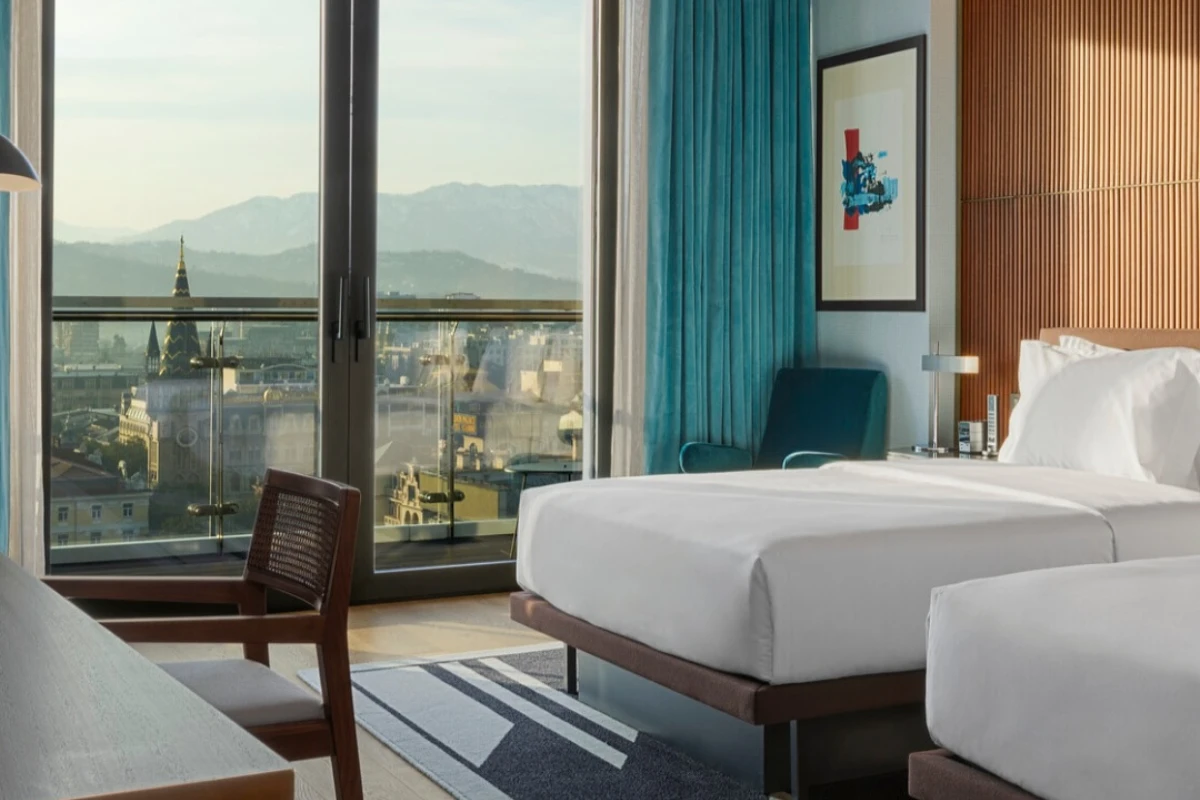
Four hours out of Dubai, Tbilisi gives you cobbled streets, old-glamour buildings, pavement cafés, independent shops, parks, galleries, fine-dine restaurants and weather that makes walking feel like a pleasure rather than a survival tactic. For eligible UAE residents, Georgia can also be entered visa-free for up to 90 days within a 180-day period, removing another layer of planning.
Over seven days travelling through Tbilisi, Kutaisi, Martvili and Batumi, I learned that Georgia’s real advantage is how many references coexist inside one relatively small country.
Europe appears in the balconies and boulevards. The Caucasus shapes the landscape. Persian and Islamic references surface in Tbilisi’s architecture. Soviet history remains visible across every nook and cranny. The Black Sea changes the mood completely once you reach Batumi.
Georgia gives you several trips at once, as every city has its own rhythm.
Tbilisi Has Soul
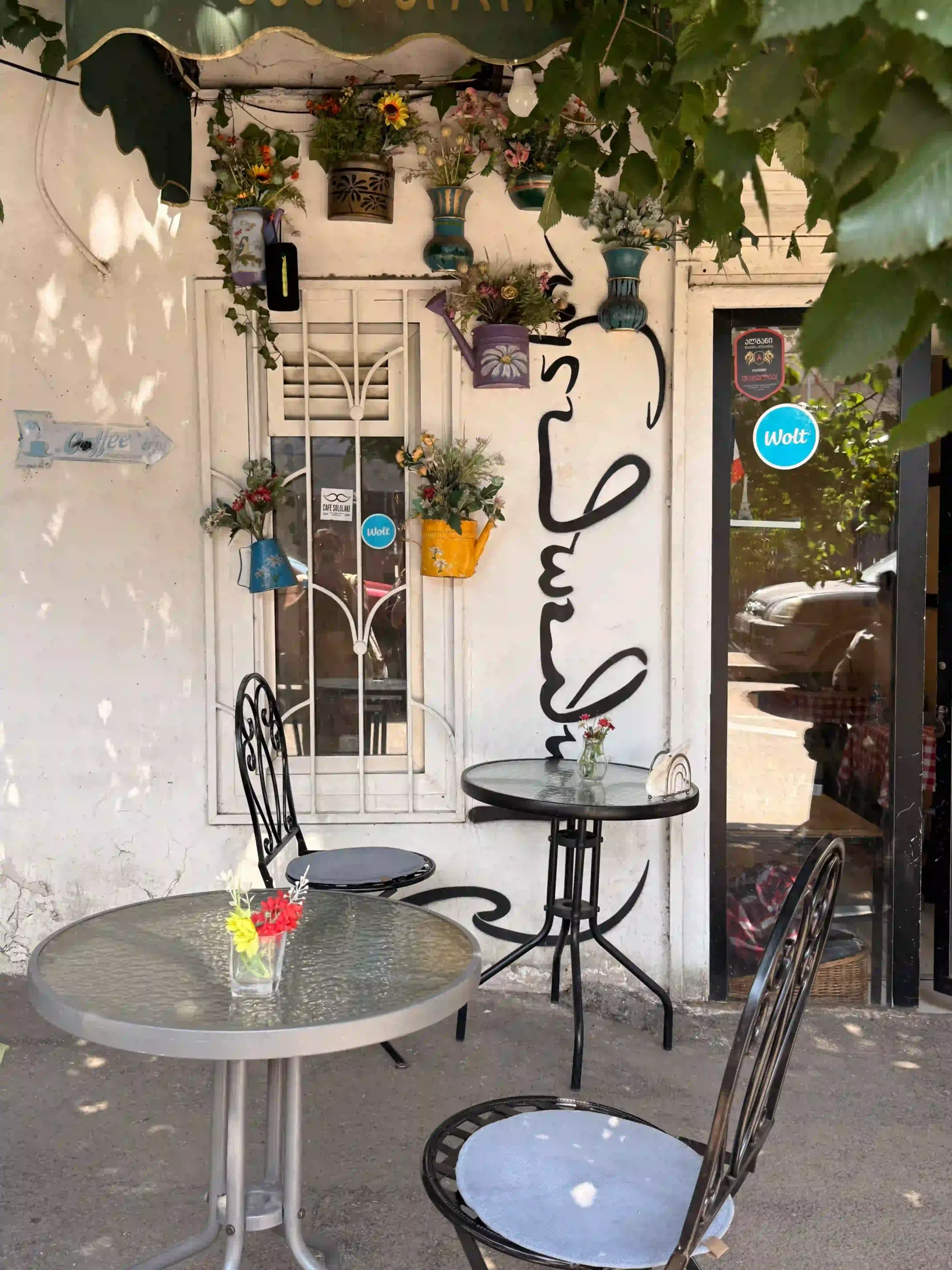
If you are the kind of person who always wants somewhere to grab a drink, meet someone, sit outside for an hour, wander to dinner and decide afterwards that you are not quite ready to go home, you belong in Tbilisi. People are constantly outside. Cafés occupy pavements. Restaurants disappear into courtyards. Parks appear between busy streets. Dogs sleep outside shops. People stop, pet them, carry on with their day.
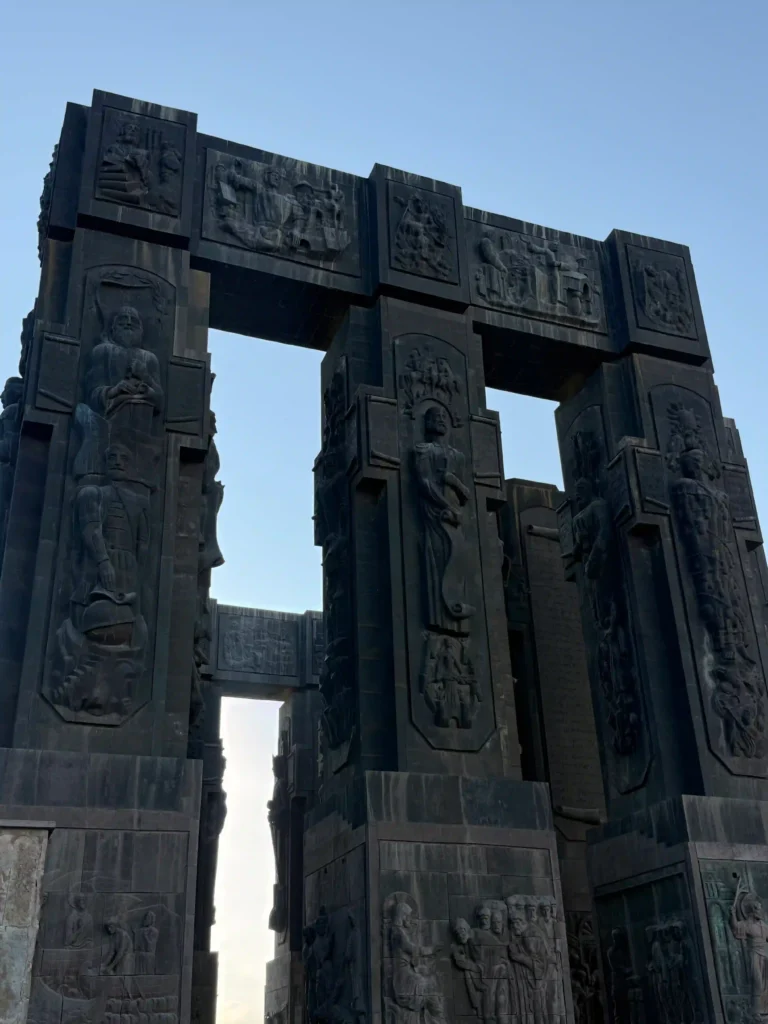
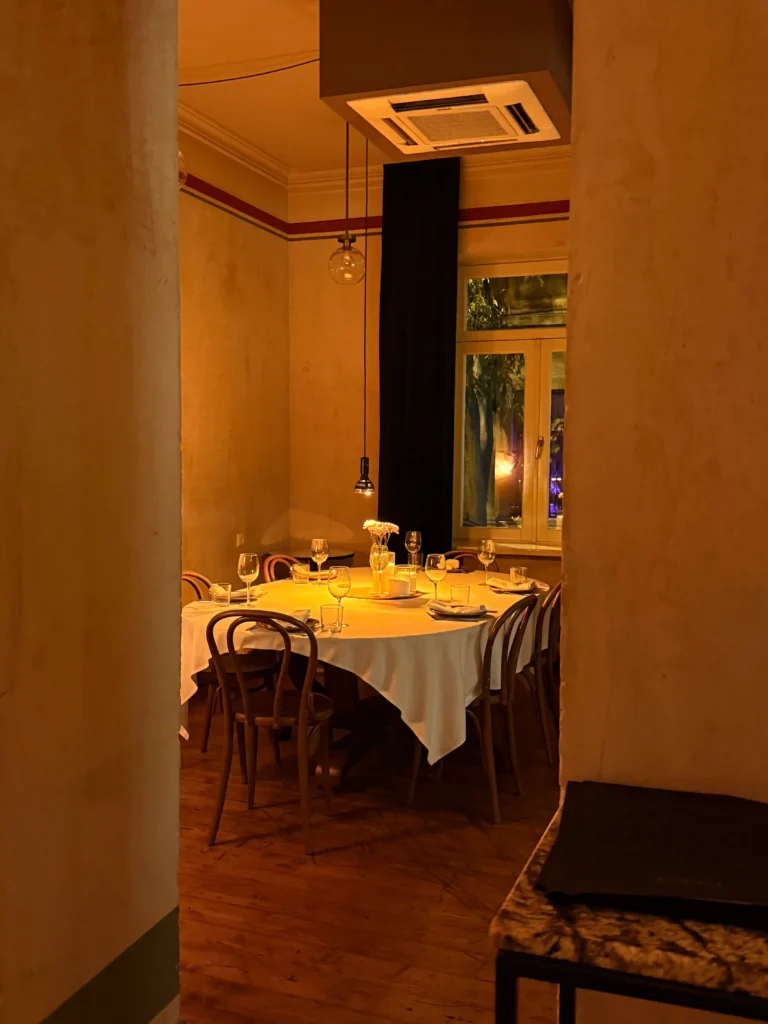
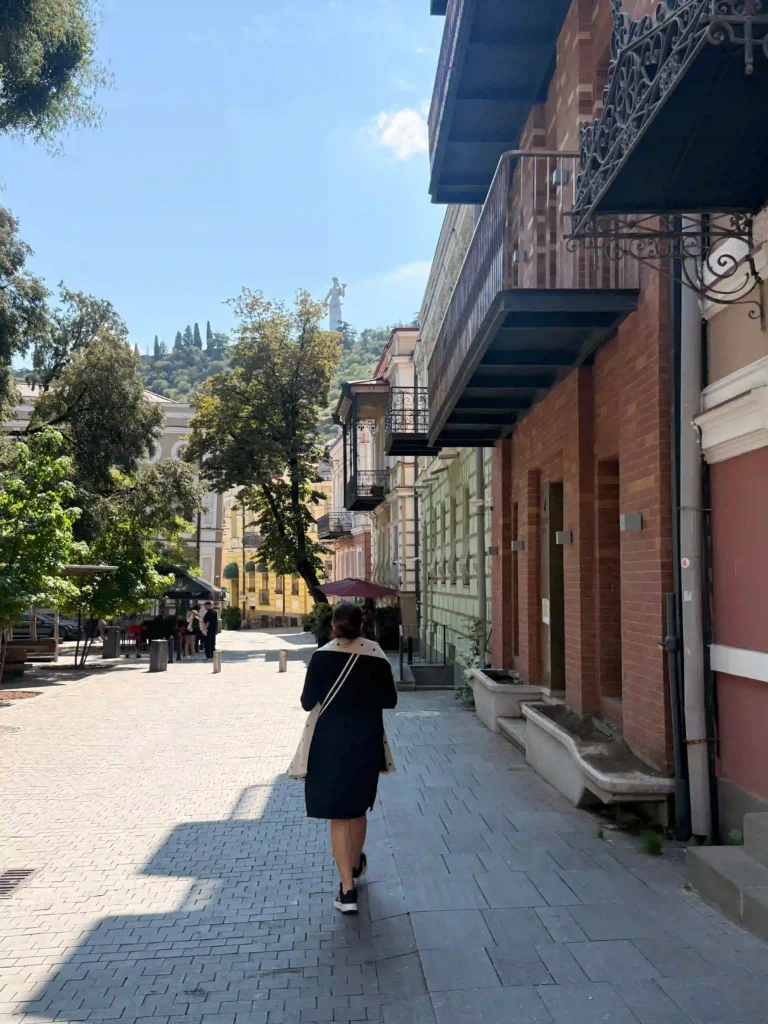
The first afternoon moved through Old Tbilisi, past wooden balconies, churches, galleries and narrow streets before reaching Abanotubani, the historic sulphur-bath district, and the area surrounding Narikala Fortress.
One building feels European, the next carries Persian references, another has intricate timber balconies, then a Soviet-era structure appears a few streets later. Orthodox churches, brick-domed bathhouses and contemporary architecture all exist within the same visual conversation.
It should feel chaotic, but it doesn’t. Tbilisi wears its history very well.
The art scene gives the city its depth and character. Galleries, street art, design stores, little boutiques and lived-in interiors appear constantly as you walk.
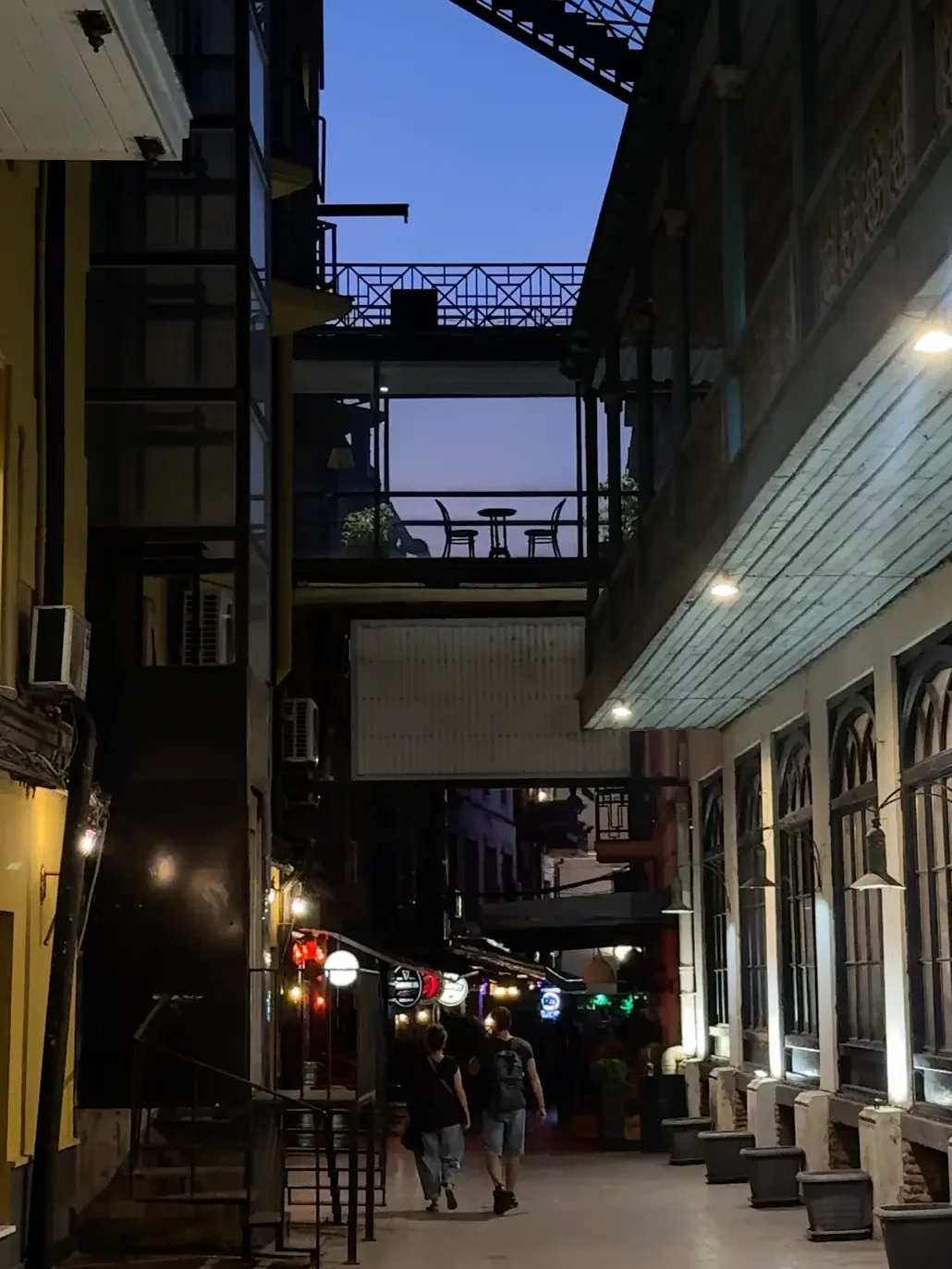
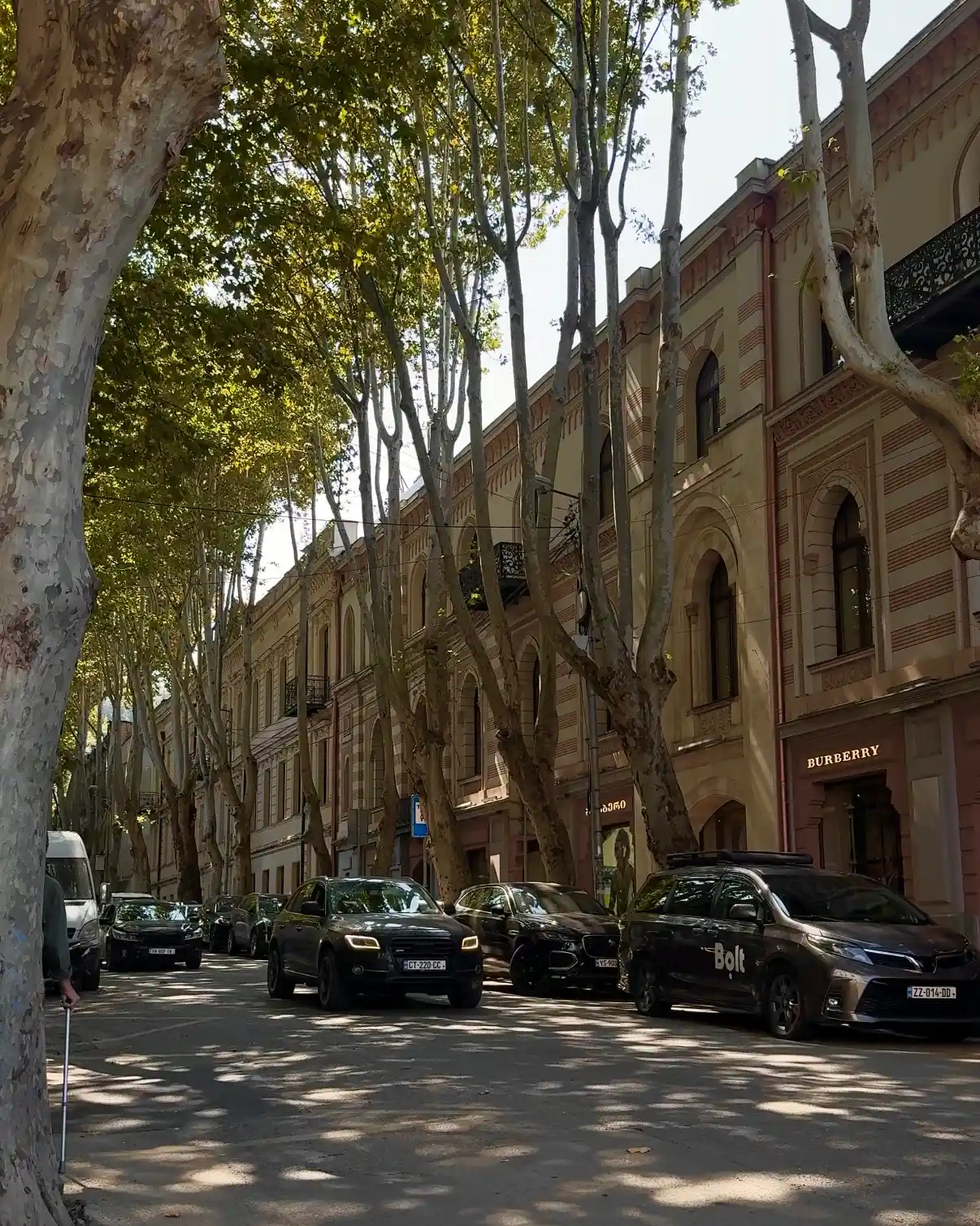
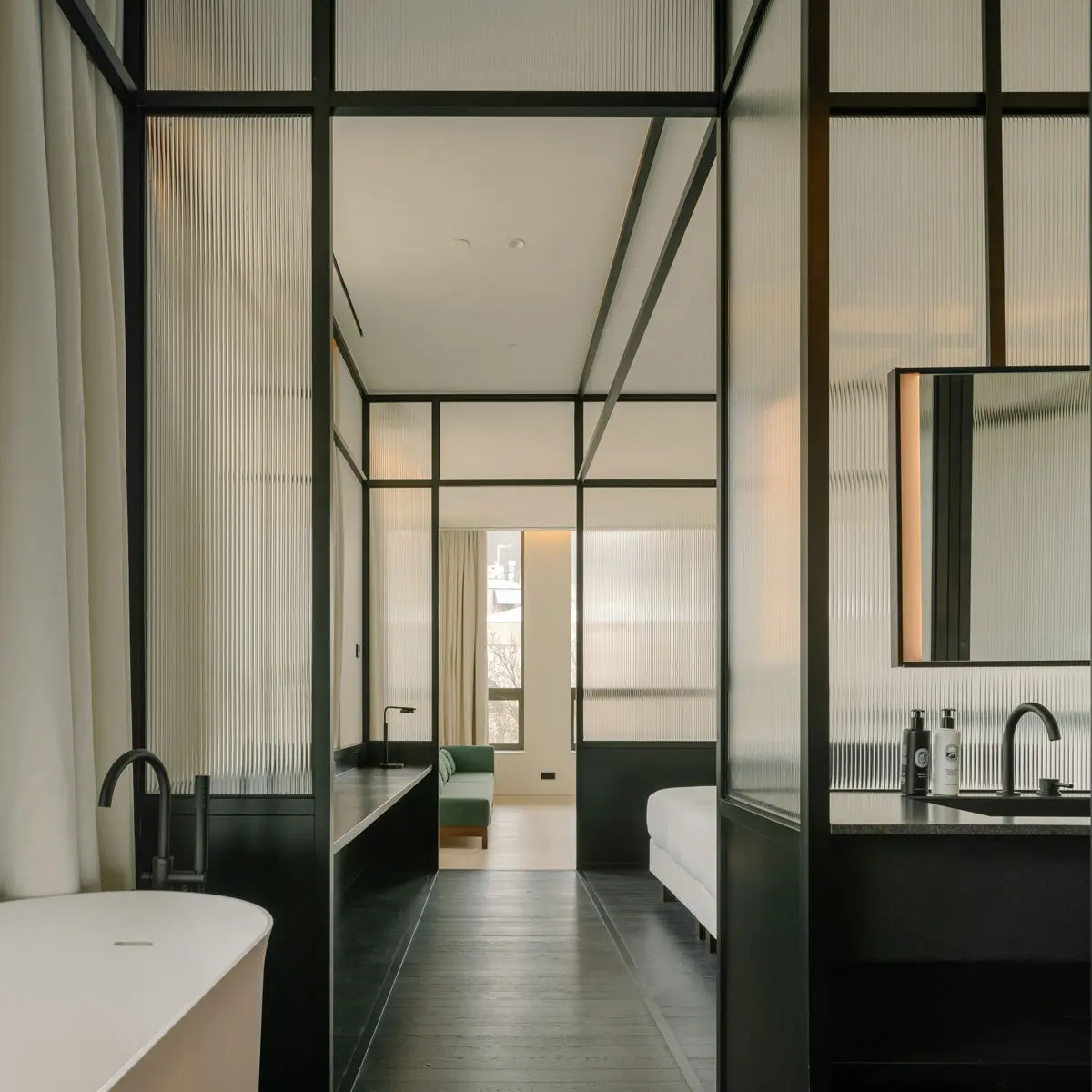
By this point, Tbilisi might sound like a city caught in the past, but it is anything but. Around Freedom Square and Rustaveli, the pace shifts. Galleria Tbilisi brings fashion, beauty, dining, cinema and theatre into the centre, while names like The Telegraph hotel, Giorgobistve restaurant and Satchasnike pub give the city a more upscale hospitality scene.
Leave a little room in your luggage. Tbilisi Outlet Village carries a strong mix of international labels, while local designers, vintage stores and independent boutiques make it very easy to pick up more than you planned.
A morning spent around churches or museums can turn into an afternoon shopping and dinner somewhere decidedly contemporary without ever feeling like you have crossed from “old Tbilisi” into “new Tbilisi”. The city has allowed both versions to occupy the same streets.
Come Hungry
Georgia does not believe in timid tables.
Khachapuri is the obvious starting point, hot bread, cheese, regional variations and very little interest in restraint. Then come khinkali, grilled meats, beans, aubergine with walnuts, herbs, cheeses and sauces built around nuts and spice. Satsivi — chicken or turkey in a thick walnut sauce — was the dish that immediately registered as Georgia’s answer to a walnut curry.
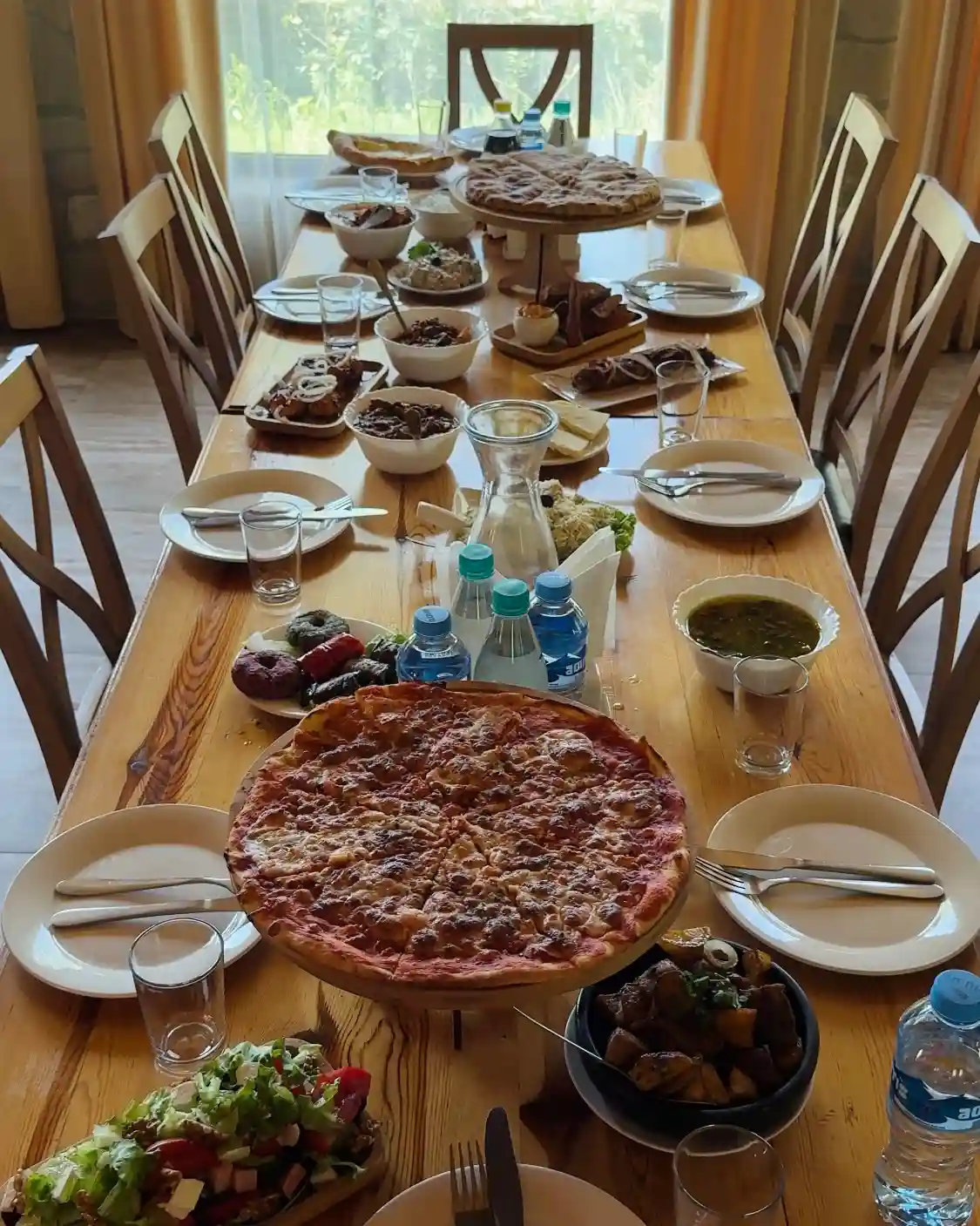
The surprise is how broad the dining scene becomes once you move past the classics. Tbilisi has contemporary Georgian restaurants, international kitchens, cafés and more fine hotel dining, so eating locally never has to mean repeating the same five dishes for a week.
And Georgian food changes as the landscape does. By Batumi, the flavours lean into Adjara; Gemo Fest on the Old Boulevard brought regional dishes and local producers into the centre of the city, making the geography edible in the most literal sense.
Kutaisi Brings the Escapism
Kutaisi feels different almost immediately. It is calmer, greener and less concerned with keeping you entertained at every turn. The scale comes down and the pace softens. After Tbilisi, that change is welcome.
The road west also begins to show just how varied Georgia’s landscape is. By the time we reached Martvili Canyon, the colour palette had moved into dense greenery, turquoise water, waterfalls and steep rock faces. The country is relatively compact, yet the climatic changes are dramatic enough that each leg of the journey feels new.
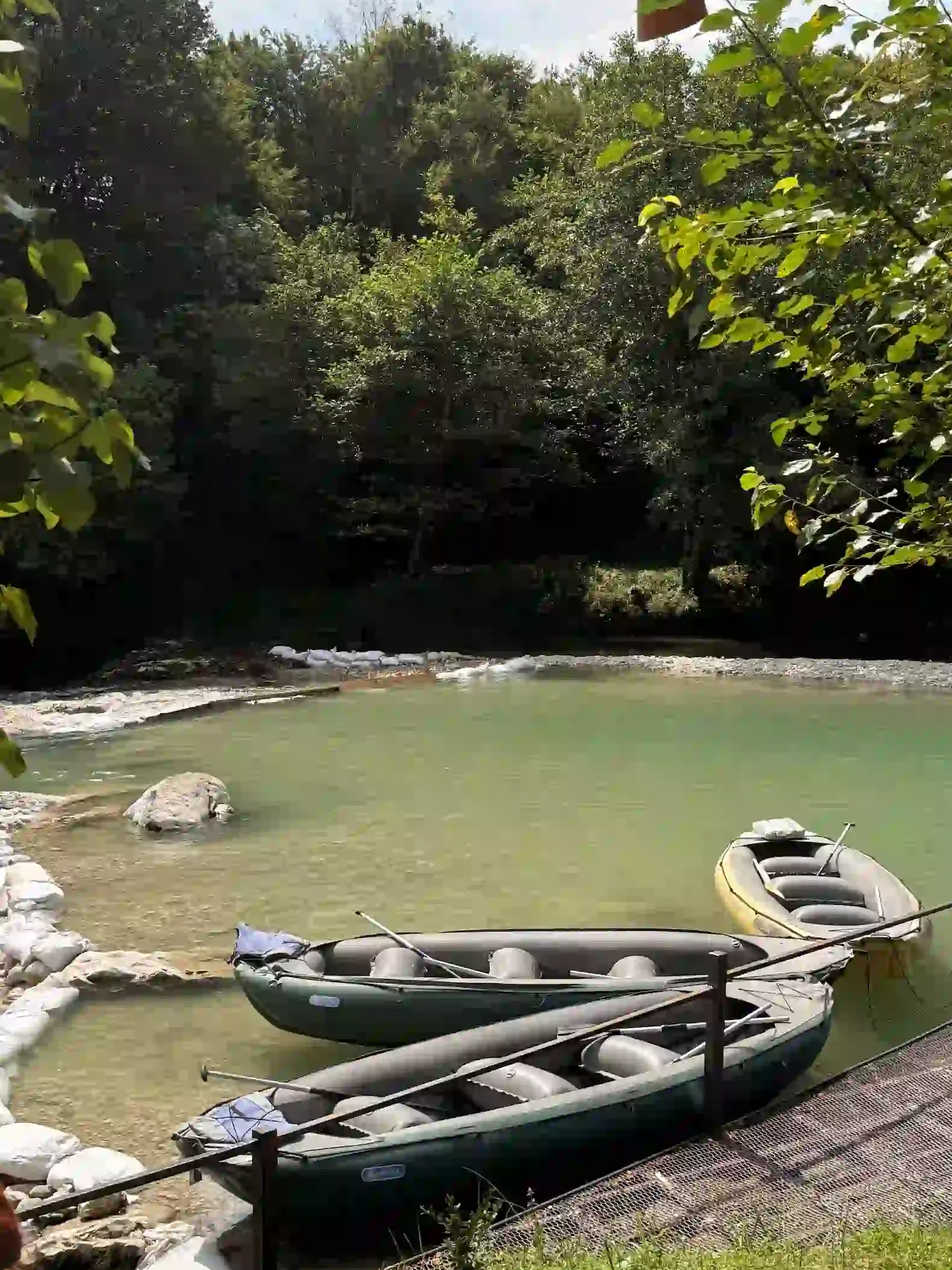
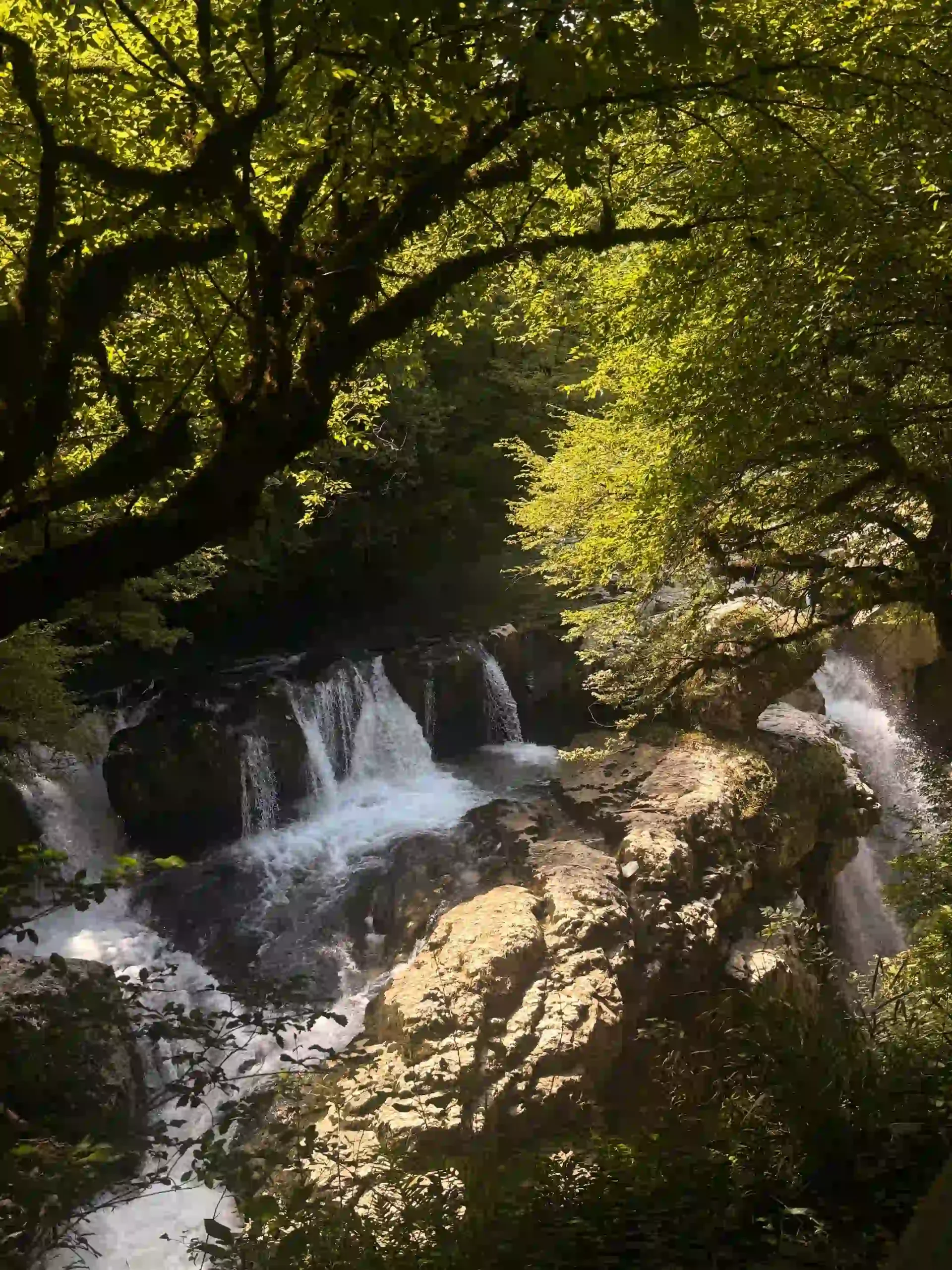
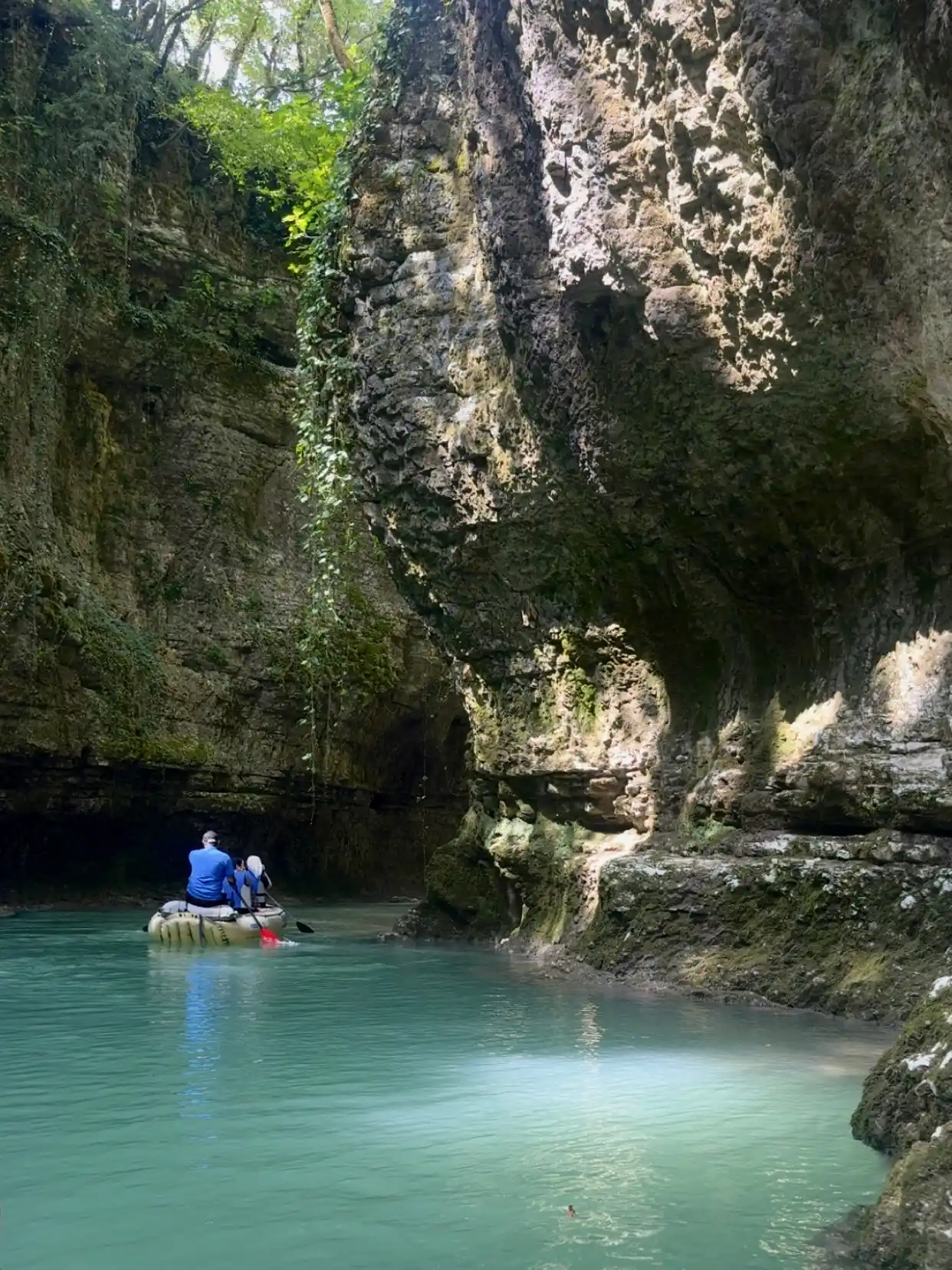
That variety is one of Georgia’s biggest strengths for travellers coming from the UAE. You can move from a drier capital to forested landscapes, mountain regions and a humid Black Sea coast without spending half the trip in transit. The air changes, the vegetation changes, the weather changes and the country feels much larger than it looks on a map.
Then There is Batumi
After Tbilisi’s galleries, long lunches and late dinners, and Kutaisi’s slower tempo, Batumi offers palm-lined boulevards, with the Black Sea stretching out beyond the promenade and a skyline of hotels and residential towers rising behind it. The city has scale, money and ambition, while the older Batumi is still there in the narrow streets, historic façades and balconies set a few minutes back from the waterfront.
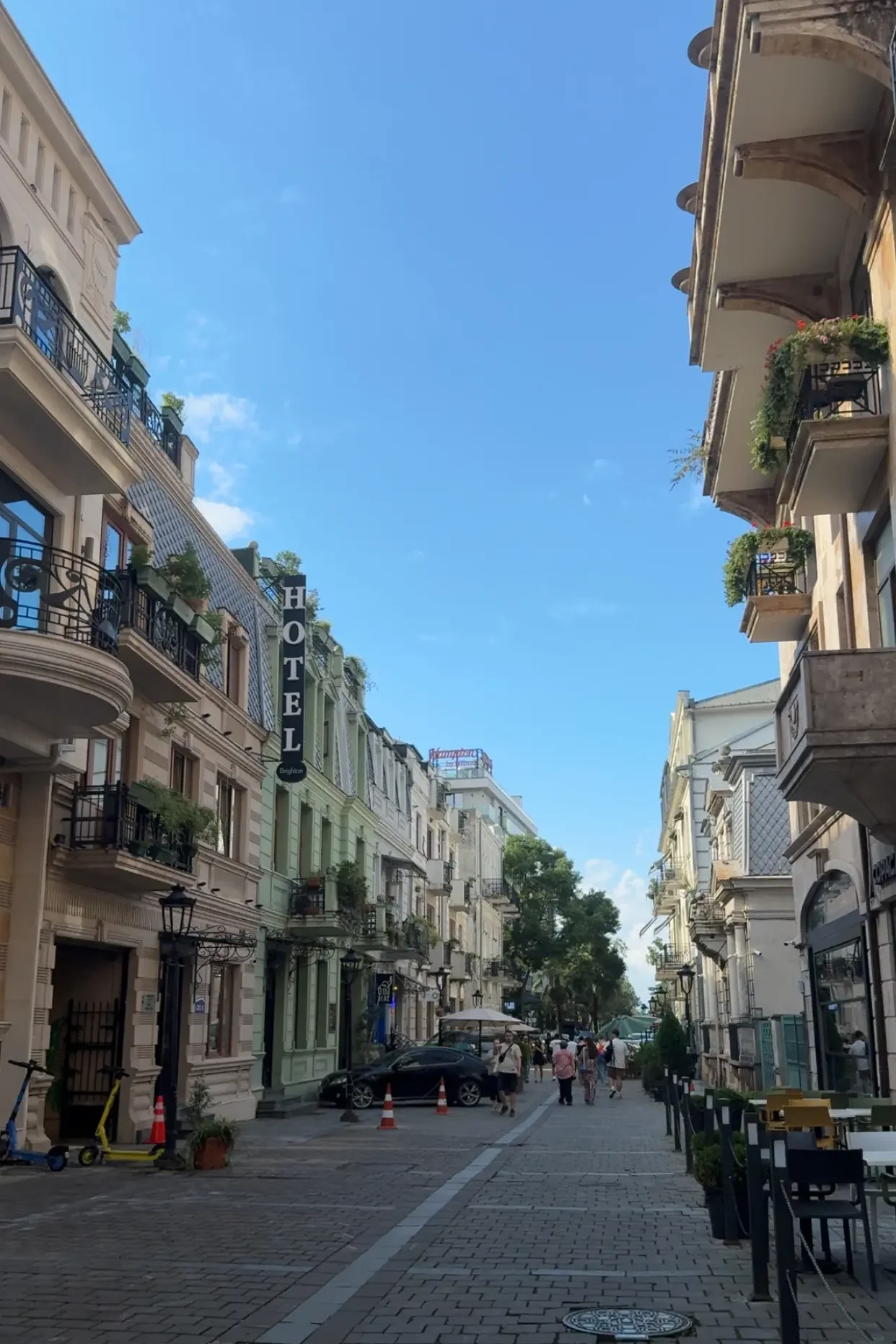
Along Batumi Boulevard, the city opens up. Gardens, sculptures, beach clubs, hotels and towers run alongside the sea, with the Ali and Nino sculpture marking one of its most recognisable points. Our day ended at Gemo Fest, held beneath the White Colonnades on the Old Boulevard on 5–6 September.
The 2026 edition put Adjara’s food culture front and centre. Sixteen vendors joined local producers and an entrepreneurs’ market, serving everything from roasted meats with peach and strained matsoni with mint to achma with kaymak and tomato salsa, yakhni and borano. Big Daddy Wilson brought blues and soul to the evening programme, while the boulevard filled with long tables, local cooking and the Black Sea just beyond.
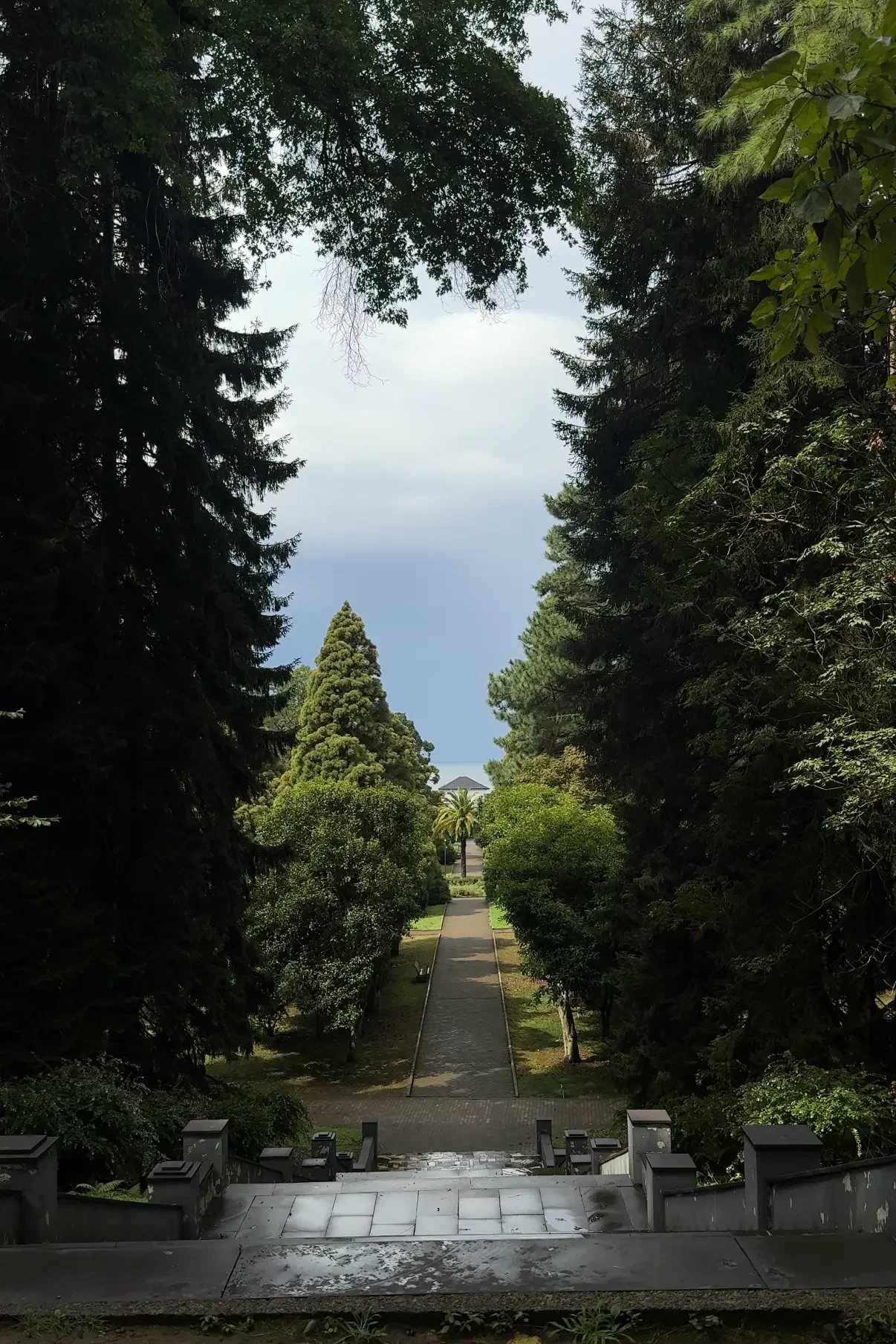
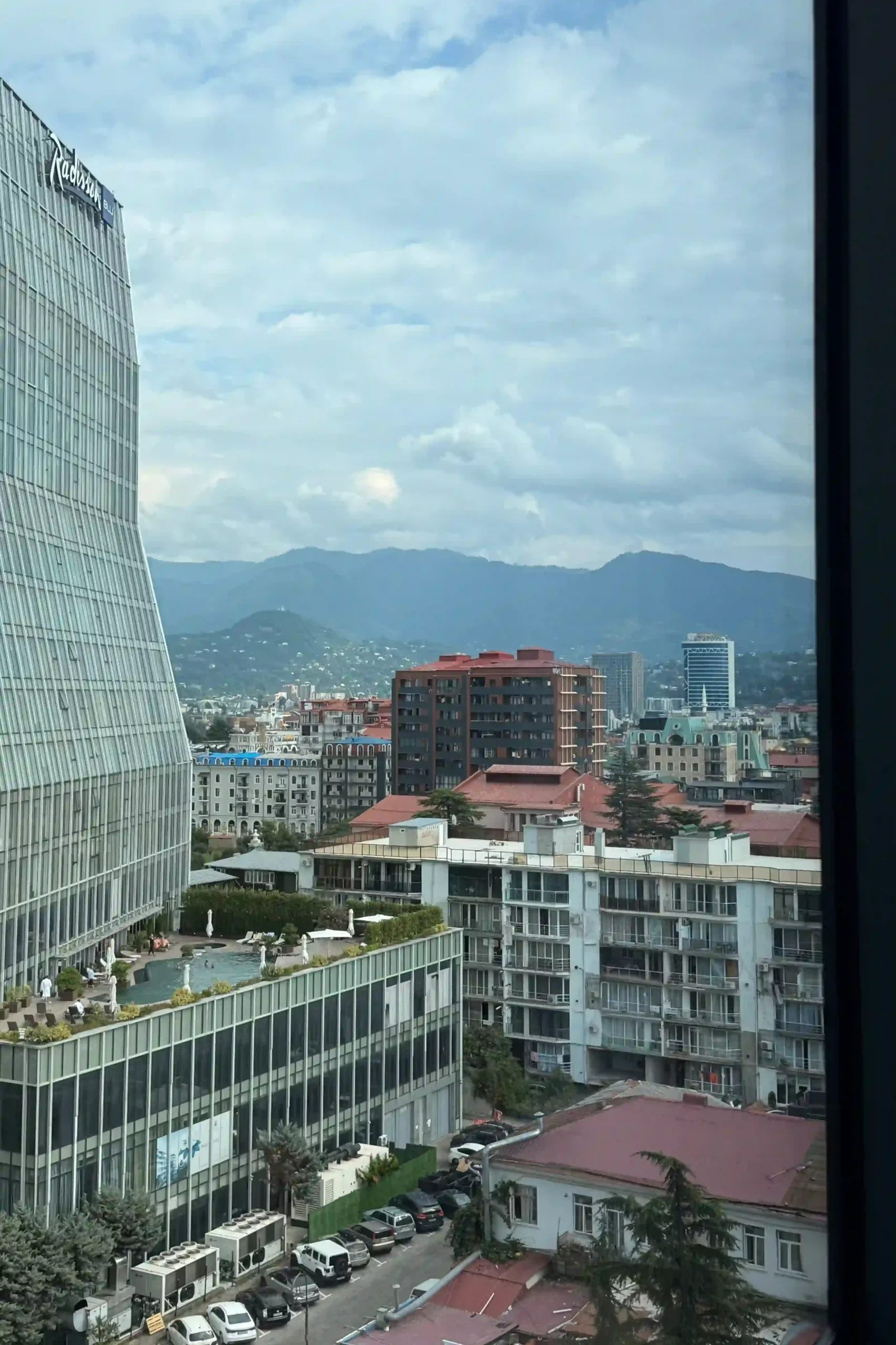
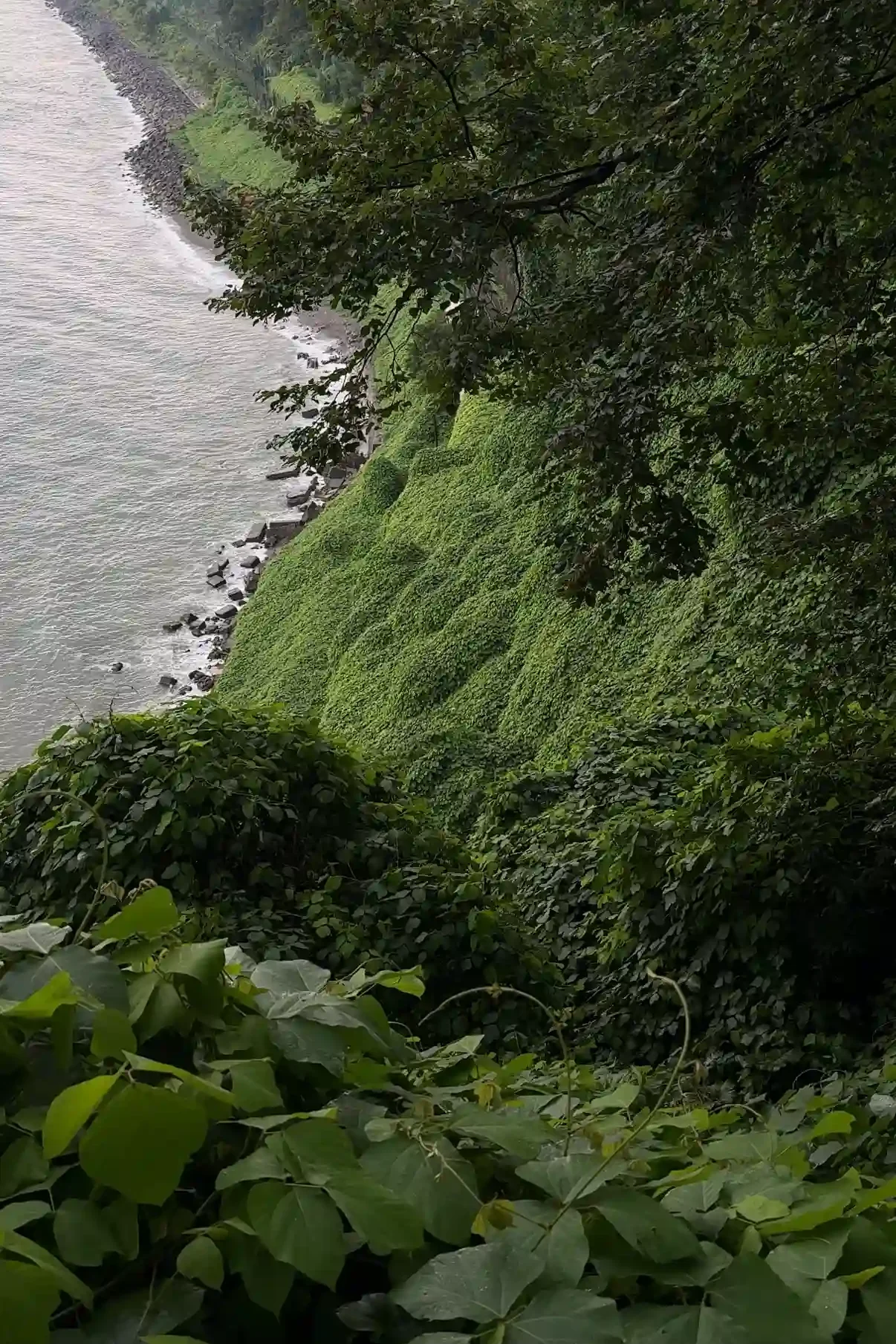
Batumi works in contrasts — historic port, summer resort, high-rise city, subtropical coast. The weather only adds to it. Black Sea rain pours fast and heavy, then disappears just as quickly, leaving the palms, gardens and boulevards washed clean.
The climate makes even more sense at Batumi Botanical Garden, set above the coast with dense subtropical planting and uninterrupted views over the water. In Batumi, the air is heavier, the vegetation richer and the sea sets the pace.
Georgia Is Building Up
Georgia’s old streets may dominate the photographs, but its cities are writing new chapters. Batumi already has a waterfront lined with new hotels and residential towers, Tbilisi is entering its own phase of large-scale development.
Archi Tower in Vake gave an early sense of that direction. The next projects are much bigger. Downtown Tbilisi, planned beside Central Park, is a $2 billion, six-tower district bringing together residences, offices, hospitality, retail and dining across roughly 600,000 square metres. At its centre will be Trump Tower Tbilisi, the first Trump-branded tower in the Caucasus, planned at 62 storeys and around 280 metres, which would make it the tallest building in Georgia.
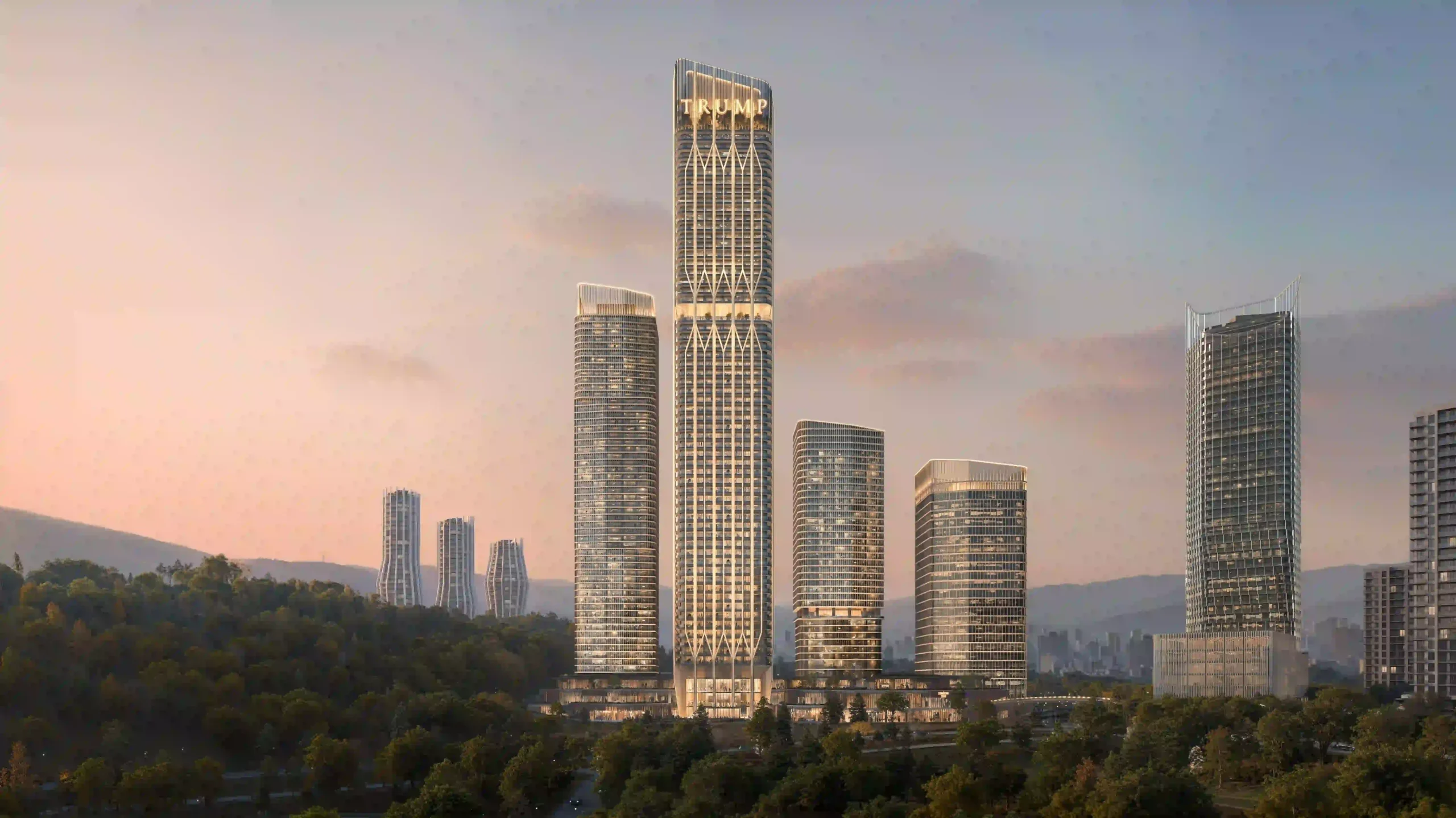
Designed by Gensler and developed by Archi and INVIA with The Trump Organization and other partners, the tower will include branded residences, hotel services, restaurants, retail, pools and wellness spaces. The wider Downtown Tbilisi development is currently scheduled for completion in 2029.
For GCC travellers already drawn to branded residences, destination restaurants and international hospitality, Georgia offers all of that with a very different backdrop — four climatic zones, centuries of history, layered architecture, mountains and the Black Sea, all within relatively short distances. As the luxury offer grows, that mix gives the country a character few short-haul destinations can match.
Were my European friends right?
Yes.
Georgia offers many of the things UAE travellers routinely fly much further for, walkable cities, outdoor cafés, strong food culture, shopping, art, architecture, changing seasons, beaches, mountains and late dinners. The difference is that you can reach it in roughly four hours.
I went expecting Georgia to feel like an easier, closer version of a European holiday. I came back thinking that comparison is useful mostly when you are explaining the destination to someone who has never been.
Once you are there, Georgia makes a much stronger case for itself.